Mojtaba Khamenei’s consultations suggest a new system of decision-making is taking shape.
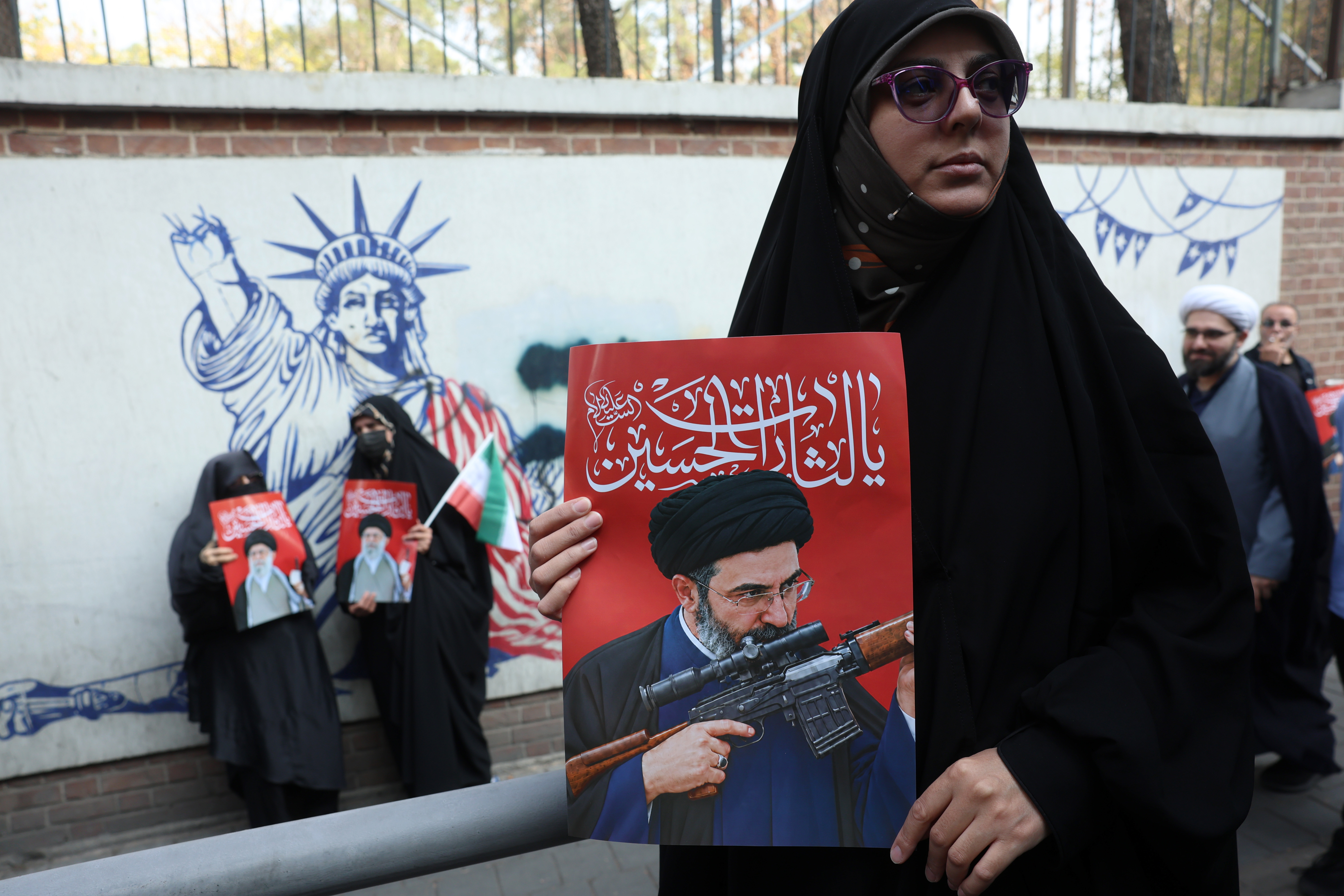

Mojtaba Khamenei’s consultations suggest a new system of decision-making is taking shape.
Relations between the two countries are dominated by policy complexes shaped by a history of hostility.
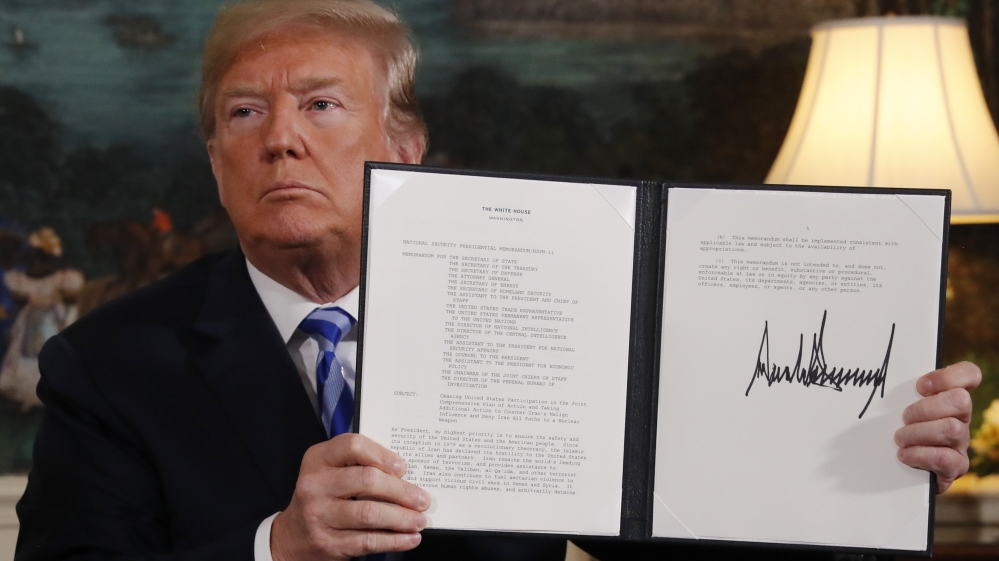
From Iran to Gaza and Lebanon, assassinations have repeatedly removed figures capable of negotiating an end to conflict.
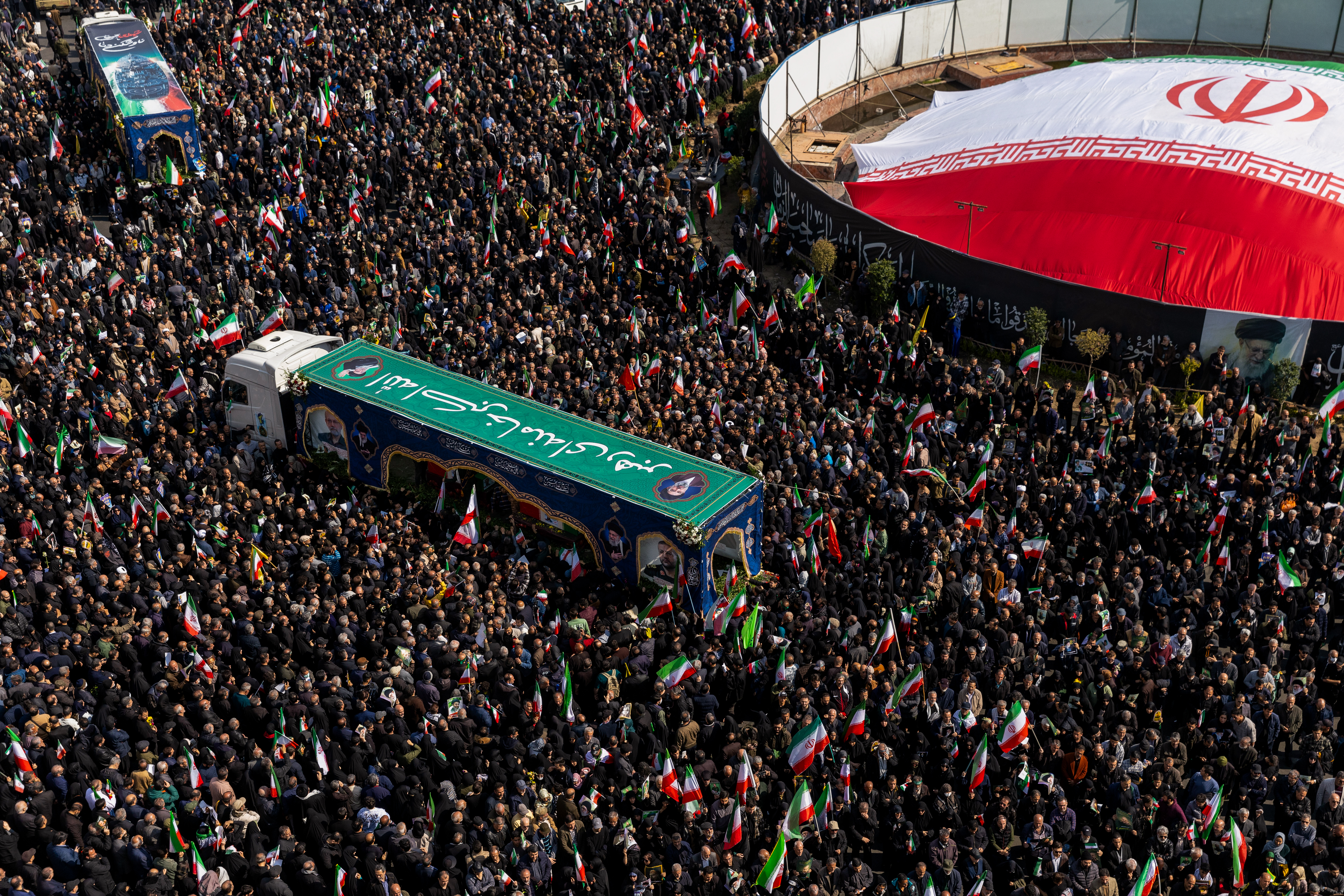
Economic pressure is testing Iran where it is weakest and sharpening divisions within its leadership.
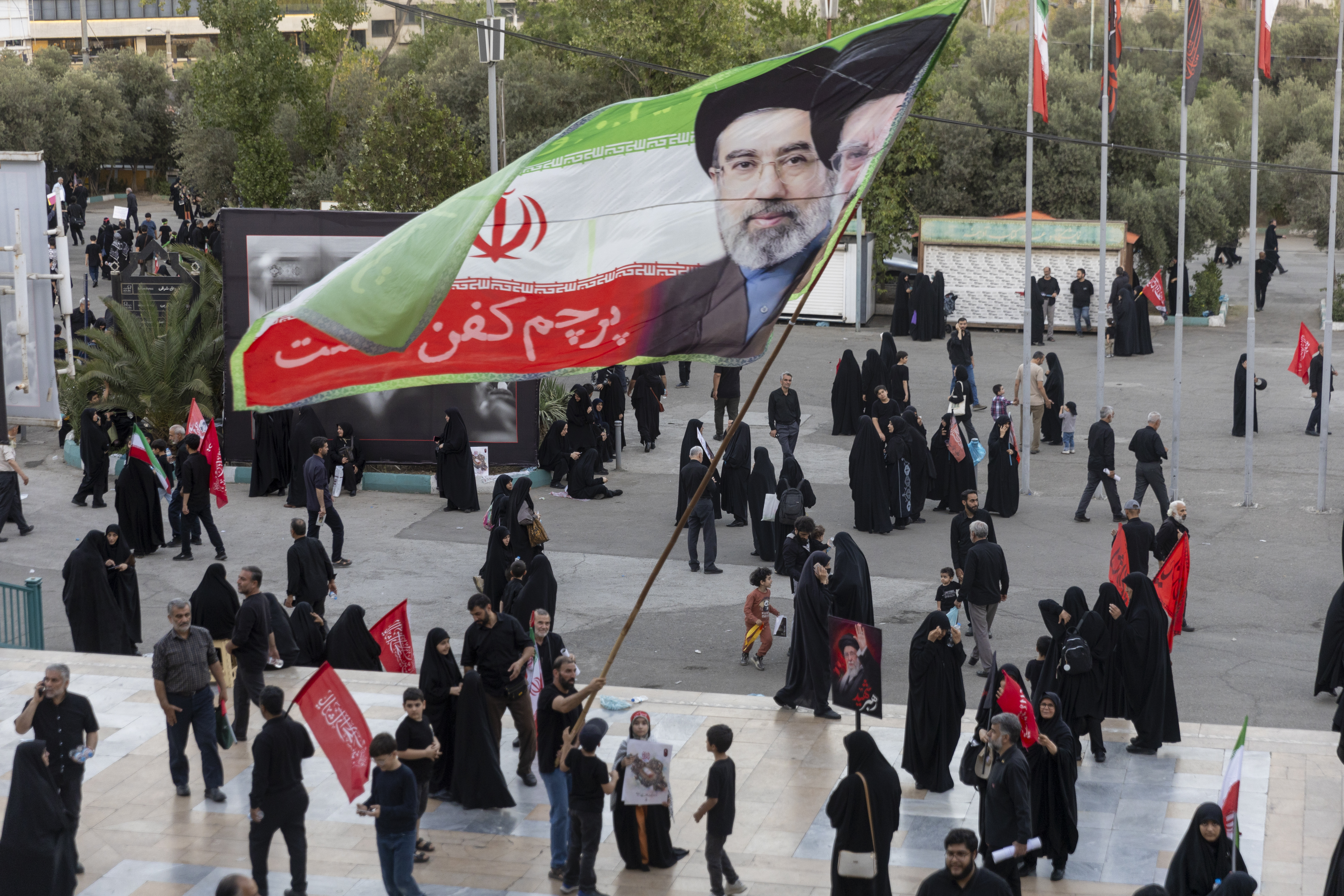
Tehran sees its ability to preserve its governing system amid a regime-change war as a clear victory.

The US-Israeli campaign has failed to achieve its goals. Iran has been badly hit, and the Gulf is paying the bill too.

In the past century, Iran has undergone two major transformations. A third seems to be on its way.

Regime’s strategy is not battlefield victory but raising the regional and global costs of any attempt to overthrow it.

Iran’s New Year protests expose the pressures shaping the political system’s response to dissent.

Marginalising the movement in post-war governance in Gaza would lead to instability.

