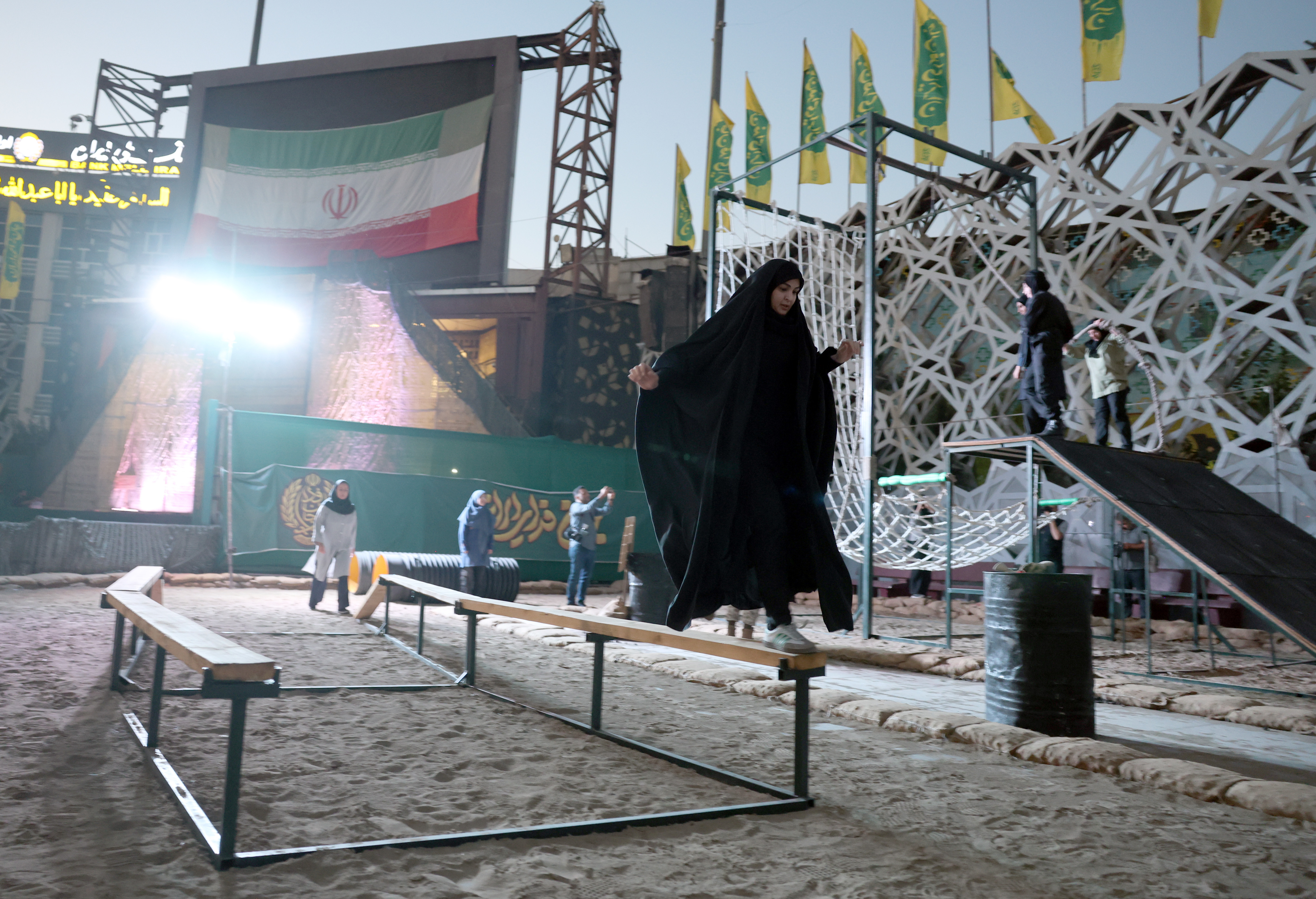
Tehran views midterm results as a rejection of Trump’s ‘war on Iran’, signalling US frustration with foreign policy.

Tehran views midterm results as a rejection of Trump’s ‘war on Iran’, signalling US frustration with foreign policy.
Iran is on the brink of a new escalation with the US, but negotiations are continuing.
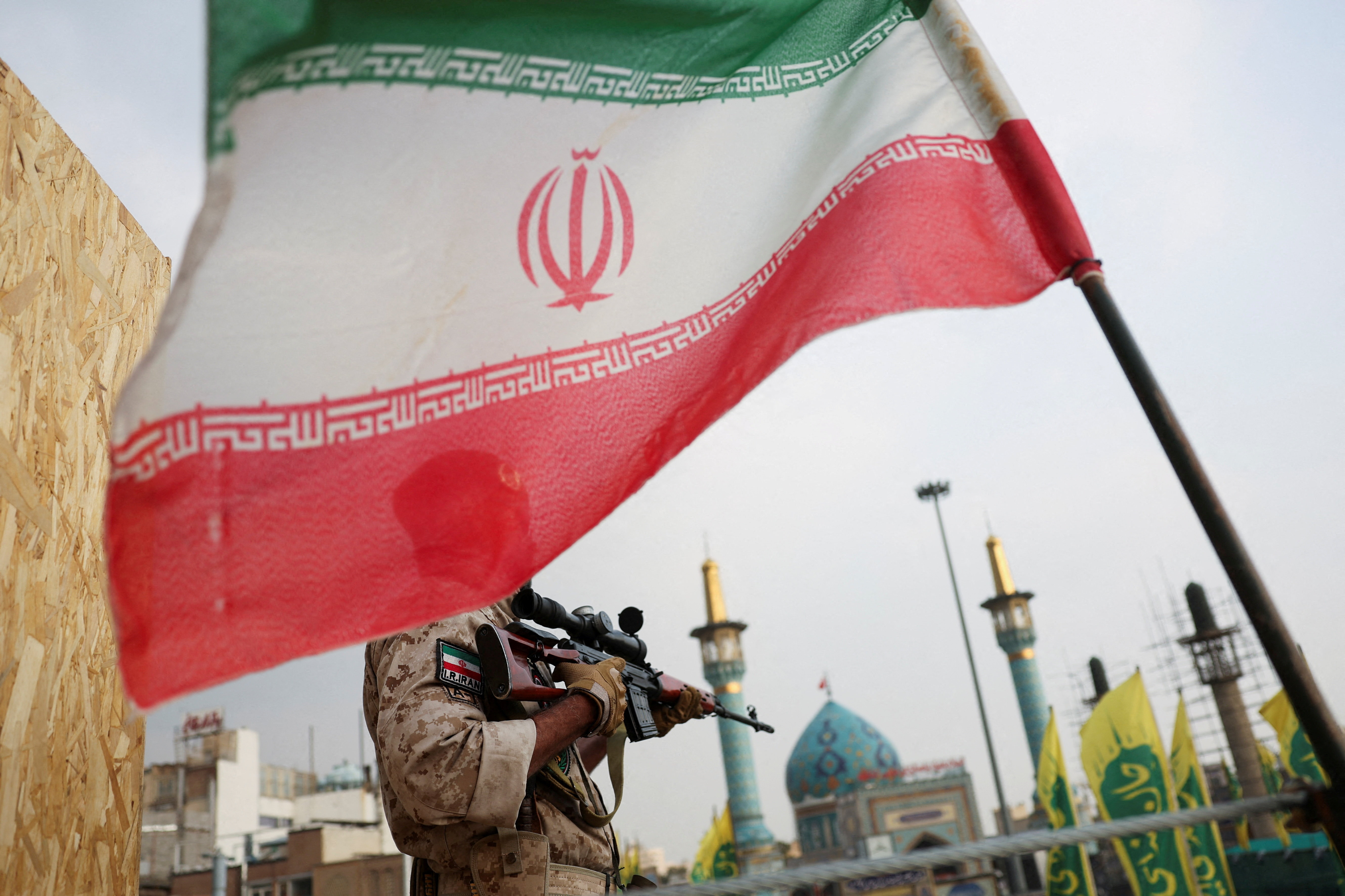
Iran has retained significant offensive capability, but civilians and critical infrastructure remain largely exposed.
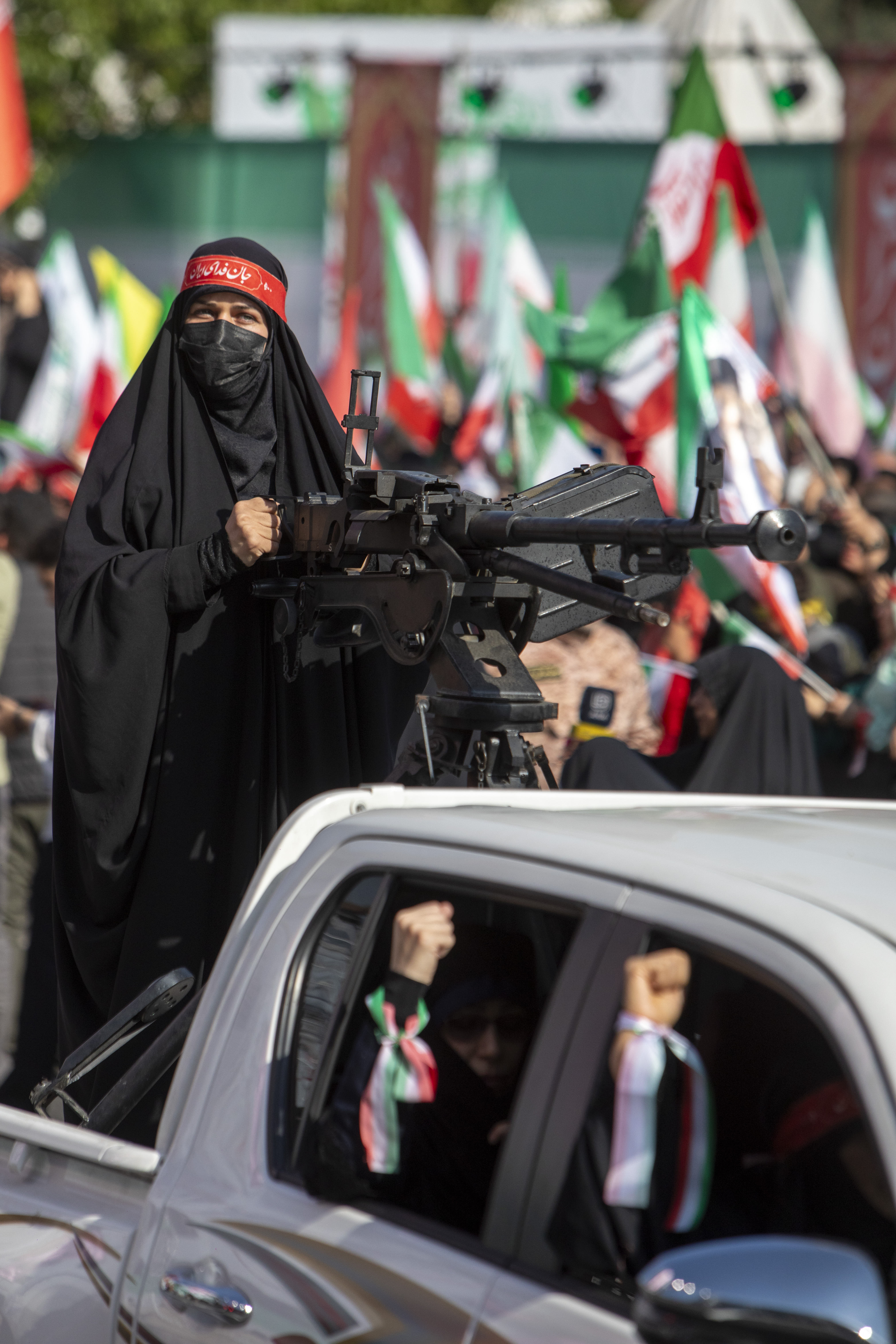
Iran says could reopen Hormuz in shorter period if conditions met, as Trump says US still has targets to ‘take care of’.
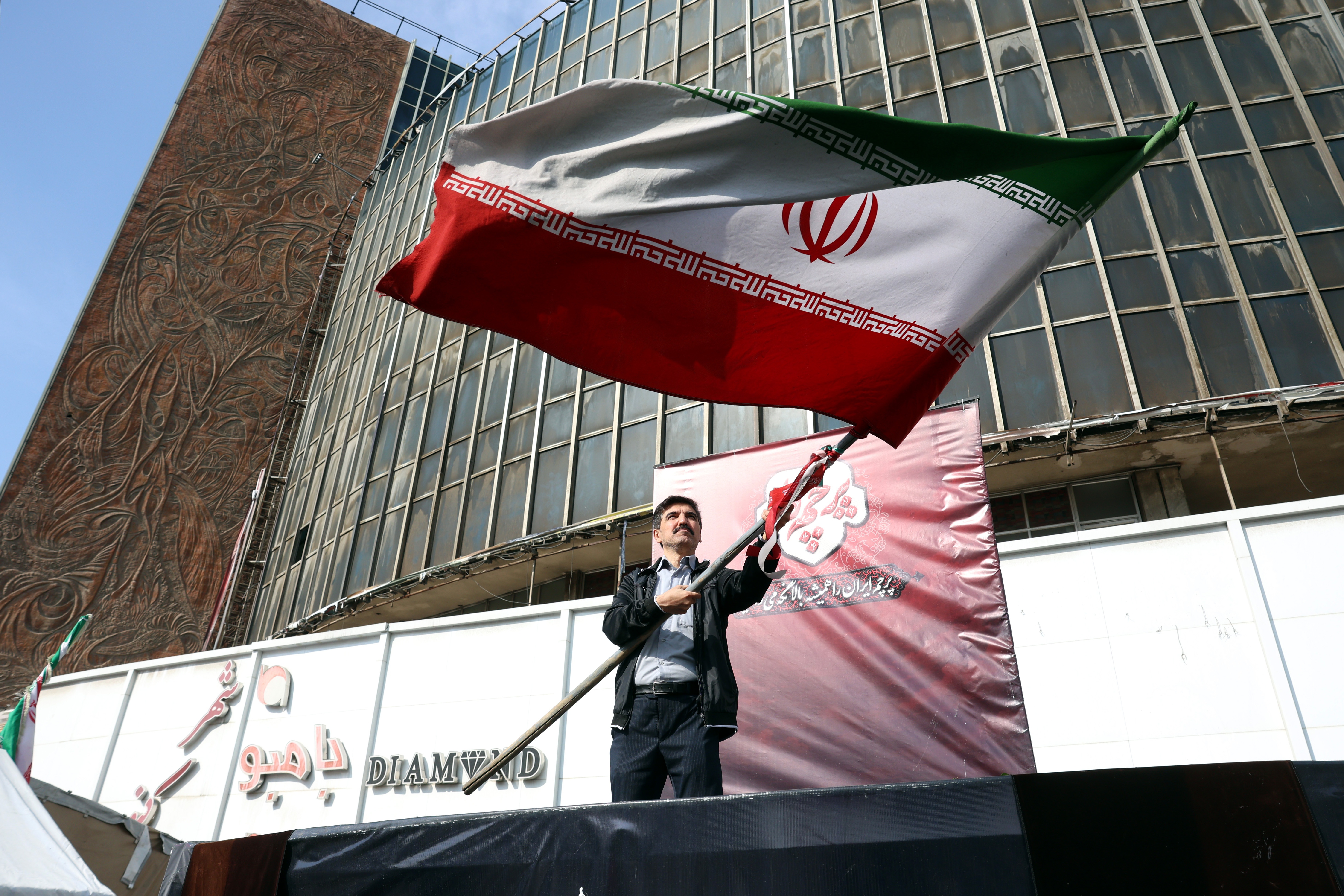
Iran’s supreme leader says Tehran’s potential response will not be restricted by geography.
Countering Houthi advances in Yemen will be a major focus for Saudi Arabia and its allies in Tehran.
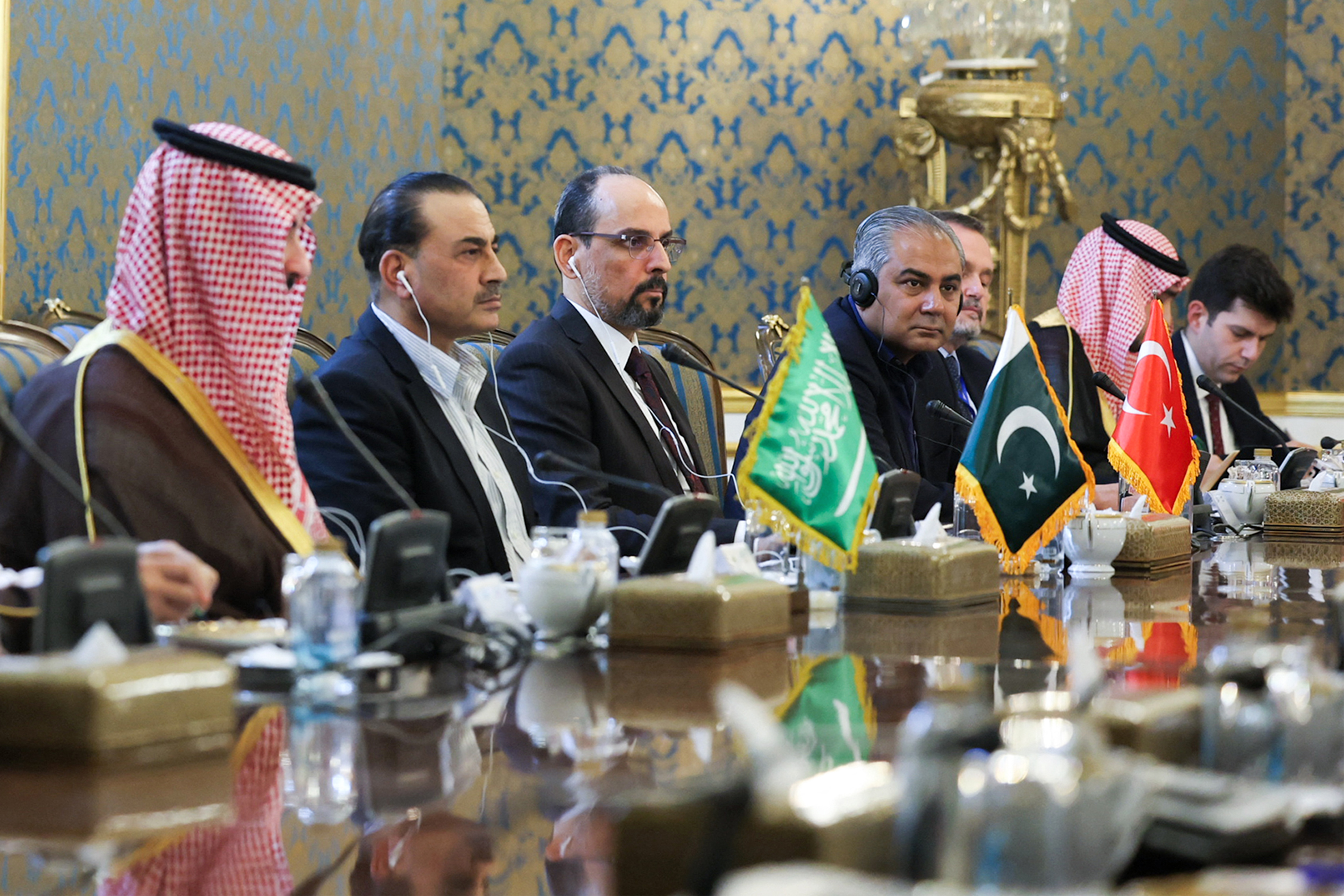
Iranian officials, media and analysts sense war is closer, but signal there will be no backing down.
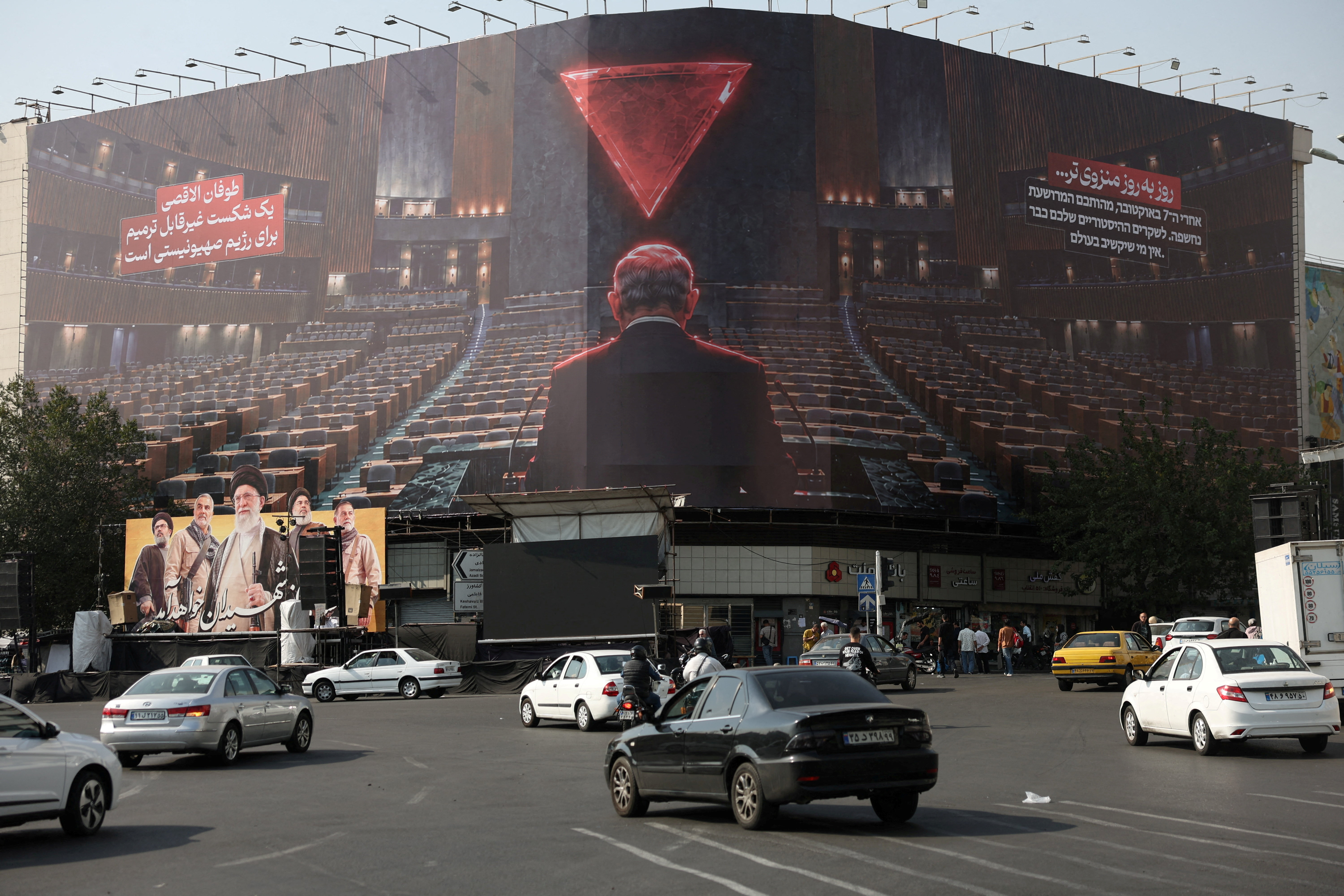
Latest smartphones are finding their way into Iran despite sanctions and trade restrictions, but many can’t afford them.

Tehran had ‘nothing new’ to tell Washington after latest nuclear proposals reportedly offered by mediators.
Iranian authorities defiant despite financial strain, saying they want to lift US blockade and pressure on their terms.