Fears for US-Iran deal as talks delayed by Israeli strikes on Lebanon
Tehran holds back from talks to cement ceasefire due to ongoing Israeli attacks on southern Lebanon.
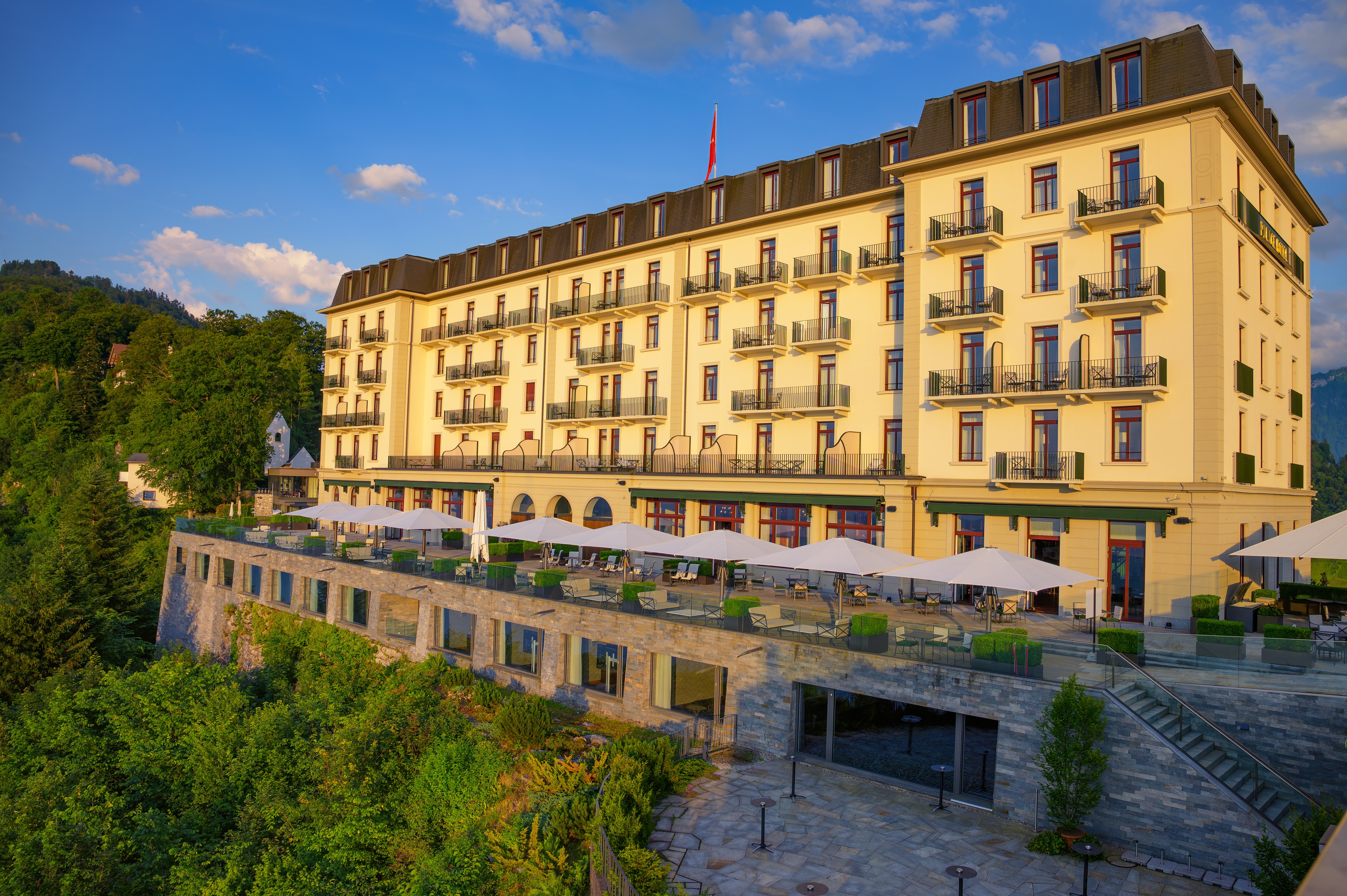
Planned talks in Switzerland between the United States and Iran to discuss the technical terms of their ceasefire deal have been postponed.
The Swiss Foreign Ministry confirmed early on Friday that the talks, which were scheduled to take place in Burgenstock, would not go ahead. The postponement has raised fears that the ceasefire deal signed by the US and Iran earlier this week could already unwind.
Recommended Stories
list of 4 items- list 1 of 4Southern Lebanon residents doubt US-Iran agreement will bring lasting calm
- list 2 of 4Pakistan signs US-Iran MoU
- list 3 of 4US military says it has lifted naval blockade of Iranian ports
- list 4 of 4MoU’s $300bn Iran reconstruction fund becomes US political flashpoint
Reports suggest that Iran has delayed sending its delegation to discuss the technical issues linked to the memorandum of understanding (MoU) on a ceasefire – digitally signed by the two countries on Wednesday – due to Israel’s ongoing military campaign in Lebanon.
Israeli attacks overnight and into Friday have reportedly killed at least 18 people in southern Lebanon, with Iran-linked Hezbollah reporting intense fighting.
Bullish response
Iran, which has recently sensed Trump’s enthusiasm to agree an end to a war increasingly unpopular in the US, has responded bullishly, declaring that Tehran had reservations even while nodding to the plan.
Its chief negotiator, Mohammad Bagher Ghalibaf, said on Friday that any talks would remain bound by Tehran’s “red lines”. A halt to Israel’s attacks on Lebanon was one of Tehran’s key demands in negotiations.
“If the enemy seeks to be excessive, we have proven that our fingers are on the trigger and we have no hesitation in giving a crushing response to the enemy,” Ghalibaf said, according to the official IRNA news agency.
Concern over the stability of the deal saw mediators, including Pakistan, Saudi Arabia and Turkiye, agree to gather for talks in the Egyptian city of Alamein on Sunday, Cairo and Islamabad said.
Despite Tehran’s strong words, Iran announced later on Friday it would waive planned fees to use the Strait of Hormuz during the 60-day negotiation period designated under the MoU.
The Persian Gulf Strait Authority (PGSA) said that ships seeking passage through the strategic strait while the interim agreement is in force would be free to do so should they comply with requirements, including 48 hours notice and coordination of routes and transit times.
As long as needed
A ceremony followed by talks was expected to be held at the Burgenstock Resort in Stansstad, near Lucerne in central Switzerland.
It is owned by Katara Hospitality, part of Qatar’s sovereign wealth fund, which helped mediate peace in the conflict.
On Friday, in a message to the AFP news agency, the Swiss Foreign Ministry said: “The planned talks between the US, Iran, Qatar and Pakistan have been postponed.
“Switzerland remains ready to facilitate these talks. The relevant preparatory work at Burgenstock is continuing,” it added, without providing a new date for them.
The announcement followed a report from media outlet Al Mayadeen that Iran was delaying sending its delegation to Switzerland over Israel’s ongoing military campaign in Lebanon.
Israeli Prime Minister Benjamin Netanyahu said on Thursday that Israel’s military will stay in a “security zone” of southern Lebanon as long as “Israel’s security needs require it”.
Israel and Hezbollah are not parties to the agreement, but Iran has insisted Israel must withdraw from the large swath of southern Lebanon it is occupying.
Deepening divide
The US push to quickly begin high-stakes talks with Iran hit a snag just two days after signing a 14-point memorandum of understanding, which sets out a framework for talks during a 60-day negotiation period.
Vice President JD Vance had been prepared to make an overnight flight to meet with his Iranian counterparts at the mountainside resort in the tiny Swiss village of Obburgen.
His staff and a small group of journalists had even gathered at Joint Base Andrews outside Washington in anticipation of the trip.
Meanwhile, dozens of White House officials, advance staff and media gathered in Switzerland to prepare for Vance’s arrival.
But then, abruptly on Thursday evening, the trip was called off.
The White House issued a statement explaining that Vance – who has been tapped by President Donald Trump to lead the negotiations – and his delegation were prepared for talks, but they were unable to finalise plans and the vice president would remain in Washington.
“The logistics of these negotiations have never been simple or predictable,” the statement noted.
Israel’s refusal to halt its hostilities in Lebanon has deepened growing anger in the White House due to the risk it carries for the ceasefire with Iran.
Following outspoken comments from hardline Israeli ministers insisting that the military will not be bound by the US-Iran agreement, Vance hit out on Thursday evening, before Friday’s talks in Switzerland were postponed.
“If I were in the cabinet of the Israeli government, I might not be attacking the only powerful ally that I have anywhere left in the entire world,” he said.
