Trump, a year in review
A look back at the first year of Donald Trump's return to the White House, in images and stories
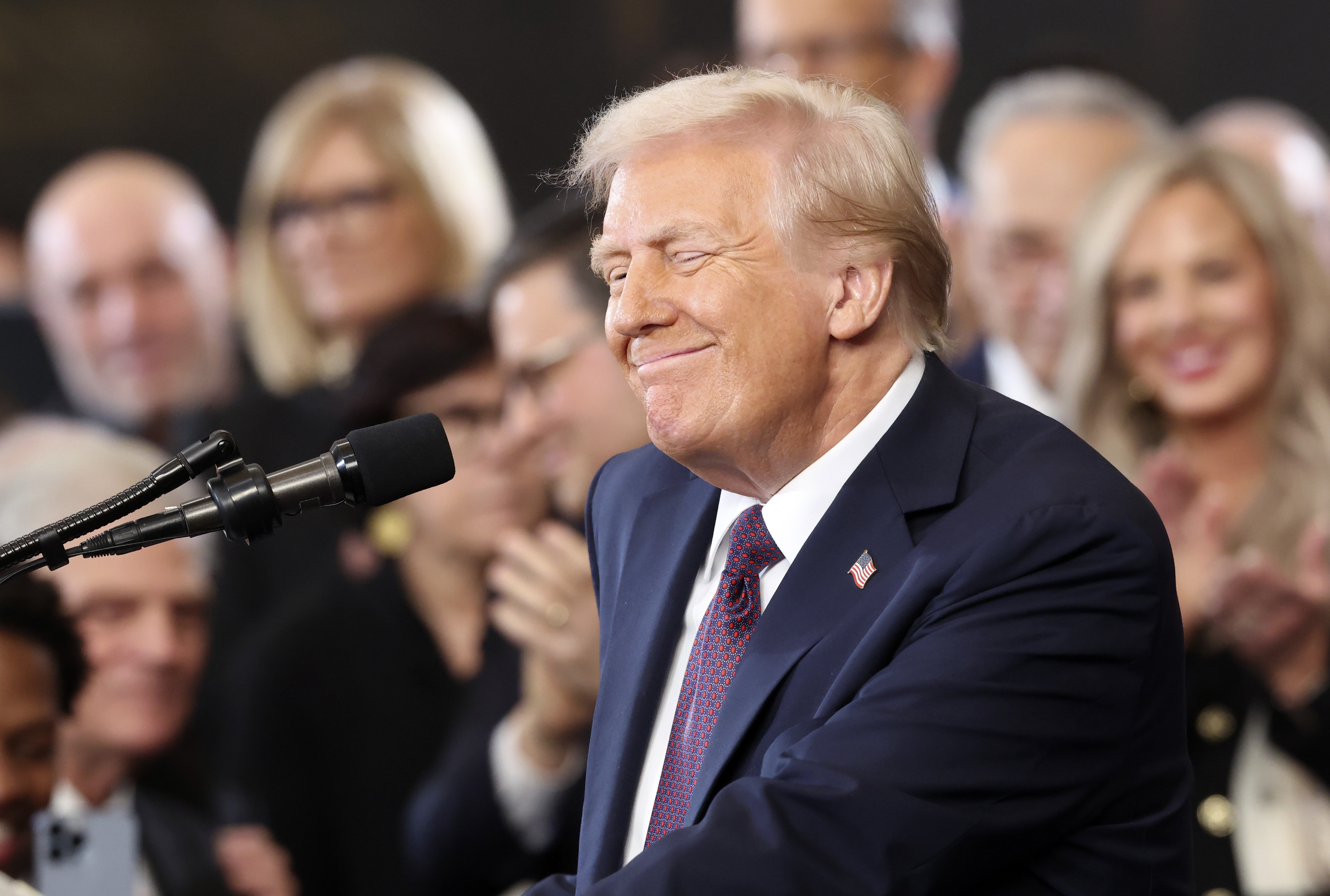

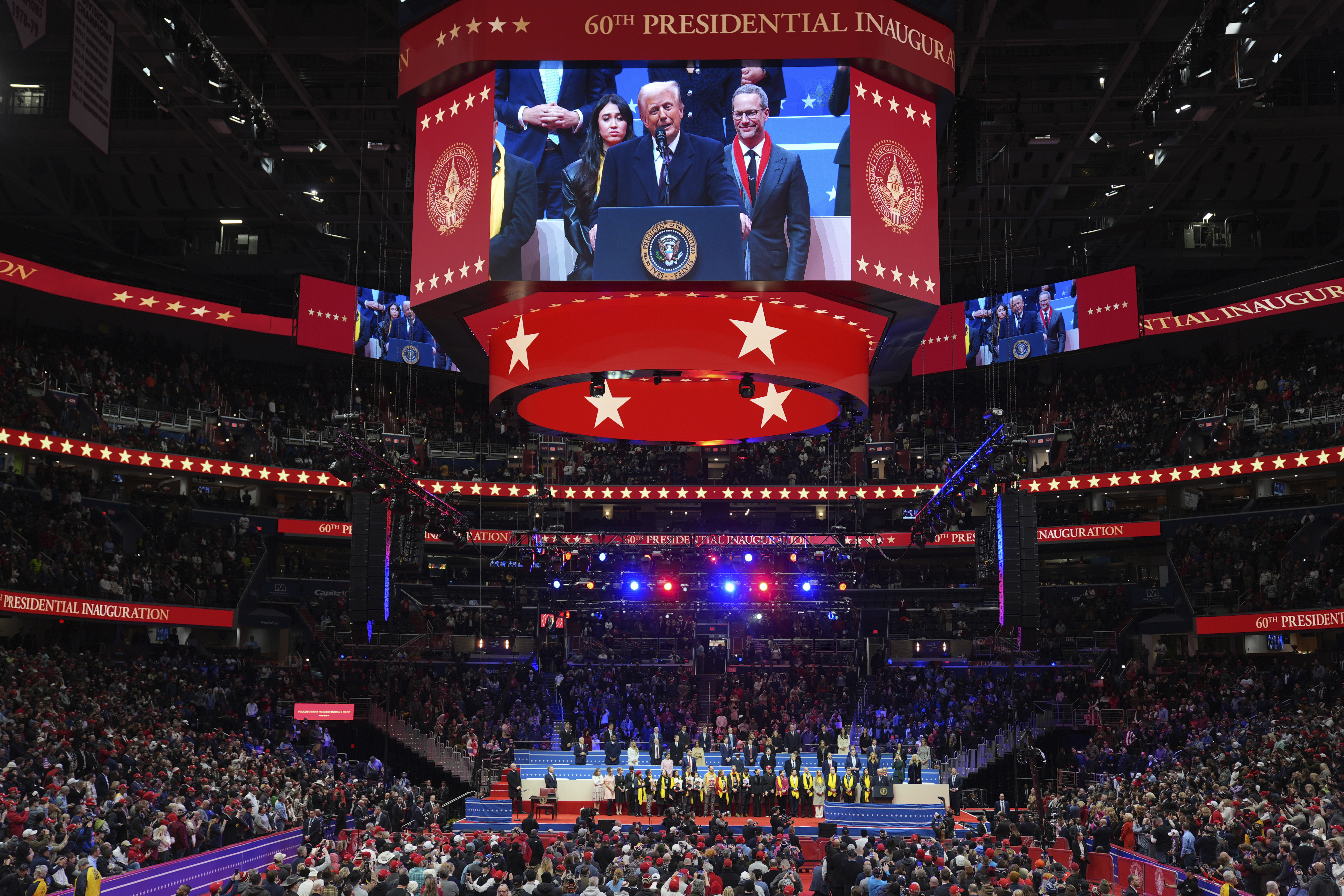
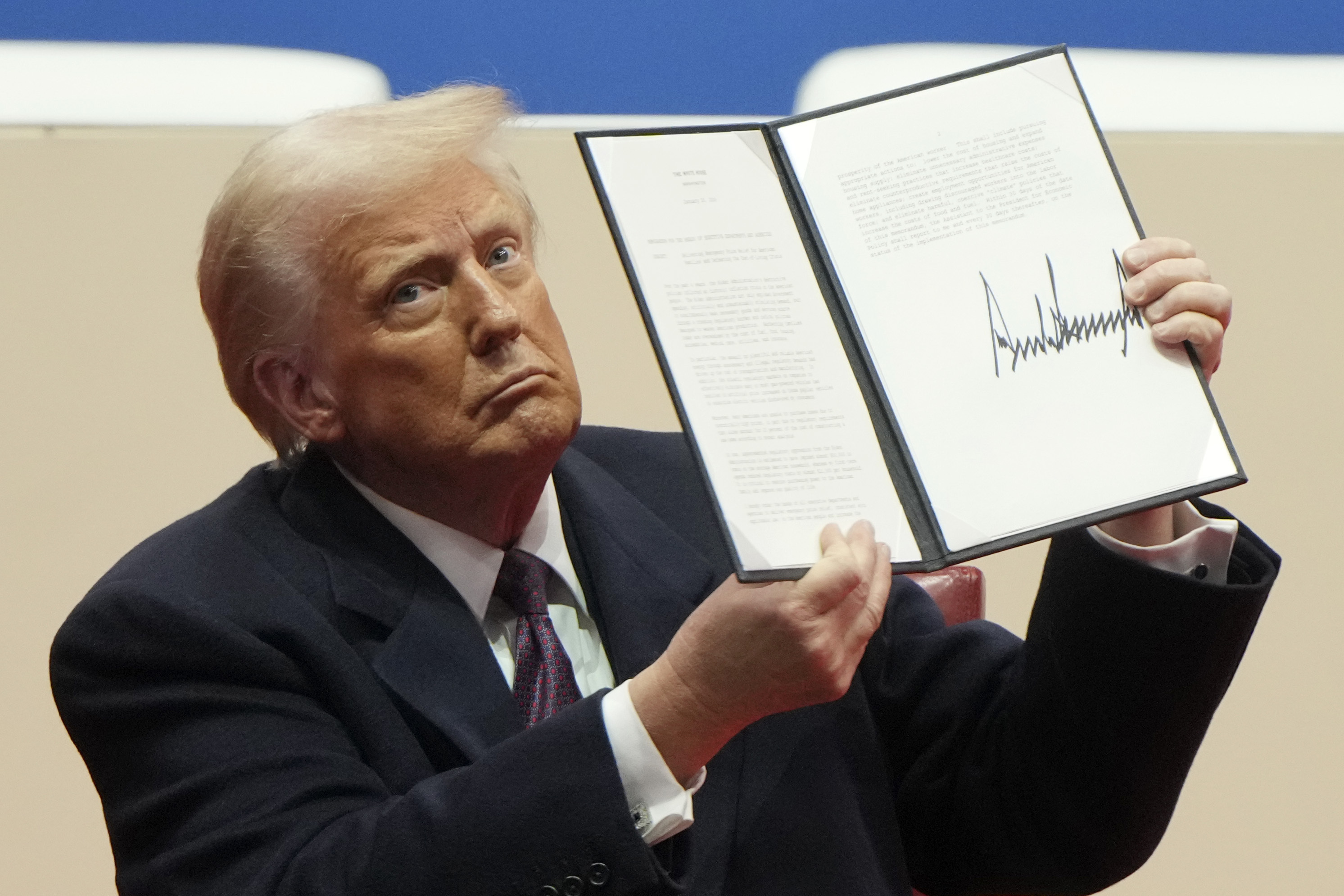
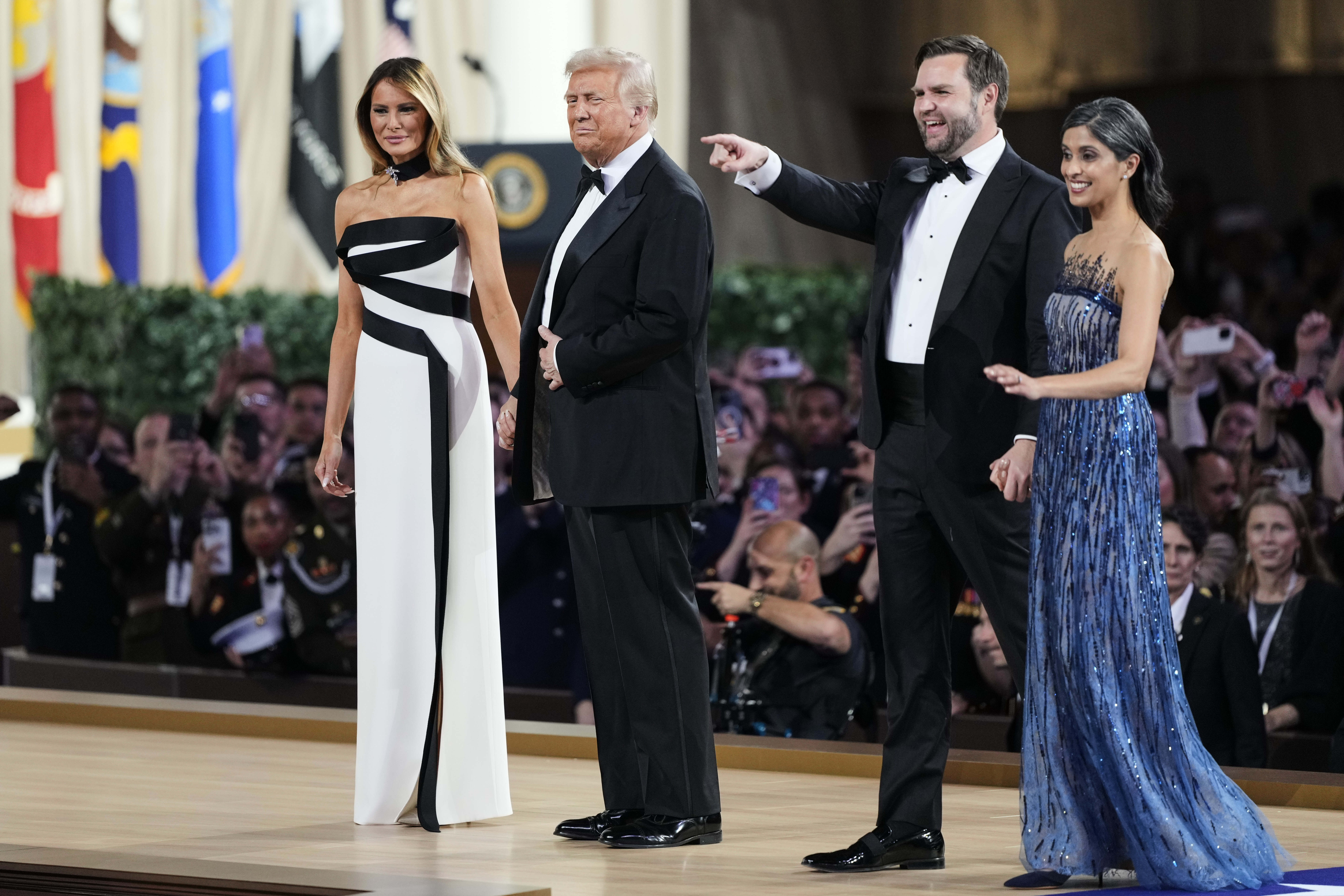
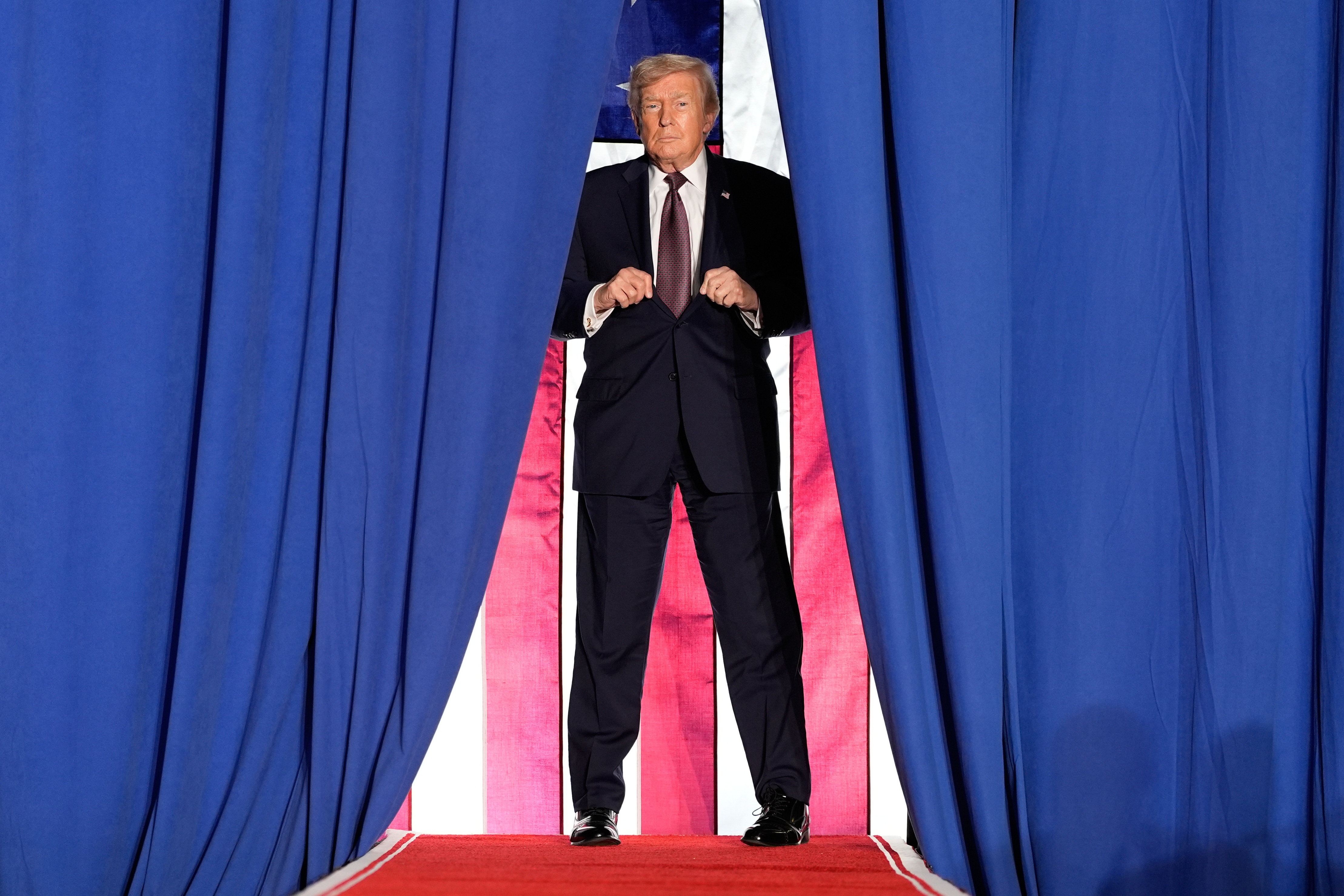
On January 20, 2025, Donald Trump announced that, during his second term as president, the United States would enter a new "golden age".
A year has passed since he made that pledge on the podium of his inauguration ceremony. And, as his speech foretold, "a tide of change" has indeed swept the country.
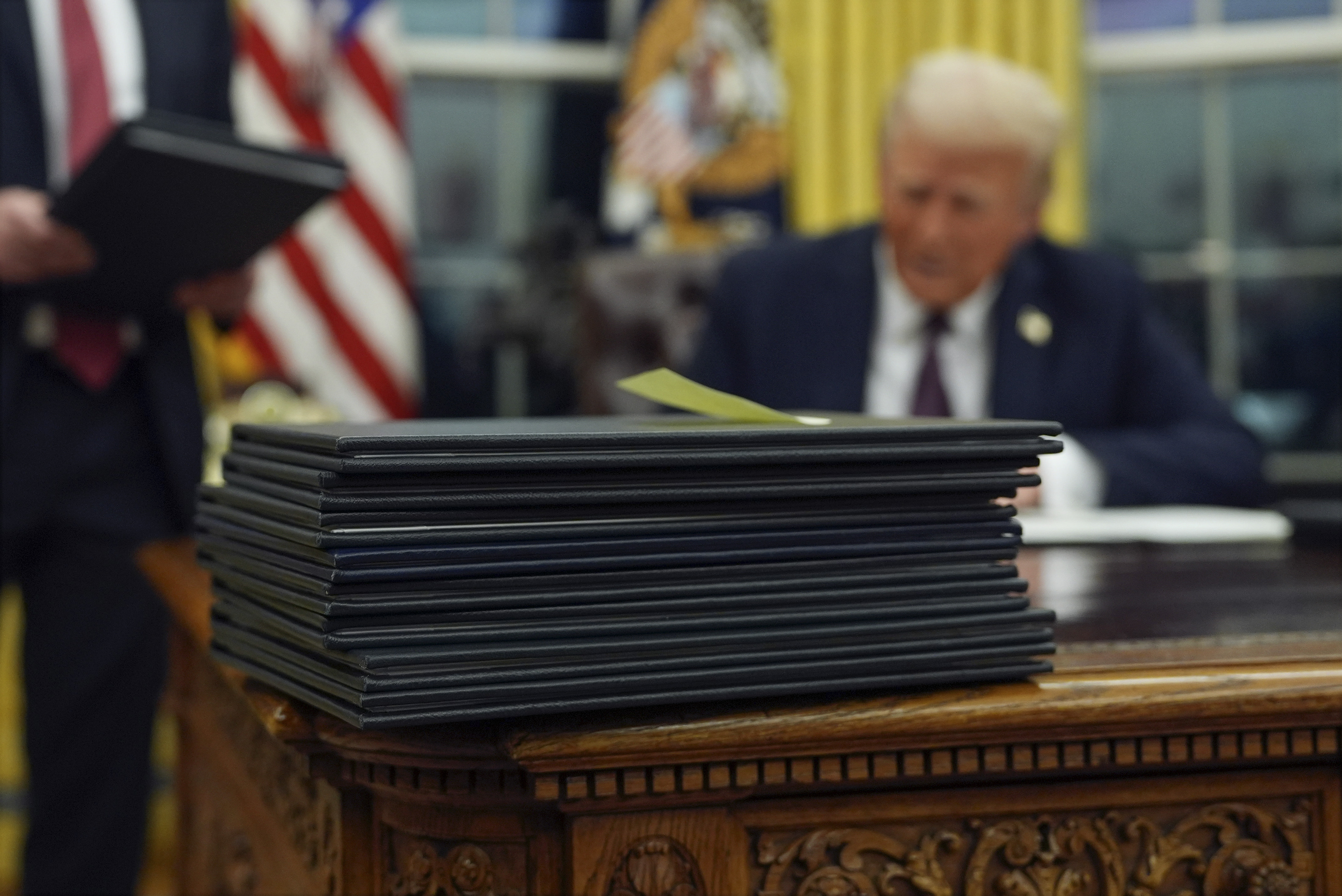
Since returning to office, Trump has signed 228 executive orders, issued more than 1,740 acts of clemency, and authorised attacks in seven foreign countries, including Iraq, Iran, Nigeria, Somalia, Yemen, Syria and Venezuela.
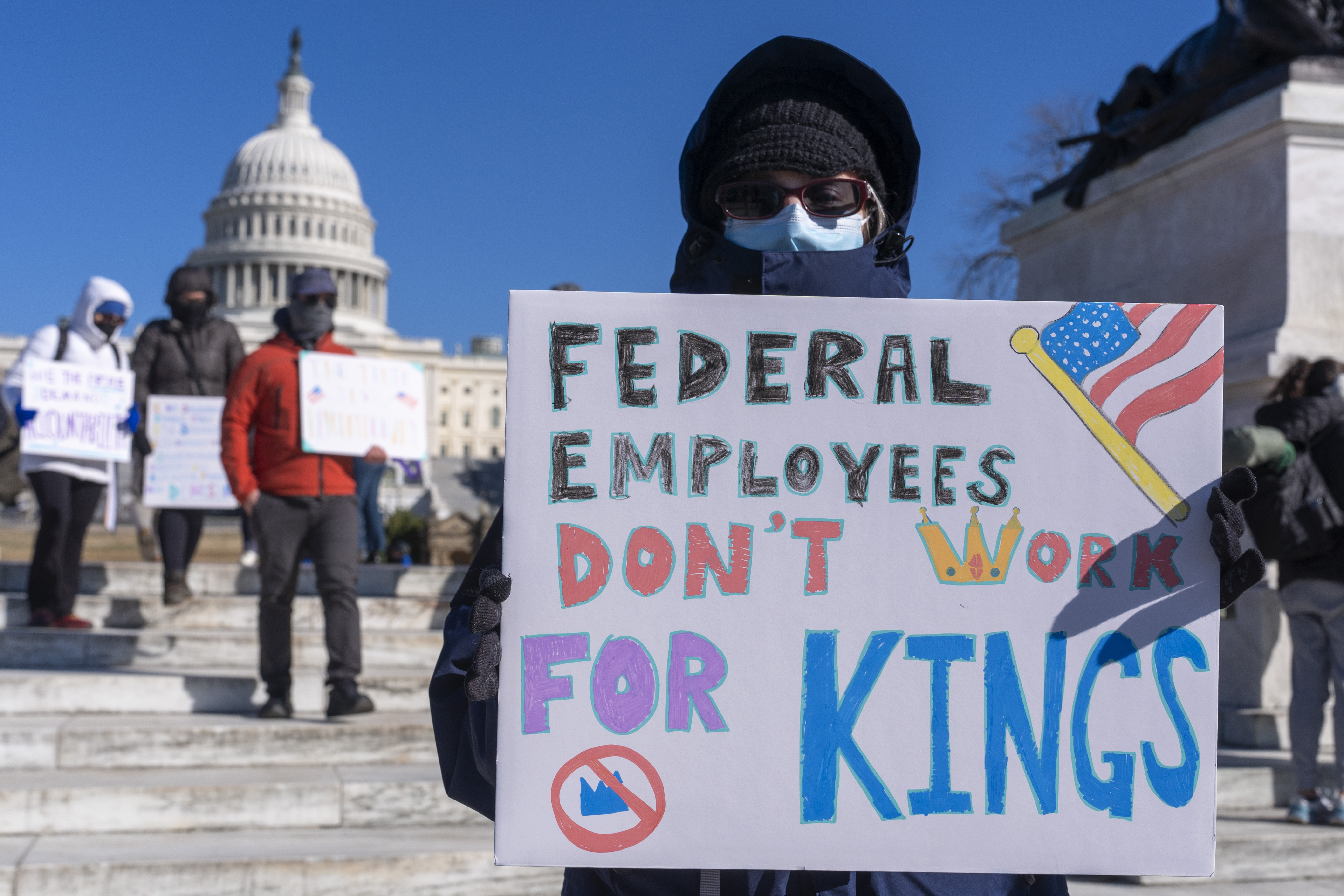
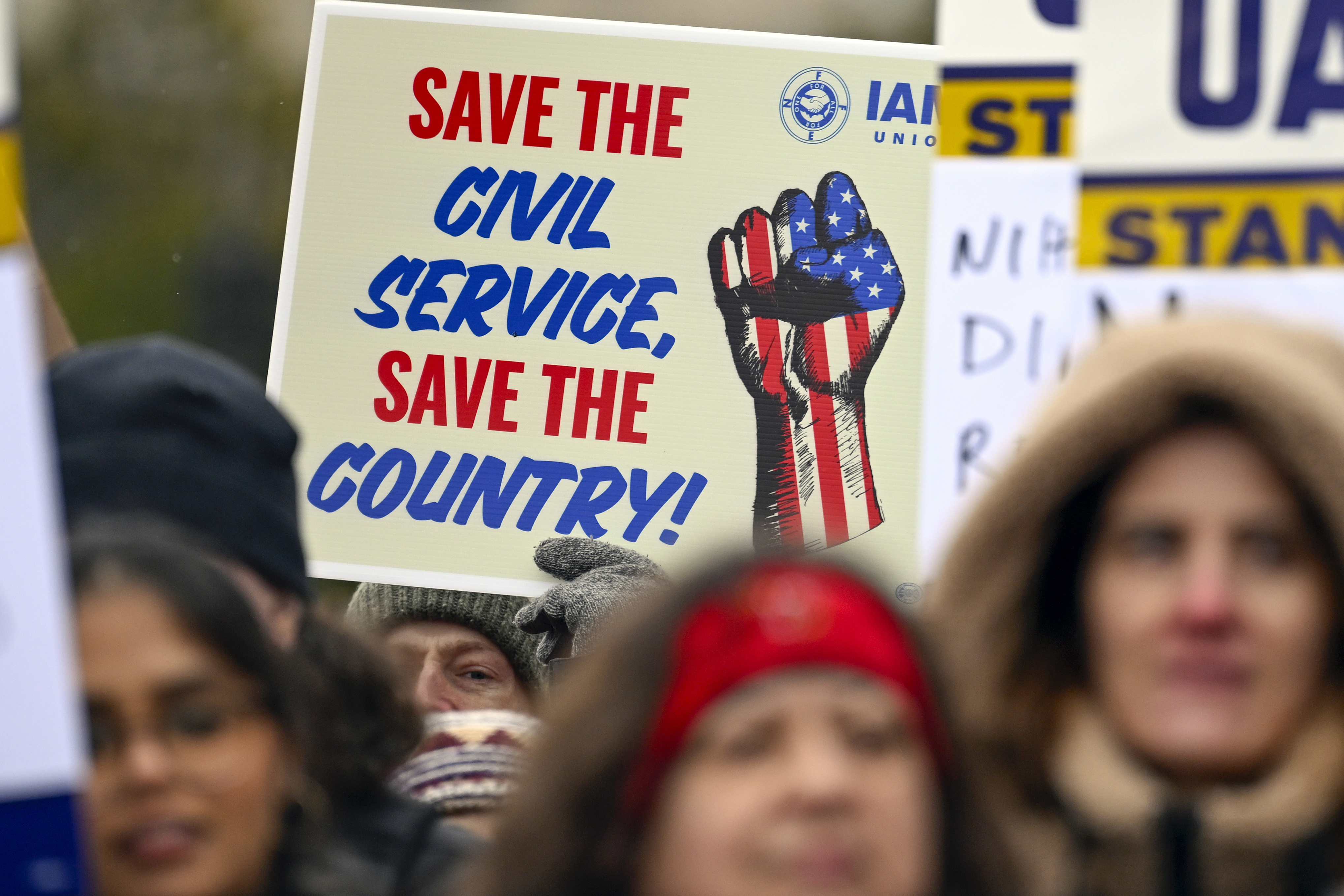
His administration has also touted the departure of at least 317,000 federal employees over the past year, as Trump seeks to tailor a "smaller, more efficient federal government".
Presidential historians warn that the consequences of so many dramatic changes, taken at lightning speed, may not be felt for years.
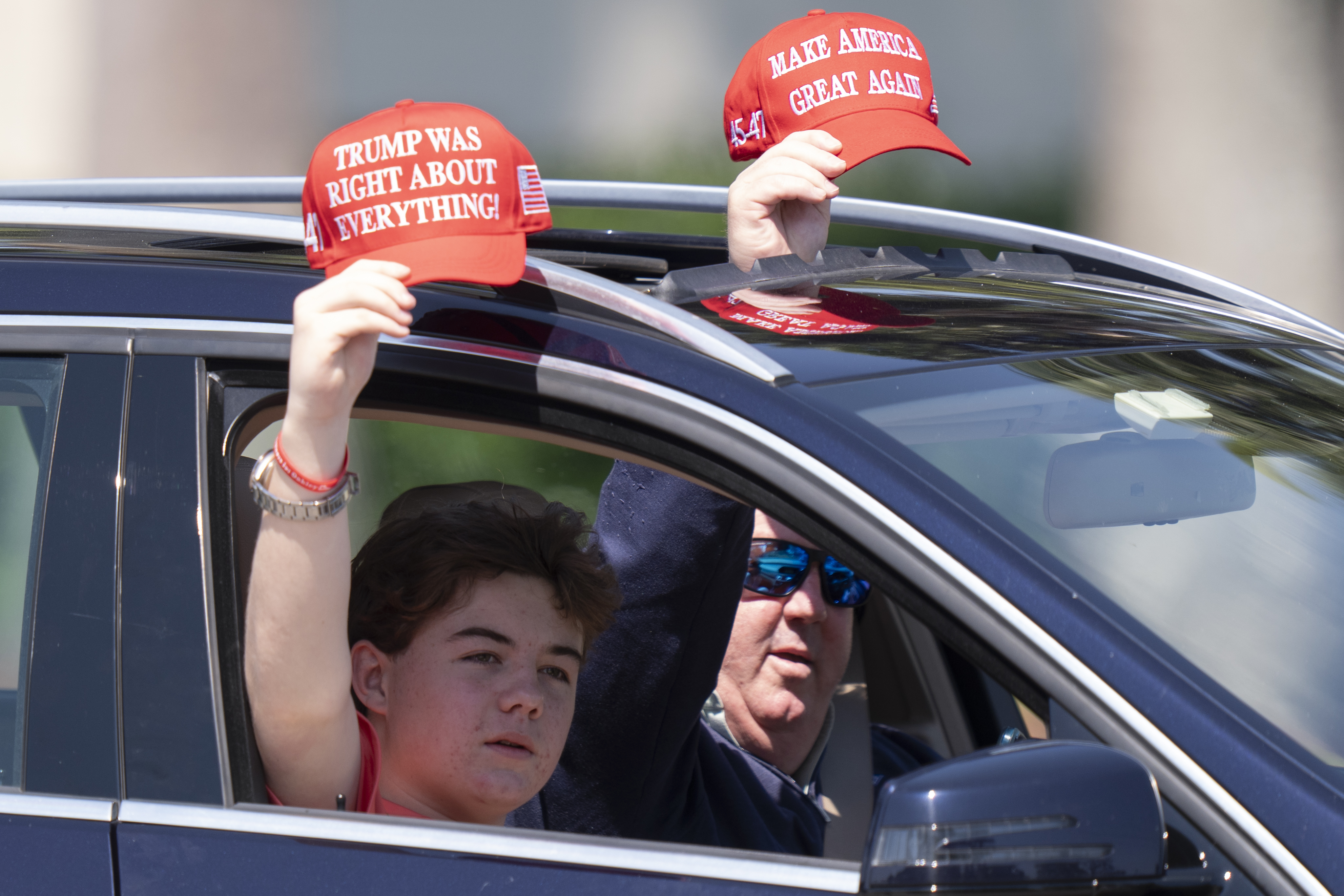
Nor will they necessarily guarantee the preeminence that Trump promises with his slogan, "Make America Great Again".
"This will be considered one of the most consequential presidencies in the history of our country," said historian Mark Updegrove, the president of the LBJ Foundation.
"But there's a major caveat there, and that is: Just because a presidency is consequential does not mean that the president will achieve greatness in history. In this case, the two might be at opposite extremes."
Another historian, Russell Riley of the University of Virginia's Miller Center, warned of the "collateral damage" of so many changes.
"It is always hard to know when deploying the wrecking ball so quickly and extensively whether you are hitting load-bearing walls," Riley said.
"This includes concerns about the basic stability of a political system that has withstood many threats over 200 years, but few this acute."
Read on for an overview of how Trump has transformed the US over the past year, in words and pictures.



January 2025 at a glance
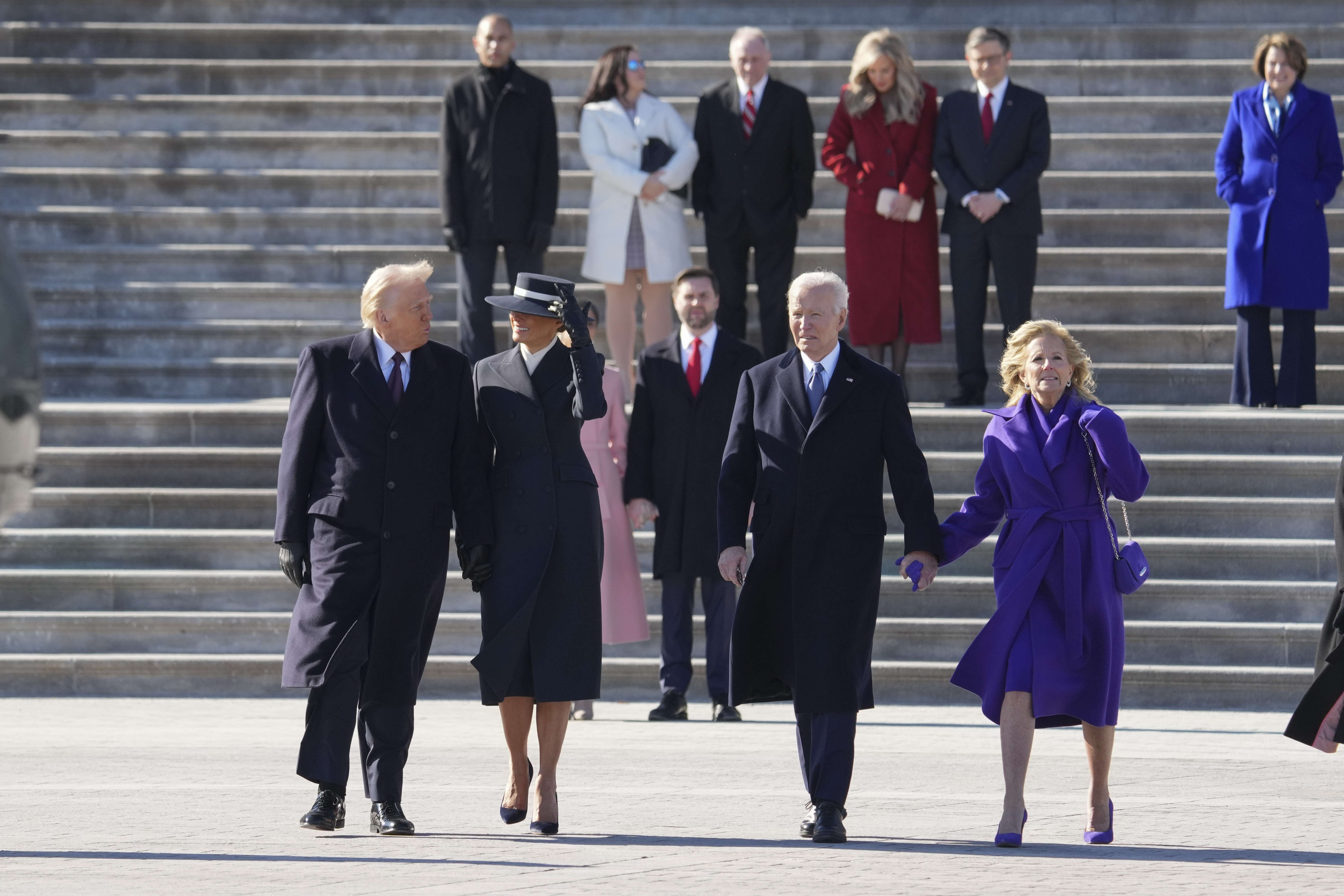
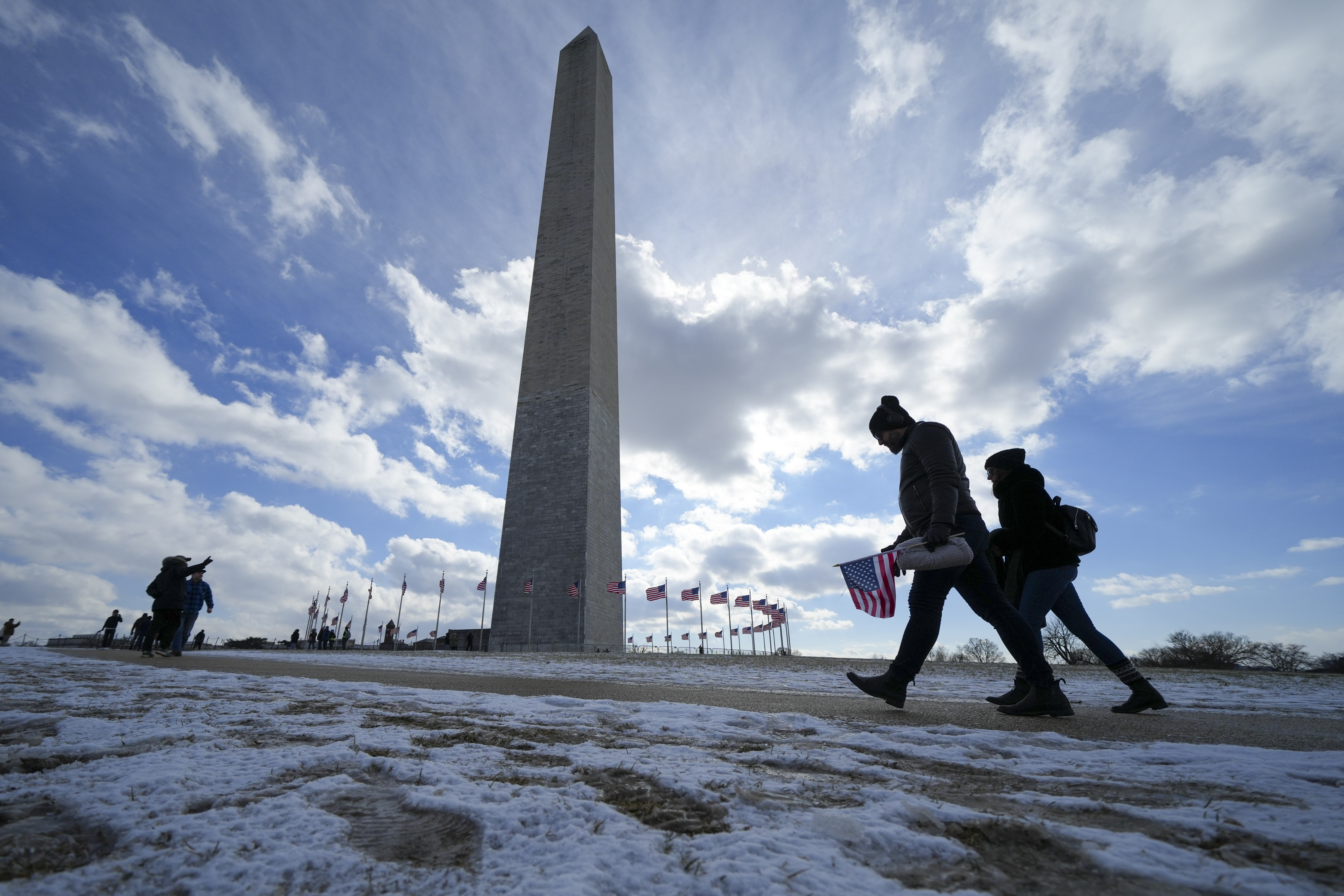
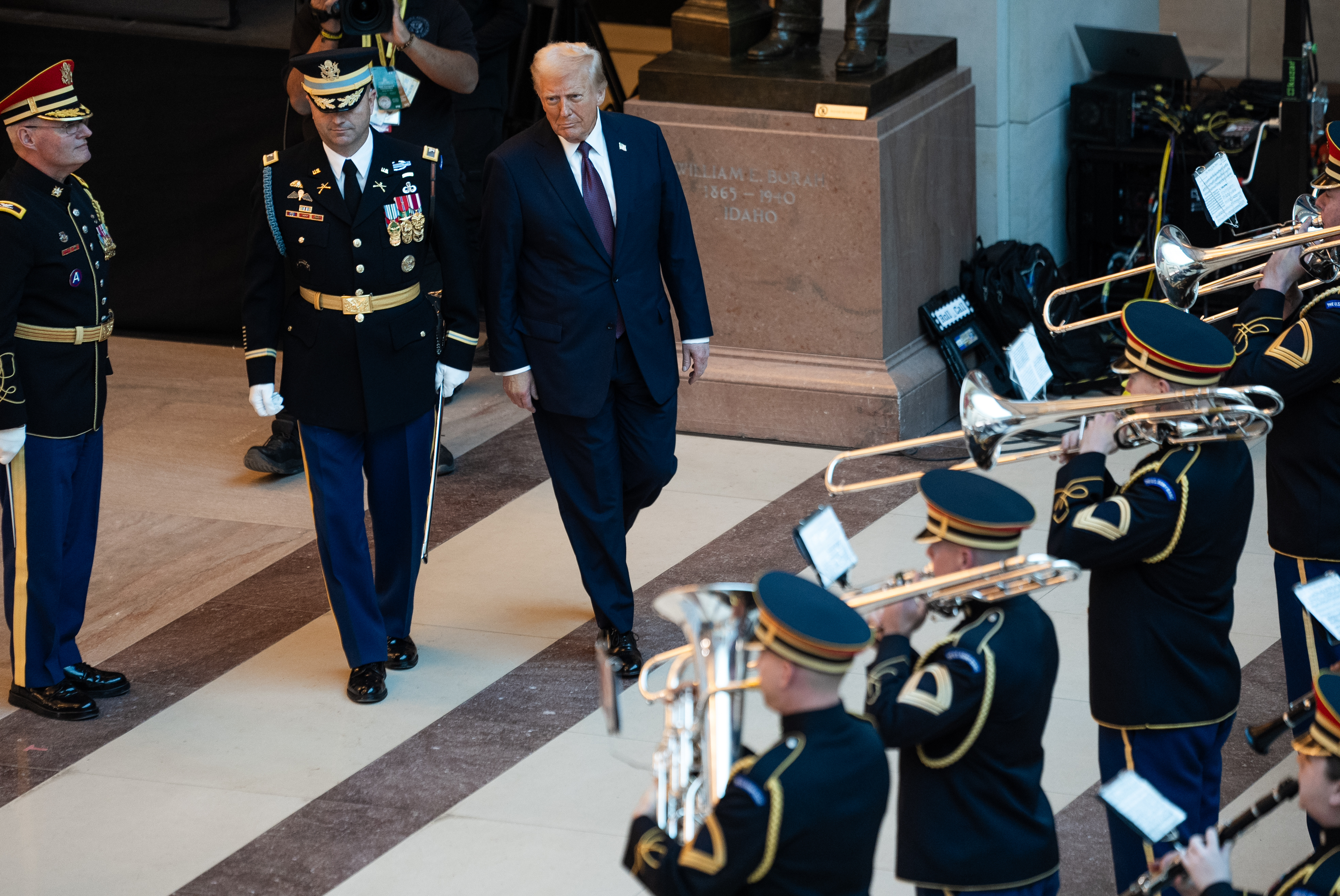
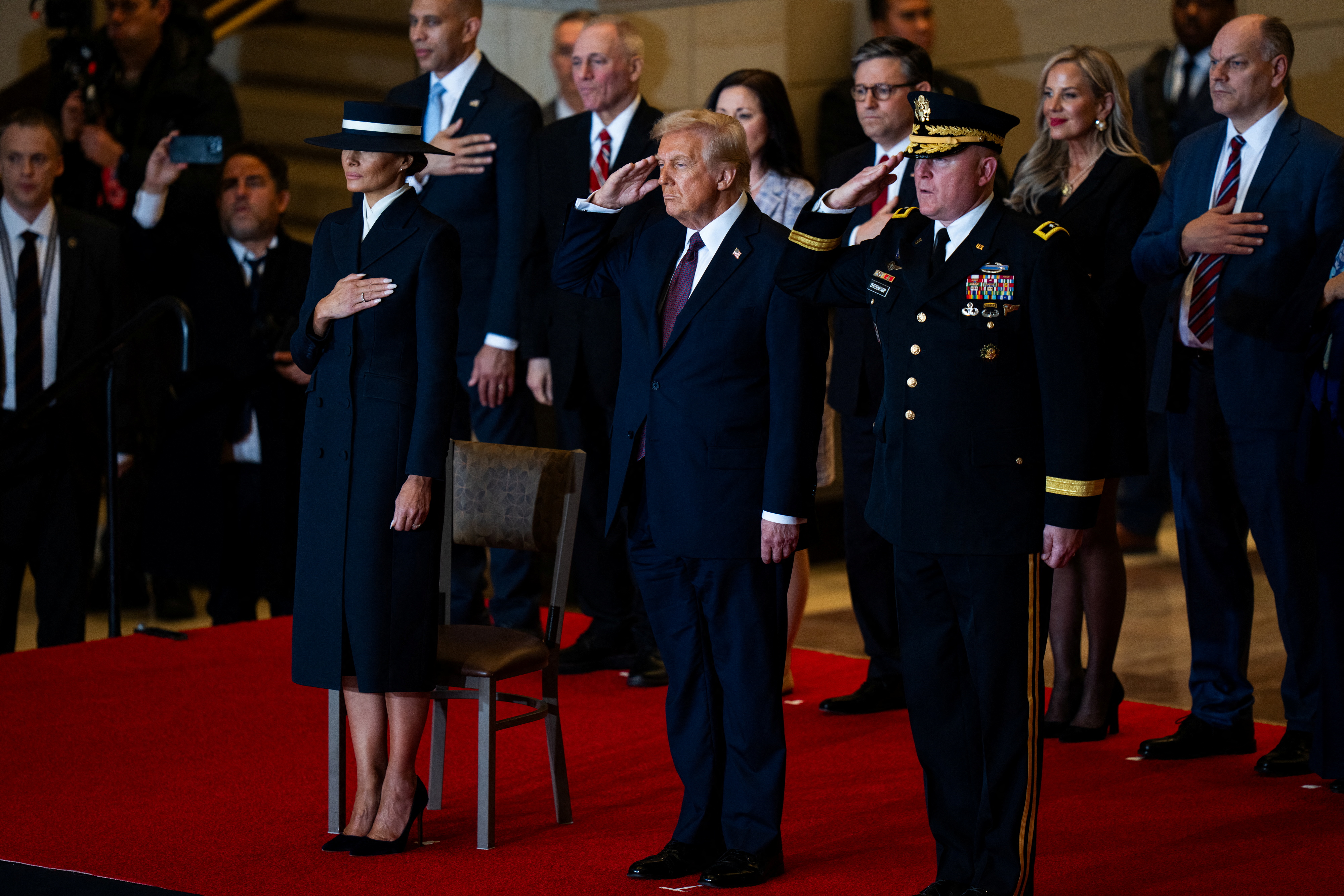
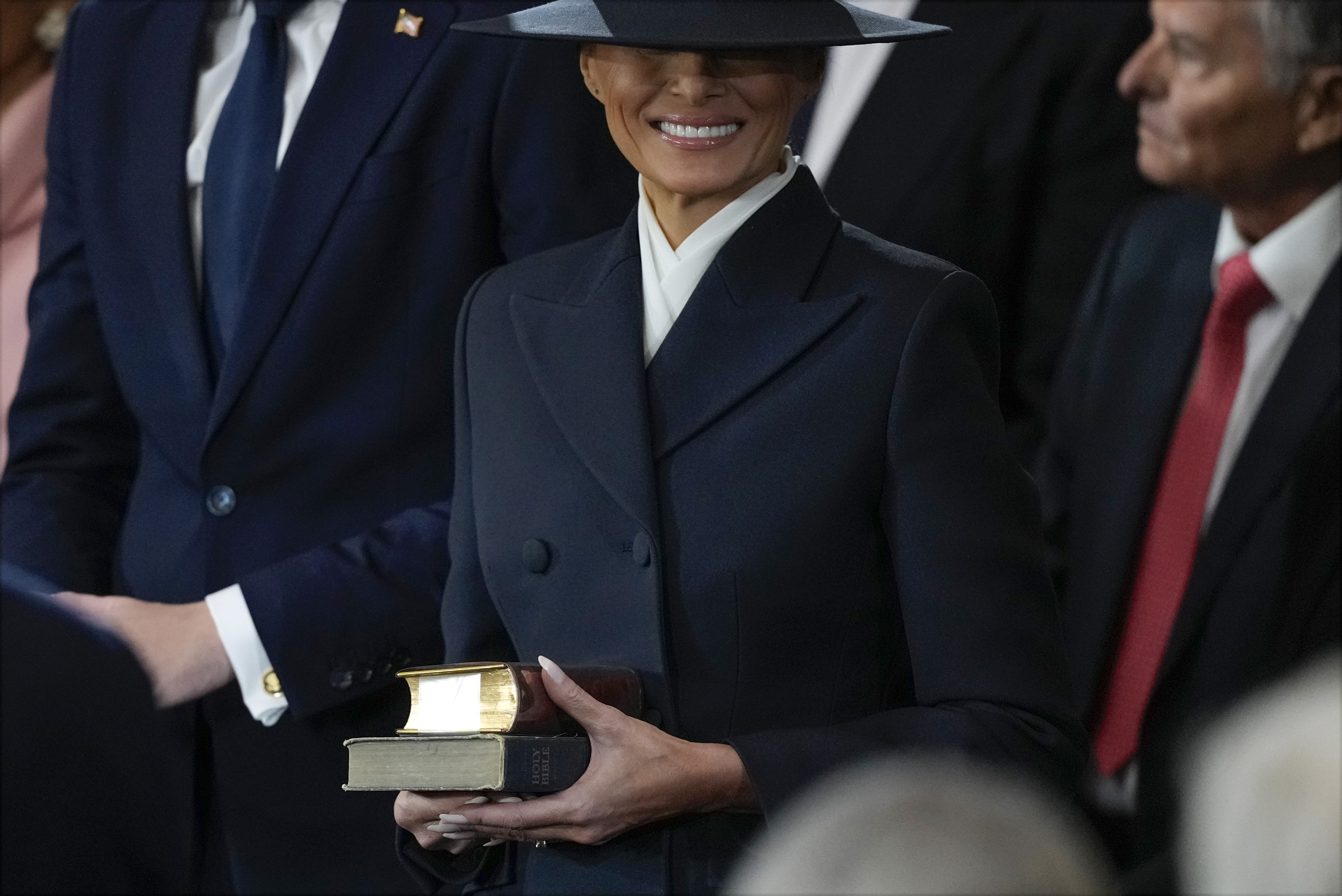
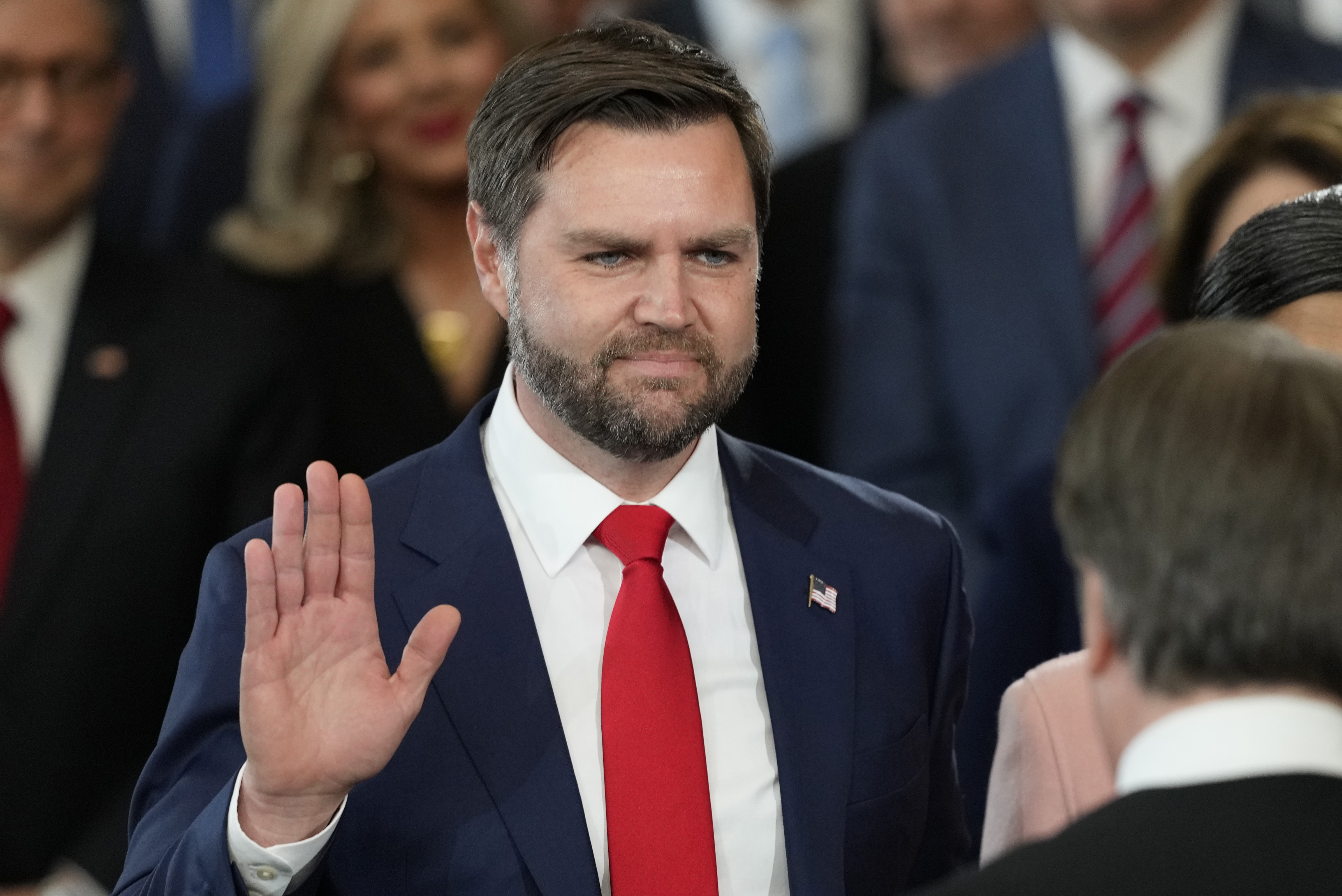
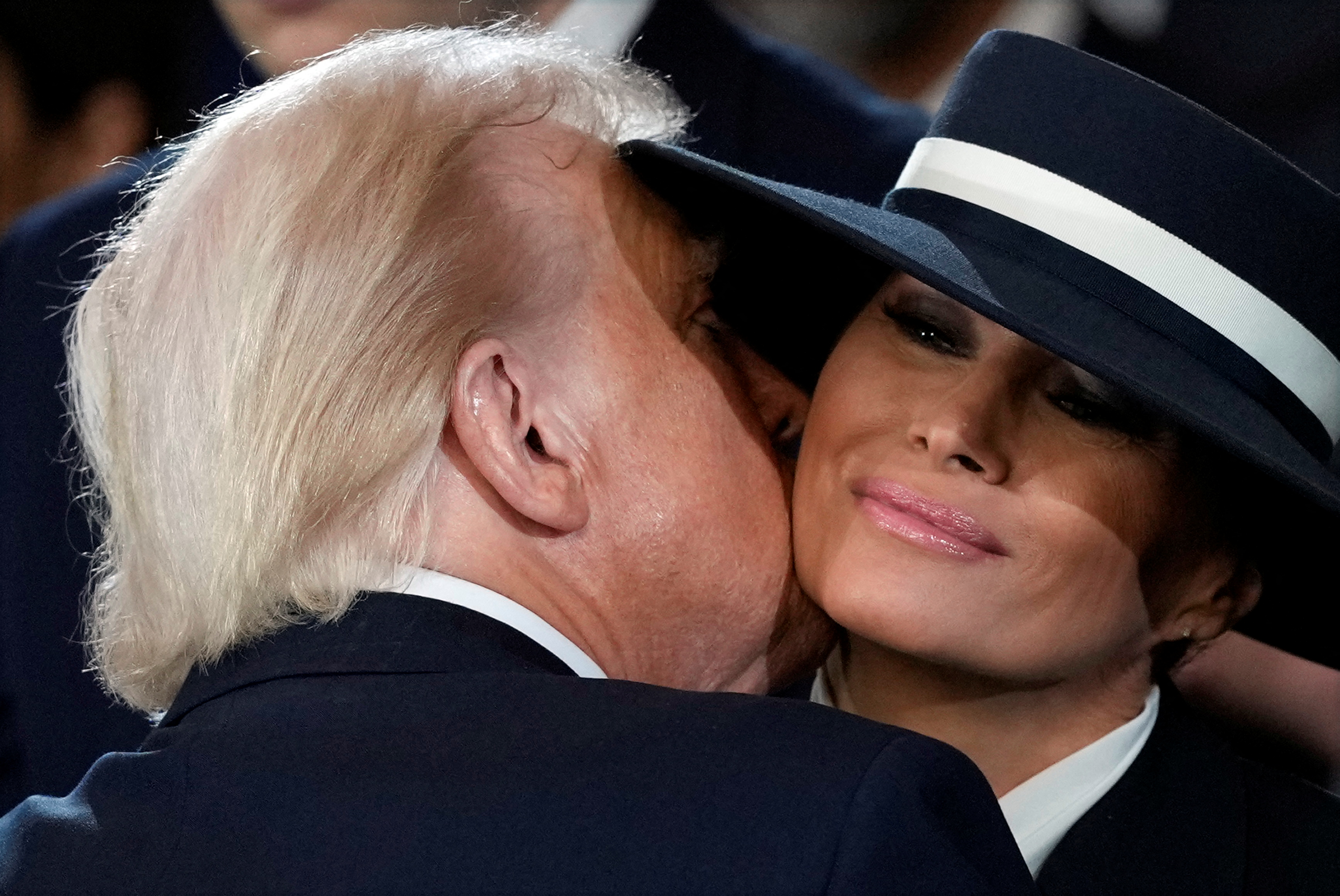
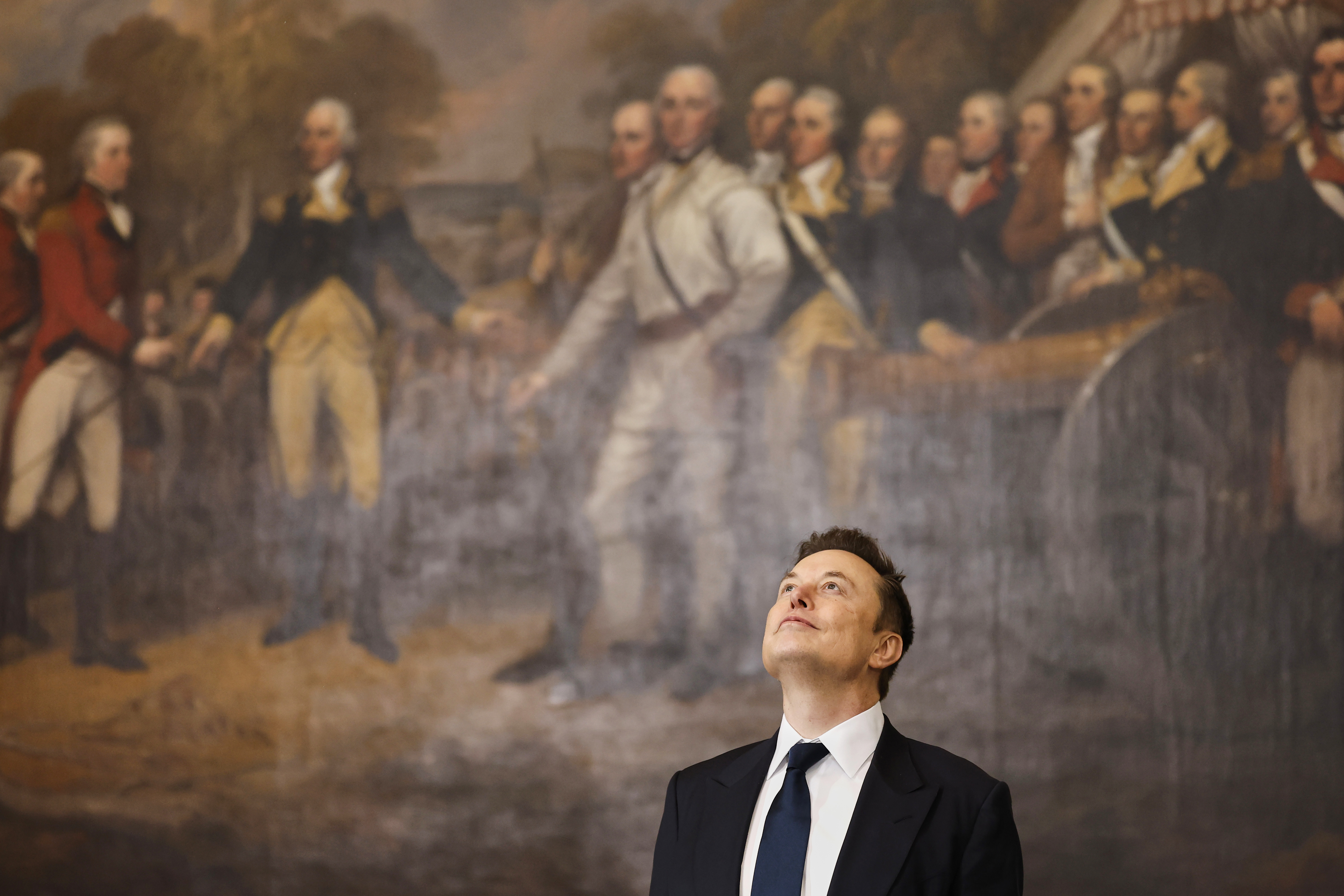
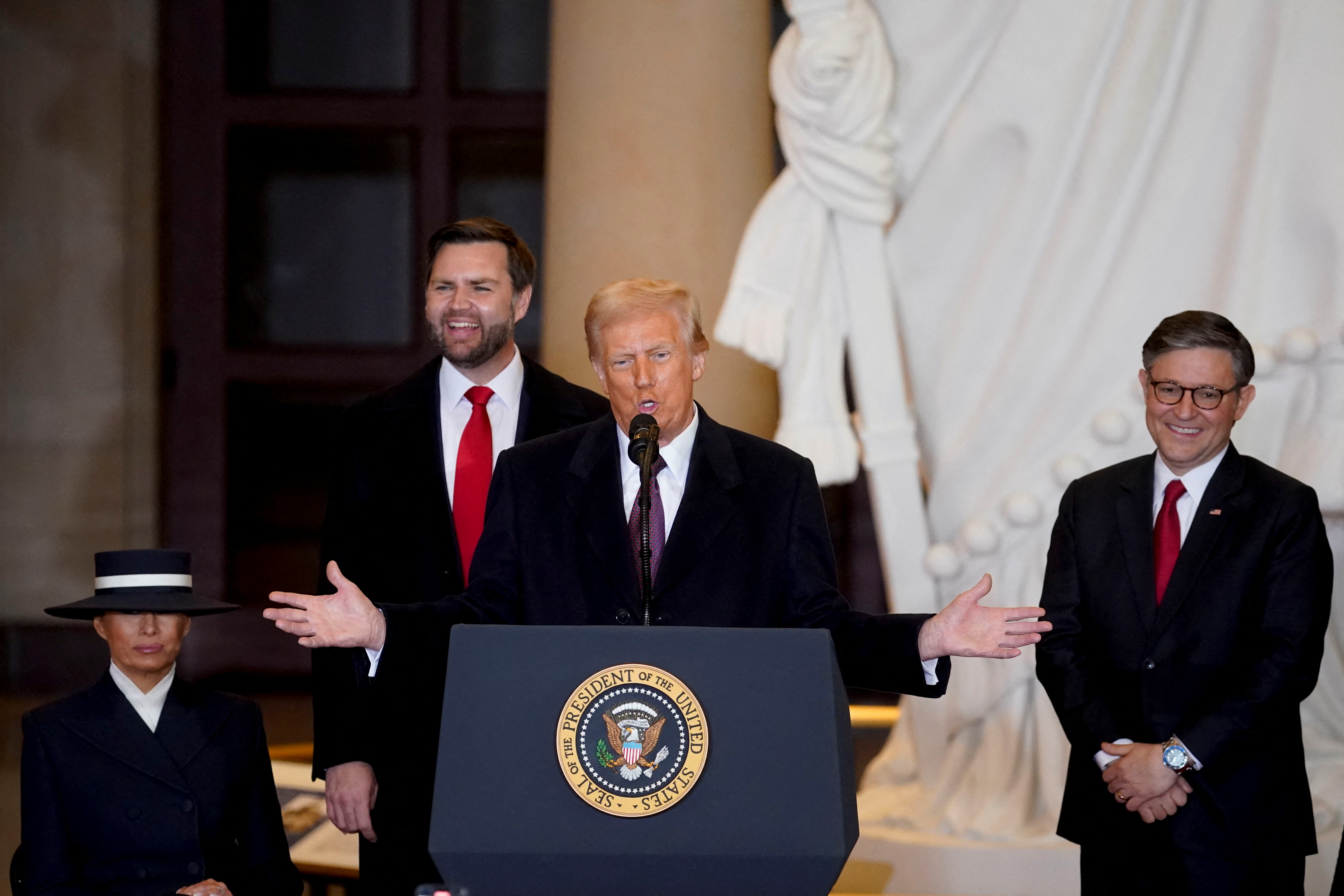
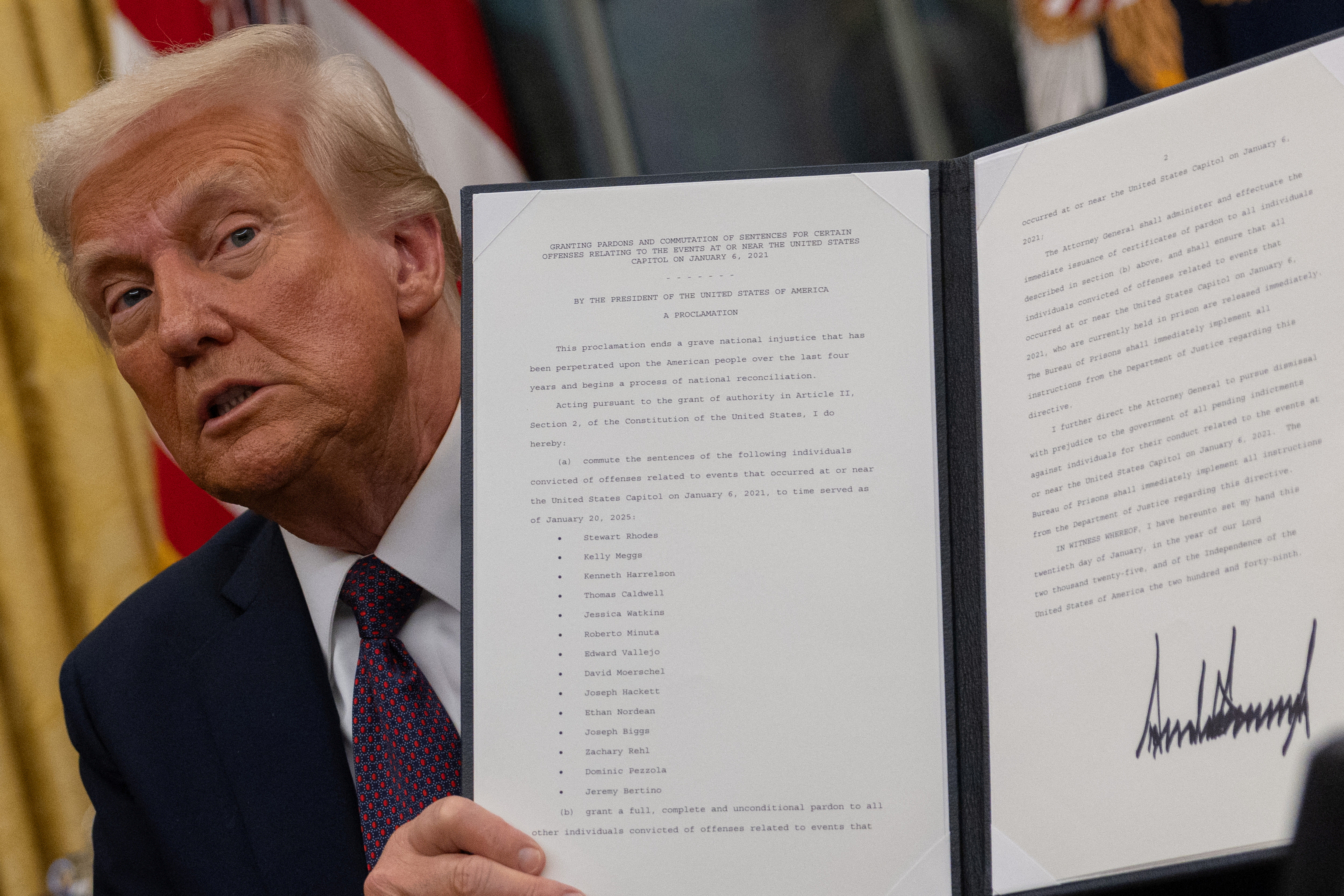
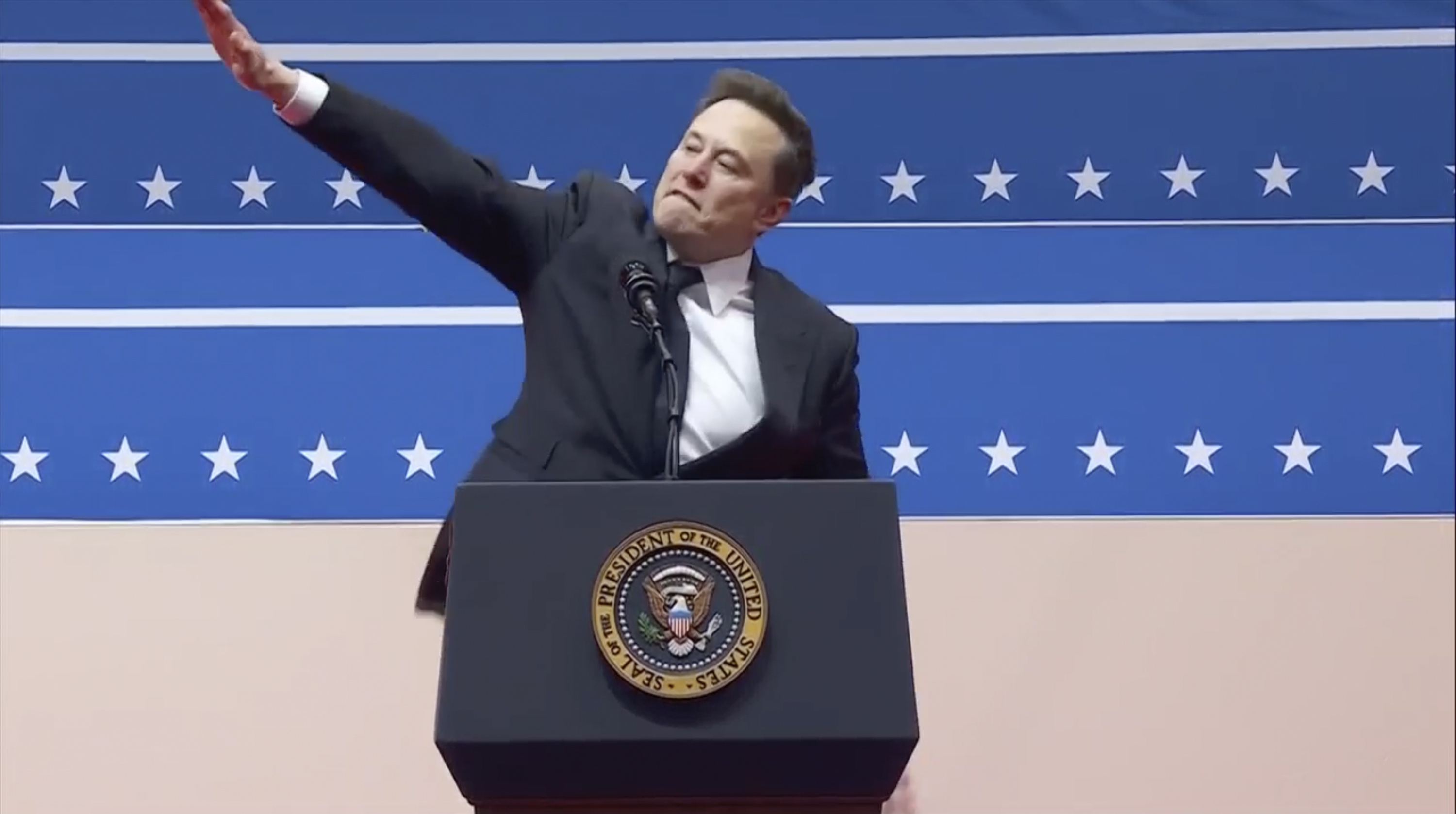
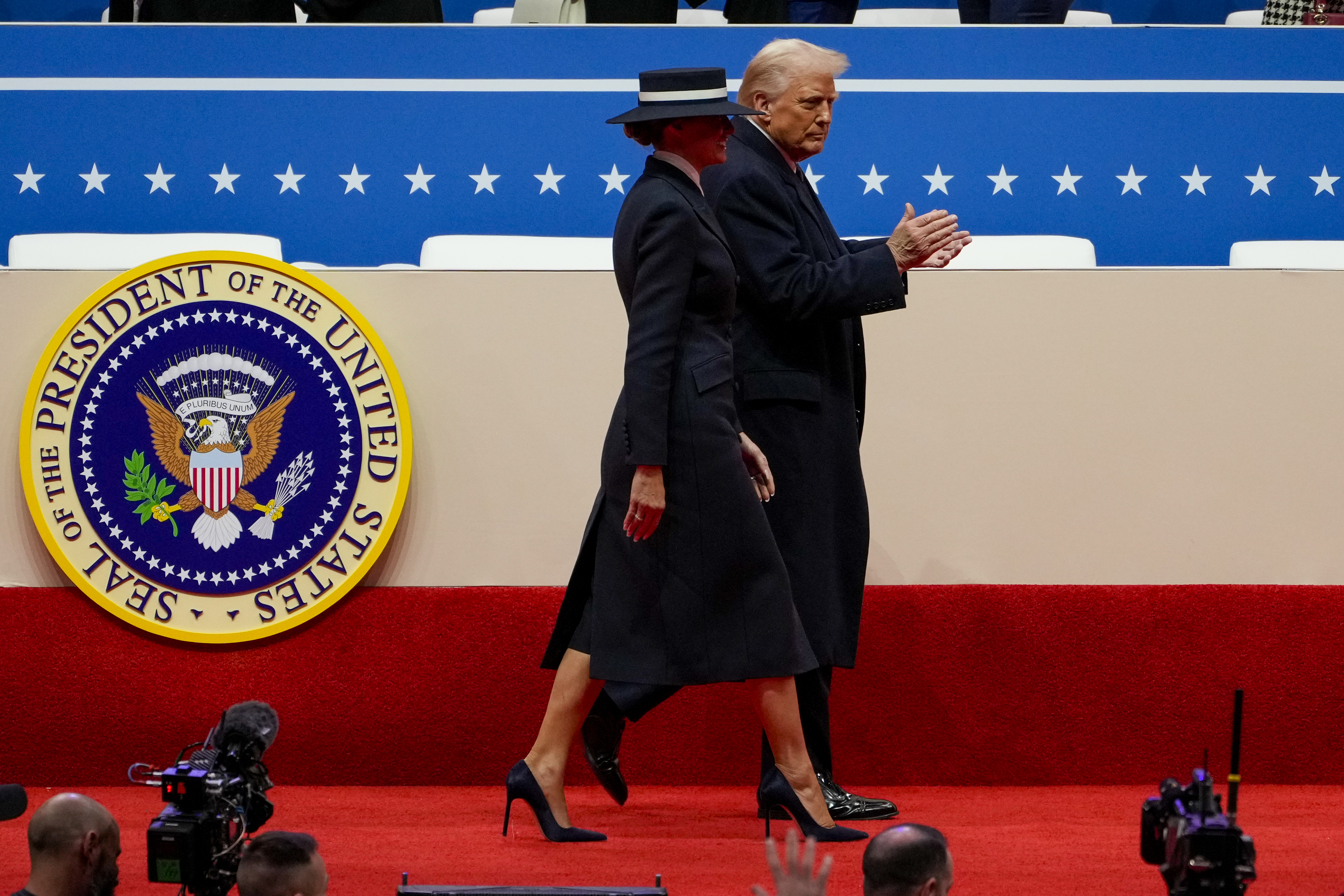
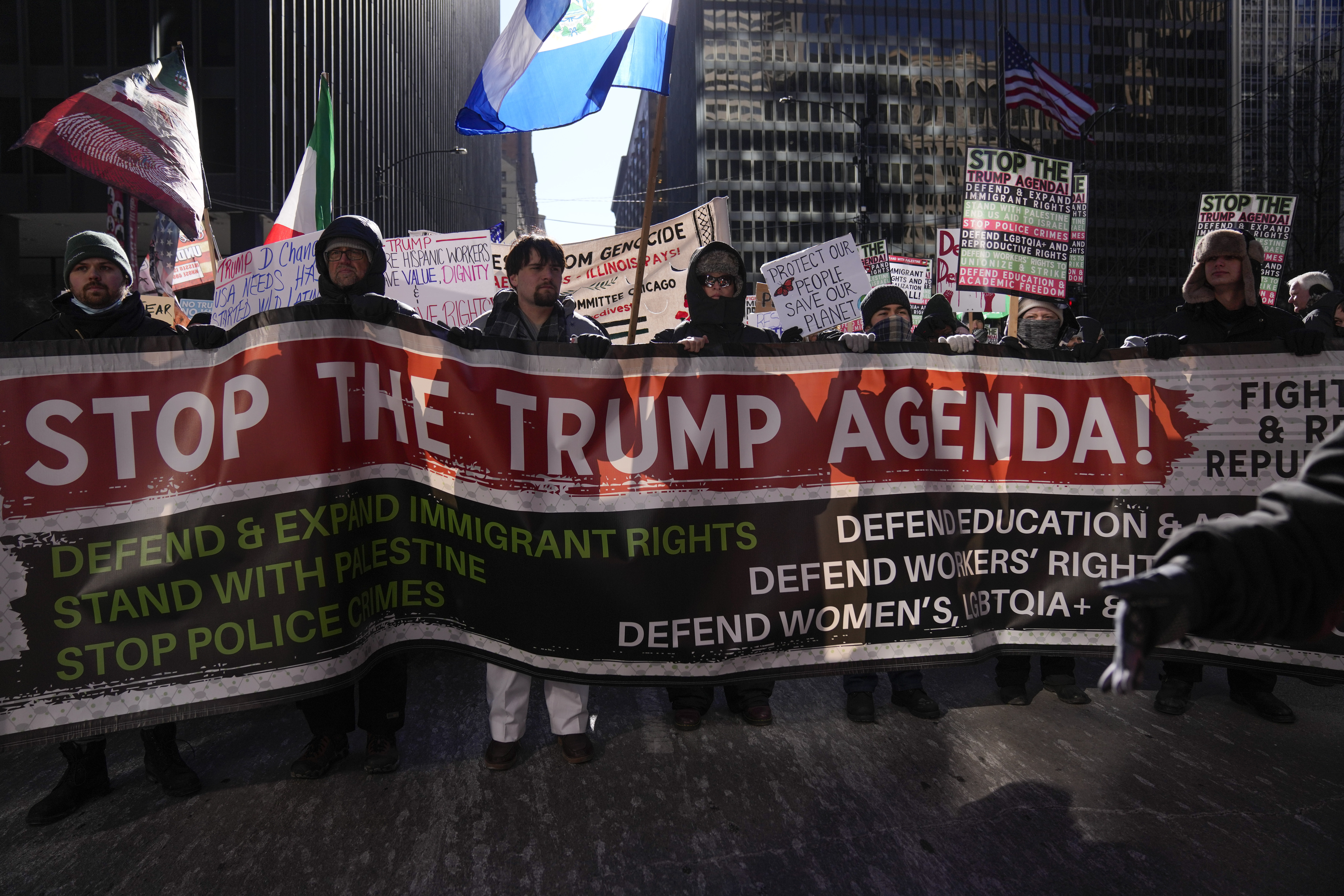
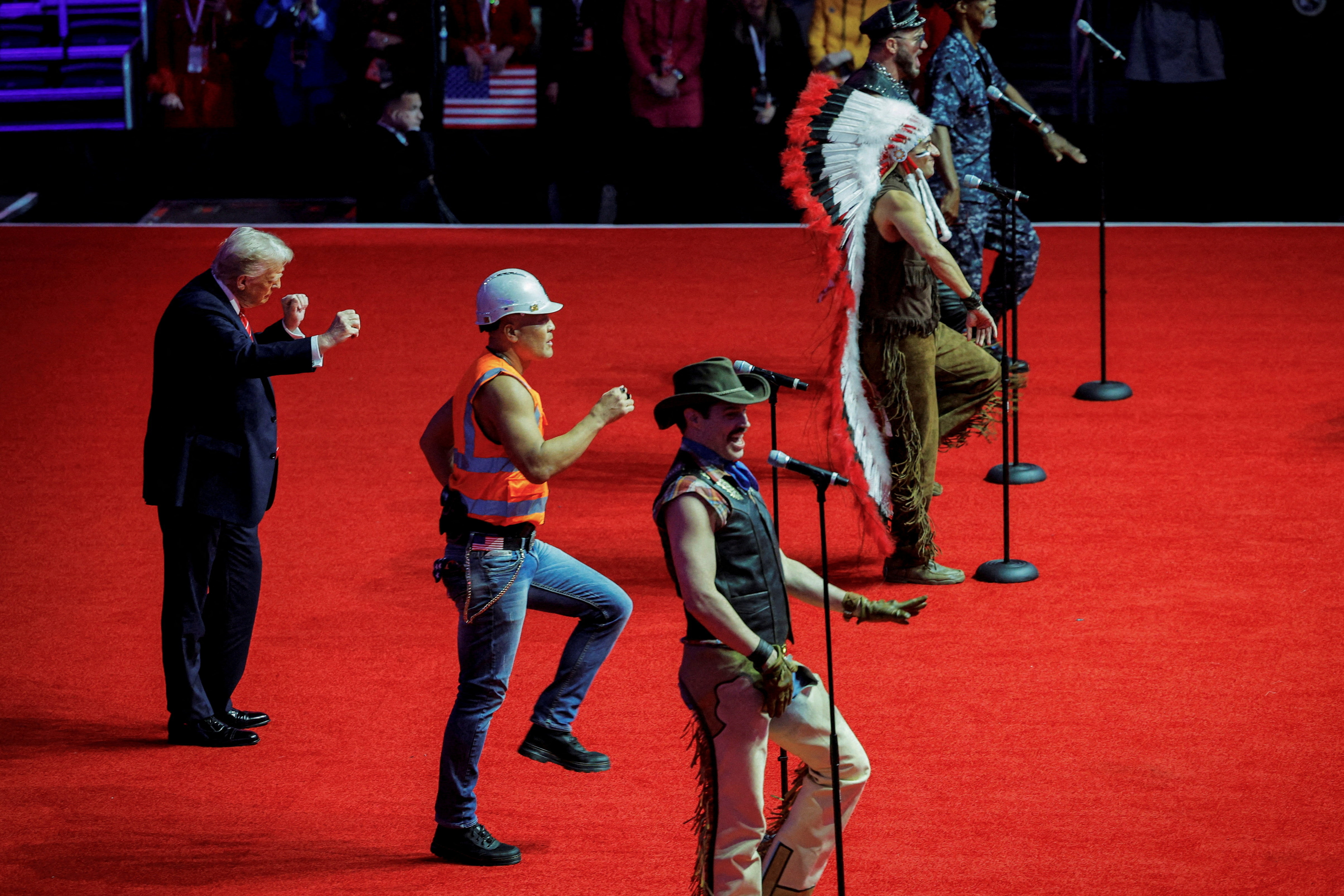
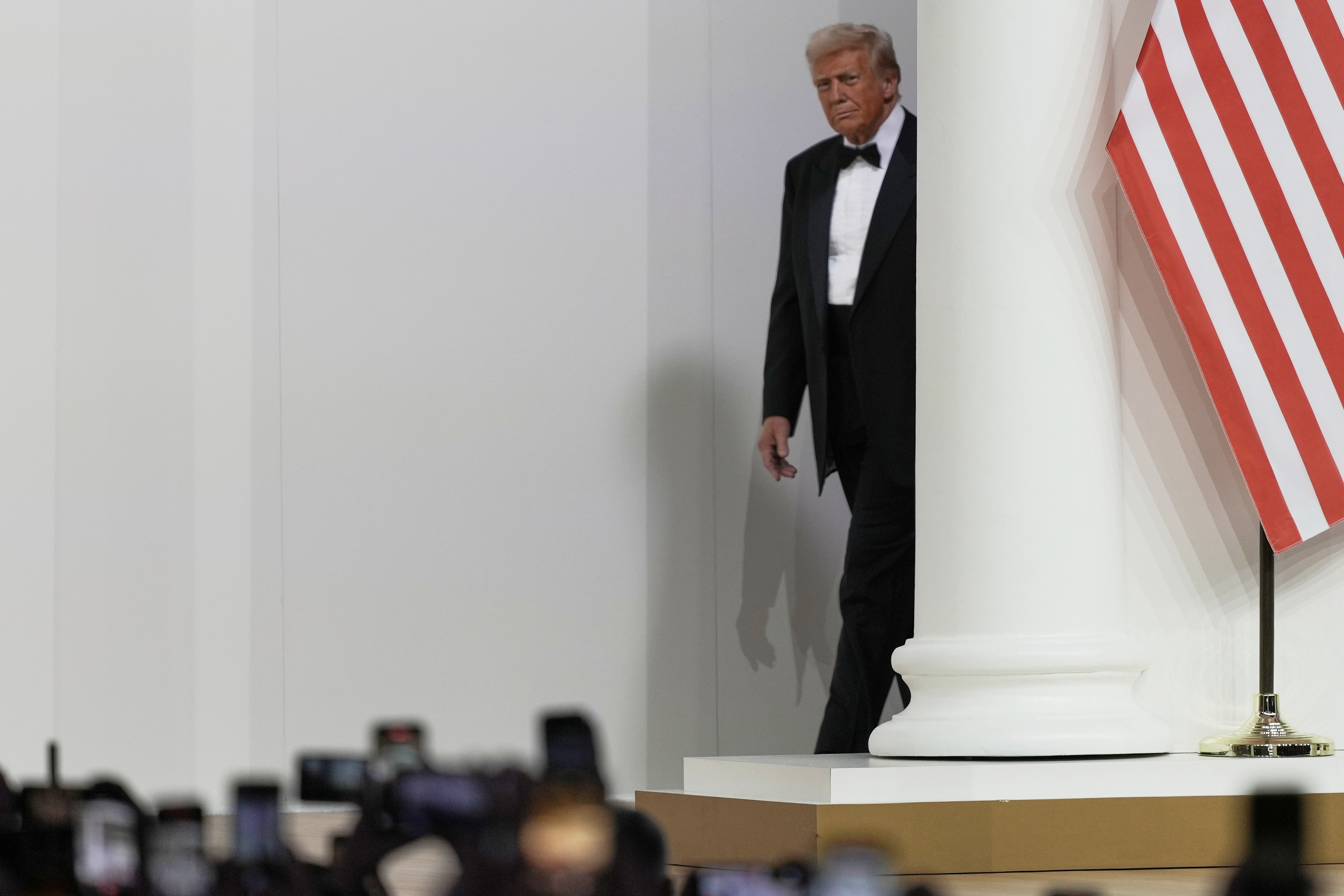
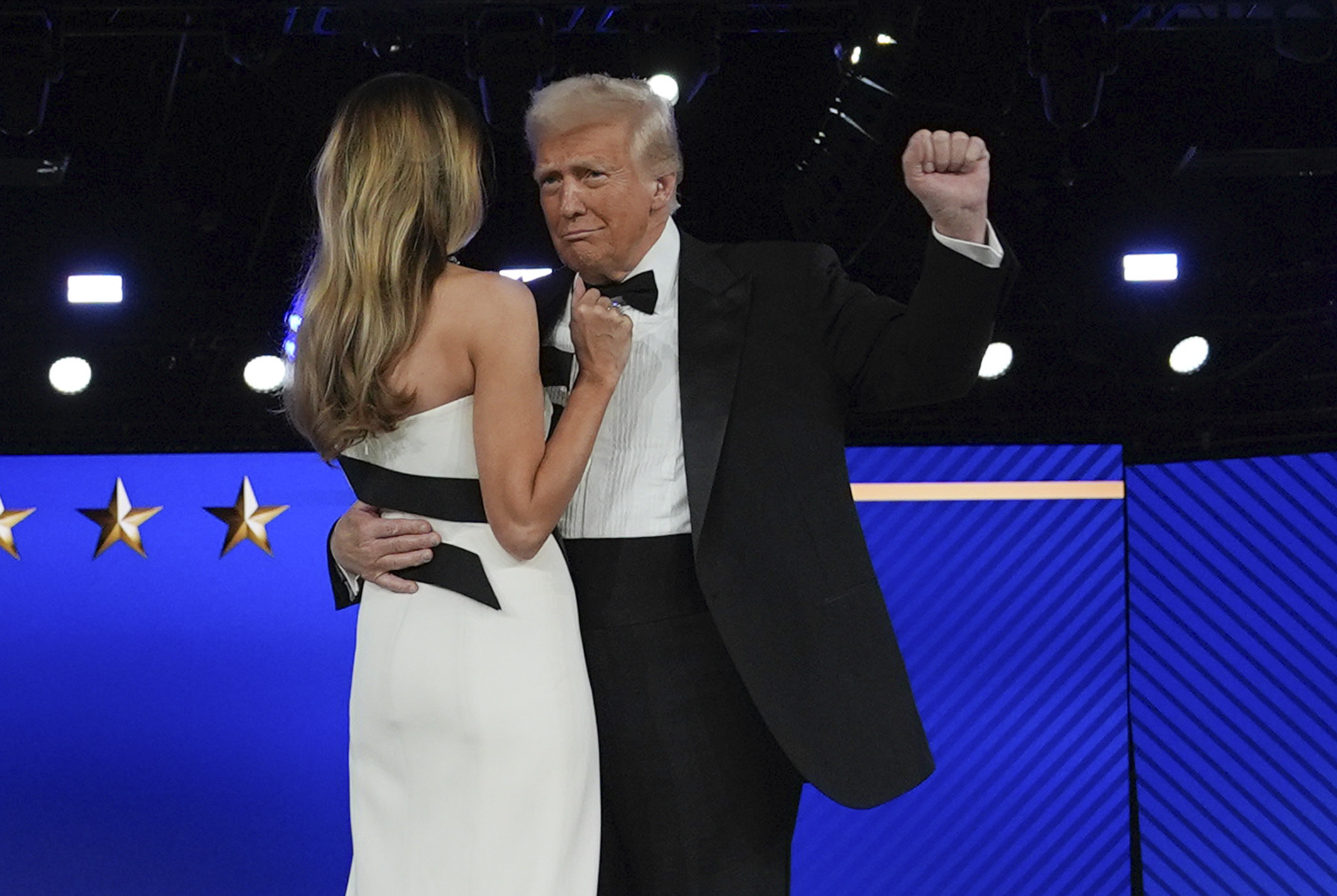
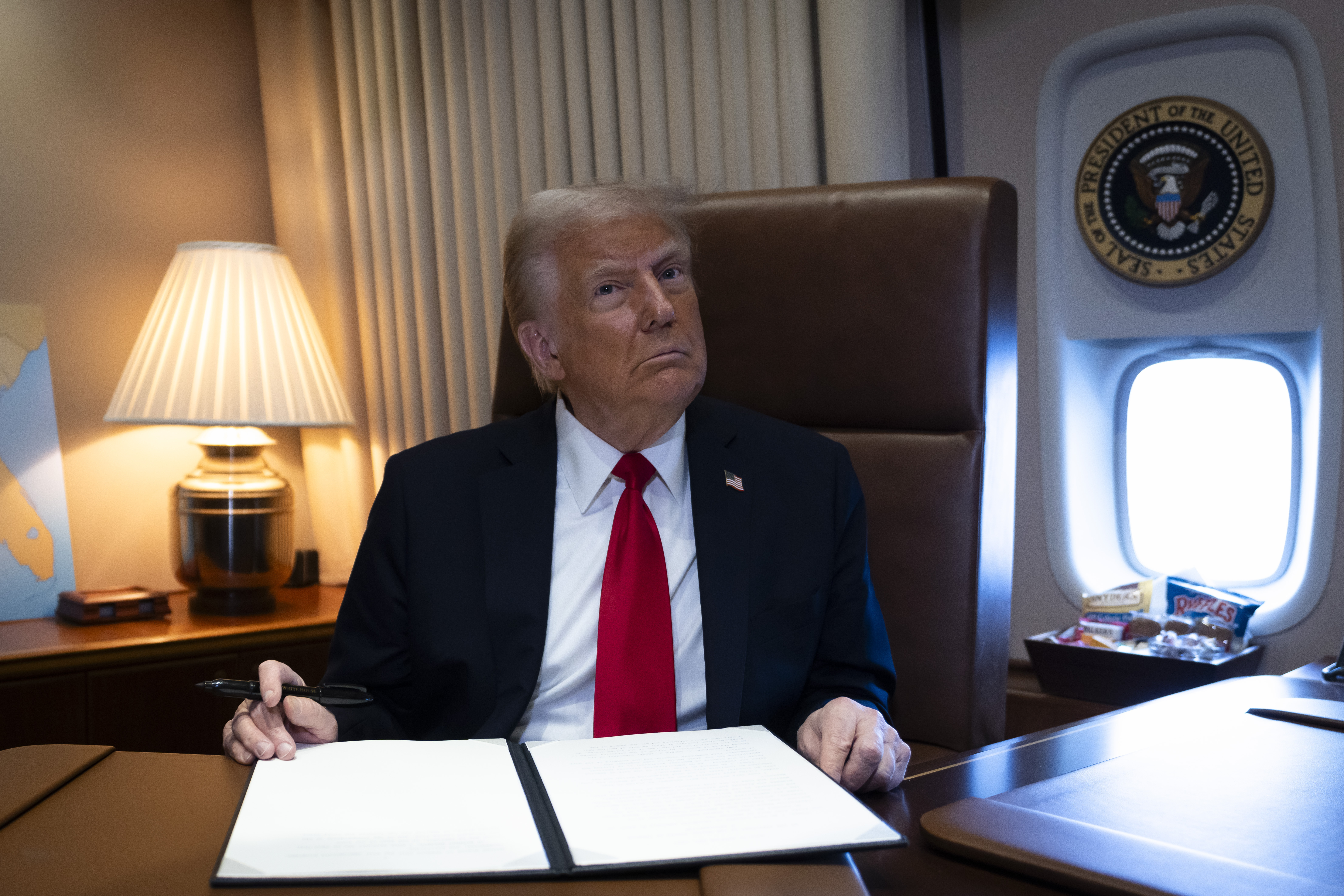
Trump's second term began with a freeze and a flurry: Temperatures were so cold on January 20 that the inauguration festivities were forced indoors.
But within hours of being sworn in, Trump embarked on a campaign of executive orders to reshape the federal government and roll back his predecessor Joe Biden's policies. The month's top headlines included:
- PANAMA: In his inauguration speech, Trump threatens military action in Central America to claim the Panama Canal: "We’re taking it back."
- MANIFEST DESTINY: Trump tells his inaugural audience that his "proudest legacy will be that of a peacemaker and unifier", though he warns that he plans to pursue a new chapter of US expansionism: "We will pursue our manifest destiny into the stars."
- REFUGEE POLICY: Trump signs a day-one executive order suspending the US Refugee Admissions Program (USRAP), leaving even already-approved applications in limbo.
- BIRTHRIGHT CITIZENSHIP: Another executive order that Trump signs, within hours of his inauguration, attempts to restrict birthright citizenship based on the immigration status of a child's parents.
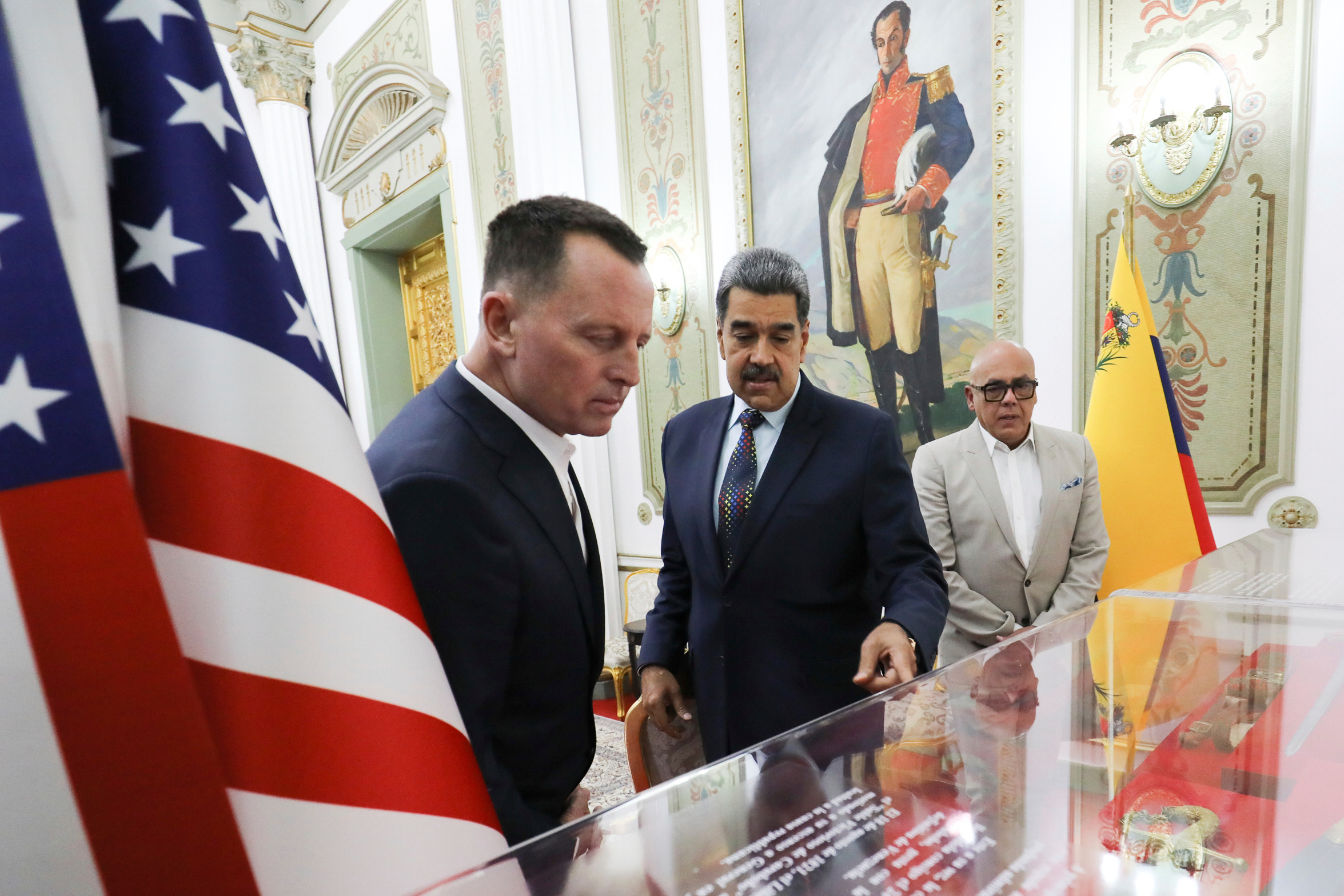
- VENEZUELA: Trump sends special envoy Richard Grenell to Venezuela to meet with the country's president, Nicolas Maduro. Grenell returns with the release of six imprisoned US citizens.
- CONTROVERSIAL NOMINEES: While Marco Rubio is confirmed unanimously as secretary of state, other Trump cabinet nominees like Pete Hegseth face intense scrutiny, including over allegations of sexual misconduct.
- CALIFORNIA FIRES: Trump suggests tying federal disaster aid for southern California to compliance with his policies, leading to a feud with Democratic Governor Gavin Newsom.
- TRADE: Trump signals that he plans to impose 25 percent tariffs on the US's neighbours, Canada and Mexico, throwing into doubt a regional free trade agreement he inked during his first term.
- INTERNATIONAL STANDOFF: As Trump begins his mass deportation campaign, he finds himself at loggerheads with Colombian President Gustavo Petro, who briefly rejects US deportation flights over accusations of migrant abuse.
- FATAL CRASH: A passenger jet and a military helicopter crash into the Potomac River, leaving no survivors. Trump blames the collision on initiatives to hire a more diverse workforce in the Federal Aviation Administration.




February 2025 at a glance
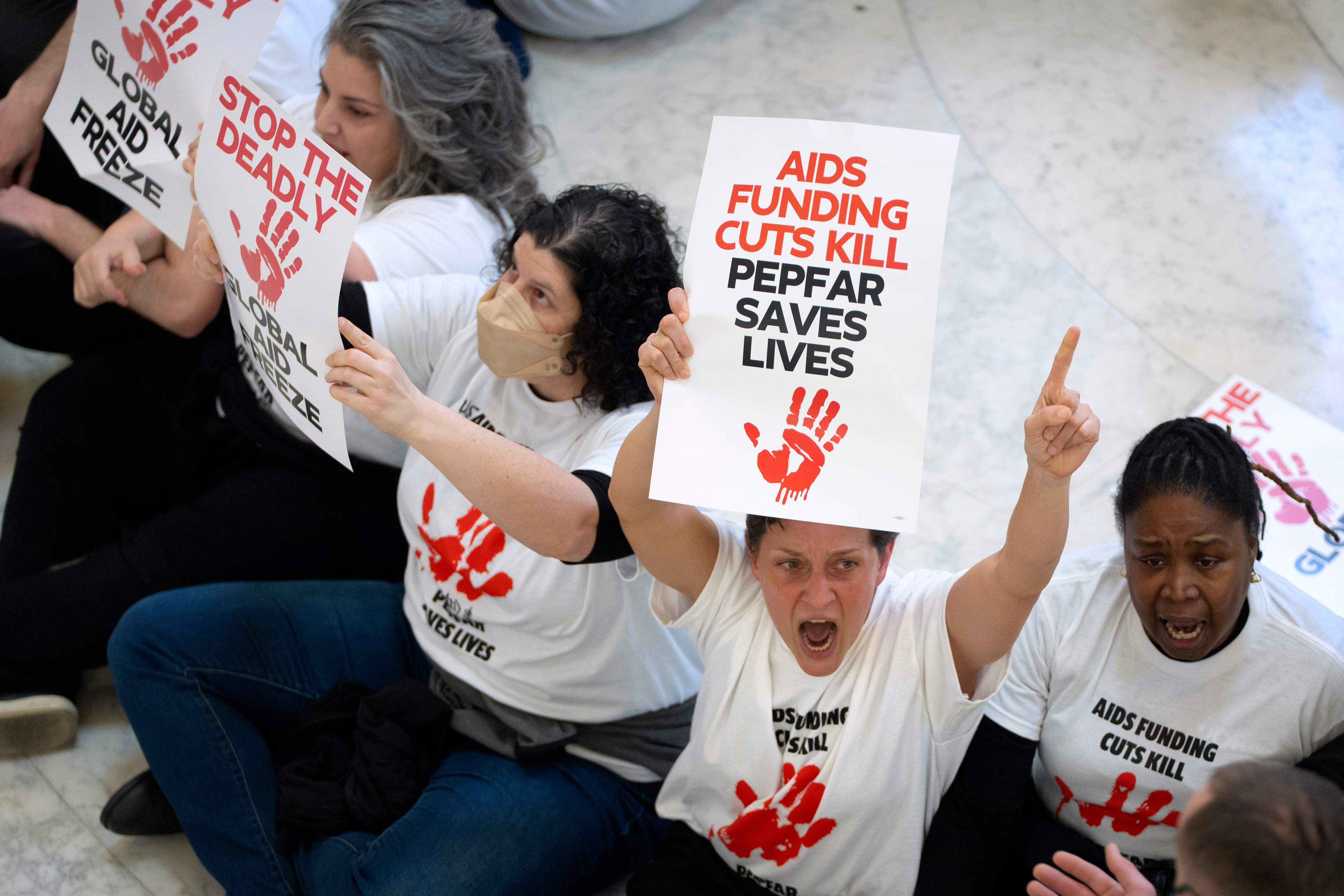
February marked a sea change in US foreign policy, as Trump continued his retreat from US foreign aid commitments.
As Russia's war on Ukraine marked its third year, the Trump administration also signalled that the Eastern European country should be prepared to make significant concessions. And Trump turned his expansionist gaze towards war-torn Gaza. Here are some of the month's top headlines:
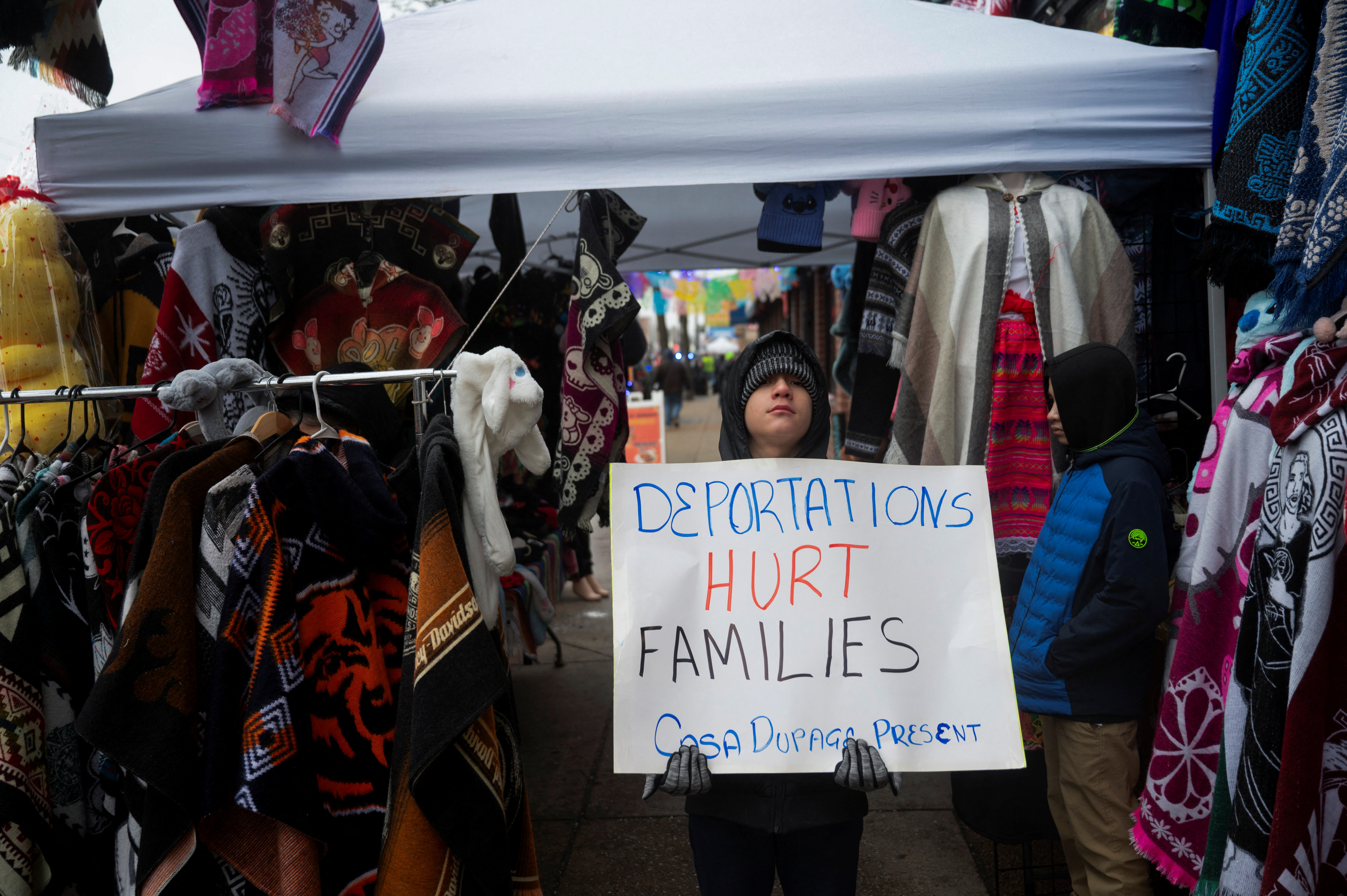

- DEPORTATIONS: The Trump administration begins displacing hundreds of immigrants to so-called stopover destinations like Costa Rica and Panama, where several deportees are seen signalling for help from the windows of hotels that they are held in.
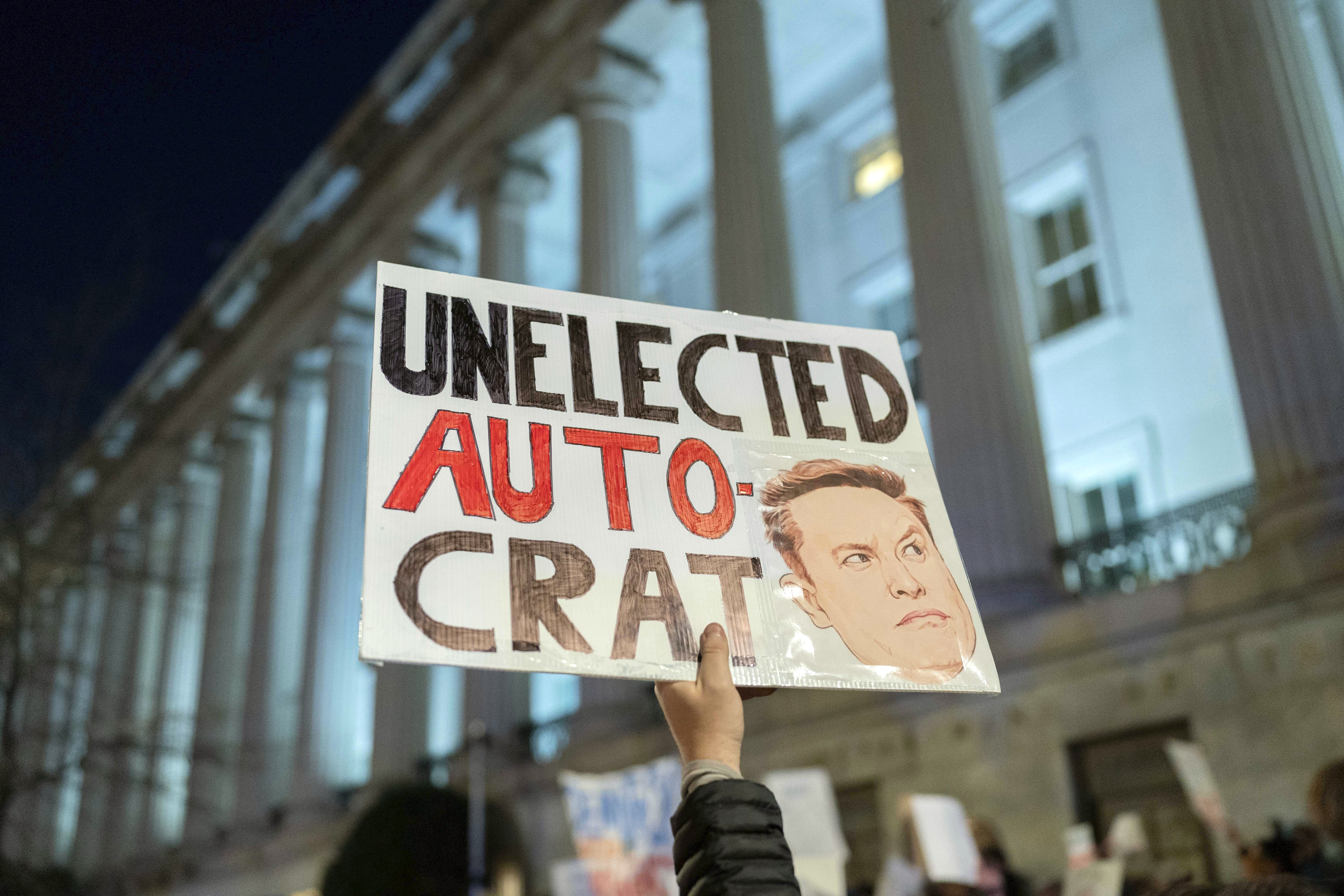
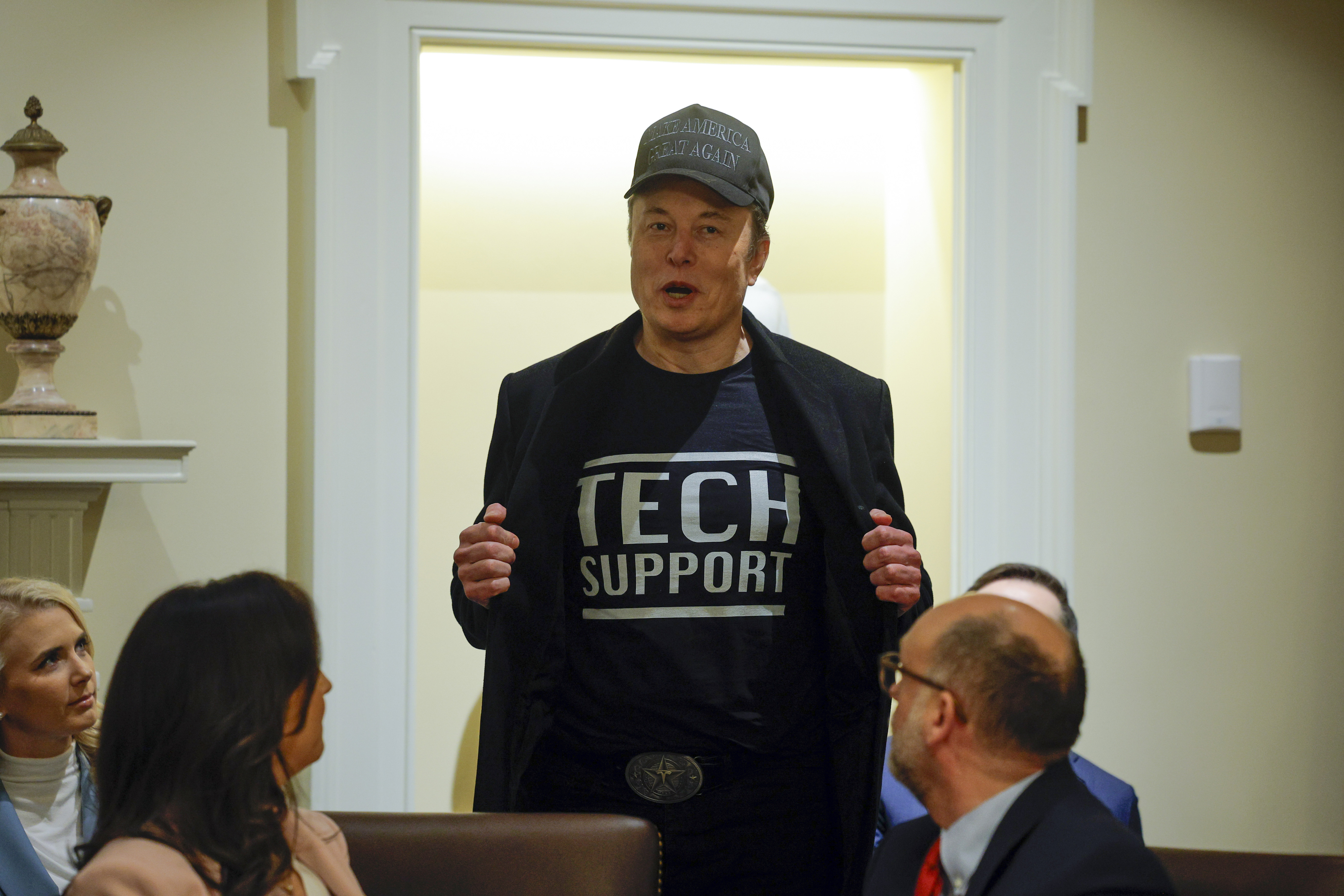
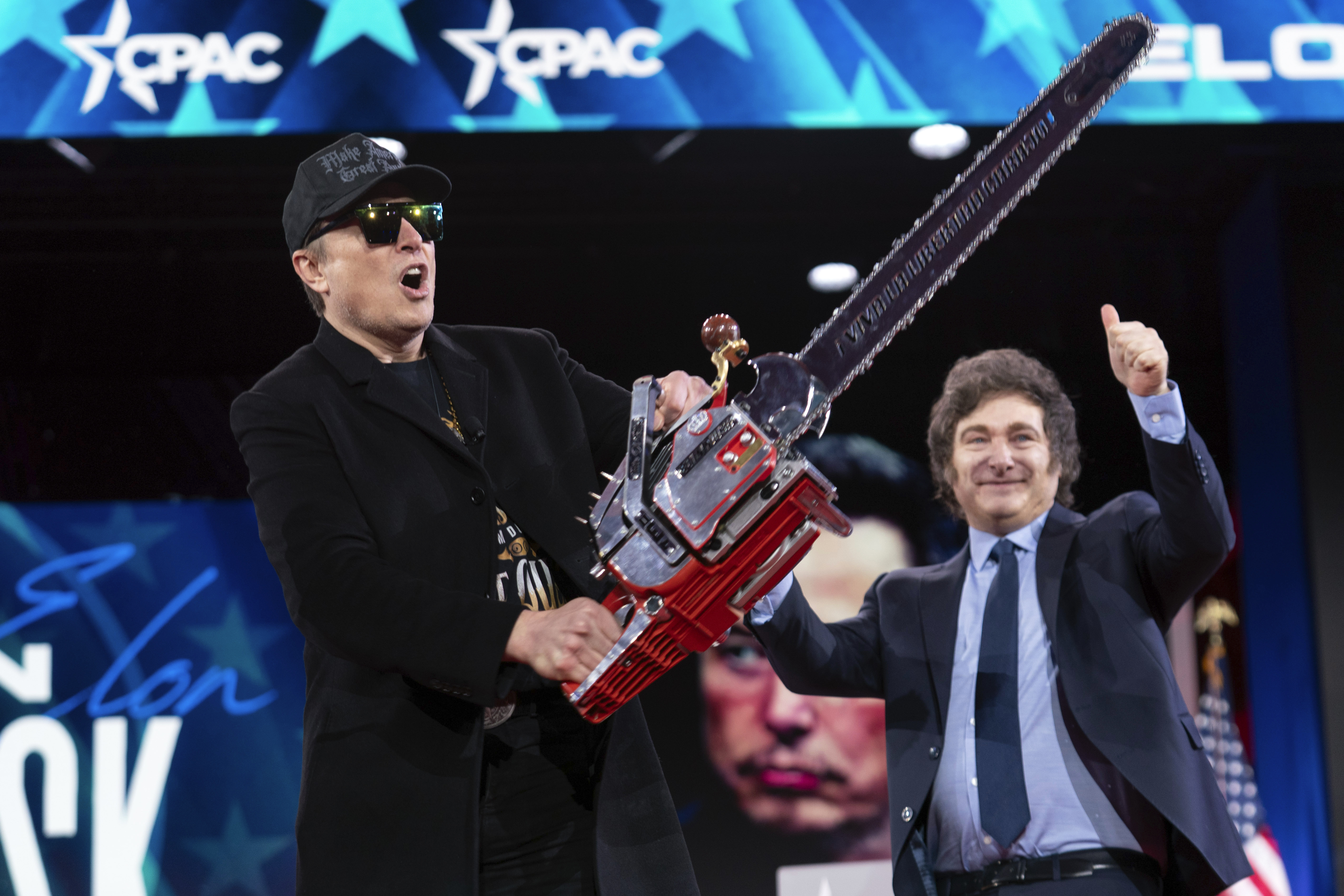
- GOVERNMENT CUTS: The Department of Government Efficiency (DOGE) pursues an agenda of widespread government cuts, reducing staff at the Department of Veterans Affairs, the Food and Drug Administration, the Social Security Administration and other agencies.
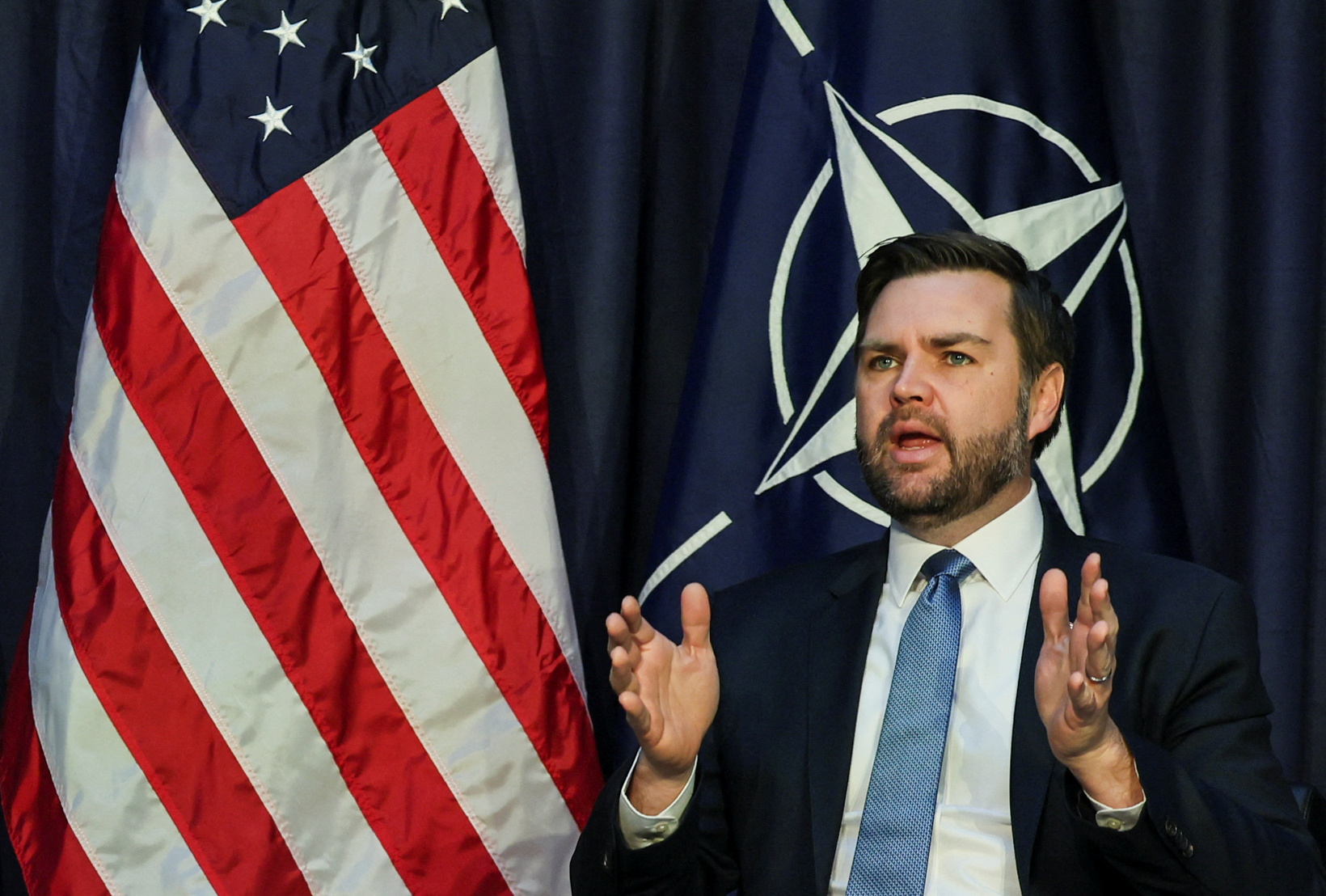
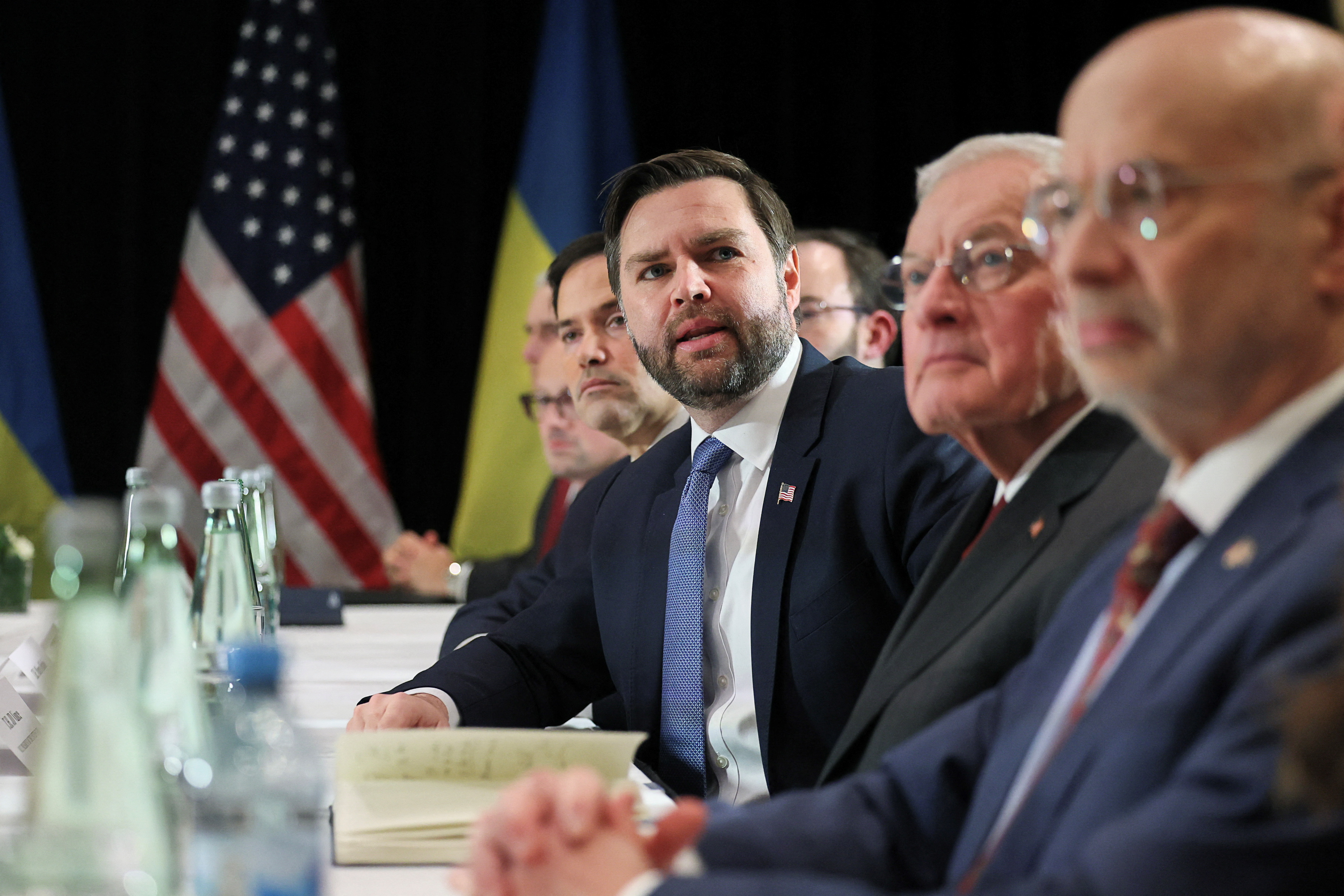
- MUNICH CONFERENCE: Vice President JD Vance shocks European allies at the annual Munich Security Conference by berating them for democratic backsliding and censorship.
- MILITARY SHAKEUP: Defense Secretary Pete Hegseth conducts a purge of the military's top brass, firing Joint Chiefs of Staff Chair CQ Brown and Navy Admiral Lisa Franchetti, among others.
- REVIVING GUANTANAMO: The Trump administration begins transferring detained immigrants to the military base at Guantanamo Bay, Cuba, prompting outrage from human rights advocates.
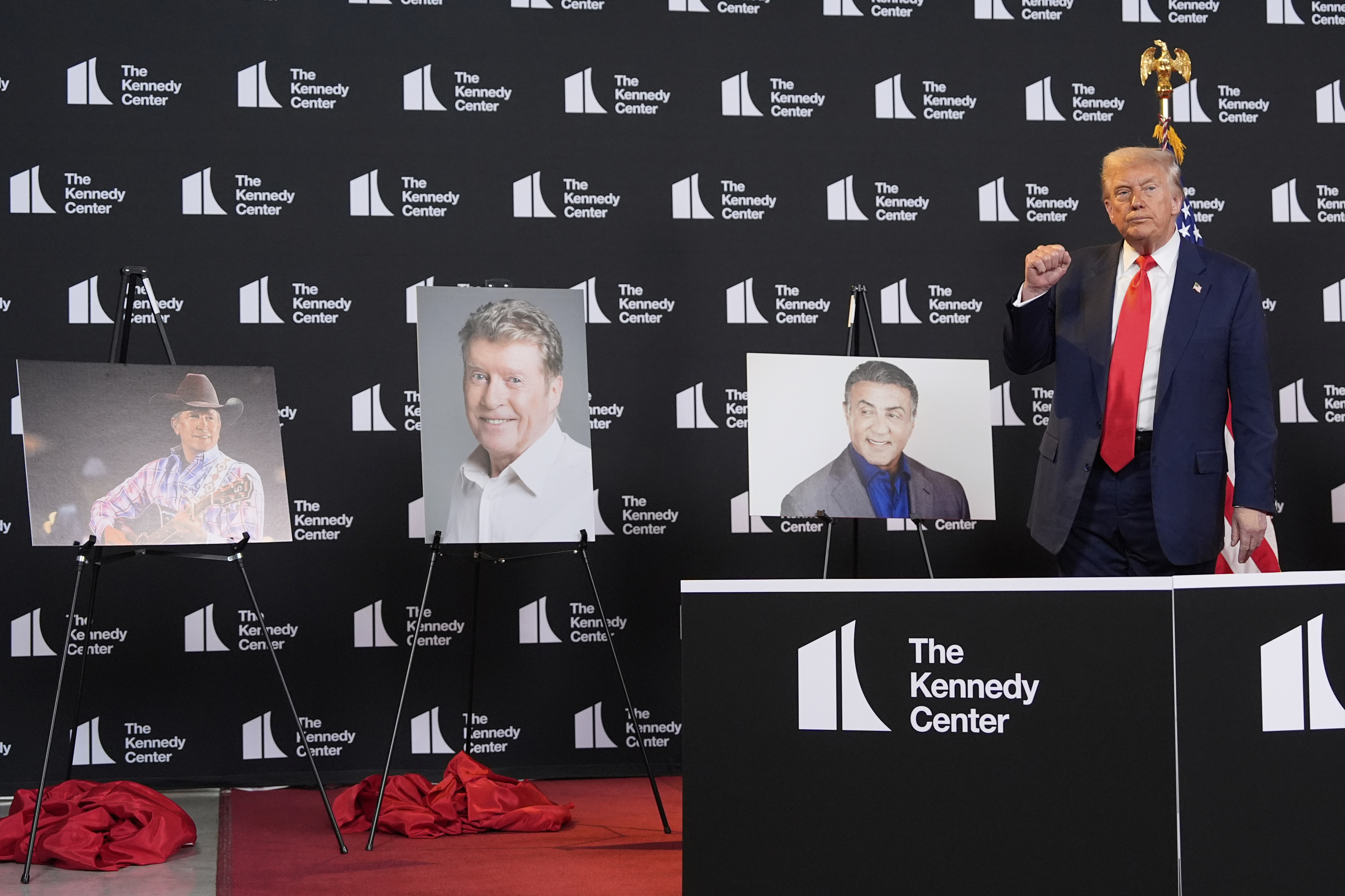
- ARTS TAKEOVER: The John F Kennedy Center for the Performing Arts names Trump as its chair, after the US president removes Democratic appointees from its board.
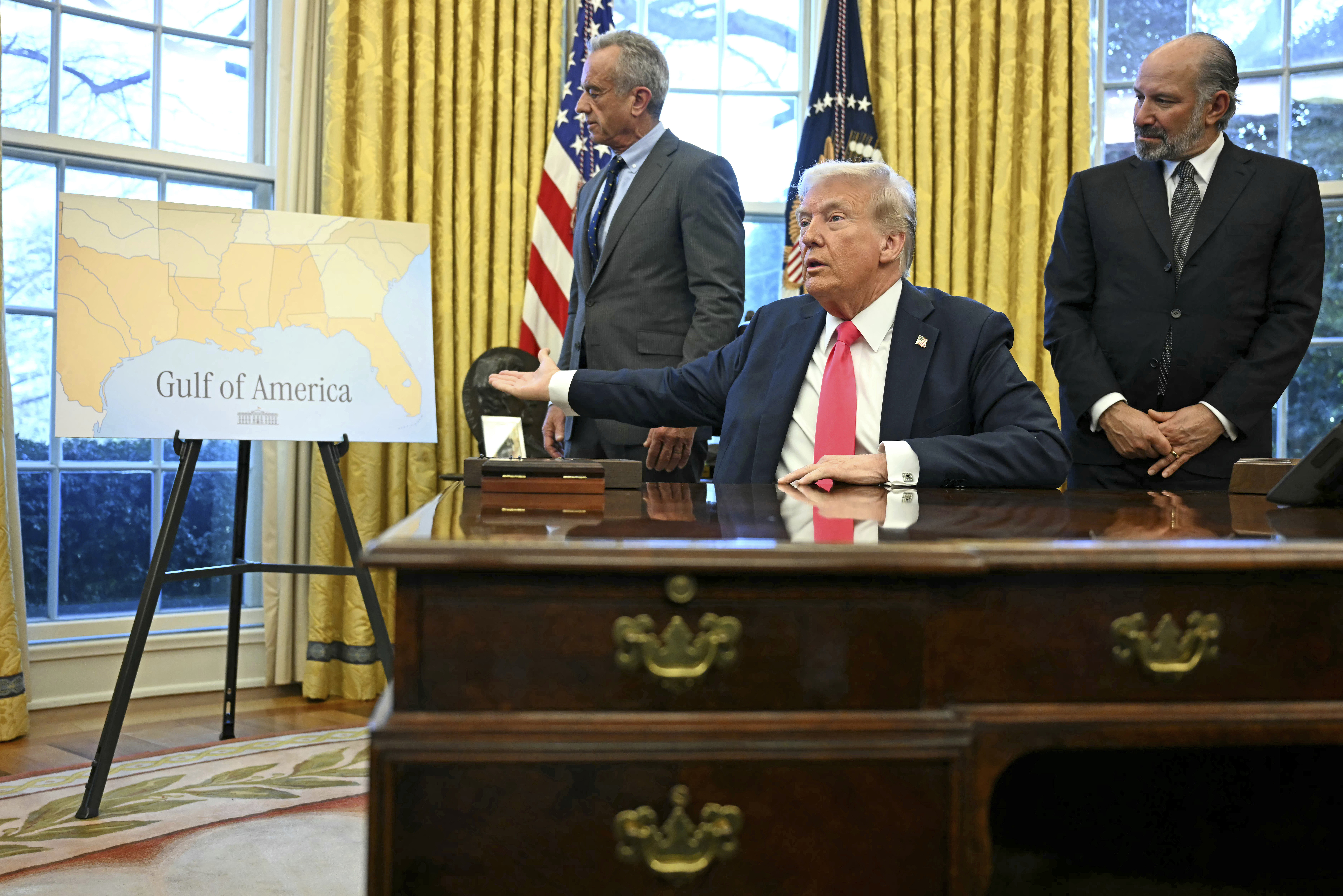
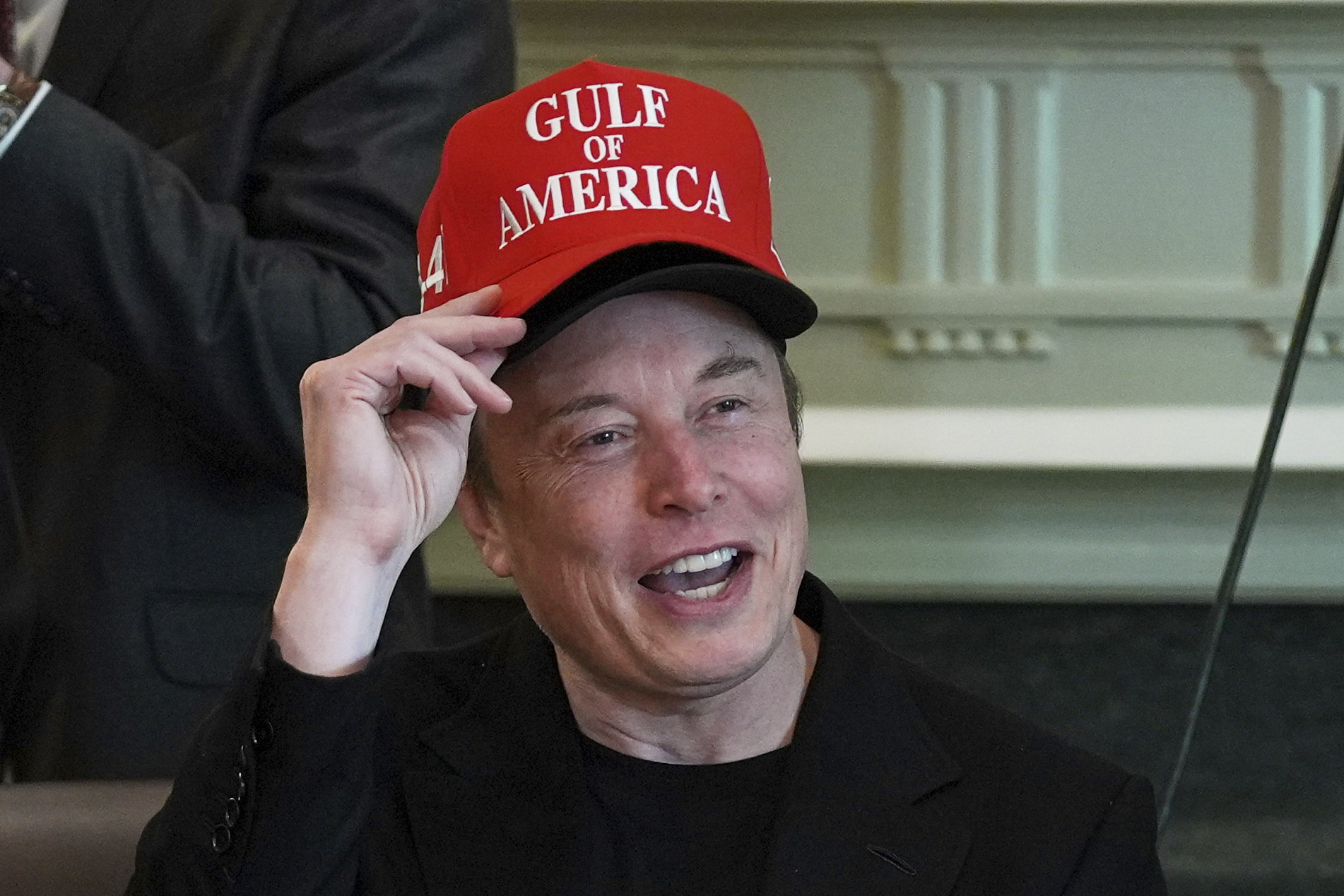
- RENAMING THE GULF: Trump touts his decision to rename the Gulf of Mexico to the "Gulf of America" as patriotic, but it prompts a free-speech battle with The Associated Press after the news agency is blocked from accessing White House events over its refusal to adopt the new name.
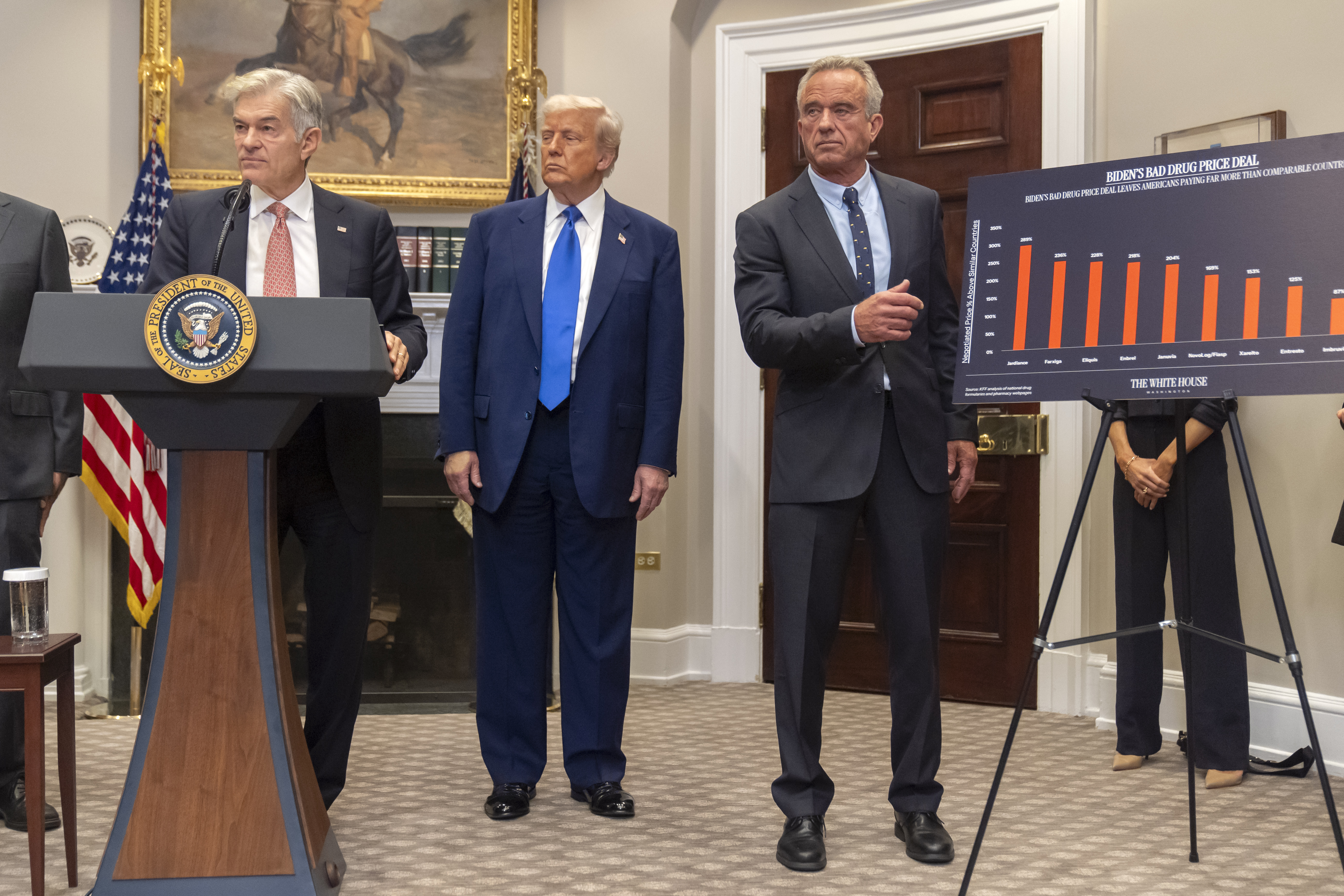
- HEALTH SECRETARY: The Senate votes to confirm Robert F Kennedy Jr as head of the Health and Human Services Department, despite his history of vaccine scepticism and denunciations from his family.
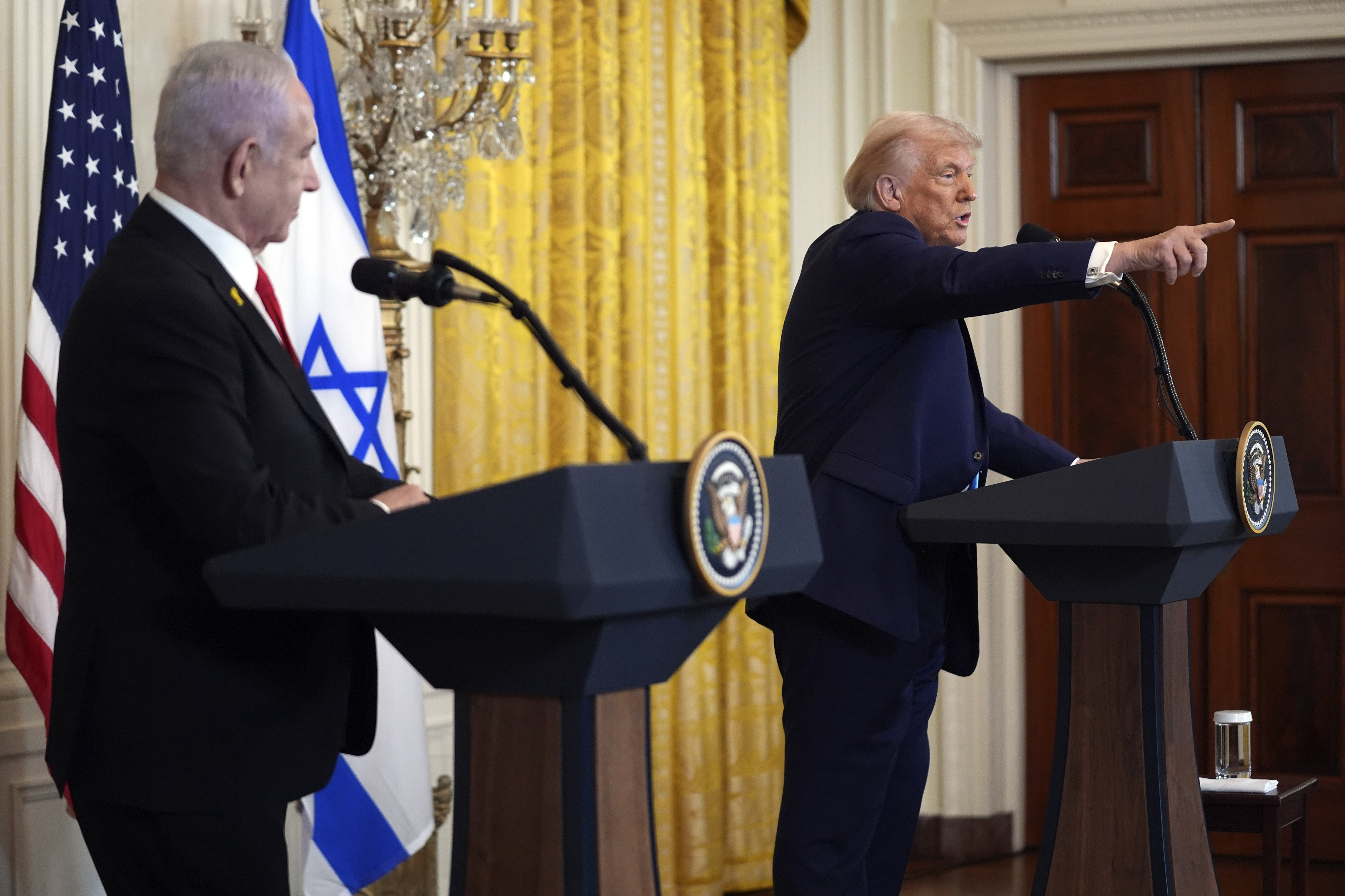
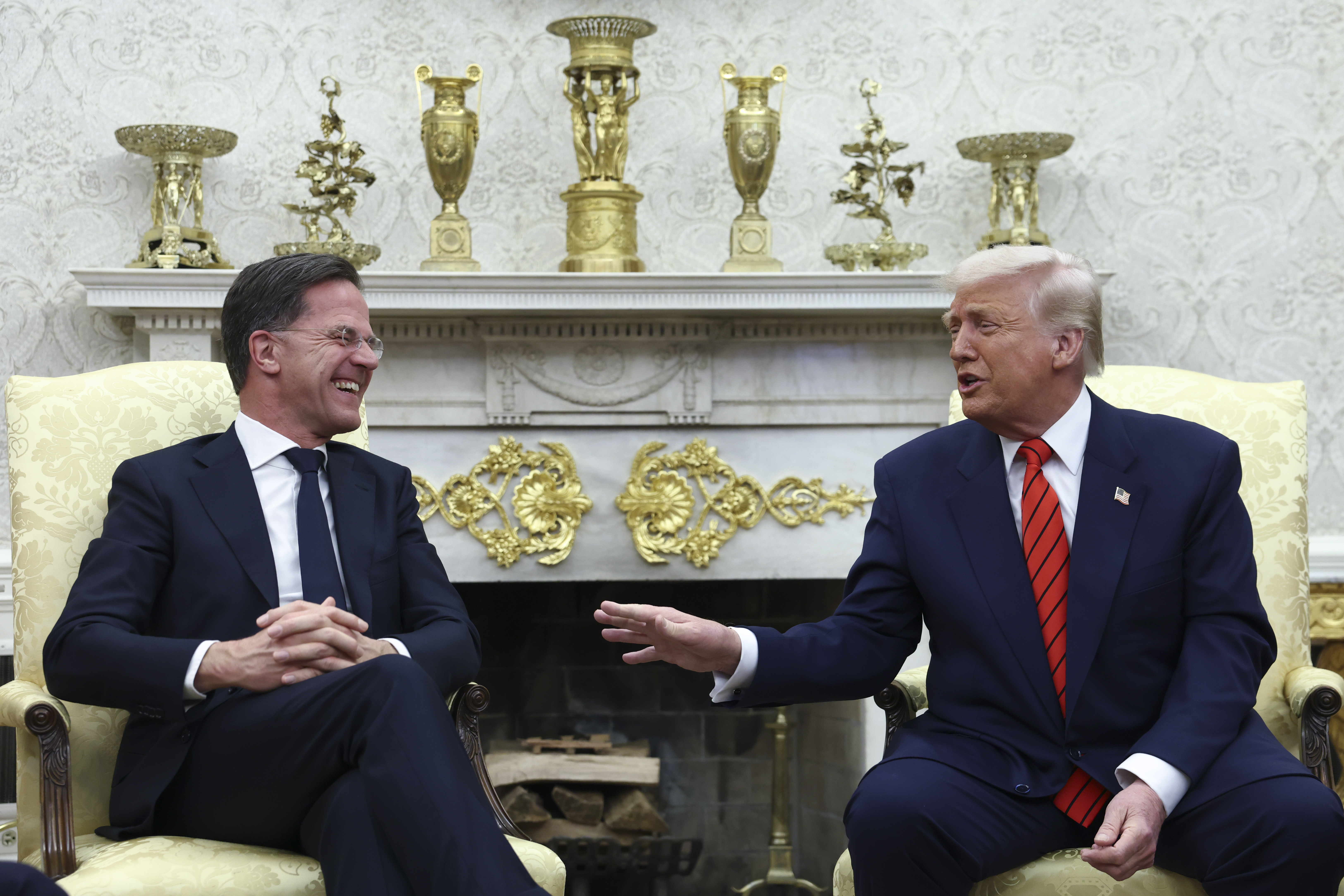
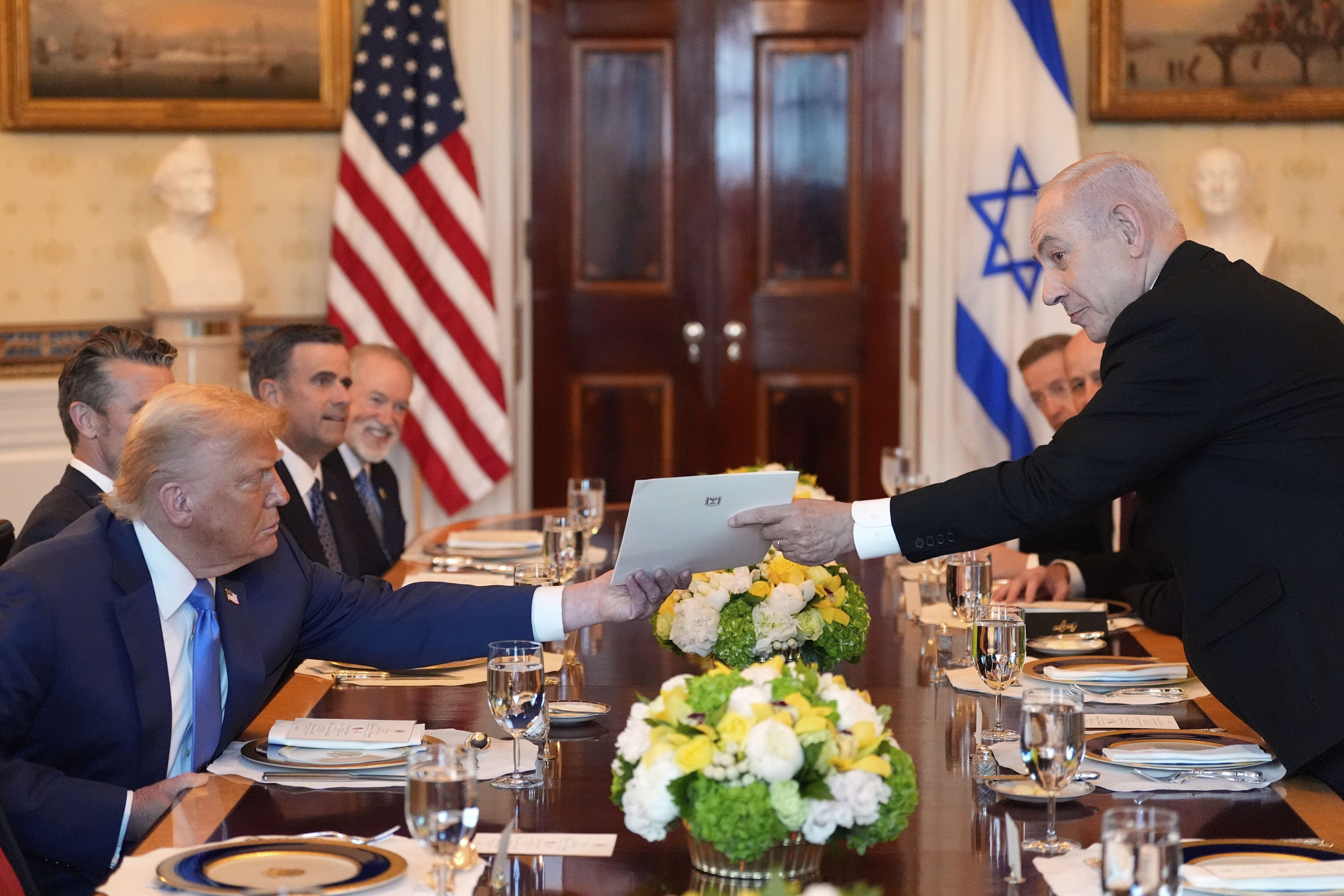
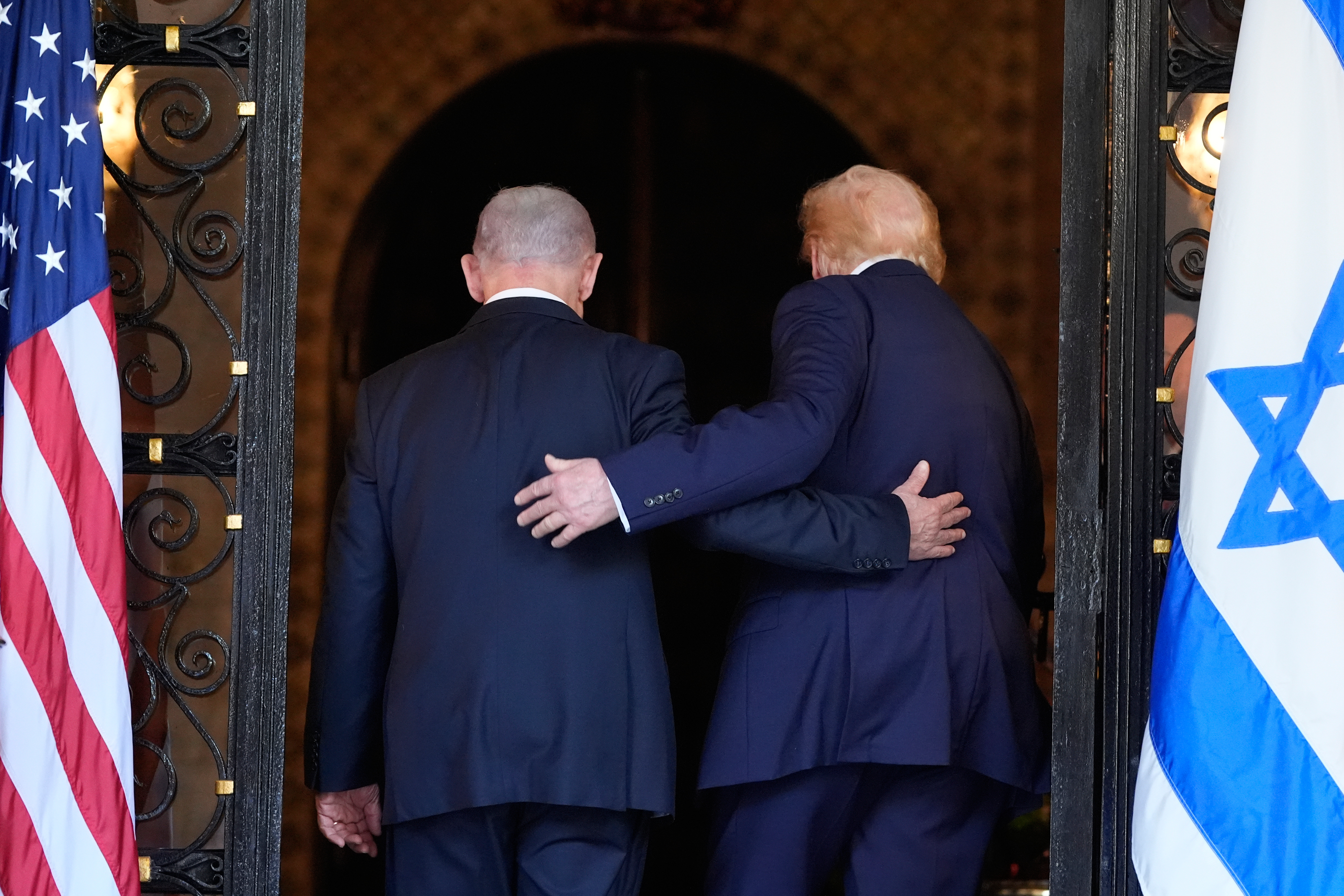
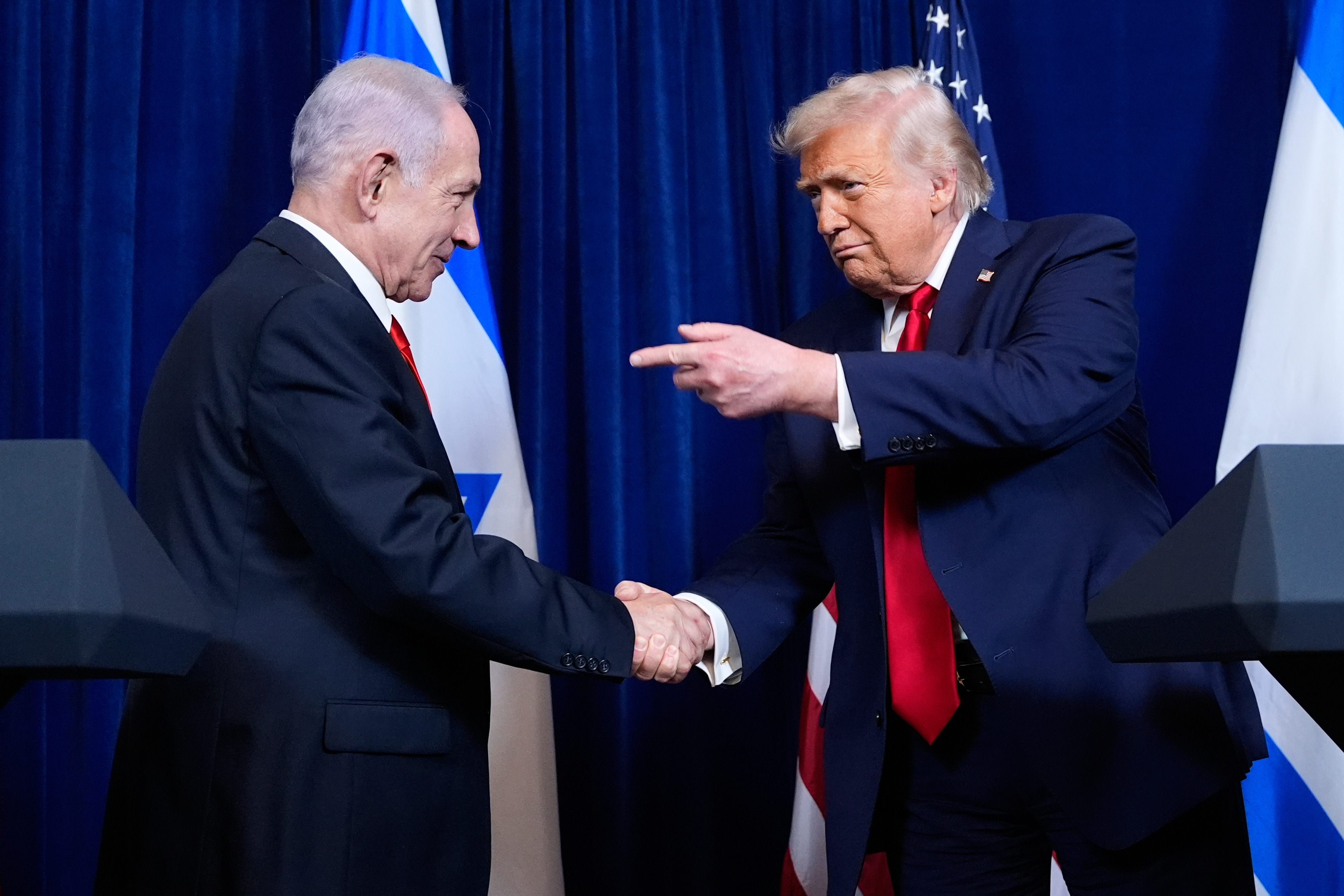
- GAZA: During a meeting with Israeli Prime Minister Benjamin Netanyahu, Trump unveils plans for the US to "own" Gaza and redevelop it into a "Riviera of the Middle East".
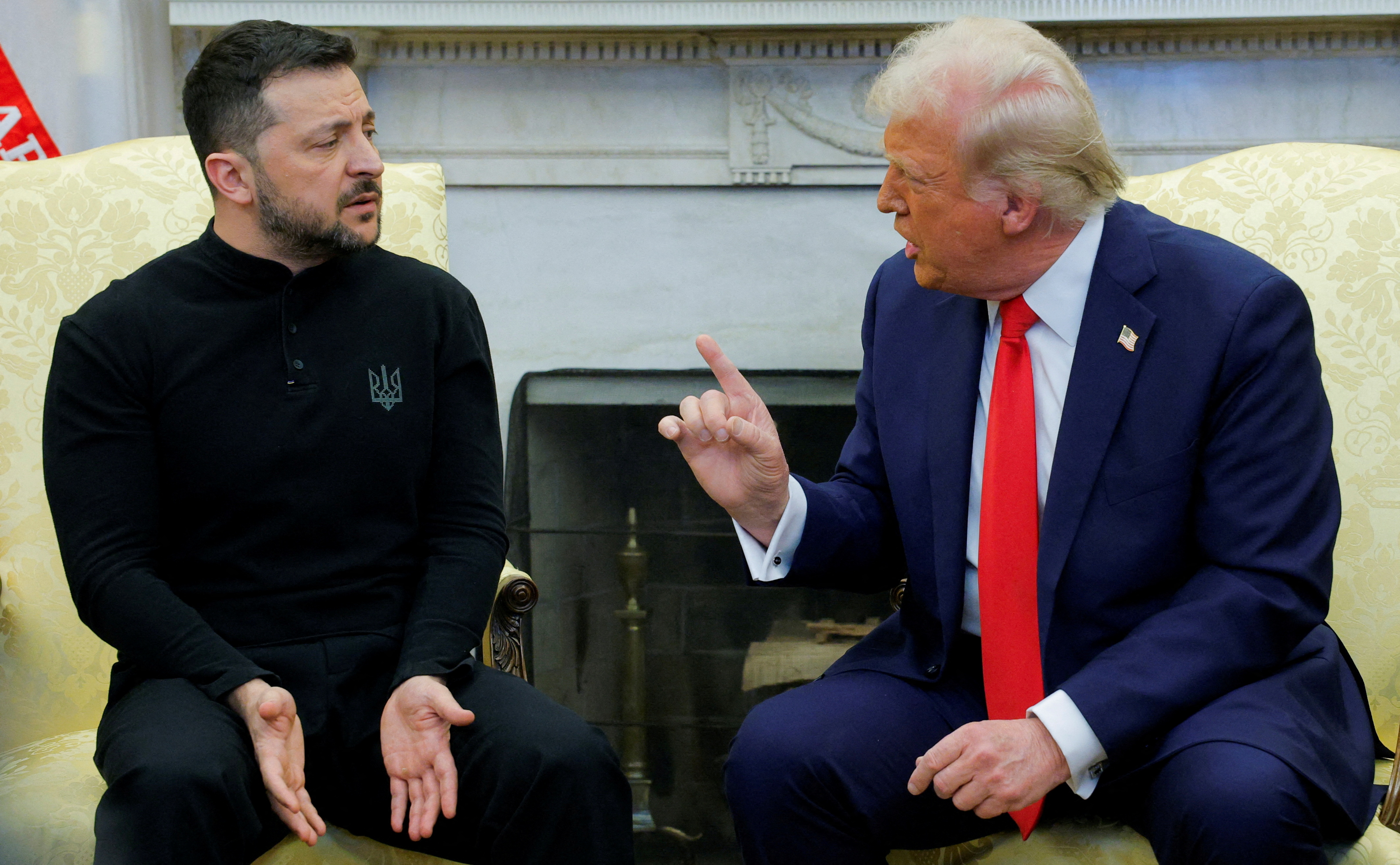
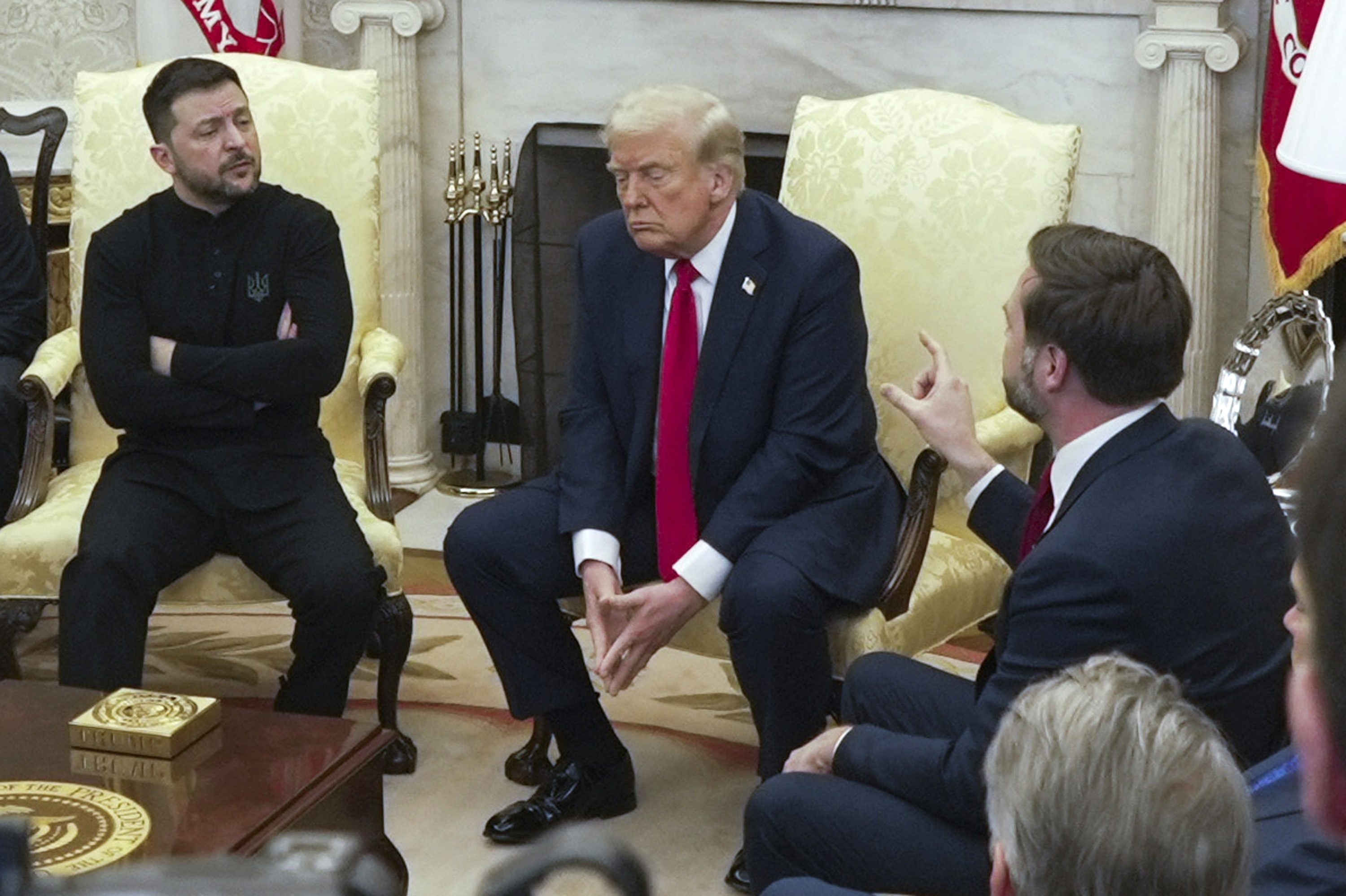
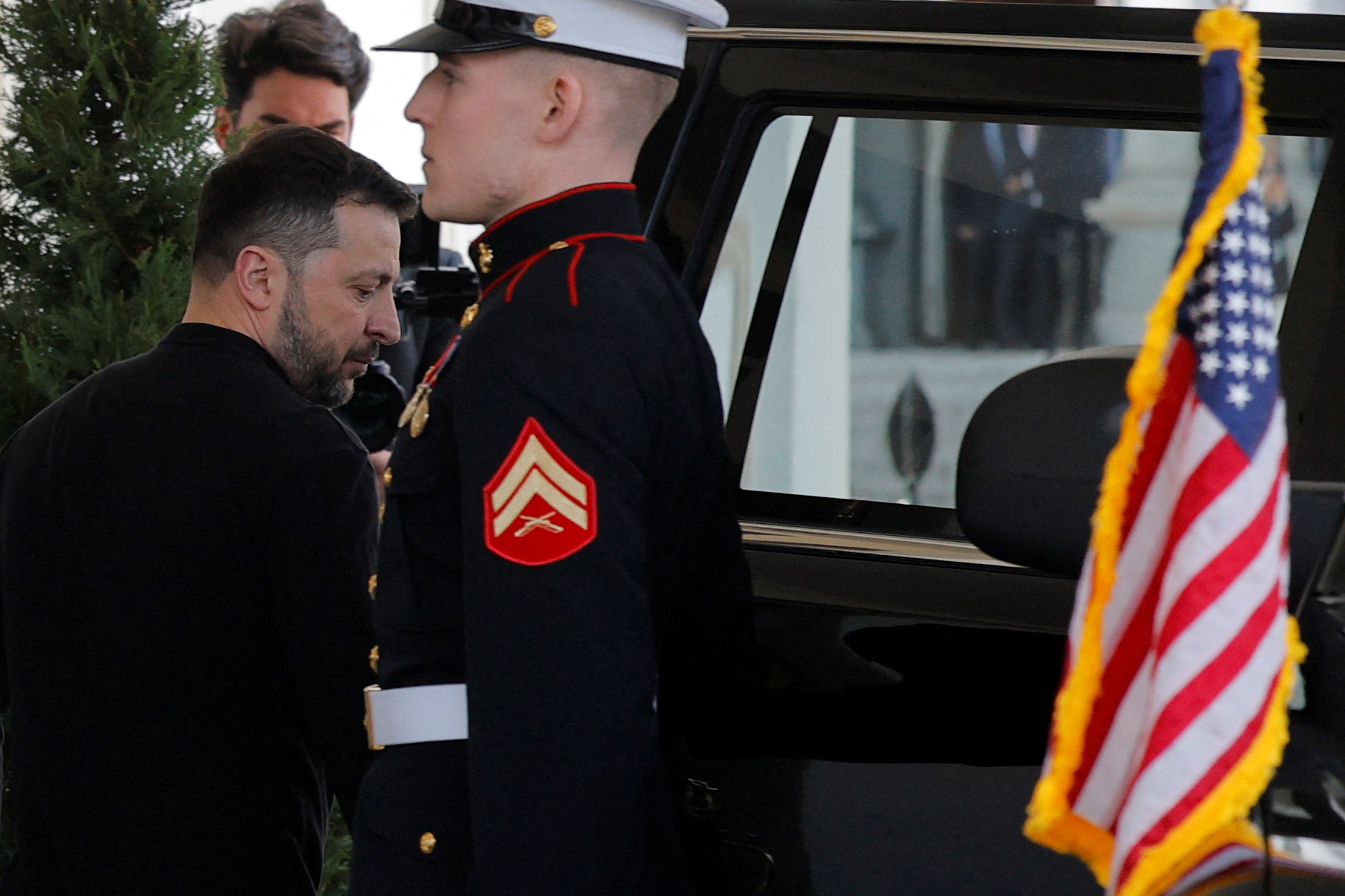
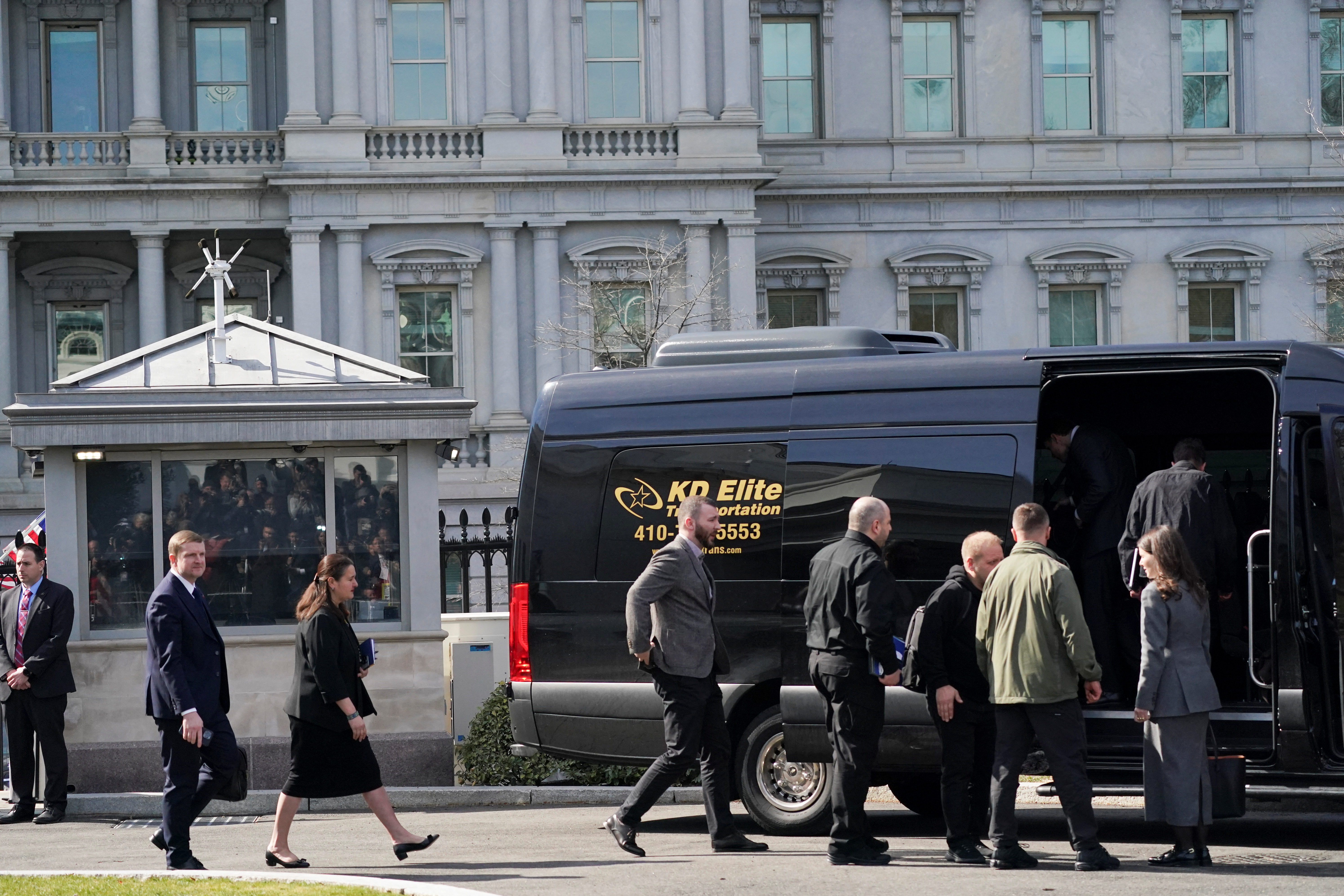

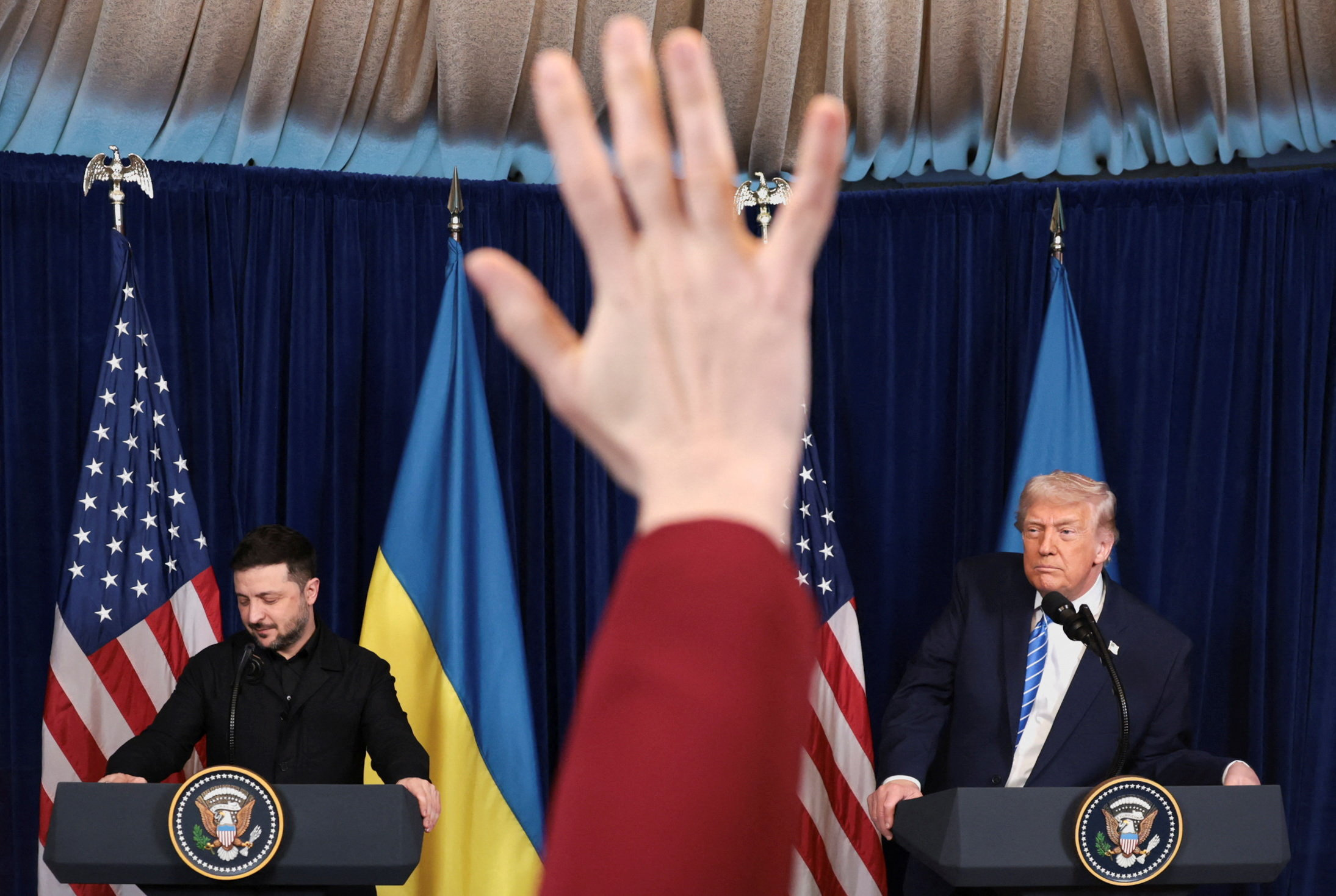
- OVAL OFFICE BLOWUP: Amid suggestions that Ukraine should cede territory to Russia and give up its ambitions of joining NATO, Volodymyr Zelenskyy visits the White House, where Trump slams the Ukrainian president for failing to show gratitude for US support.






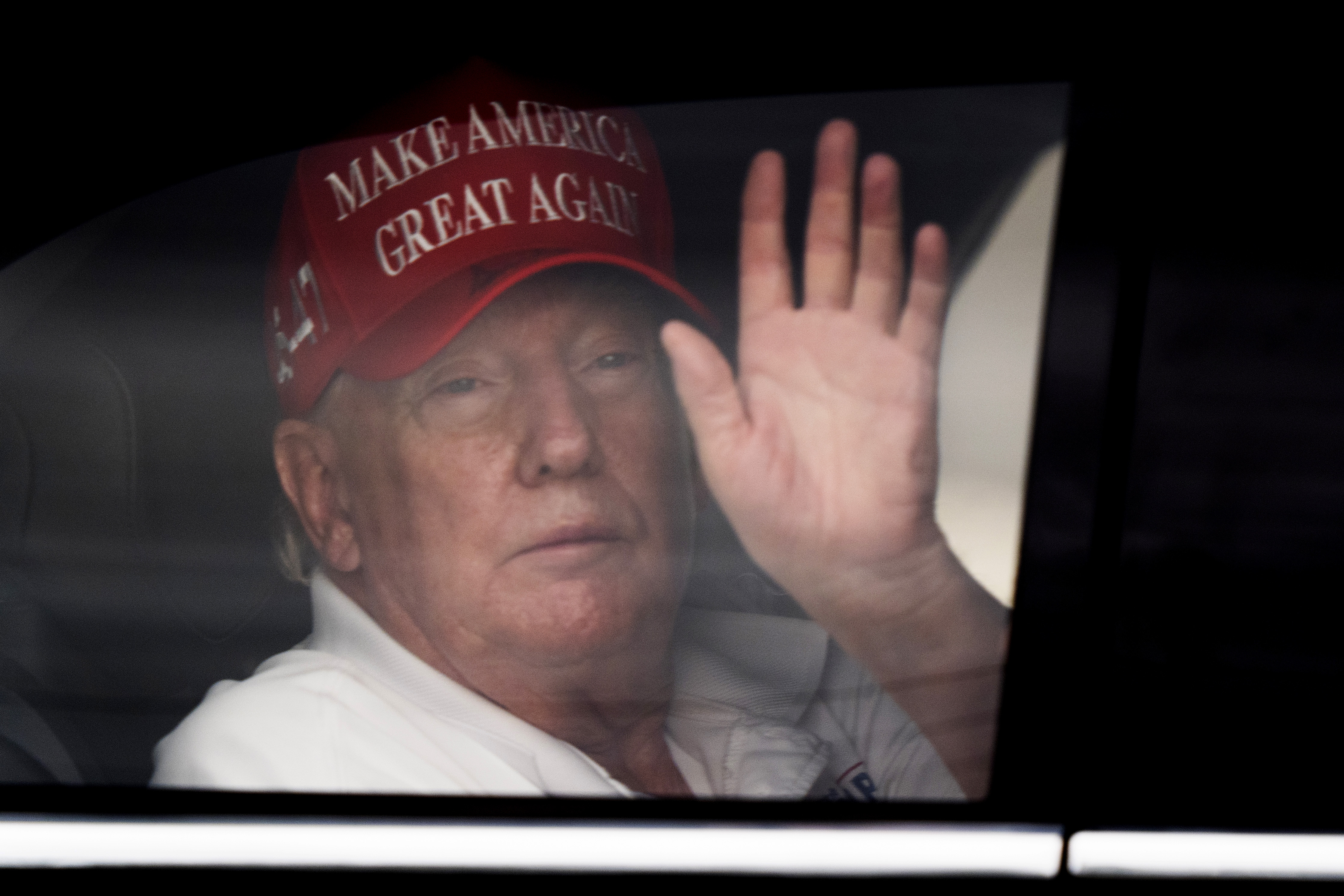
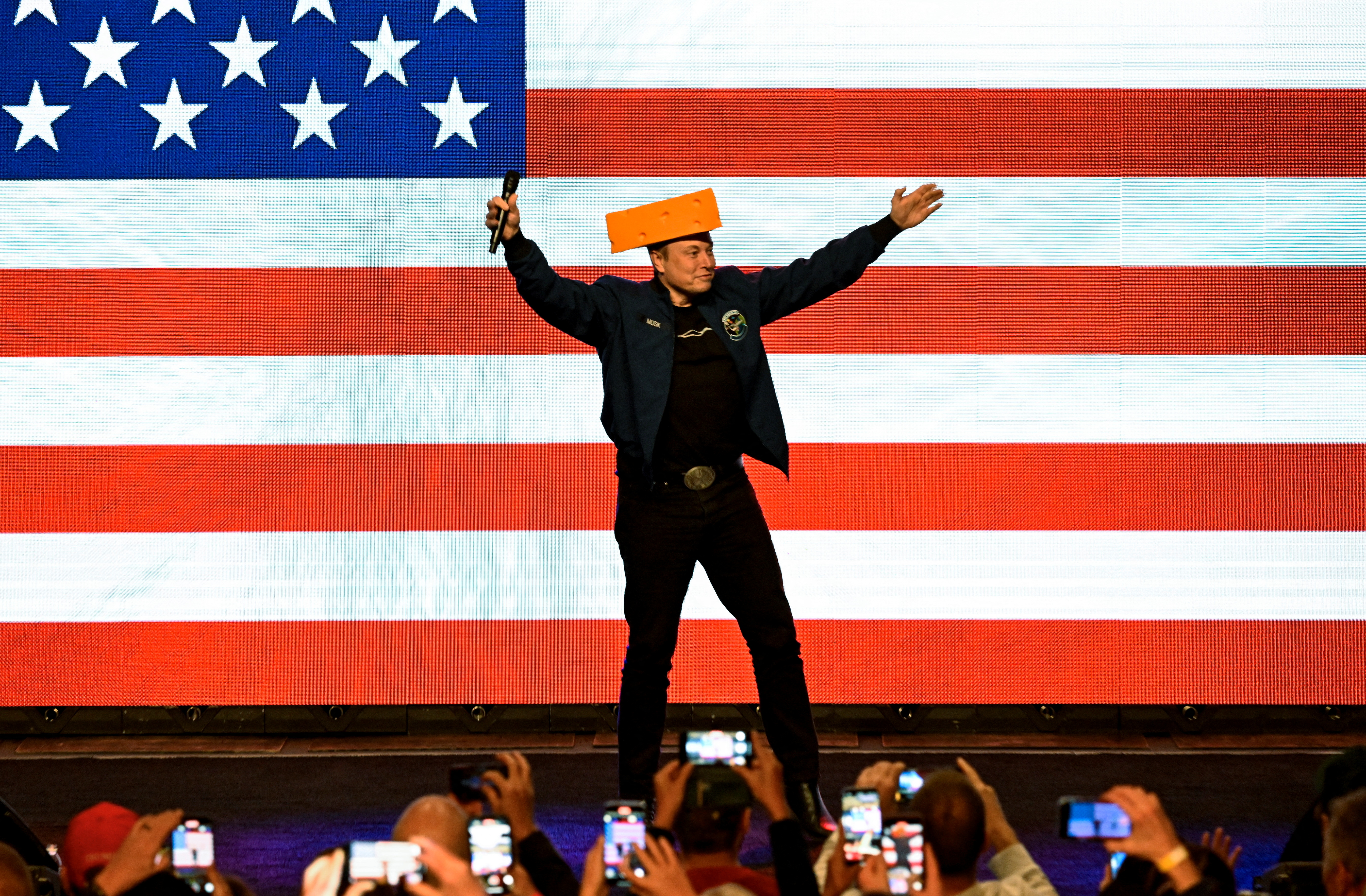
March 2025 at a glance
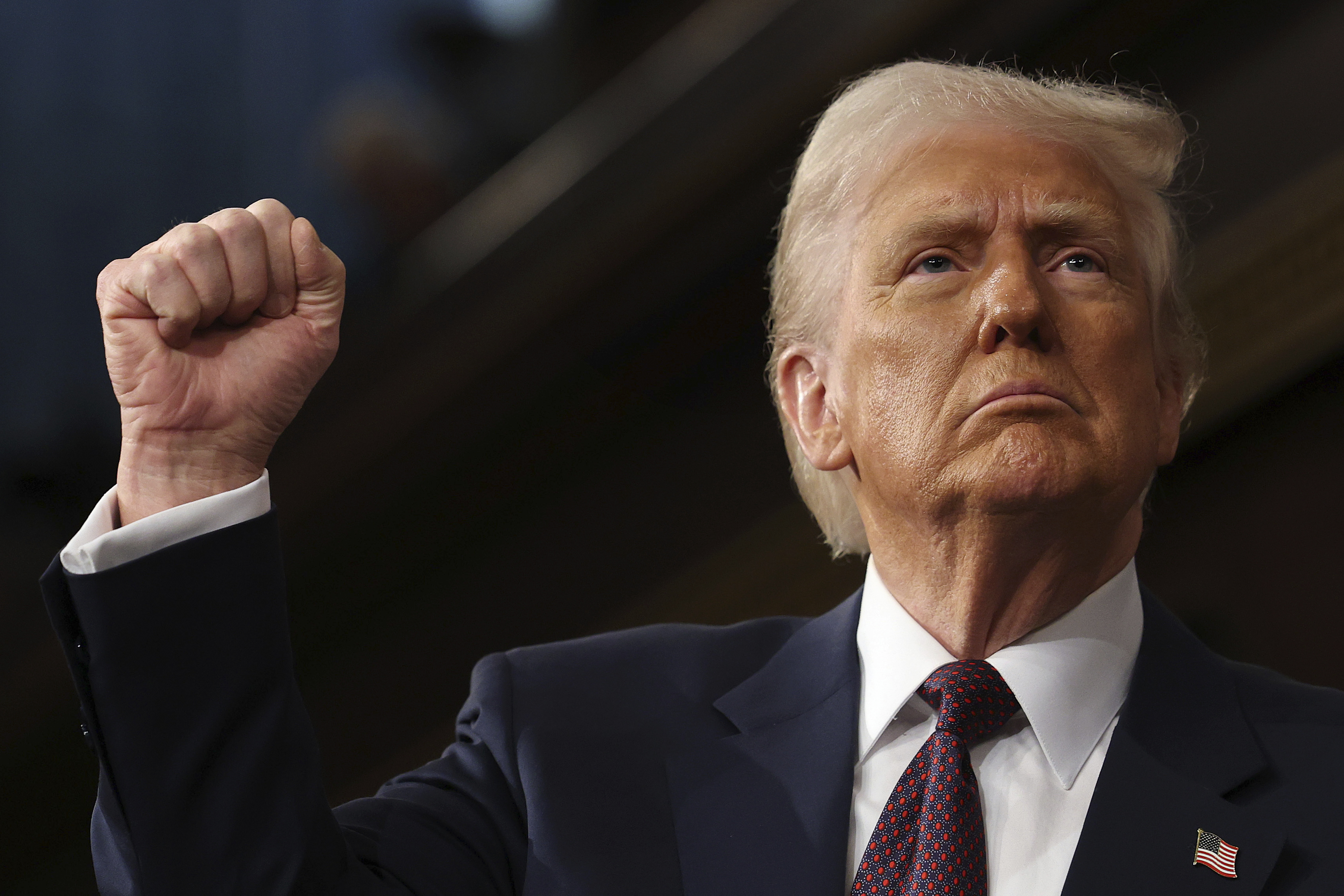
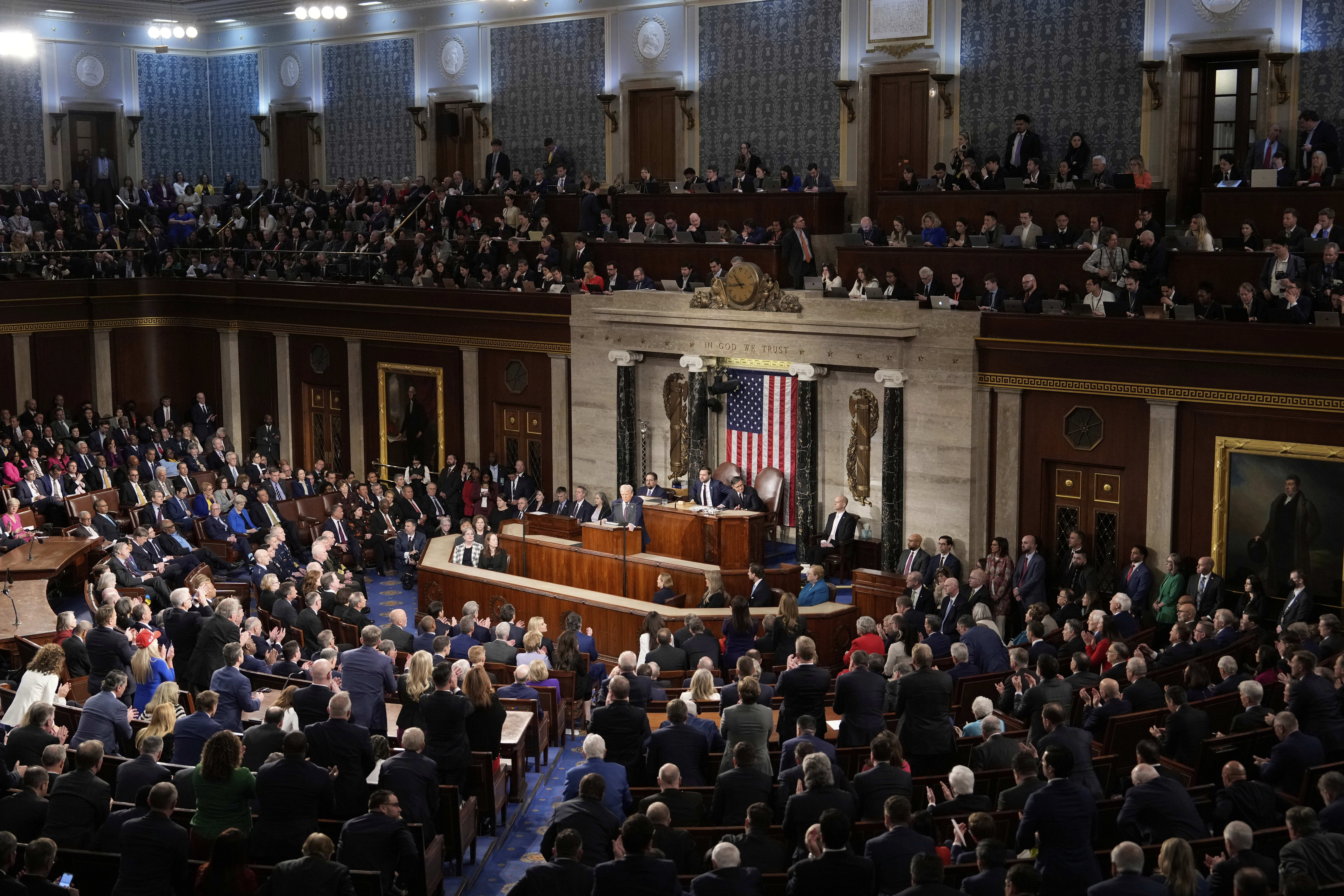
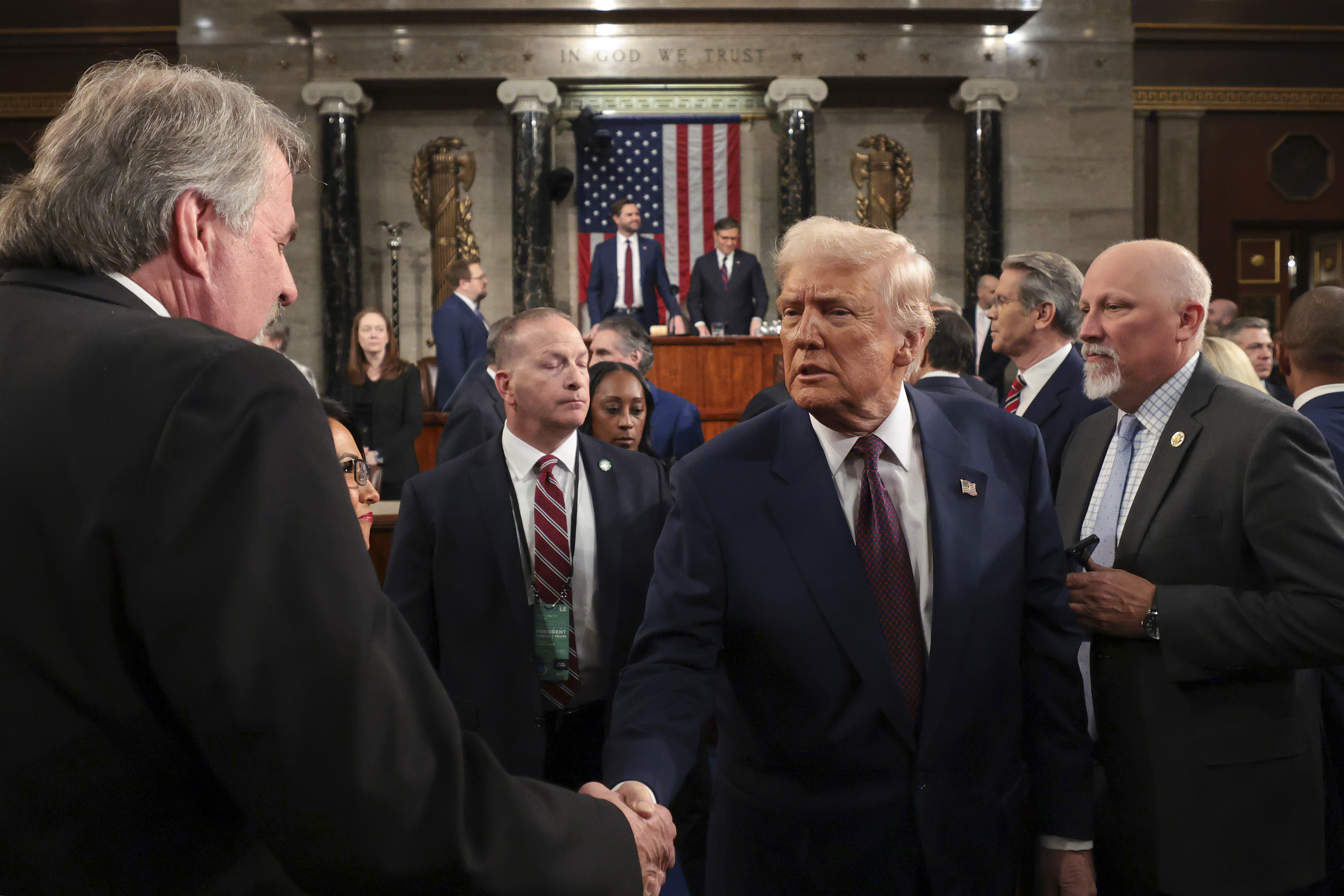
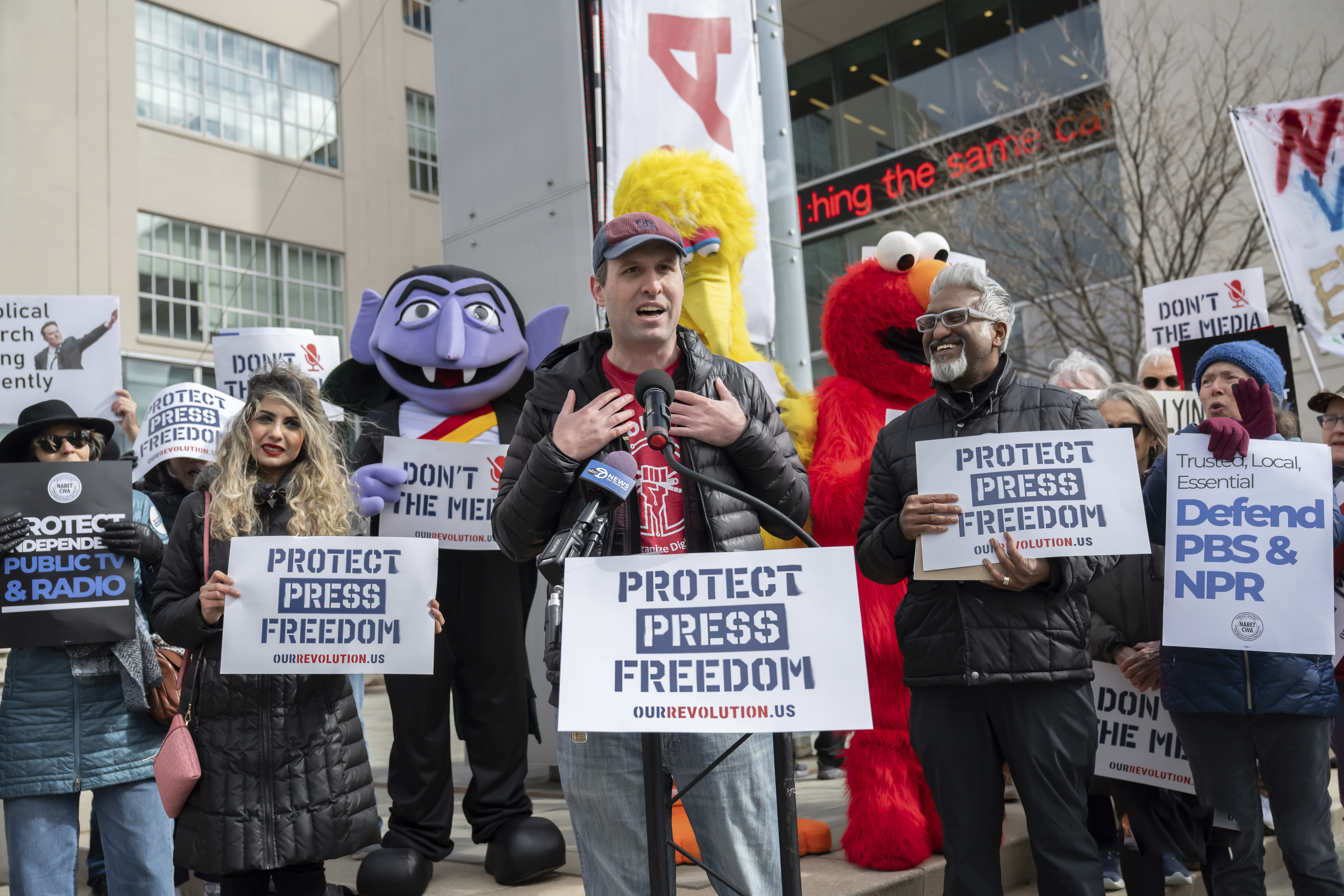
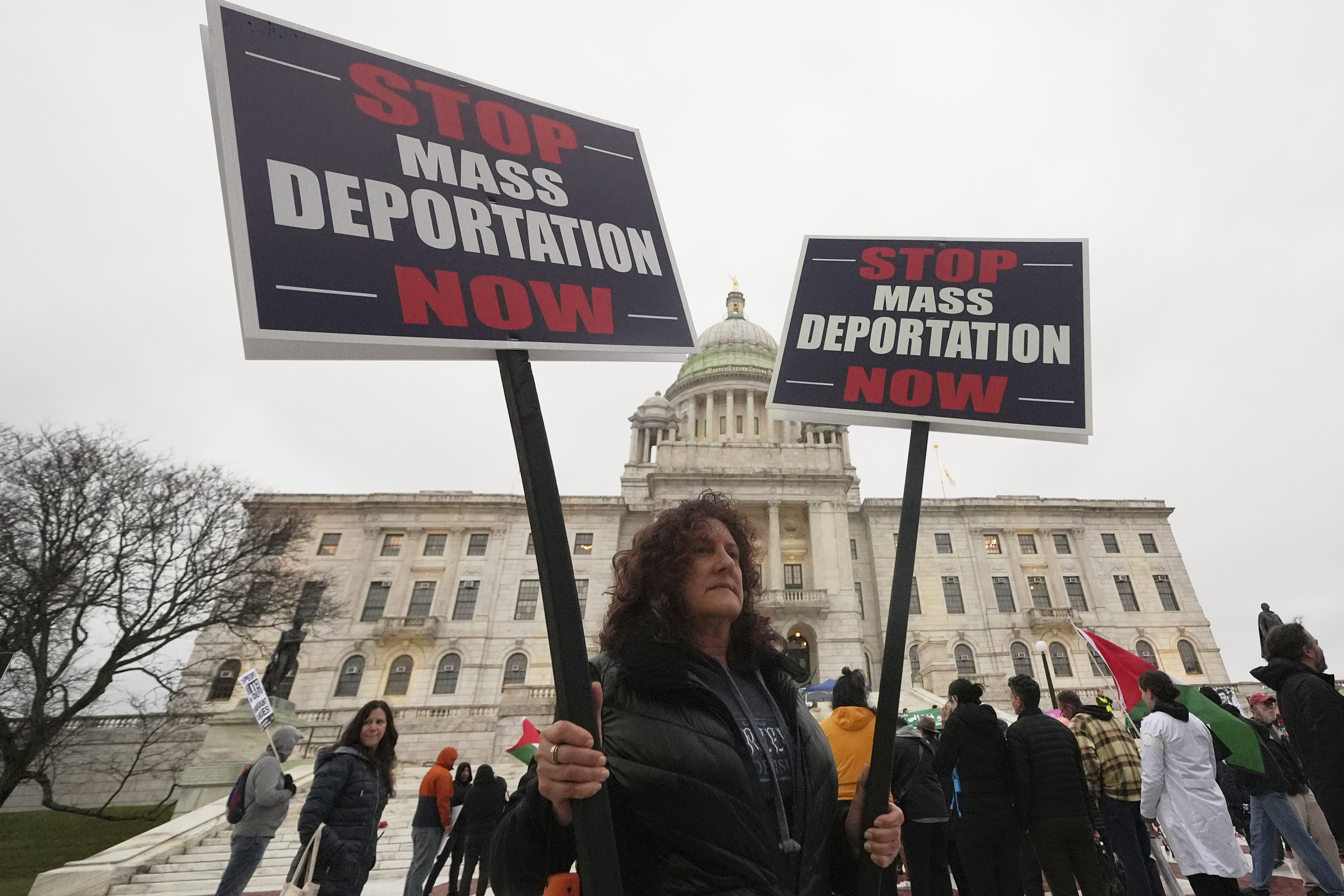
The Trump administration faced several legal showdowns over its policy of mass deportation in March, after questions were raised about its failure to abide by a court protection order in one case and a decision to ground two deportation flights in another.
Trump also expanded the administration's deportation dragnet to include student protesters whose views it saw as antithetical to its foreign policy. Here are some of the month's top stories:
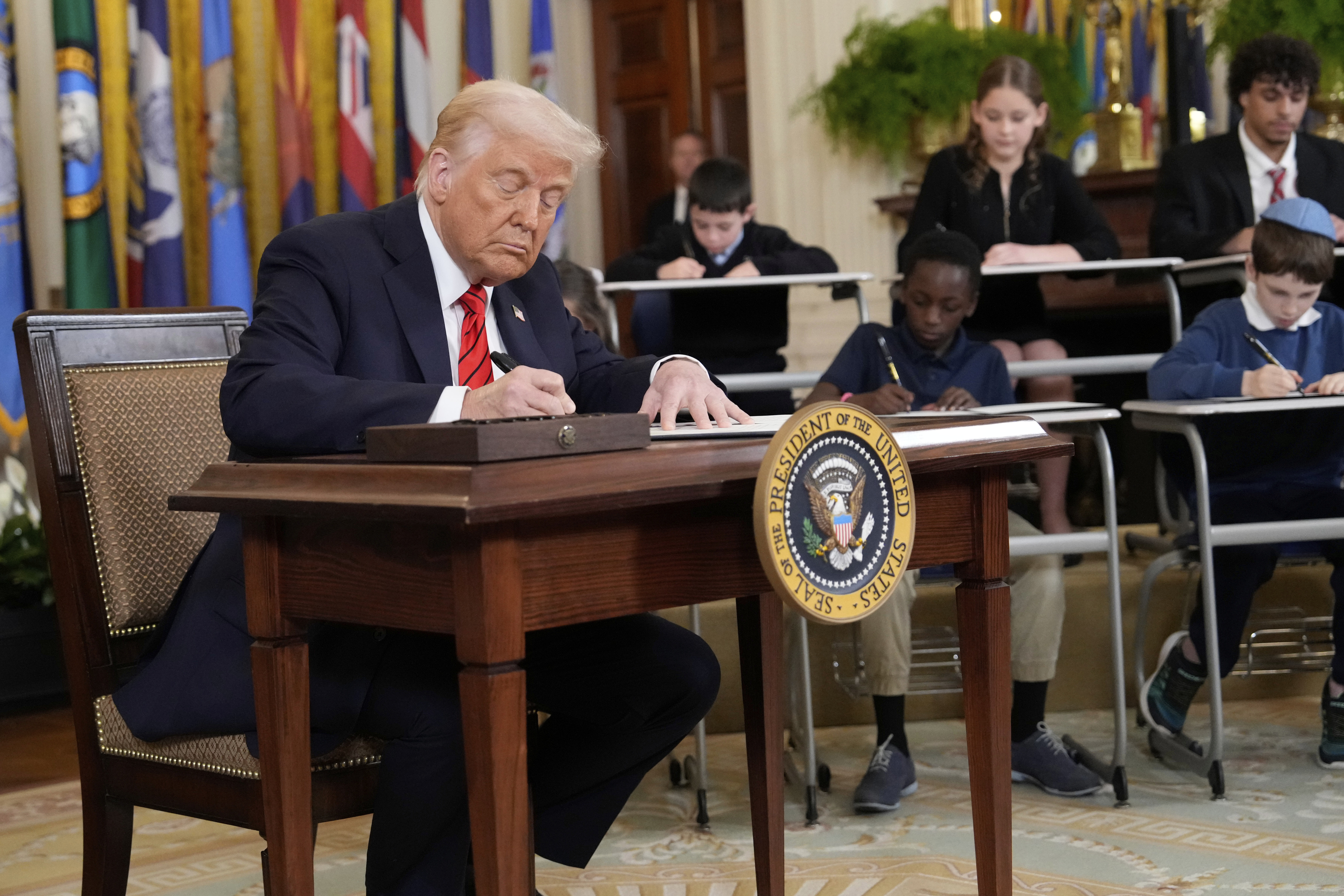
- NATIONAL LANGUAGE: Trump kicks off the month by signing an executive order designating English as the US's official language, peeling back government programmes to help residents with limited English proficiency.
- WARTIME LAW: In another executive order, Trump invokes the Alien Enemies Act of 1798, a wartime law only used three times before, to swiftly deport foreign nationals without a judicial review or hearing.
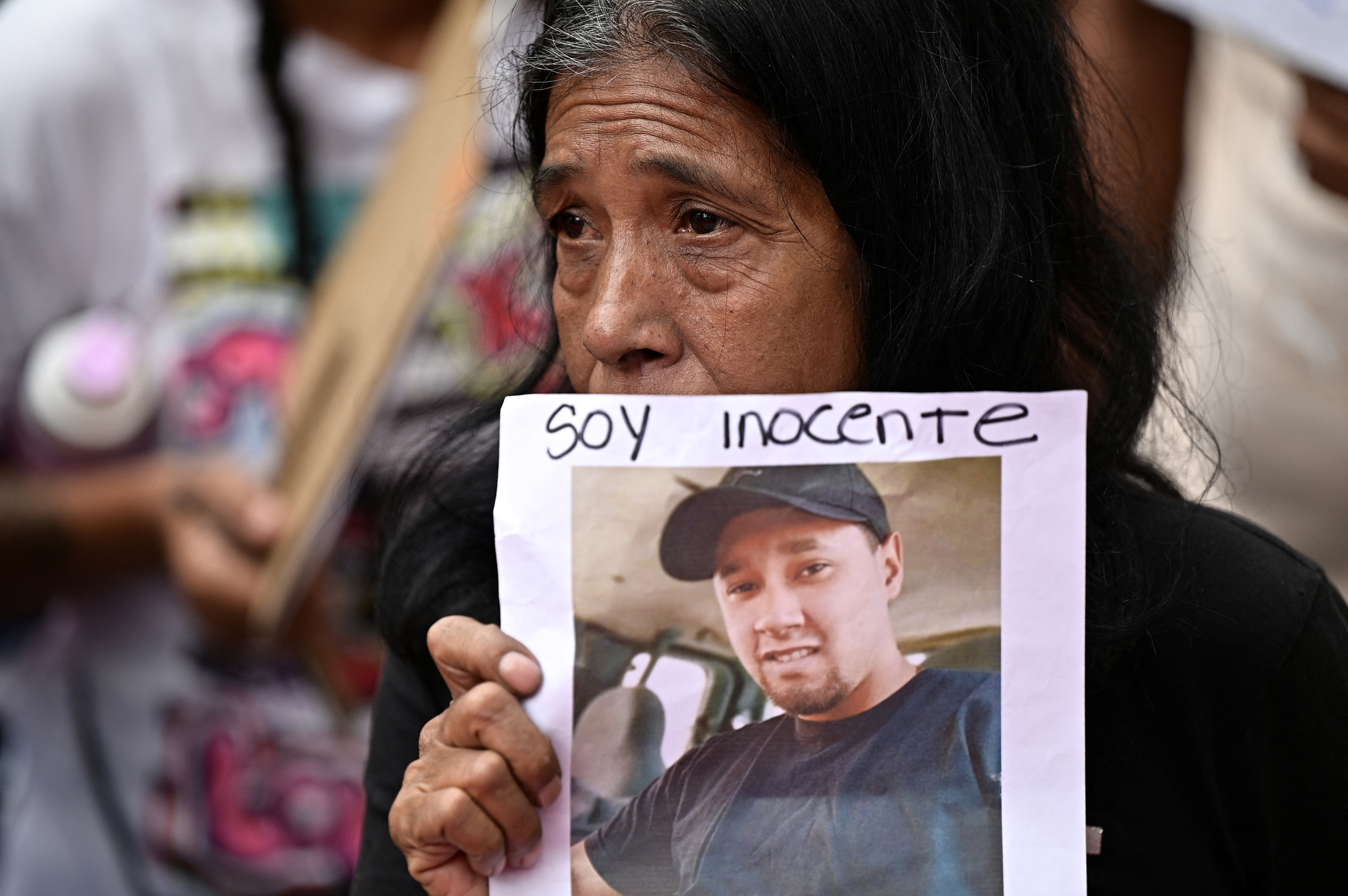
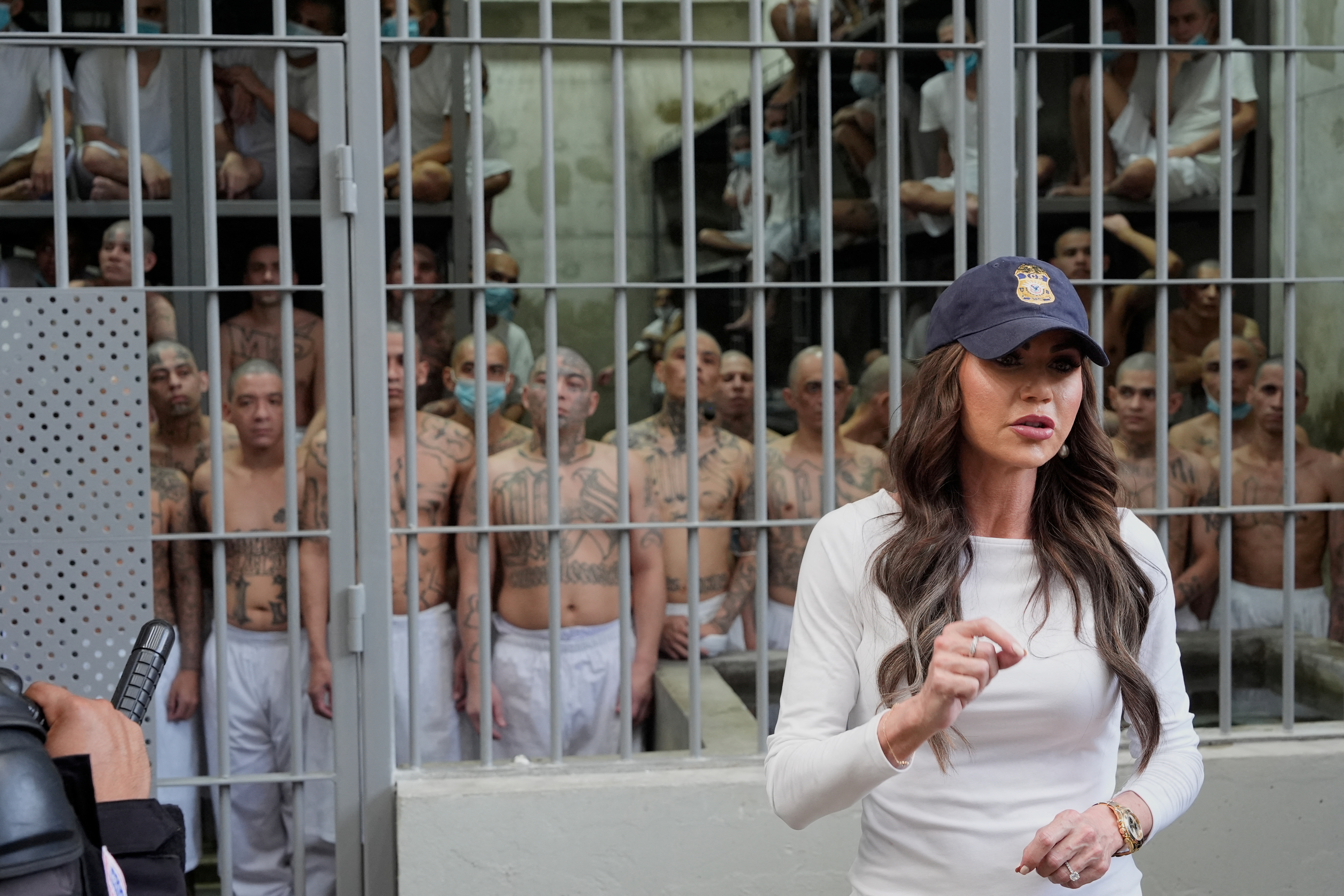
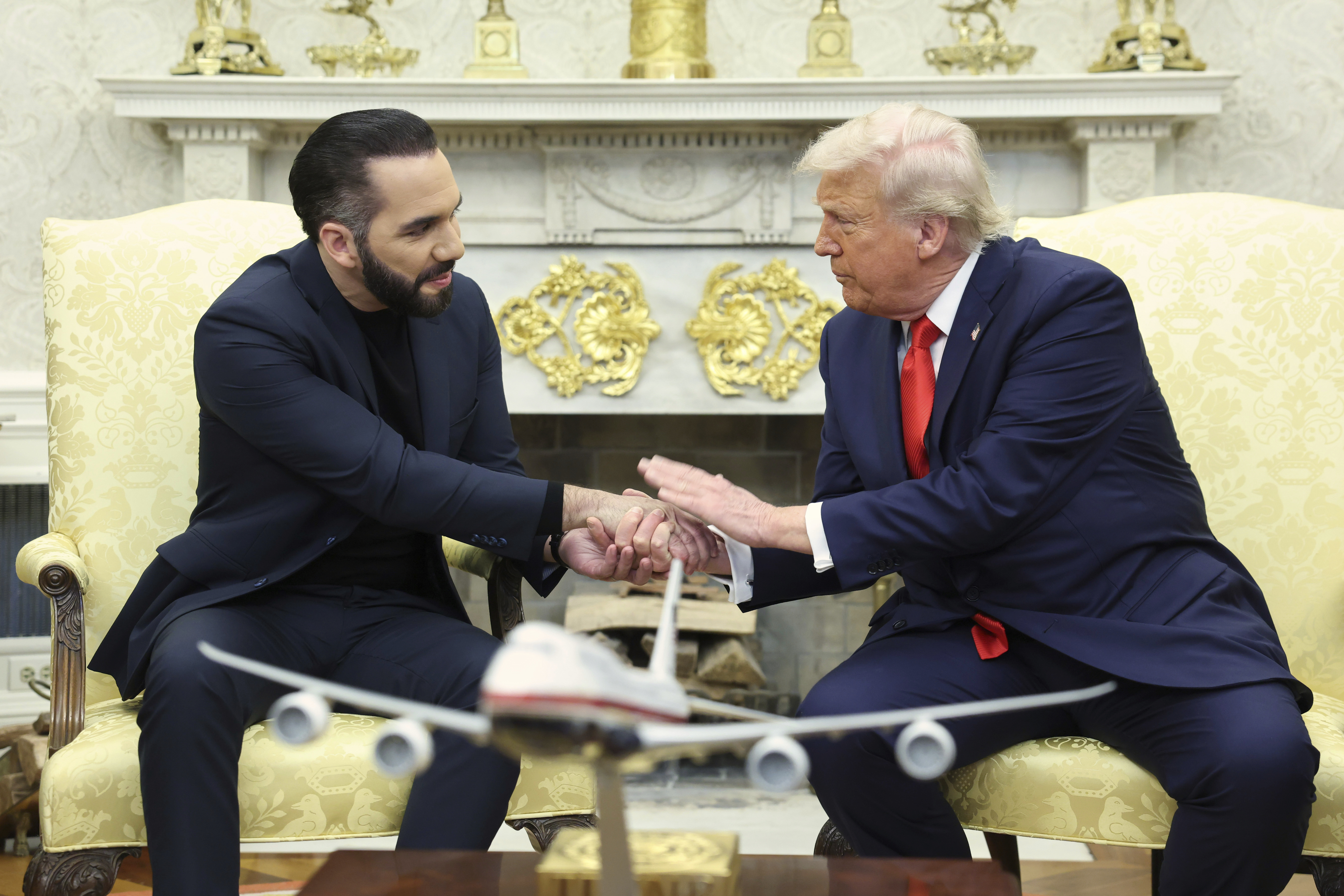
- EL SALVADOR: As part of a $6m deal, the Trump administration deports more than 200 Venezuelans to El Salvador's Terrorism Confinement Center (CECOT), despite not showing proof that the men are criminals. The administration appears to defy a court order calling for the deportation flights to return to the US.
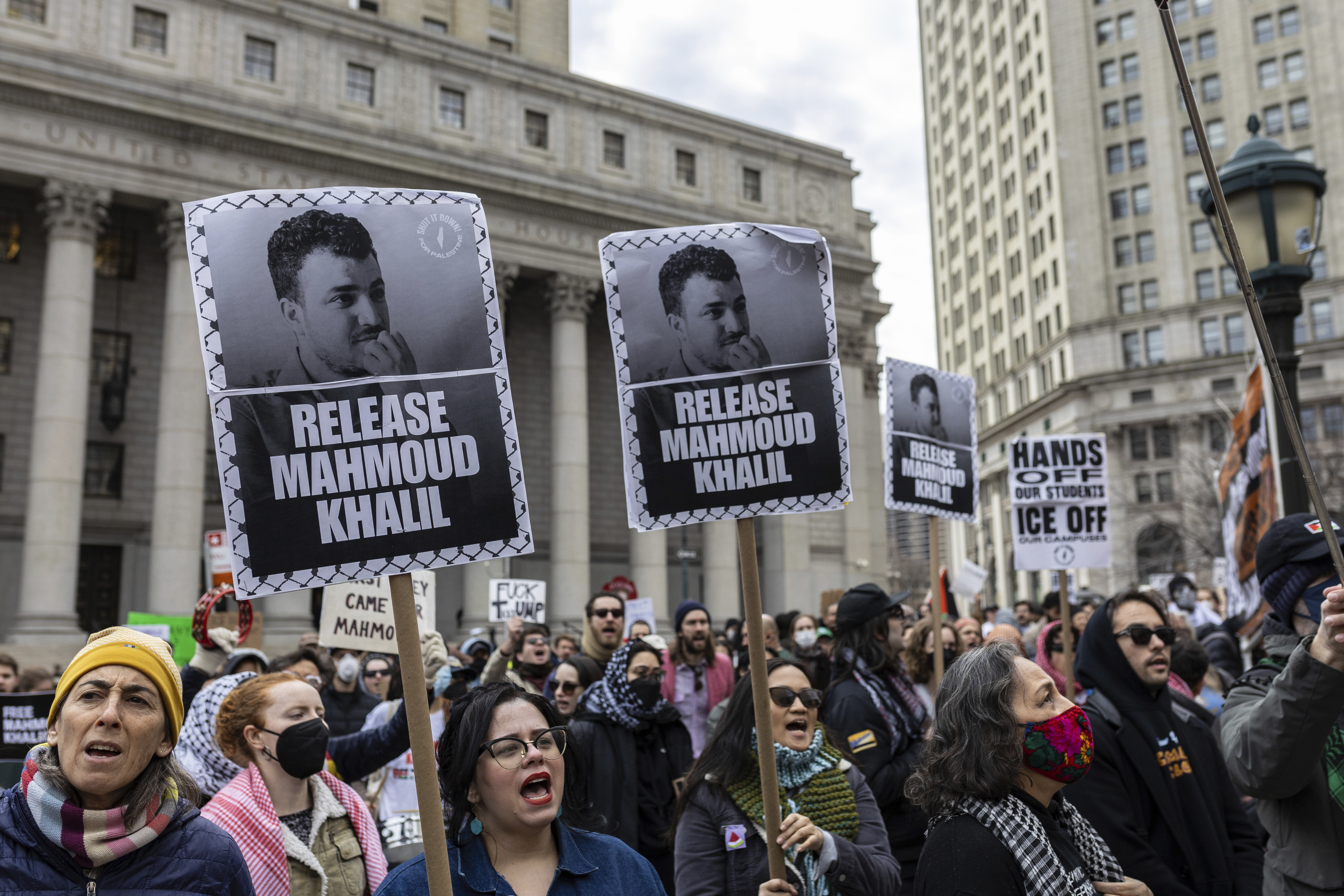
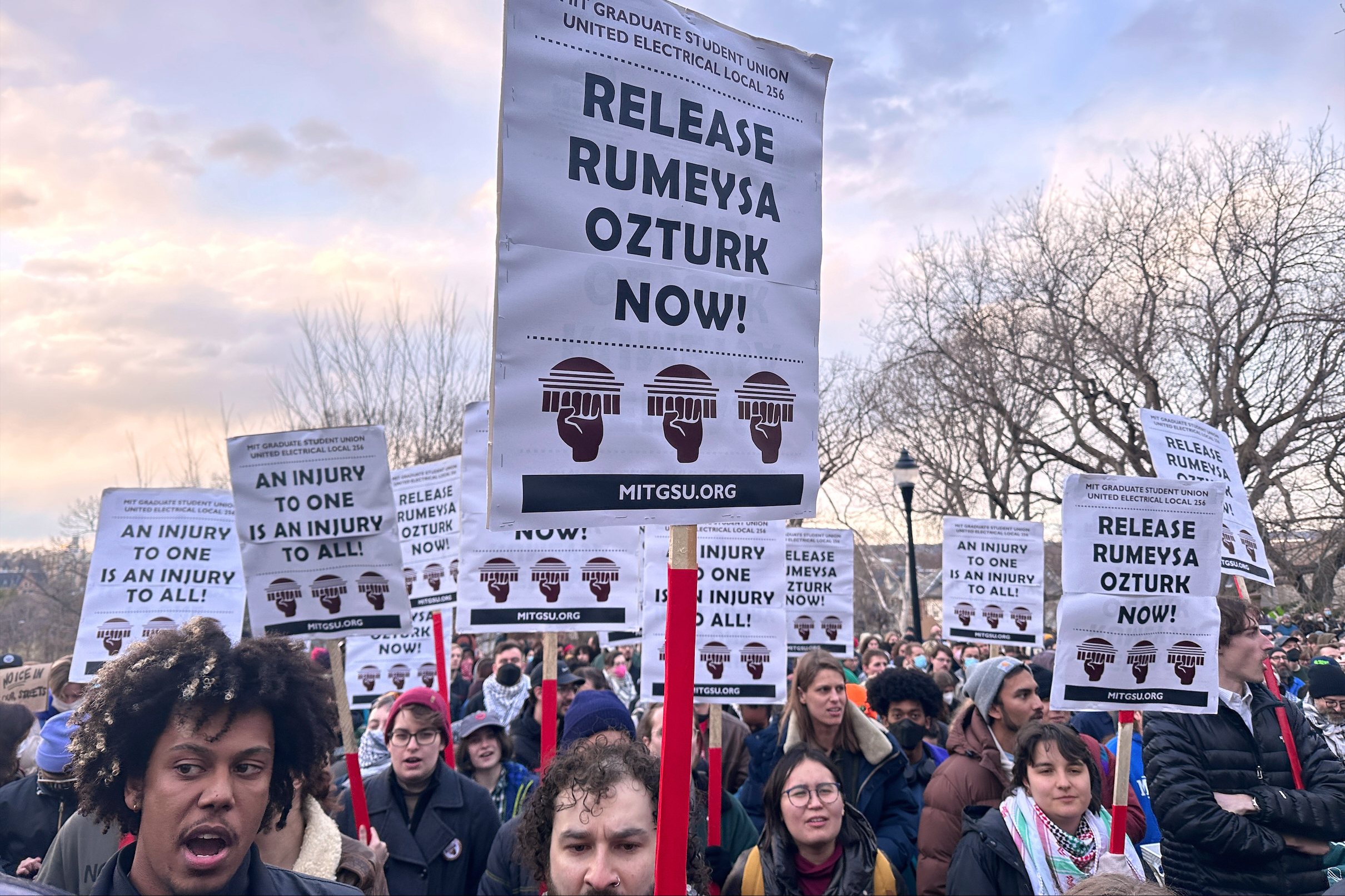
- STUDENT PROTESTERS: Federal immigration agents detain Columbia University student protest leader Mahmoud Khalil, setting off a series of controversial deportation proceedings that critics decry as attempts to suppress pro-Palestinian sentiment.
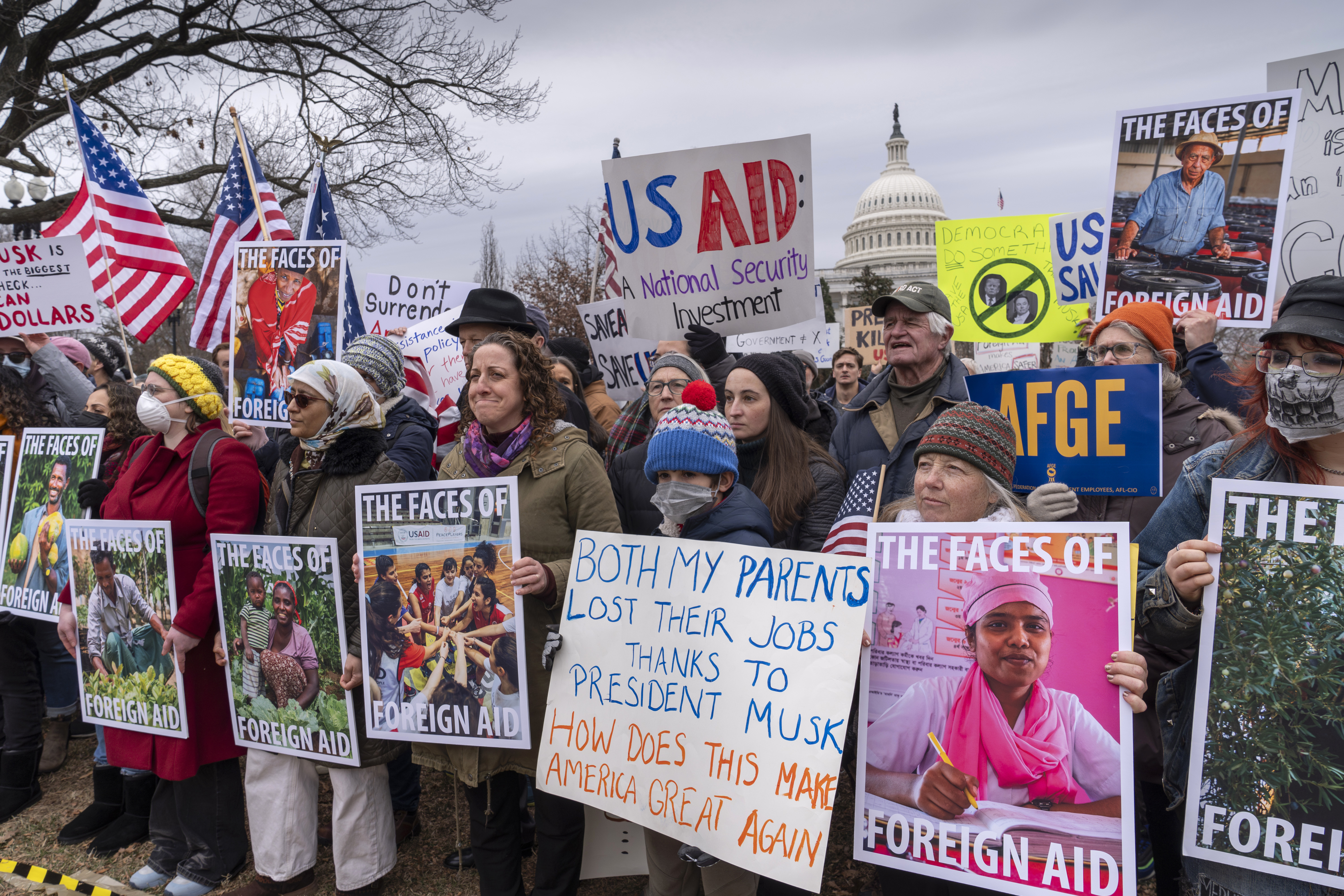
- FOREIGN AID: Secretary of State Marco Rubio announces that 83 percent of all contracts under the US Agency for International Development (USAID) have been cancelled, as the State Department works to dismantle the agency.
- LAW FIRM SQUEEZE: Trump issues an executive order stripping security clearances from the law firm Perkins Coie, the first of several law offices he seeks to punish for hiring political rivals or representing causes he opposes.
- UNIVERSITY PRESSURE: In reaction to pro-Palestinian protests on campus, the Trump administration cancels $400m in federal grants and funding to Columbia University, which ultimately agrees to a series of demands.
- MILITARY ATTACKS: Trump announces a military operation in Iraq to kill ISIL (ISIS) leader Abu Khadija. Separately, he also launches a bombing campaign against the Houthi rebels in Yemen after they threaten ships in the Red Sea.
- SIGNALGATE: The editor-in-chief of The Atlantic magazine is accidentally added to a private Signal conversation where Defense Secretary Hegseth reveals sensitive details of the Yemen bombing campaign, including the timing of the attacks.
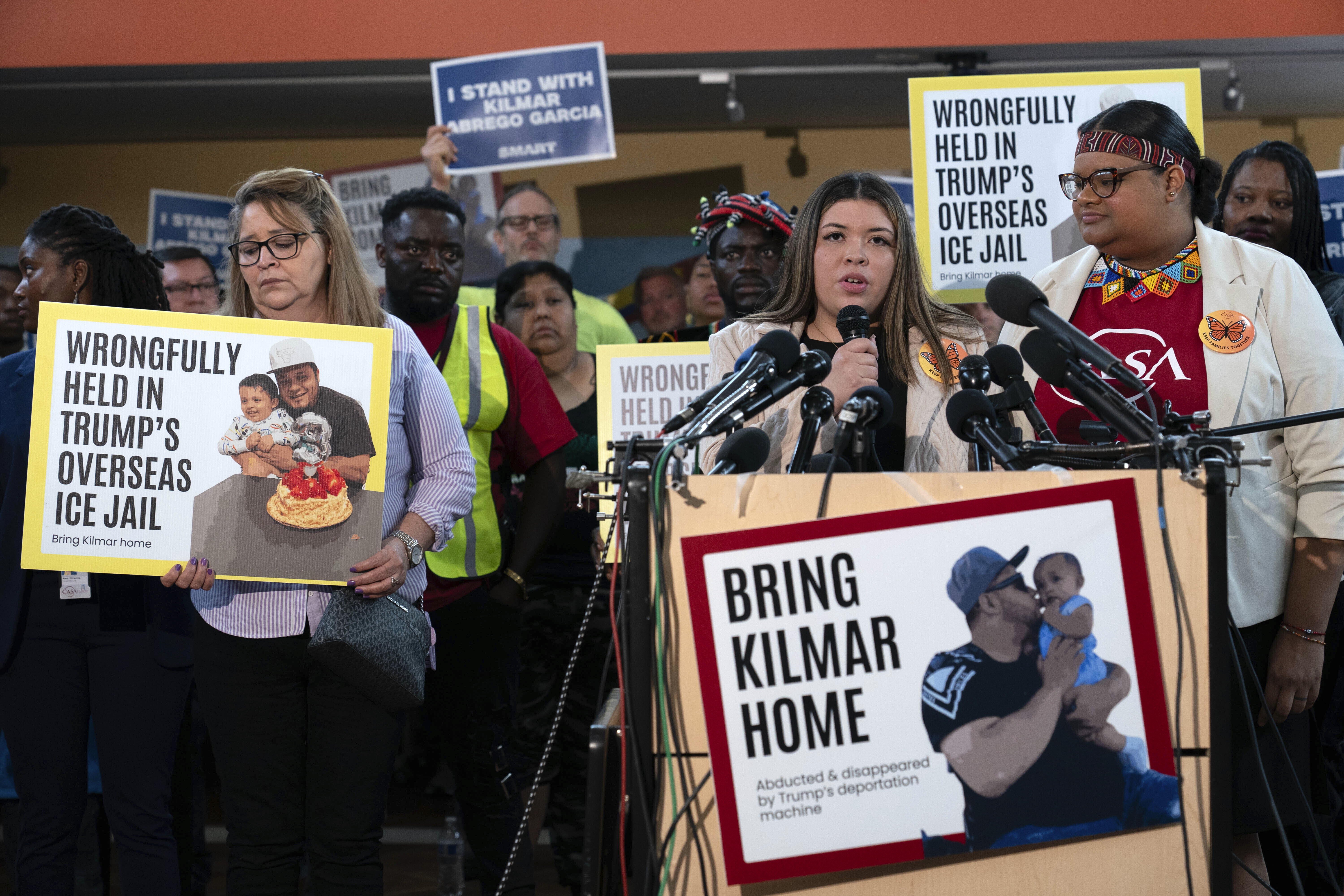
- PROTECTION ORDER: Salvadorian man Kilmar Abrego Garcia is deported despite a court protection order assuring his ability to stay in the US, in what the Trump administration initially calls an "administrative error".

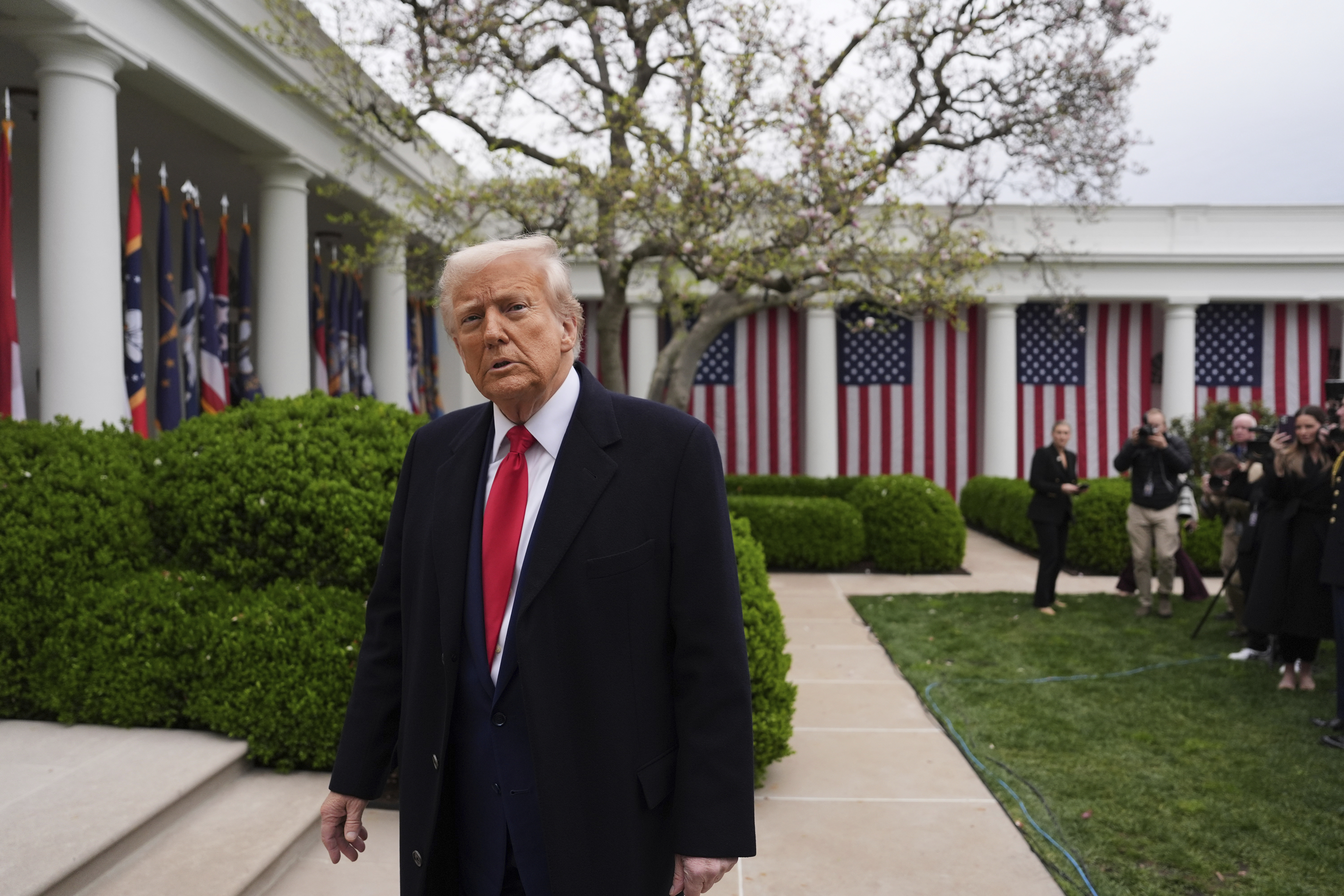







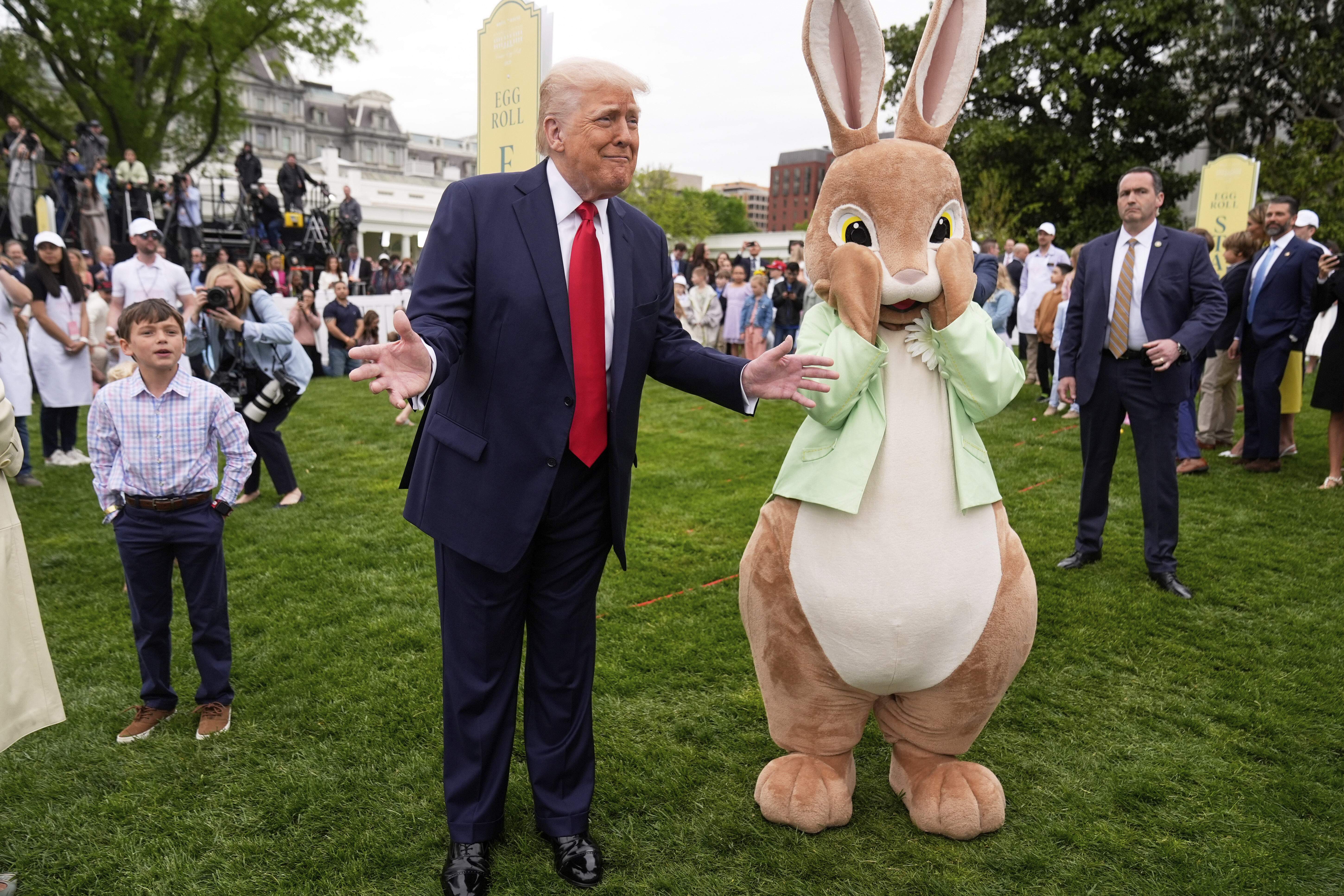


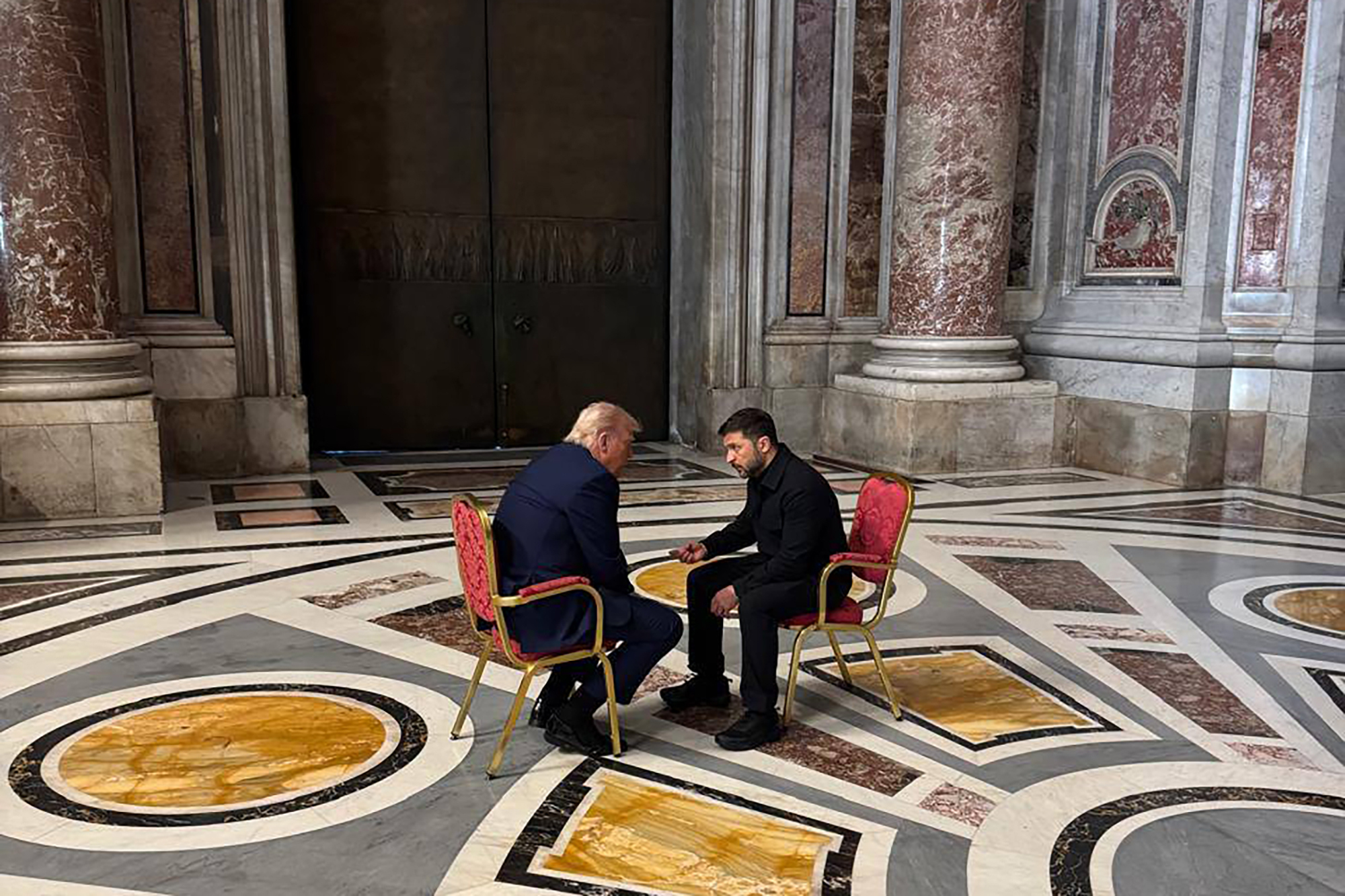
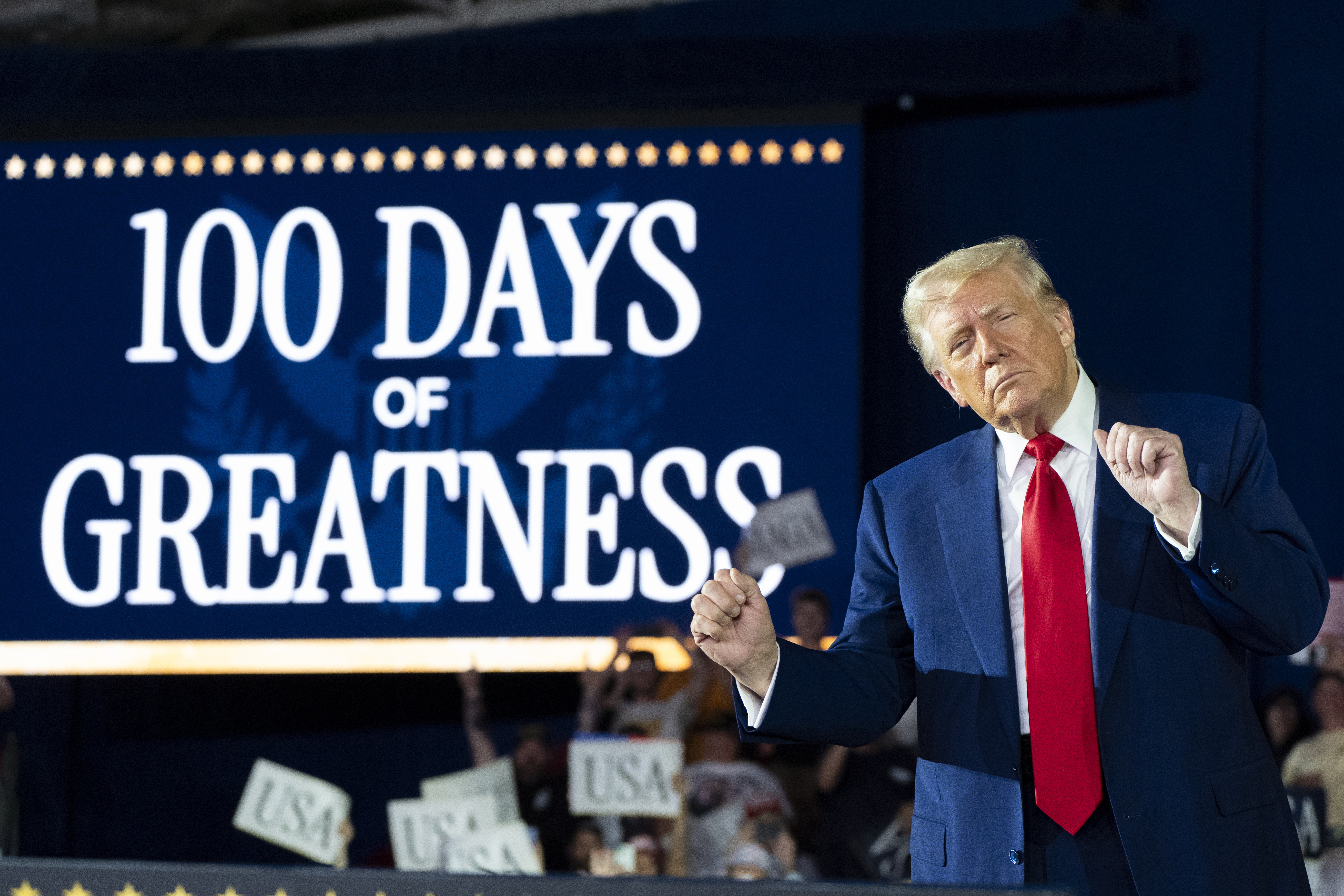
April 2025 at a glance
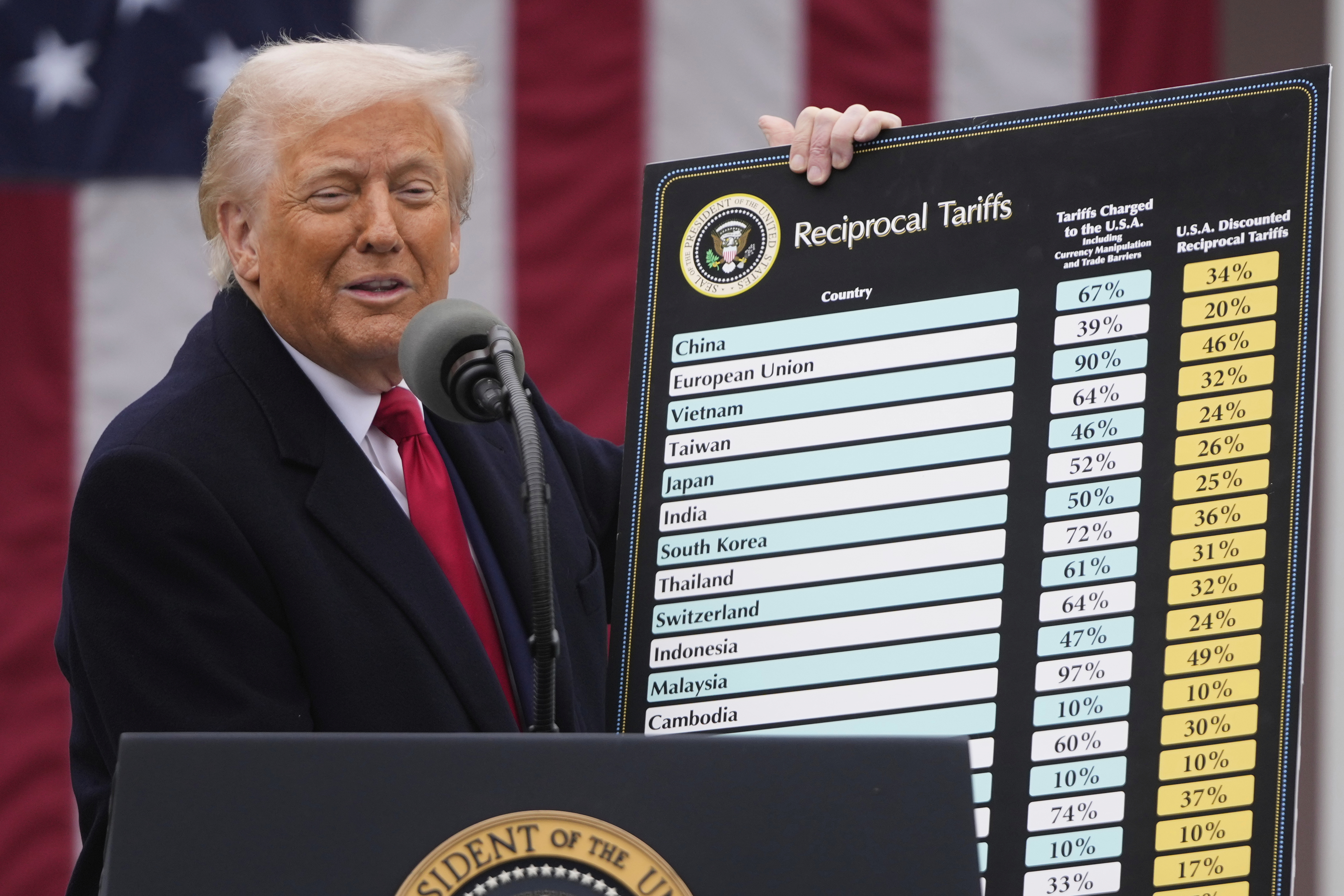
Declaring a national emergency to rebuild the US economy, Trump used April to unveil a controversial tariff agenda, which included individualised rates for certain trading partners.
Trump promised the tariffs would help fill government coffers, offset the national debt and reduce the tax burden of citizens. But critics warned that the import taxes could create higher prices for consumers and strain relations with allies. Here are some of April's top headlines:
- LIBERATION DAY: Dubbing the occasion "Liberation Day", Trump unveils a baseline tariff of 10 percent on virtually all foreign imports to the US, as well as additional country-specific tariffs.
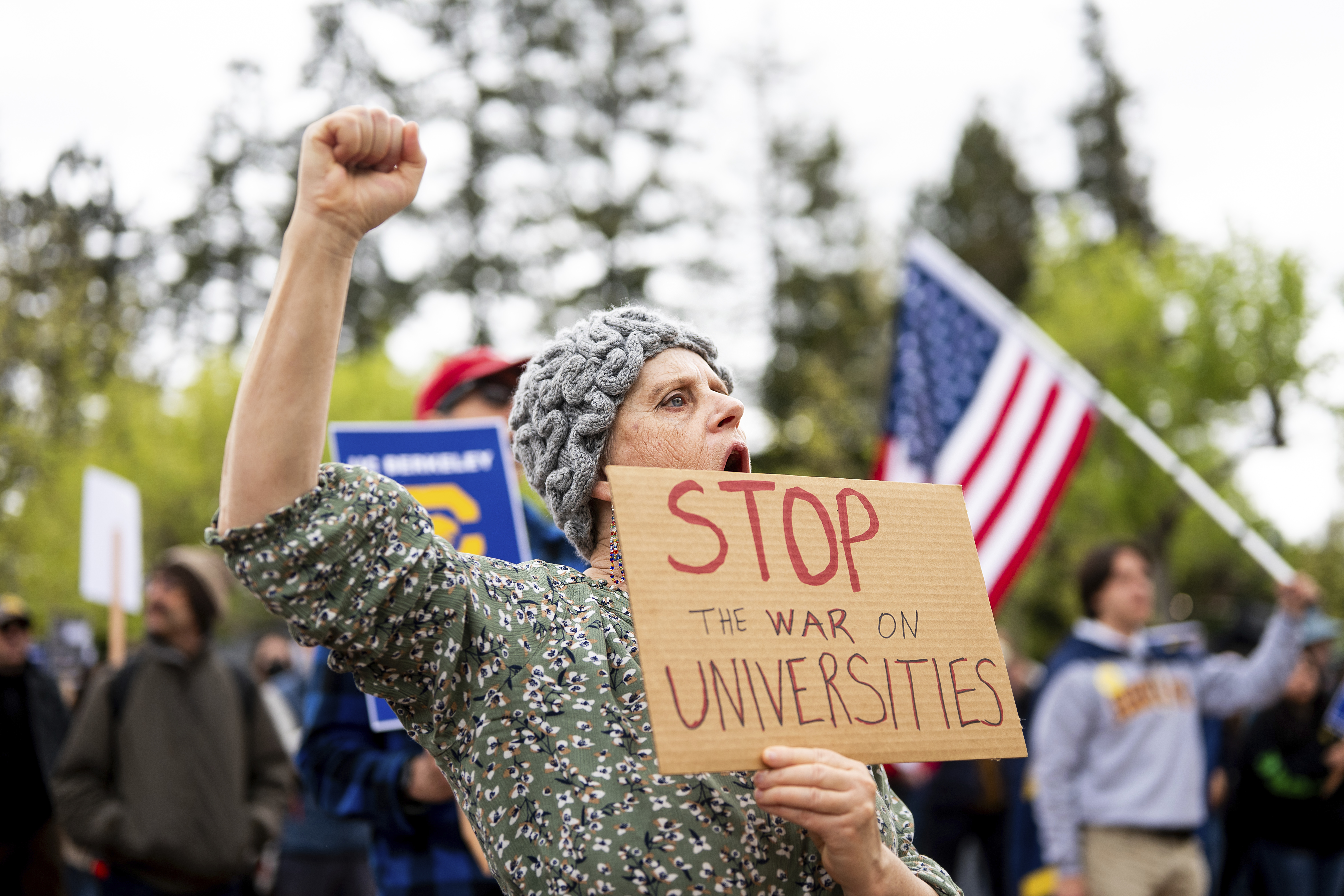
- HARVARD: The Trump administration cuts $2.2bn in federal grants and funding to Harvard University after the Ivy League school refused to submit to its demands, including audits of its admissions and hiring practices.
- ERIC ADAMS: The Justice Department drops its criminal prosecution of New York City Mayor Eric Adams, amid rumours of a rapprochement with Trump, and several federal prosecutors resign in protest.
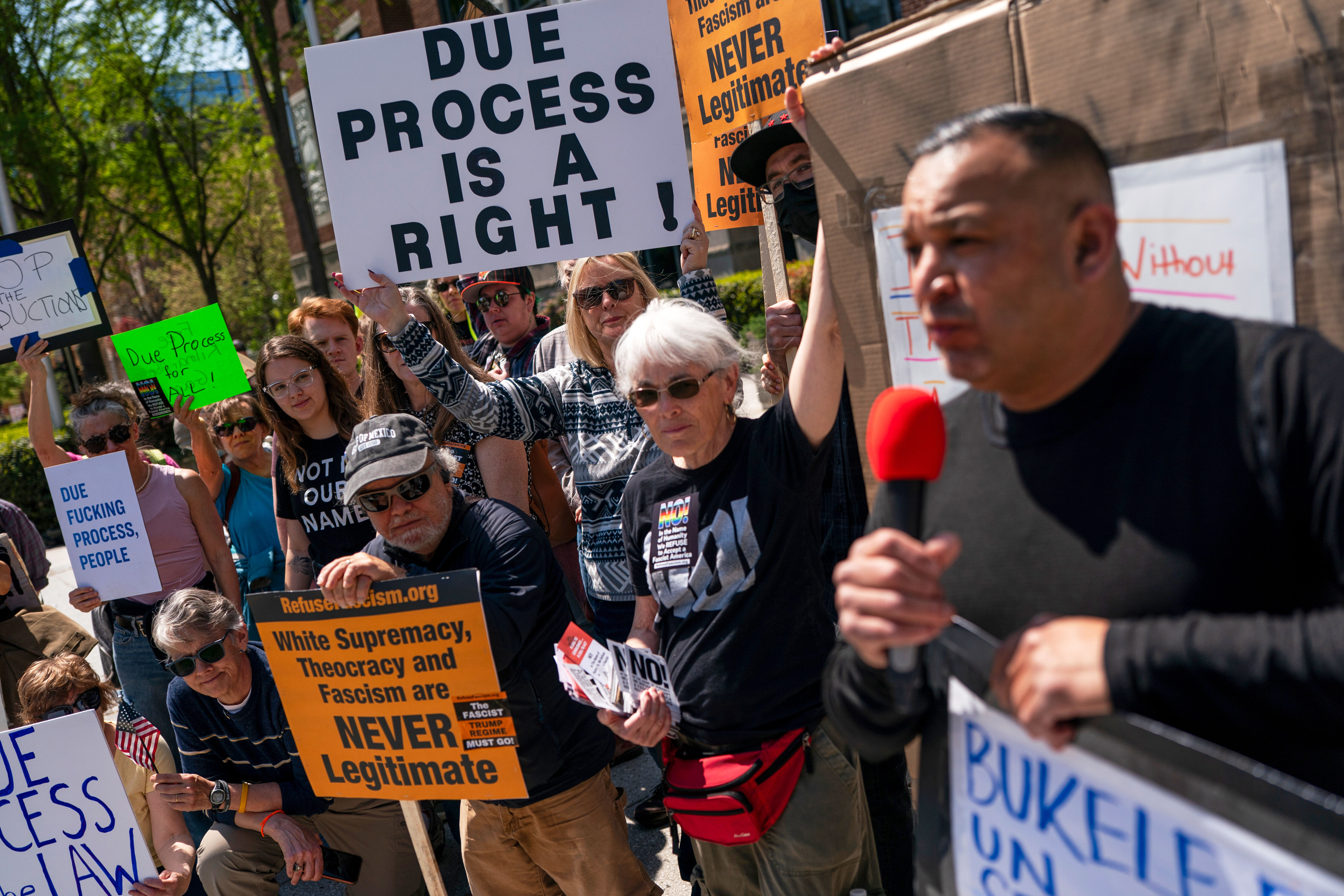
- COURT REBUKE: The Supreme Court affirms that immigrants targeted for deportation must have the ability to challenge their removals as part of their due process rights. It also affirms that the Trump administration must "facilitate" the return of the wrongfully deported man, Kilmar Abrego Garcia.
- FEDERAL RESERVE: Trump escalates his attack on Jerome Powell, the Federal Reserve chair he appointed during his first term, writing that Powell's "termination cannot come fast enough".
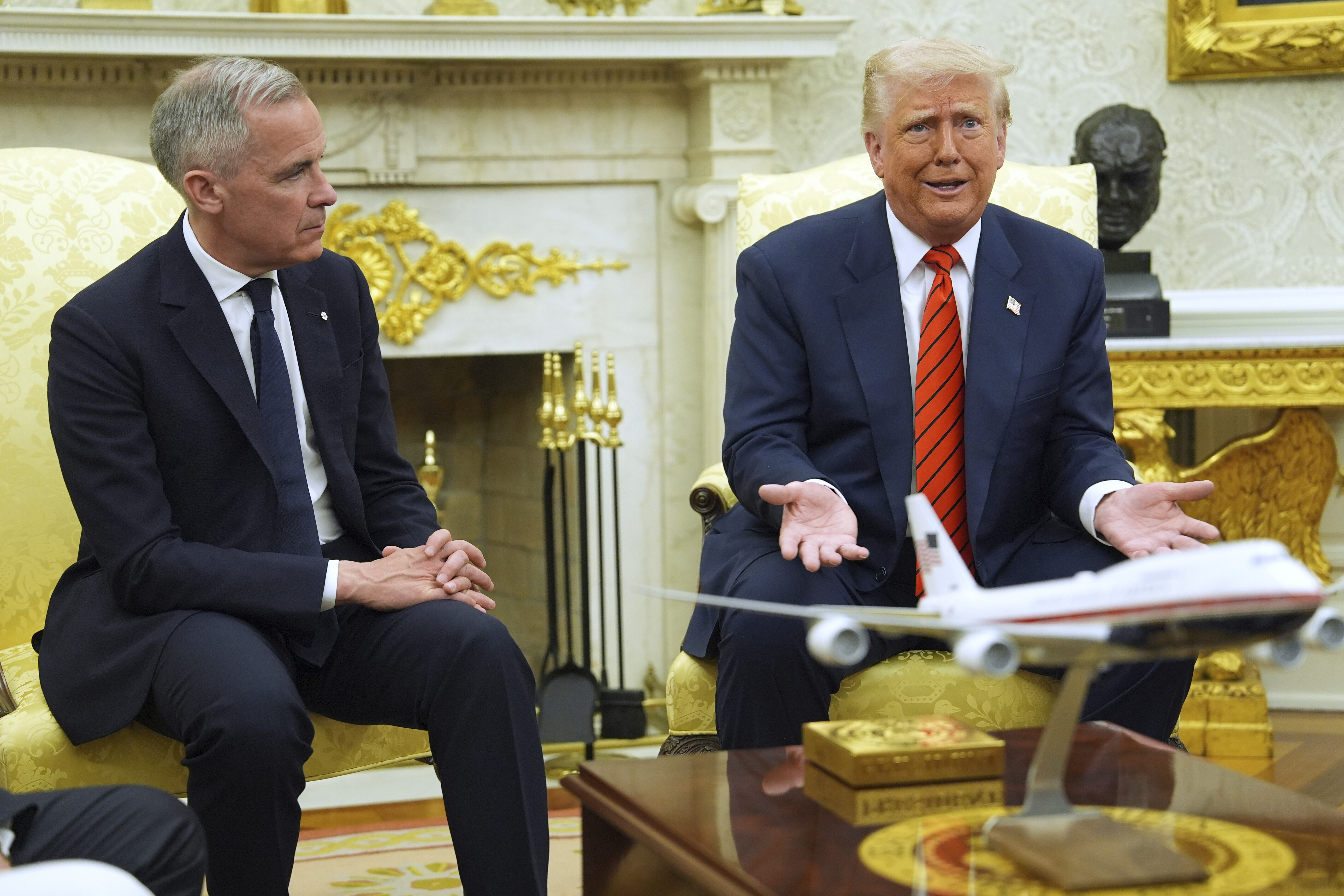
- CANADA VOTES: Trump's tariff threats and his repeated suggestions that Canada should be a US state lead to an outpouring of nationalism in the US's northern neighbour, as well as a resurgence of Canada's Liberal Party, which defeats its Conservative rivals to win a fourth straight term.
- WISCONSIN TEST: Elon Musk spends nearly $25m to influence a state Supreme Court race in Wisconsin, but the Republican candidate he backs loses by a 10-point margin.
- MERITOCRACY: Continuing his push against diversity, equity and inclusion (DEI) initiatives, Trump issues an executive order calling for "a colorblind society" in which advancement is based solely on merit.
- CHINA TENSIONS: Returning to a trade war he began in his first term, Trump hikes tariffs against China up to 145 percent, prompting the Asian superpower to respond with its own 125-percent tax on US goods. Beijing denounces the steep rates as a "joke".
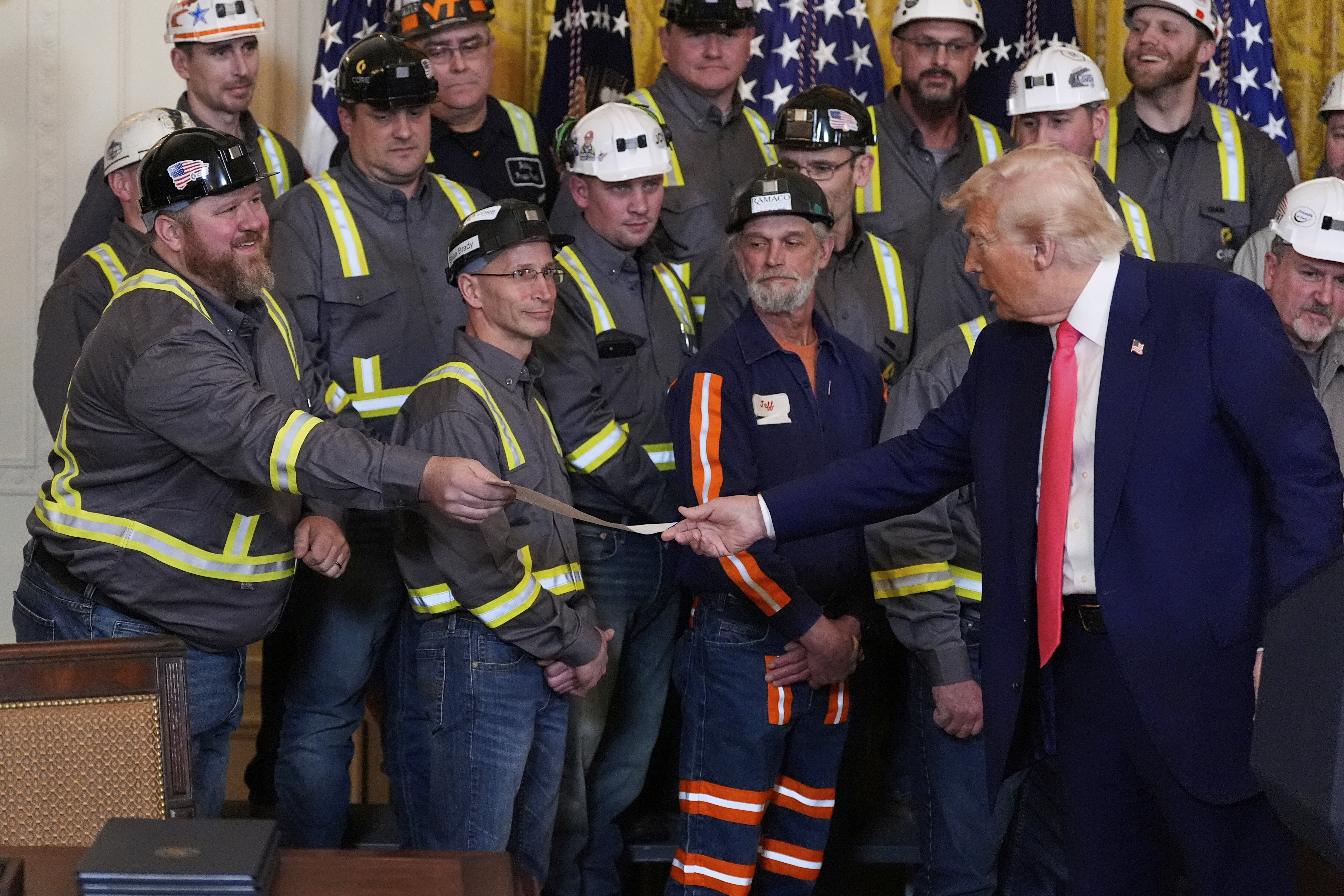
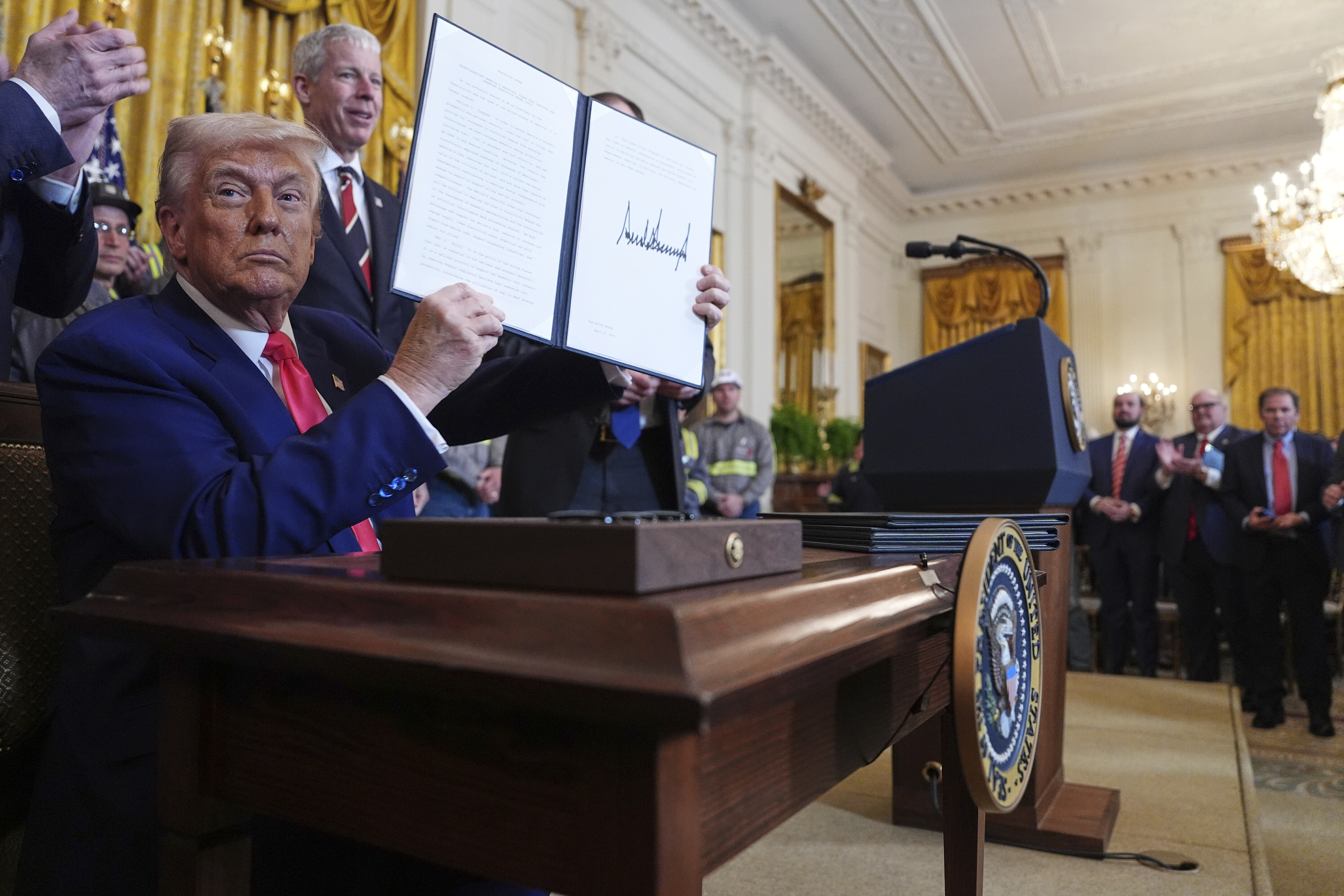
- COAL PRODUCTION: The Trump administration lifts the moratorium on federal coal leases and reduces coal regulations, calling the combustible rock "essential to our national and economic security".






May 2025 at a glance
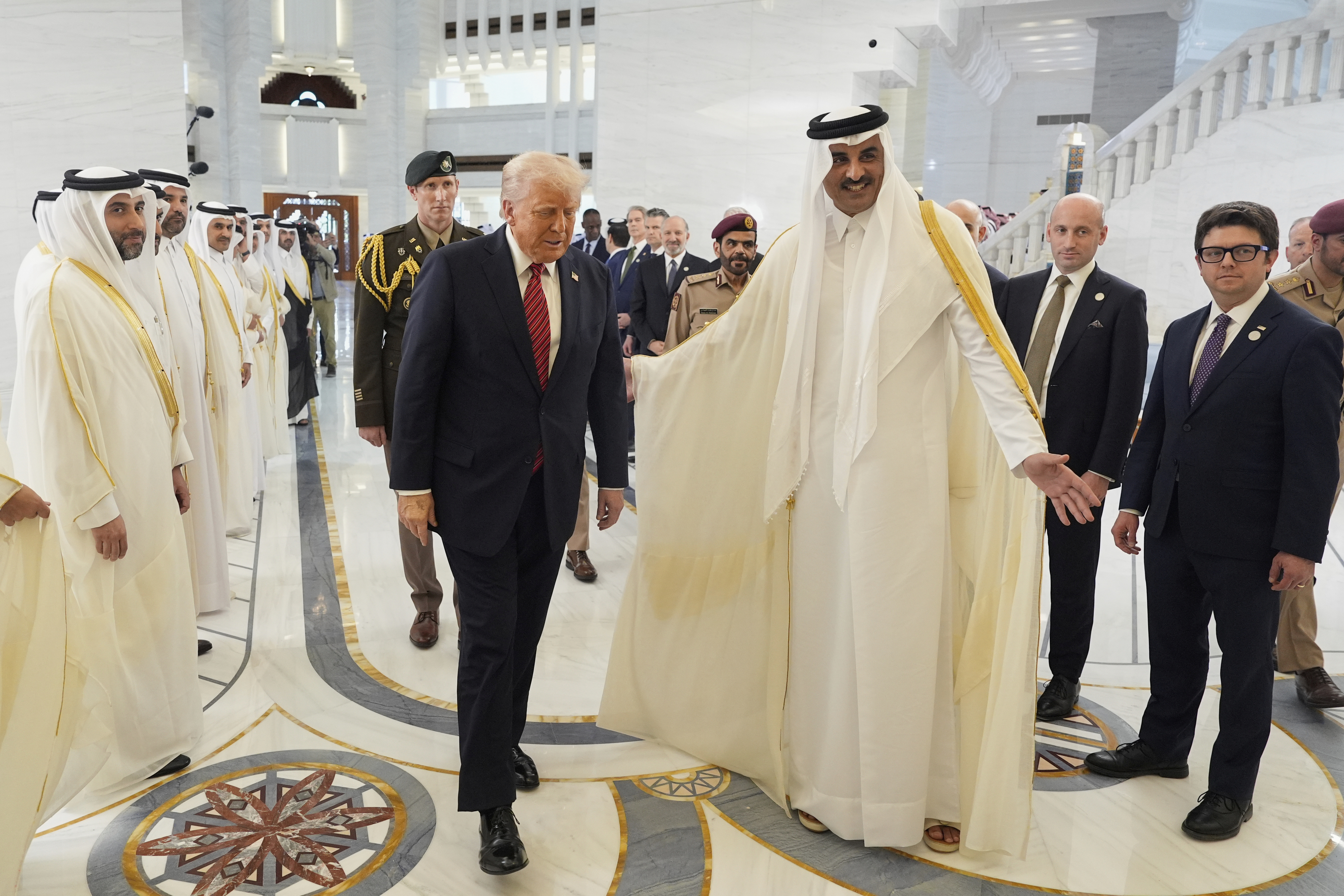
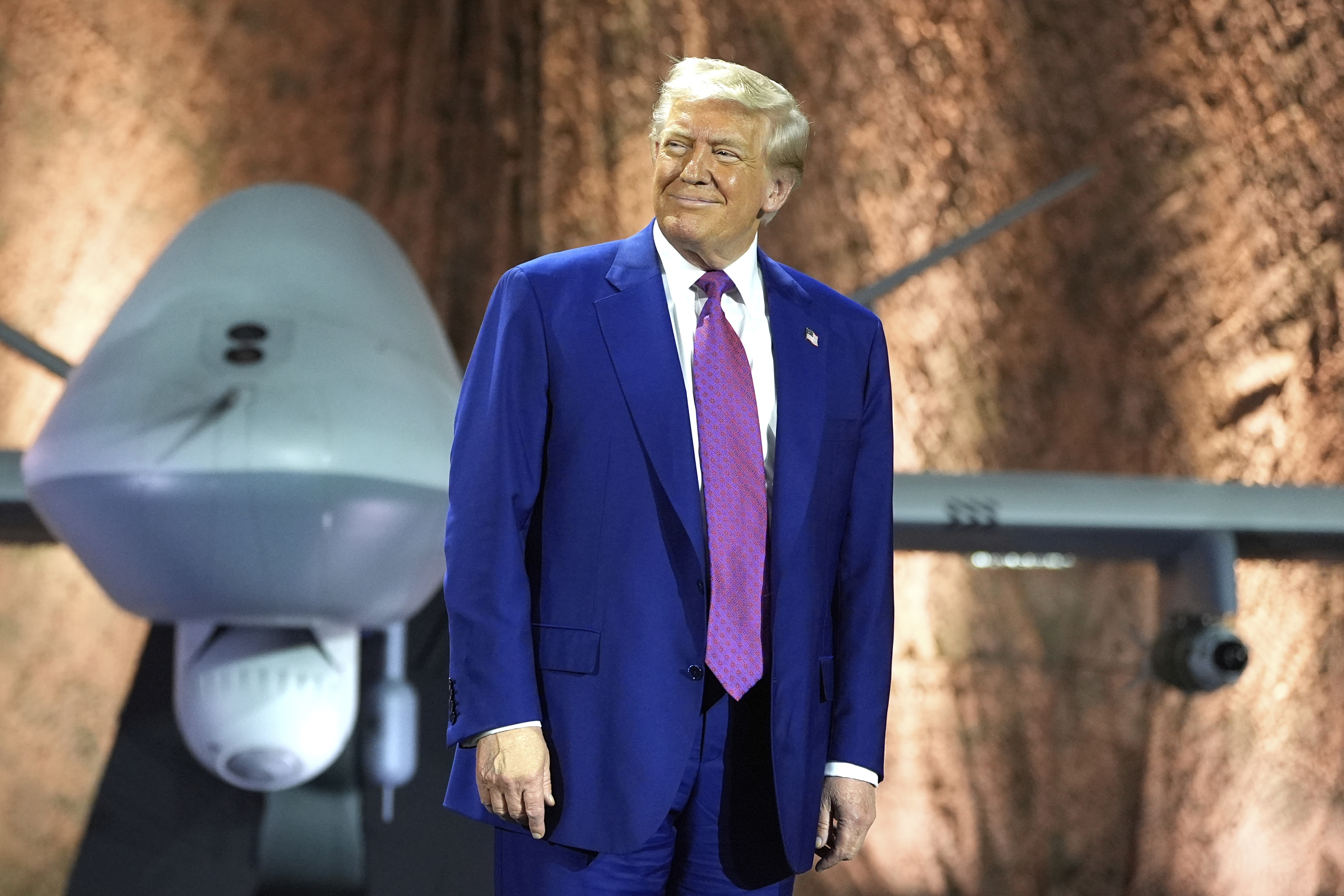
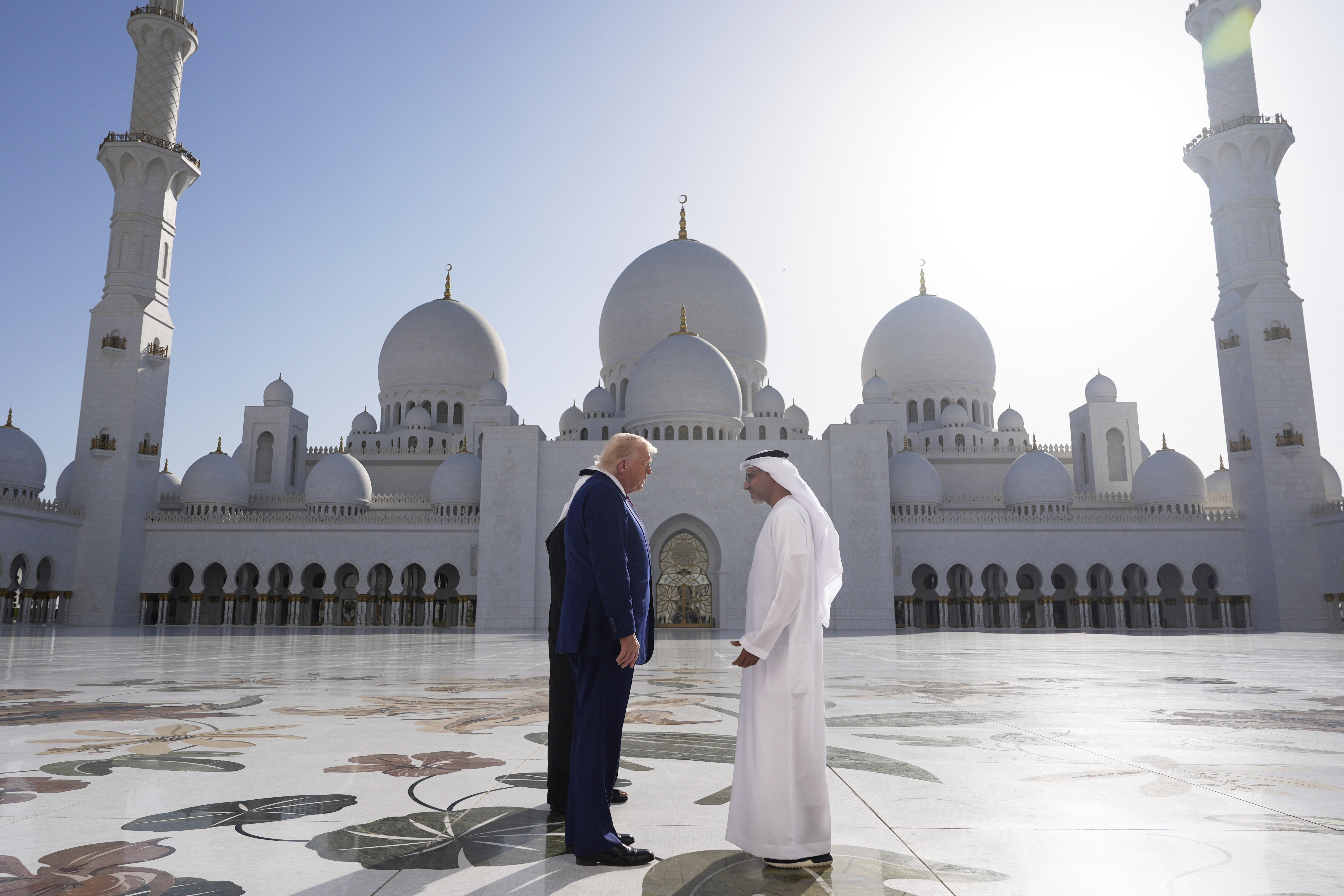
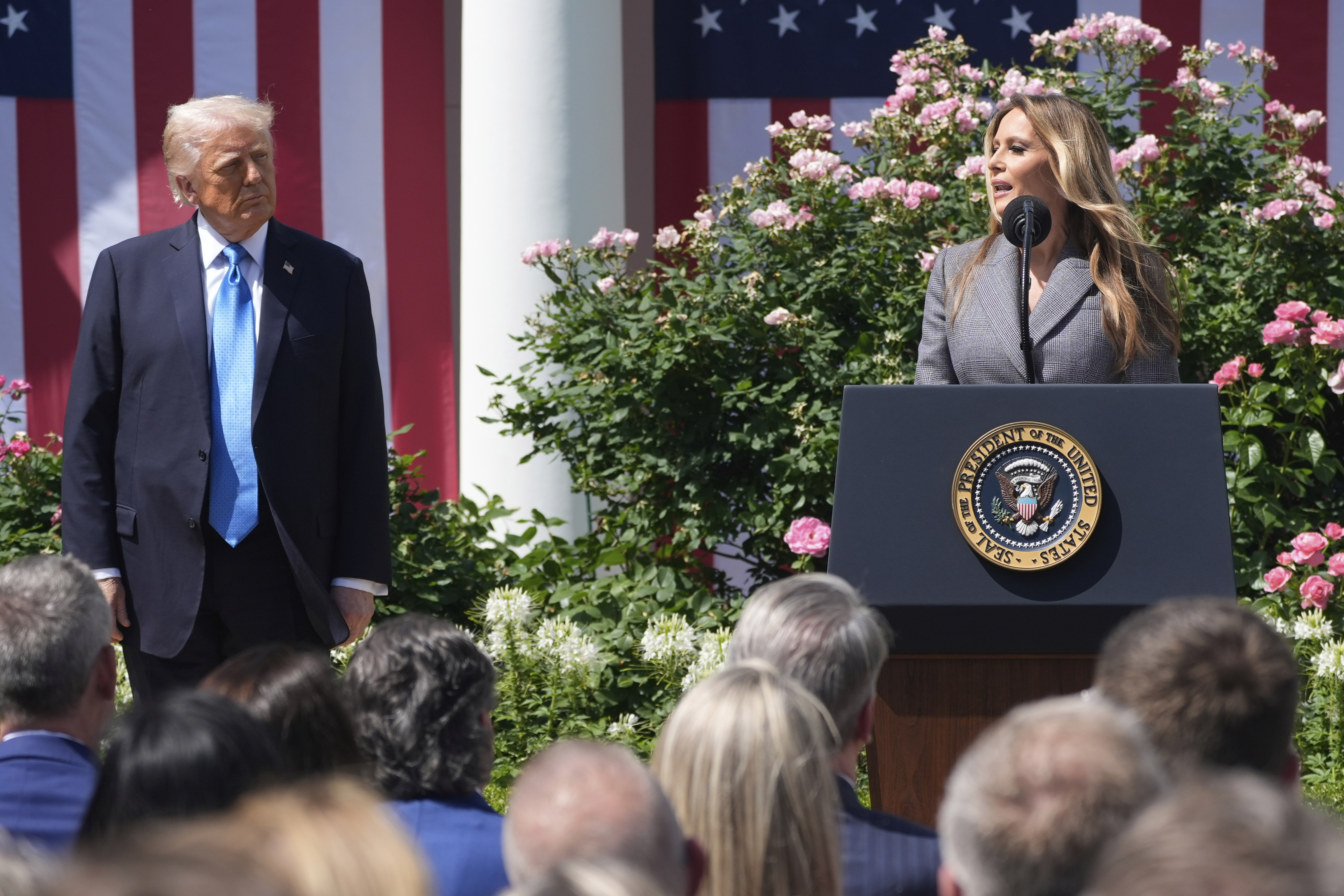
While Trump briefly left the US in April to attend Pope Francis's funeral, he set out on a full-fledged diplomatic tour in May, the first of his second presidency.
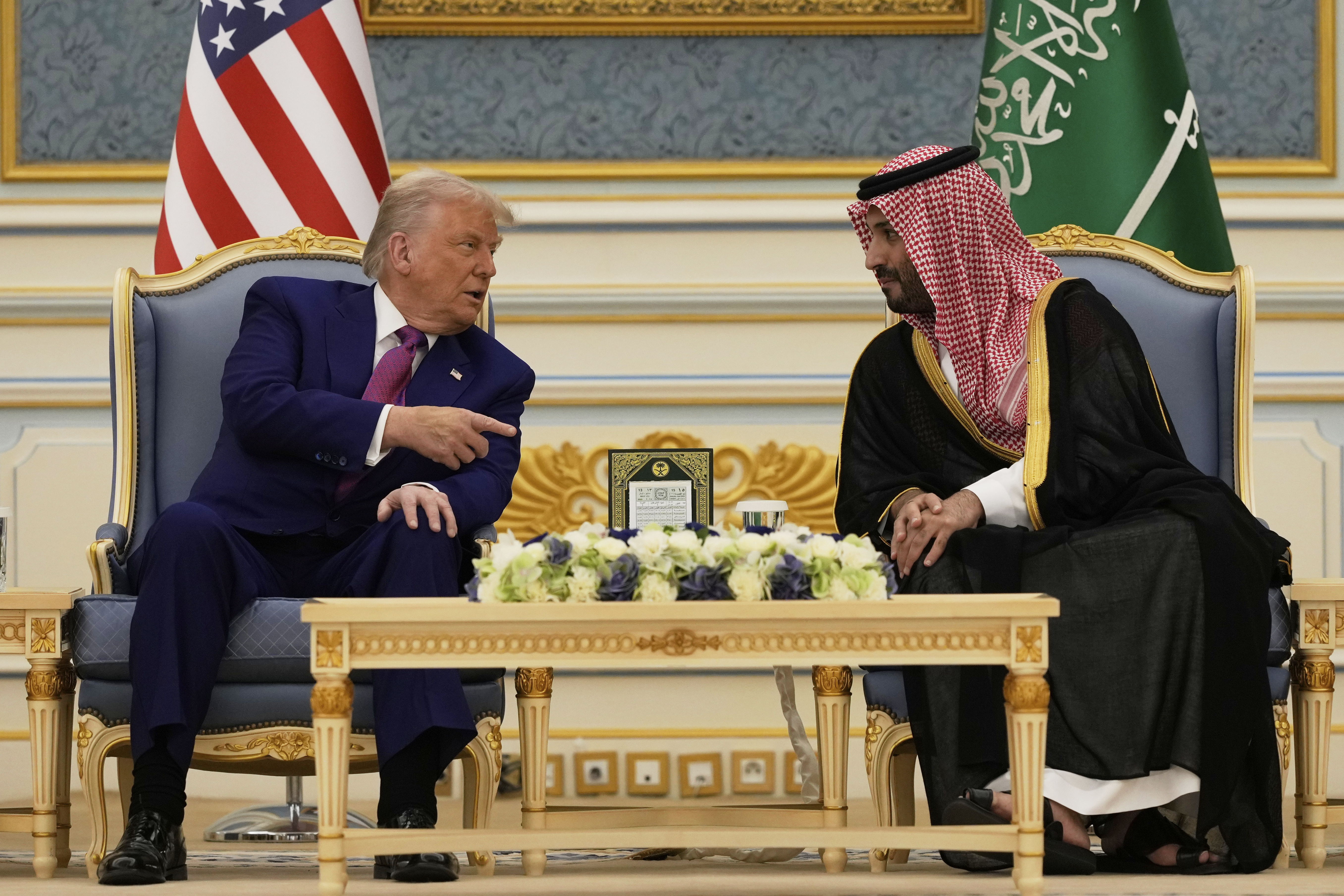
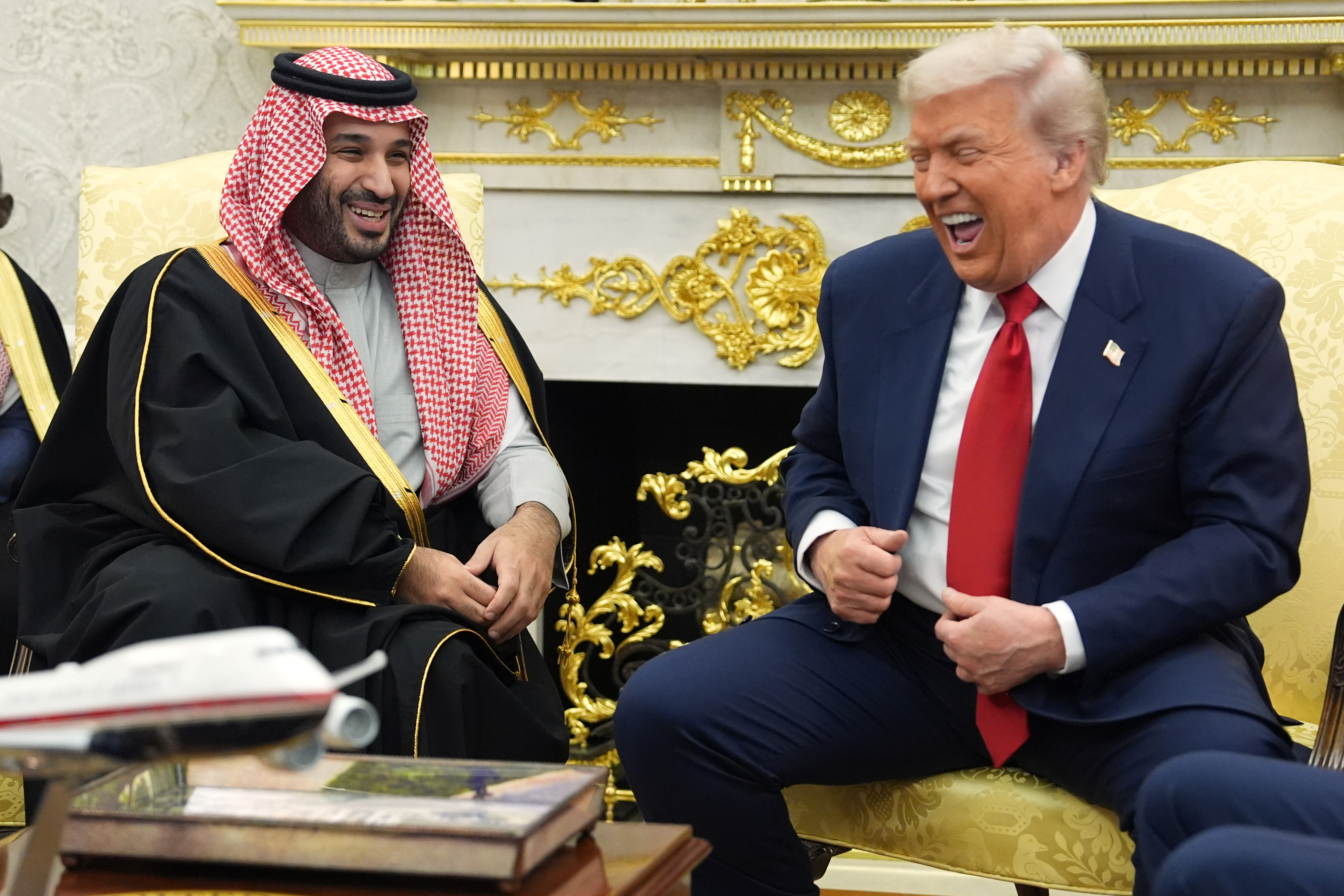
Just as during his first term, his first stop was in Saudi Arabia. While Trump played up the international investments he gathered in each successive country, critics questioned whether the president was engaged in influence-peddling and self-dealing. Here are some of the month's top headlines:
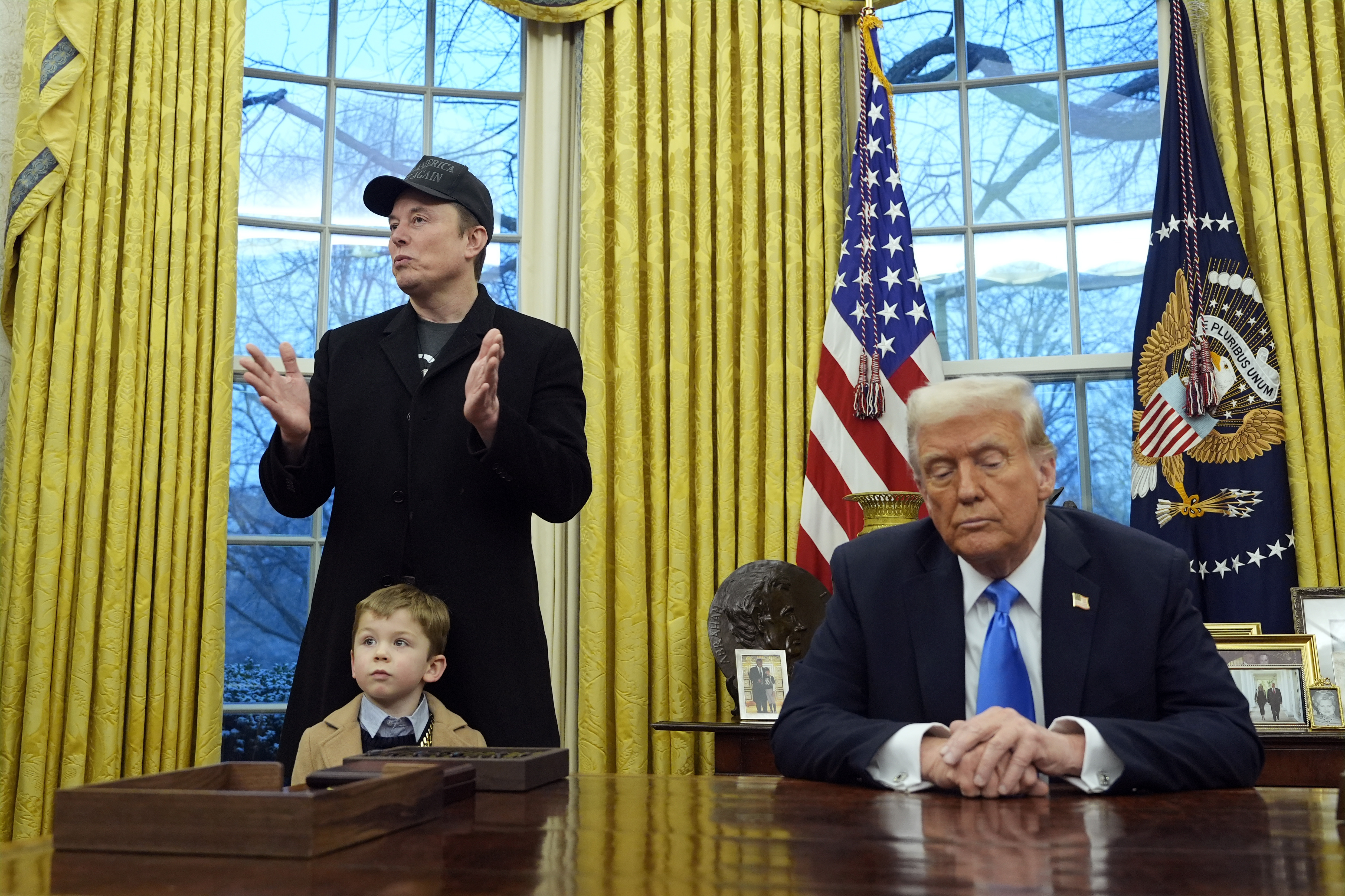
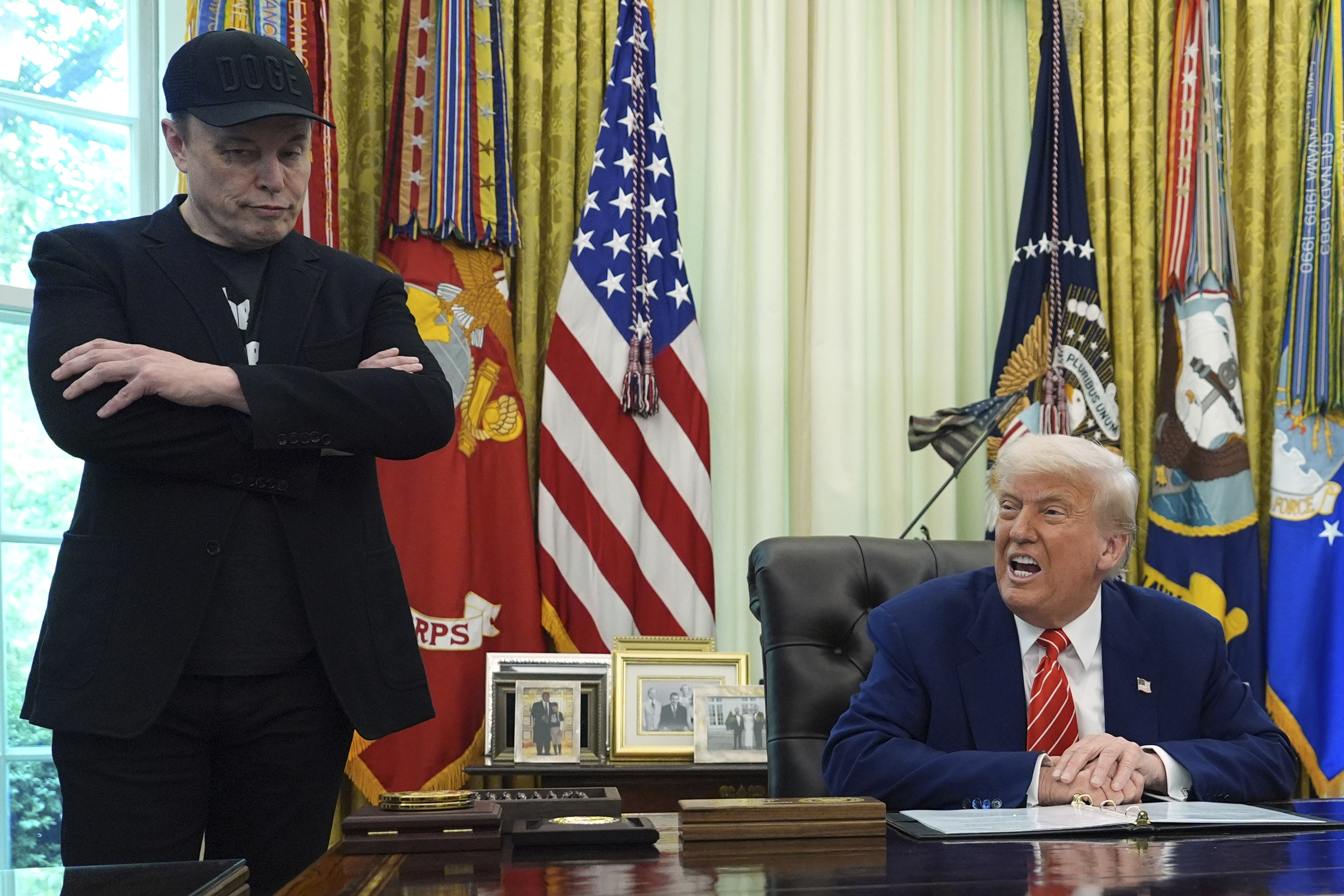
- ELON MUSK: A champion for Trump's government-slashing campaign, Musk reaches the end of the 130 days he can serve as a special government employee. But his exit from the White House coincides with rumours of frosty relations with Trump.

- STATE TRIP: Trump embarks on the first major international trip of his second term, spending eight days touring the Middle East, with stops in Saudi Arabia, Qatar and the United Arab Emirates.
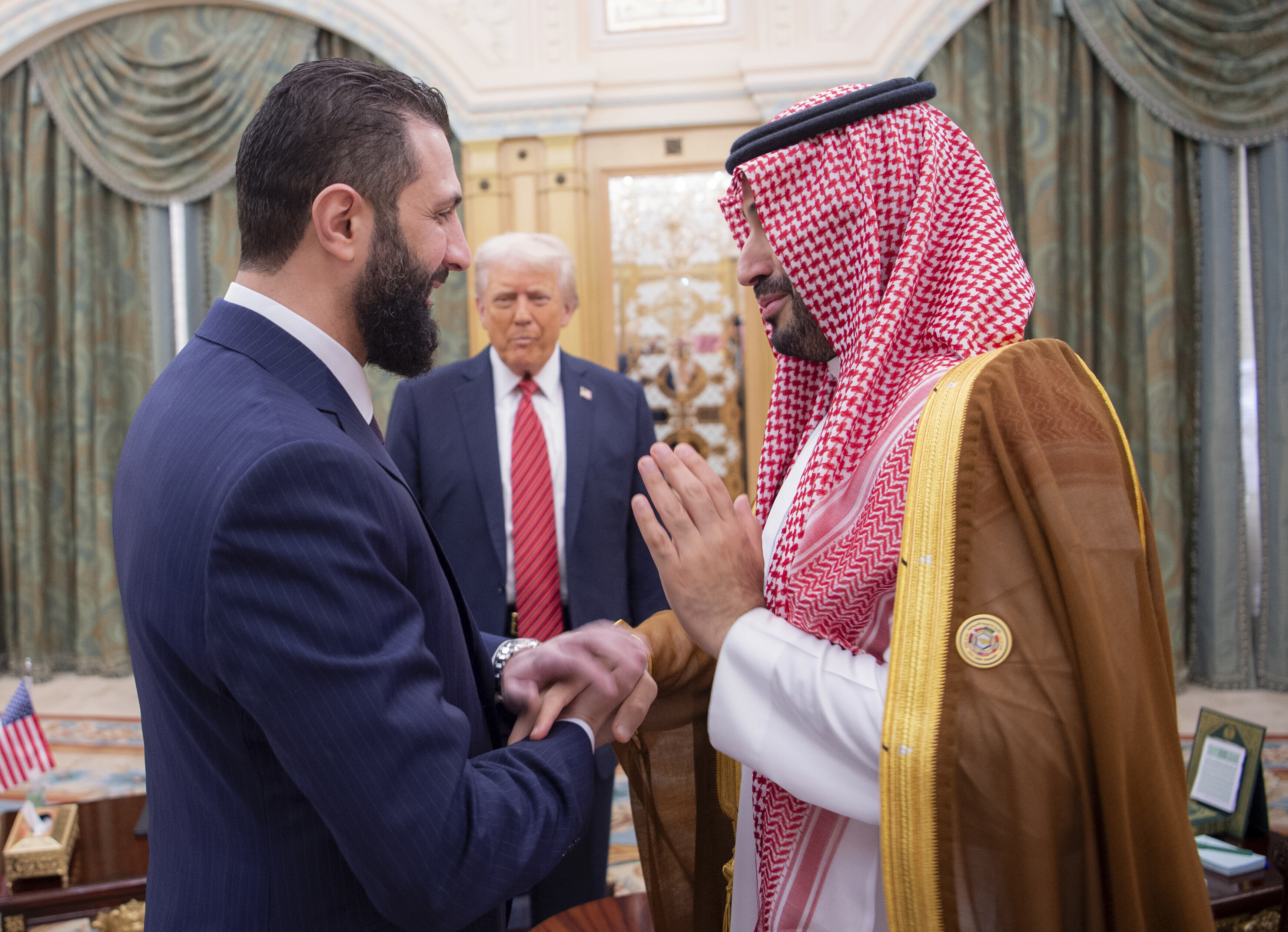
- SYRIA DETENTE: During his time in Riyadh, Trump becomes the first US president in 25 years to meet with his Syrian counterpart, and his interaction with Ahmed al-Sharaa ends on a promise of sanctions relief.
- REFUGEE ARRIVALS: Following the Trump administration's decision to give priority to white South Africans in refugee proceedings, an initial group of 56 Afrikaners arrives at Dulles International Airport in Washington, DC.
- DEPORTATION CONTROVERSY: A federal court ruling forces the Trump administration to abort an attempted deportation flight to South Sudan, and the plane instead lands in Djibouti while legal proceedings continue.
- PEACE TALK: A four-day conflict erupts between India and Pakistan, with an exchange of missile fire, but when Trump credits his trade policy with helping to reach a ceasefire, India disputes his account.
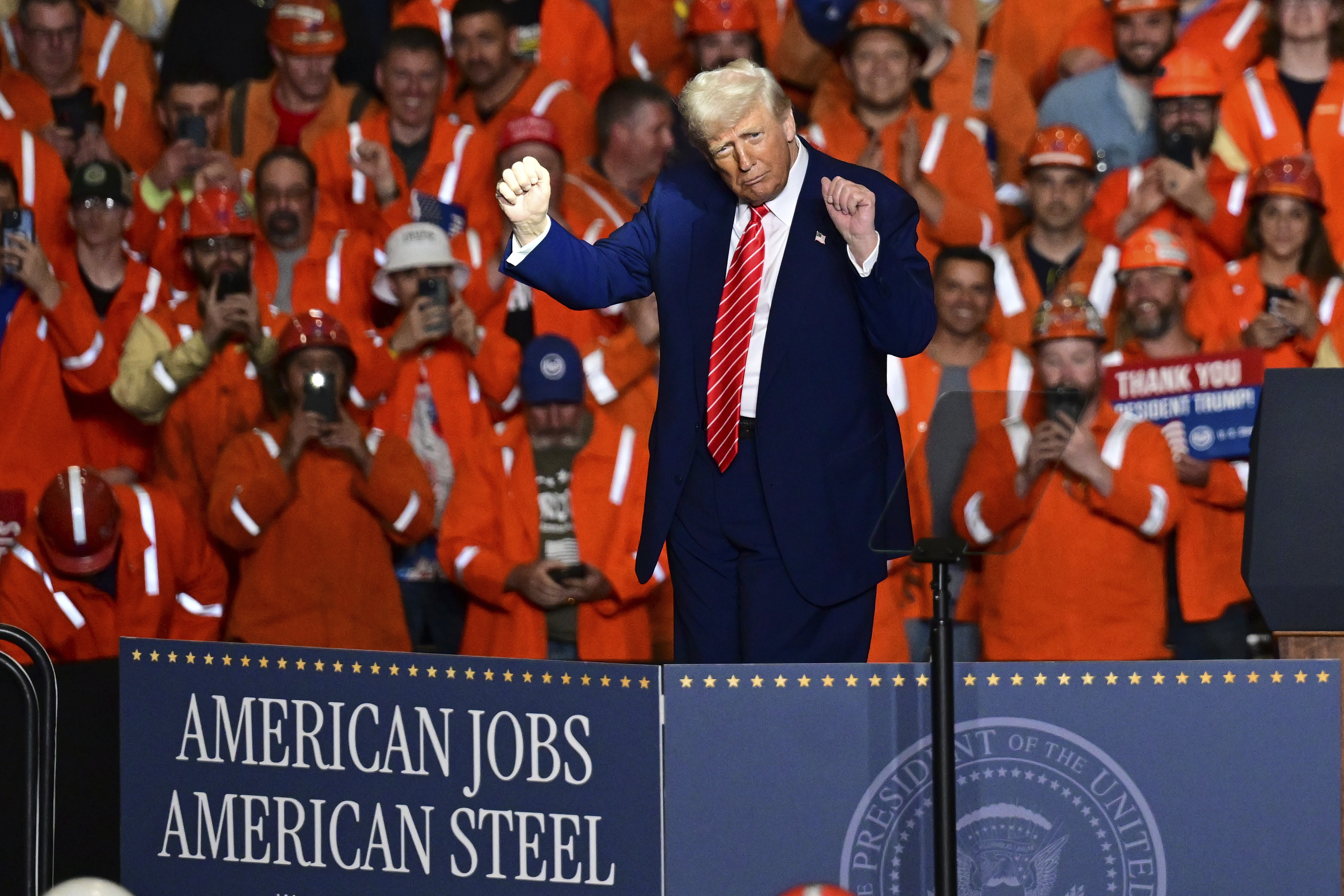
- STEEL DEAL: In an effort to protect domestic production, Trump announces he will double the steel import tariff to 50 percent and approves a deal to merge US Steel with Japan's Nippon Steel, so long as the US government retains a "golden share" of the company.
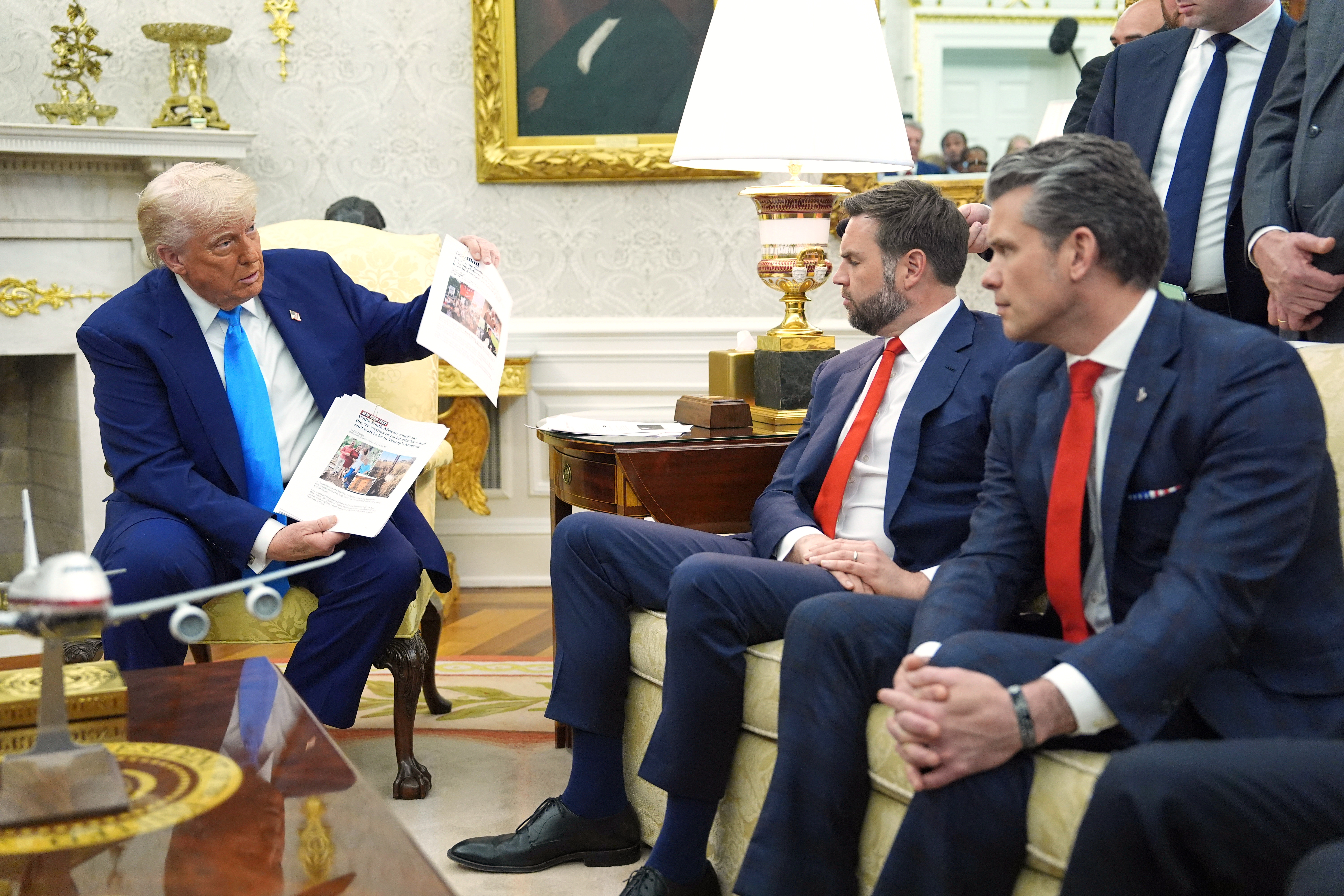
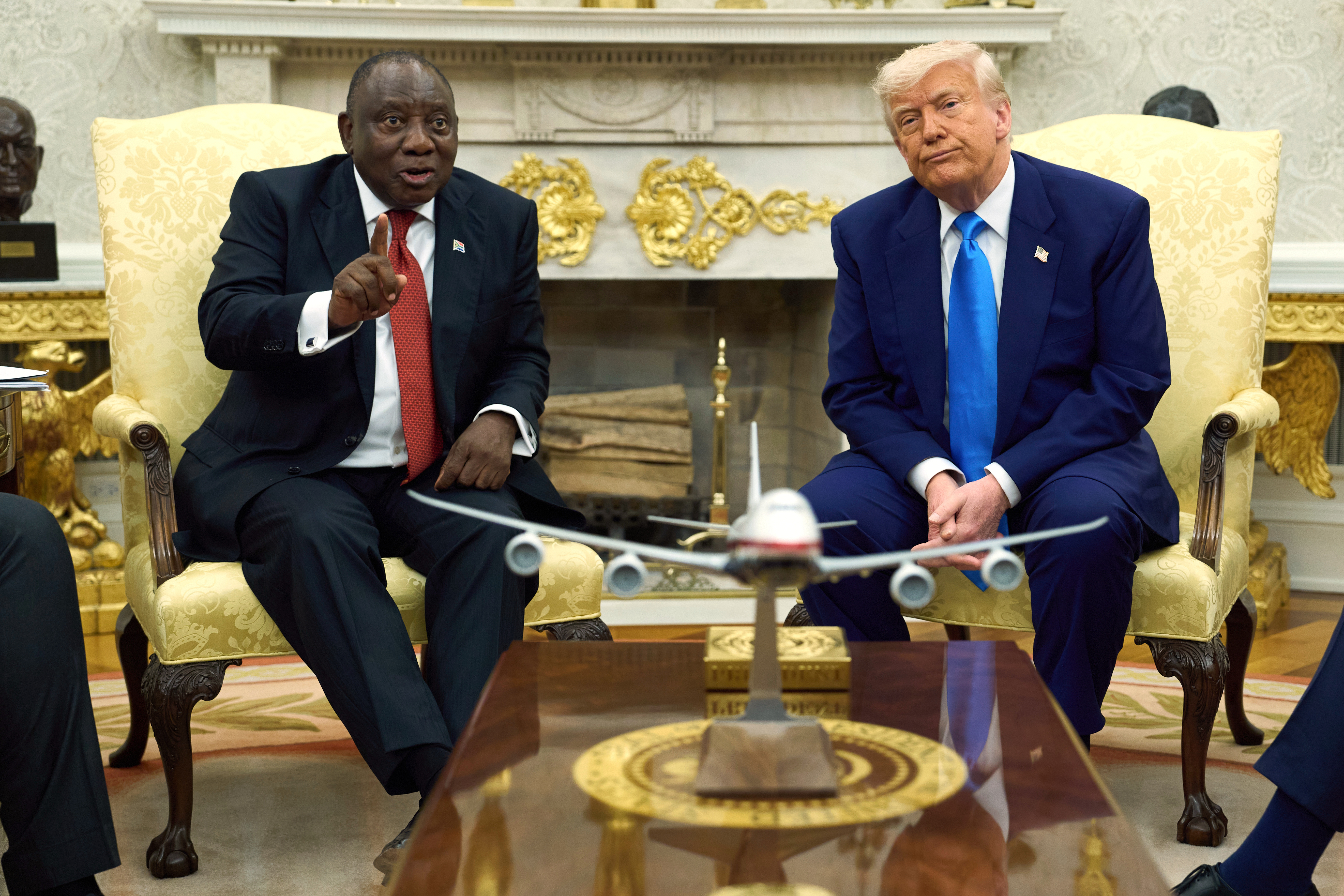
- DIPLOMATIC CONFRONTATION: Critics compare an Oval Office meeting between Trump and South African President Cyril Ramaphosa with an ambush, as Trump confronts the African leader with video and printouts that he falsely claims show a "white genocide" in the African nation.
- BUYING ACCESS: On May 22, Trump holds an exclusive dinner for the top 220 holders of his meme coin $TRUMP, leading to questions about whether the president may be using his office to enrich himself — and whether investors could use their purchases to influence policy.
- VENEZUELA: A declassified intelligence memo casts doubt on administration claims that Venezuelan President Maduro is cooperating with the gang Tren de Aragua, undermining Trump's rationale for invoking the Alien Enemies Act.


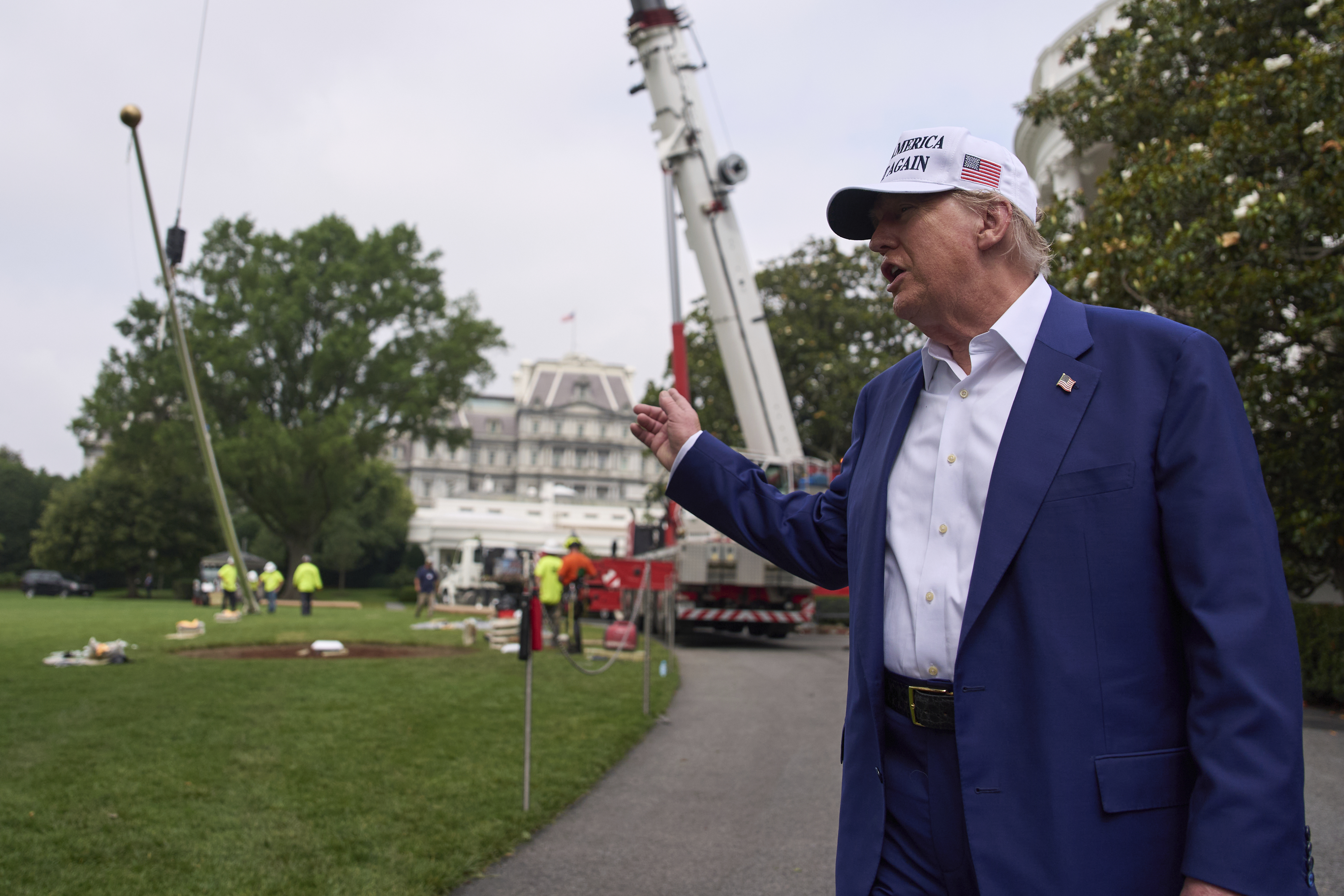
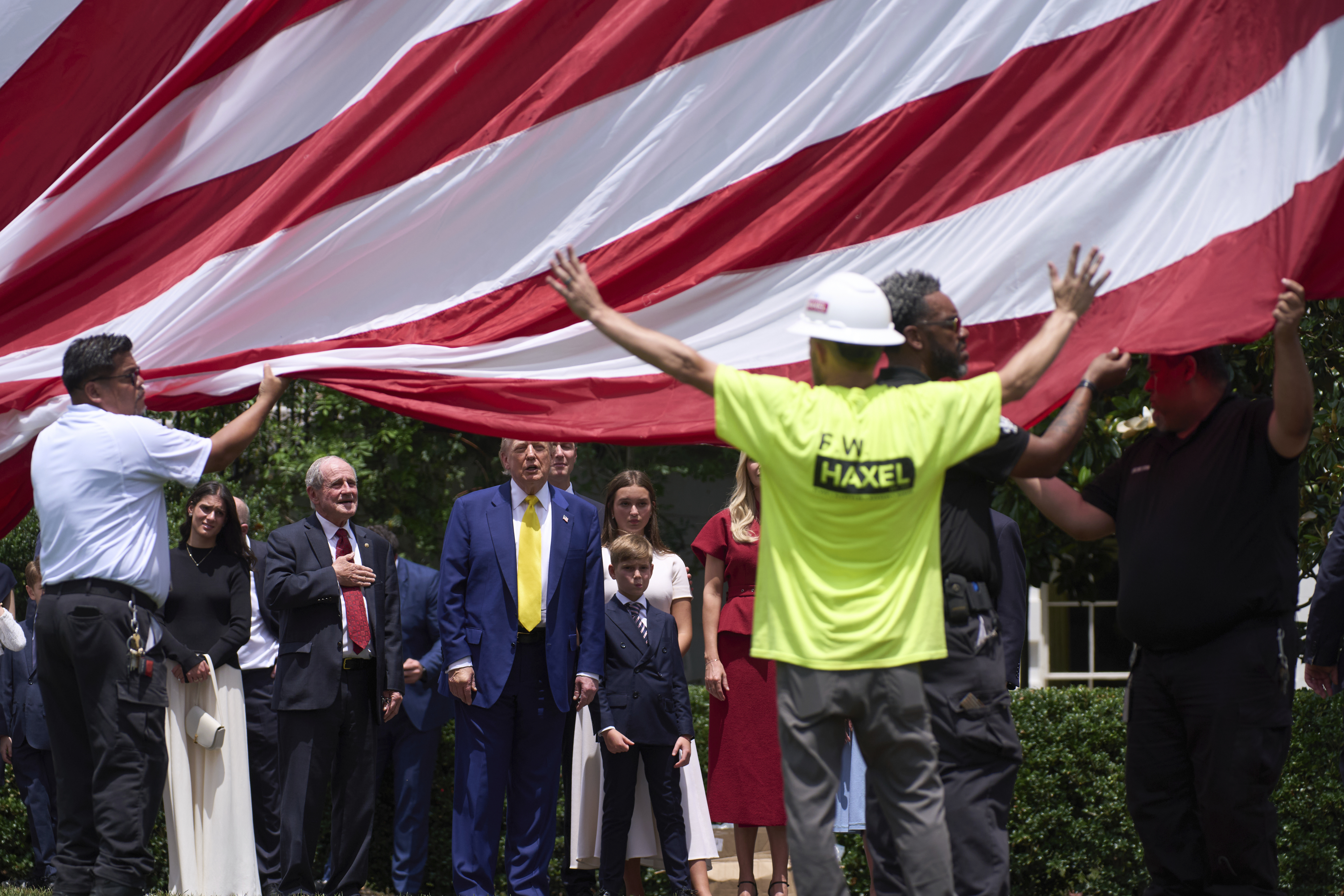
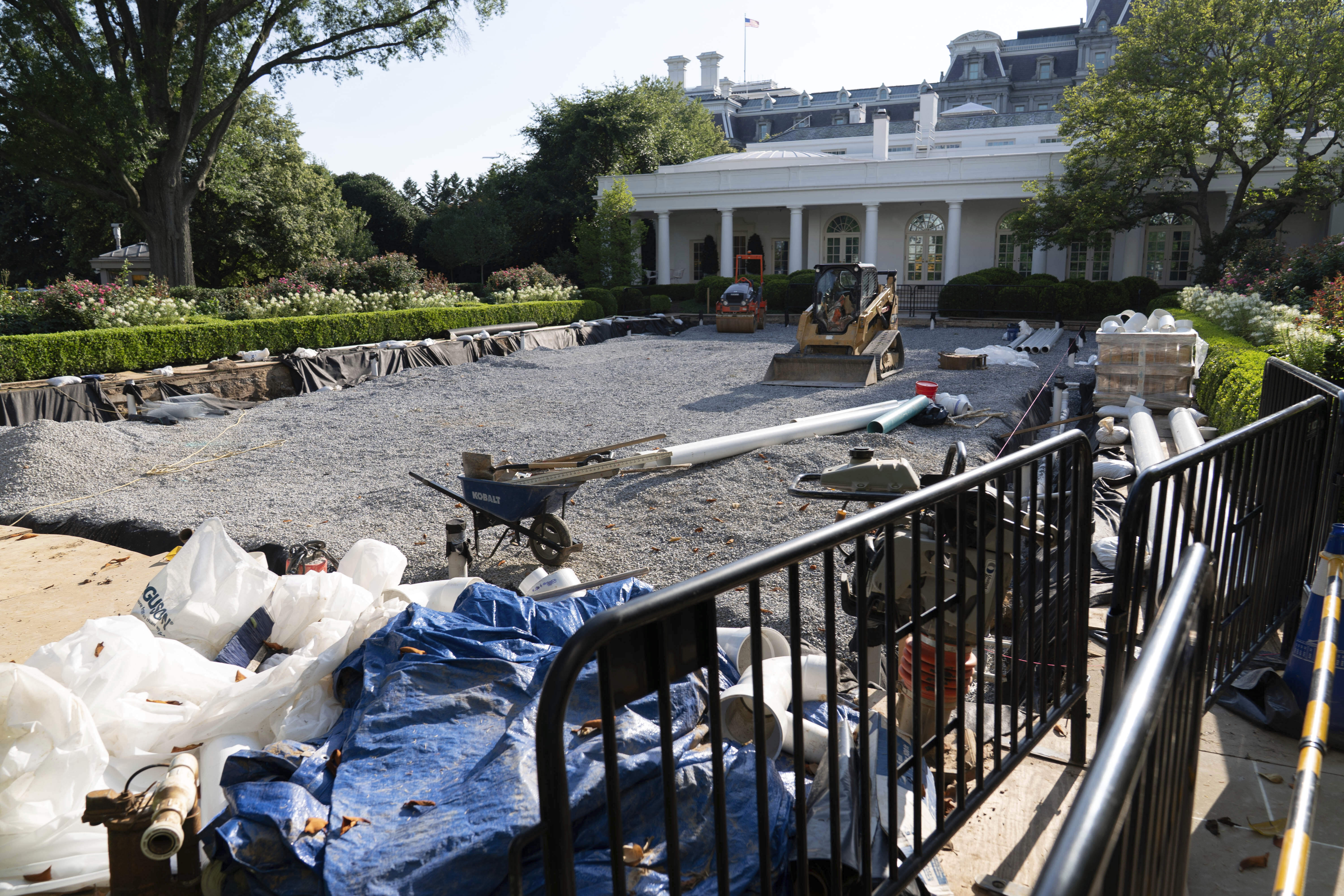


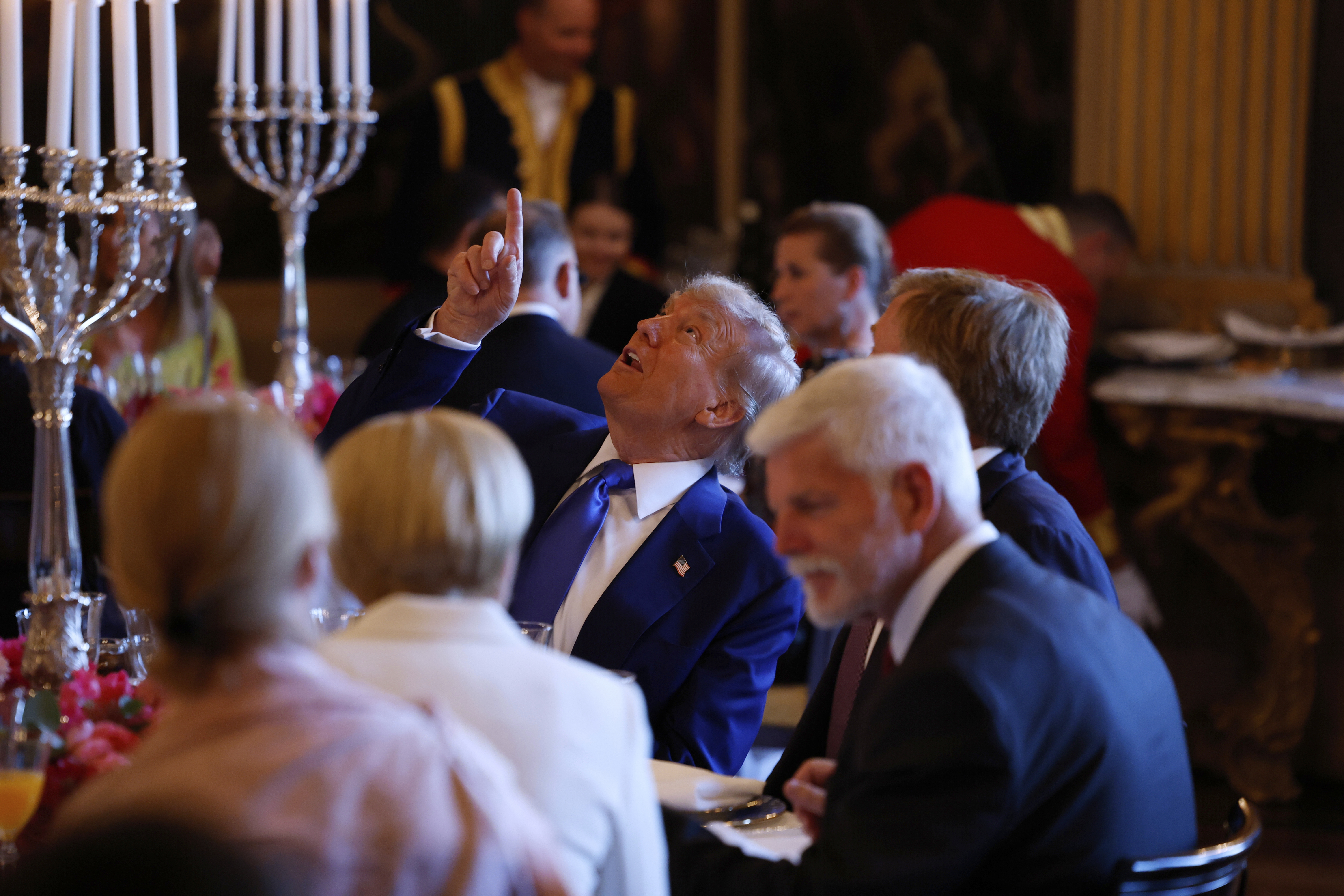


June 2025 at a glance
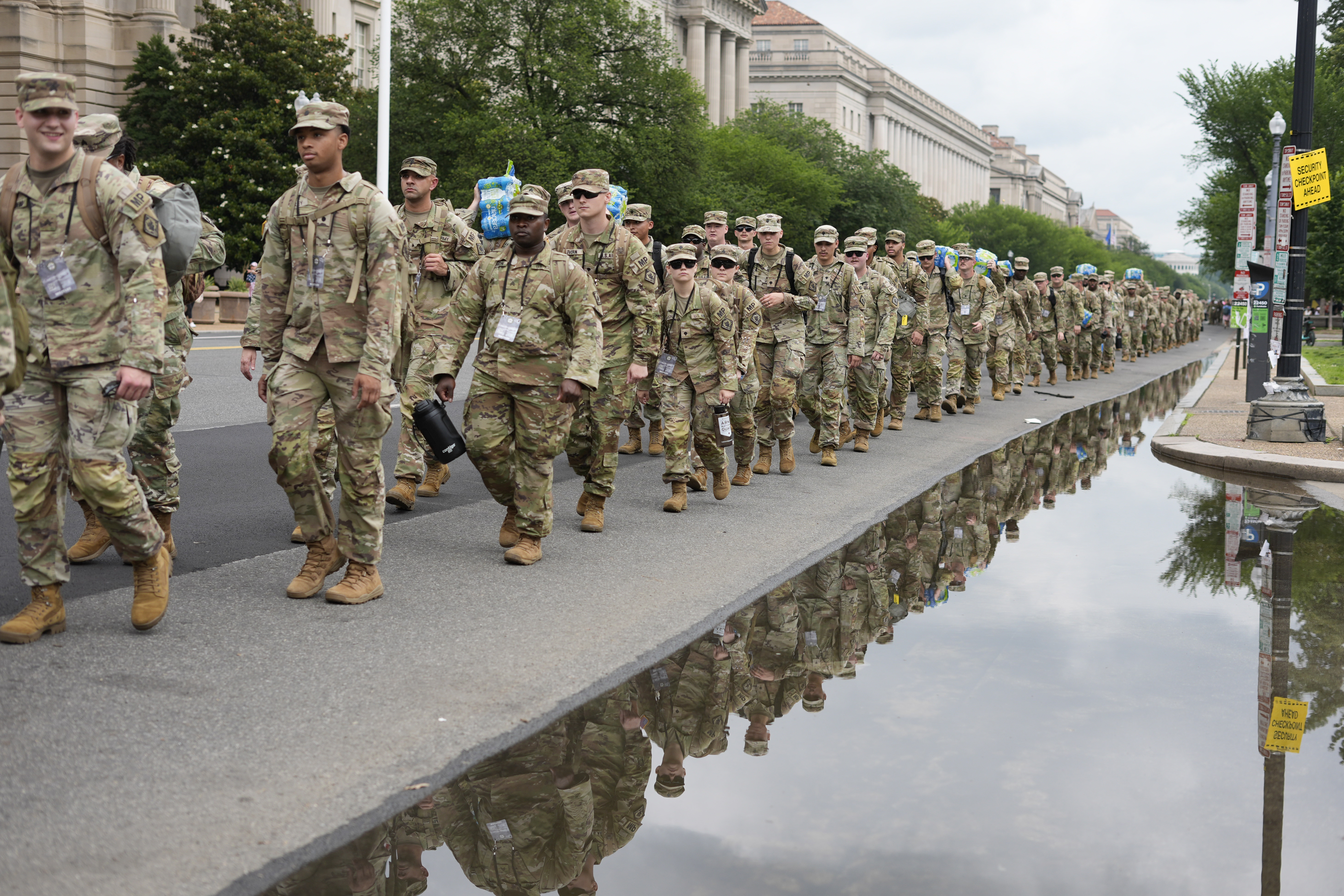
Trump continued to test the limits of his presidential authority in June, which marked the first time during his second term that he called up the National Guard to quell civil unrest.
Normally, such an action would be taken with the consent of the state governor, but in June, it was not. Critics argued that Trump's move violated the Posse Comitatus Act, which prohibits the military from serving as domestic law enforcement. Here are some of the month's headlines:
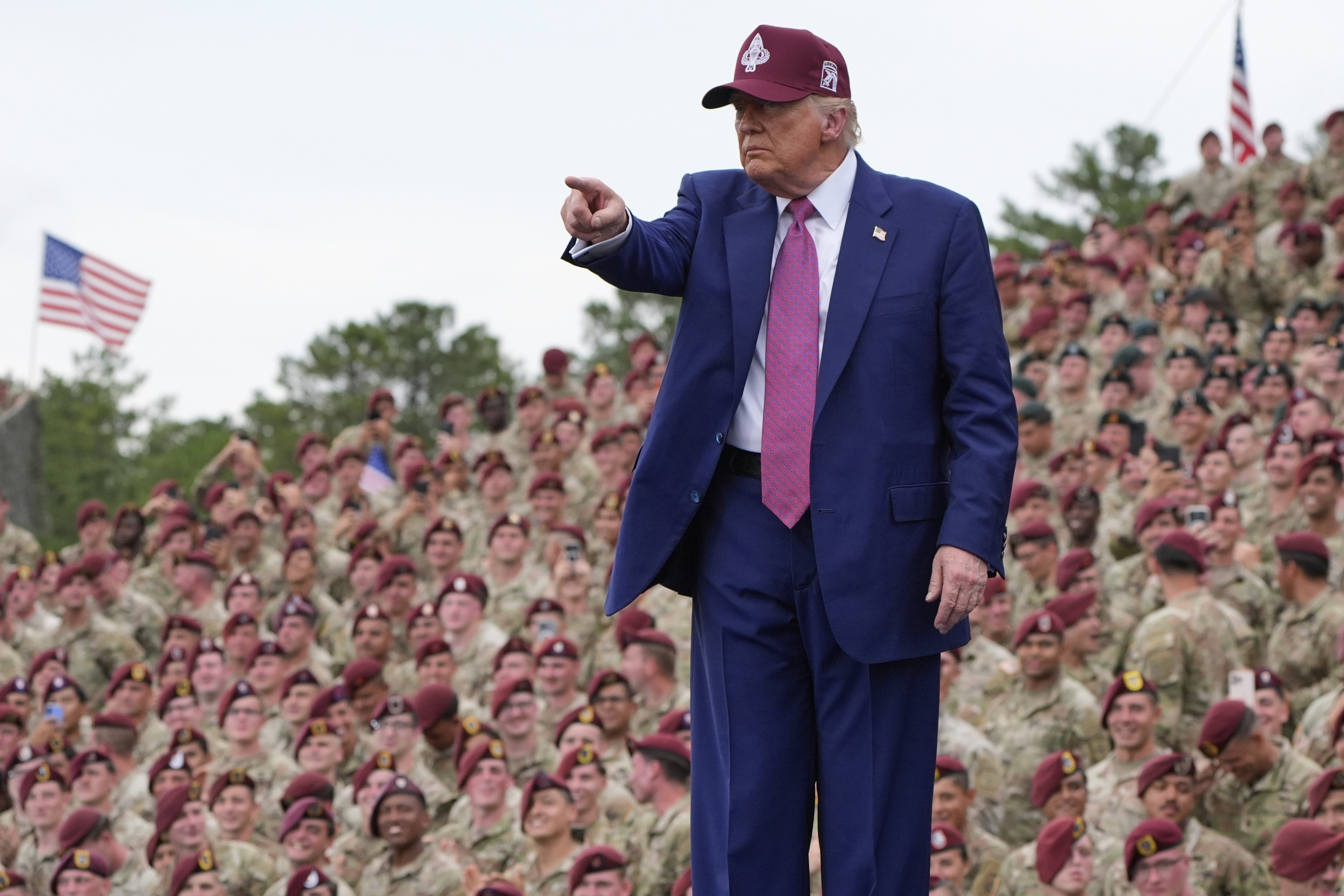
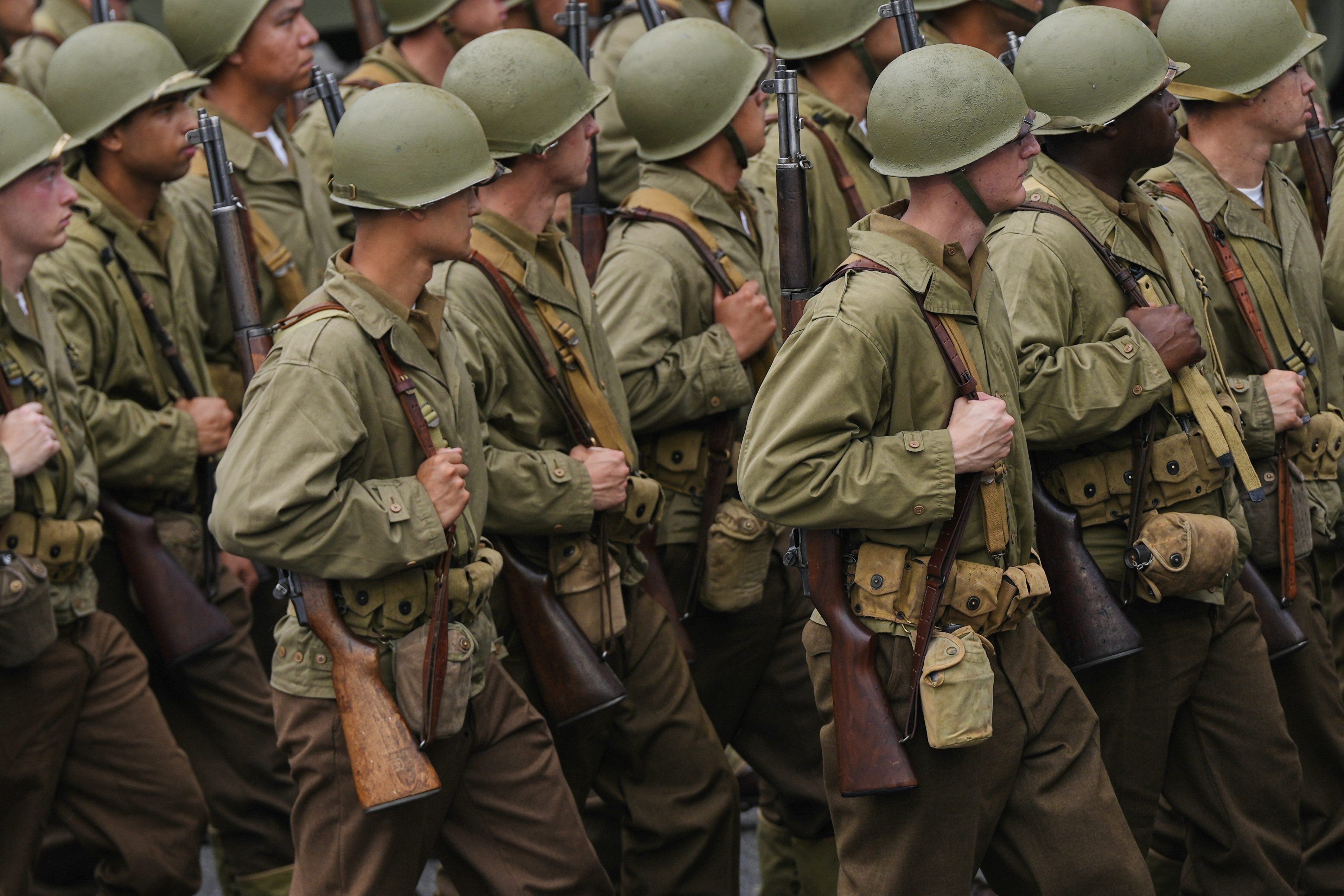
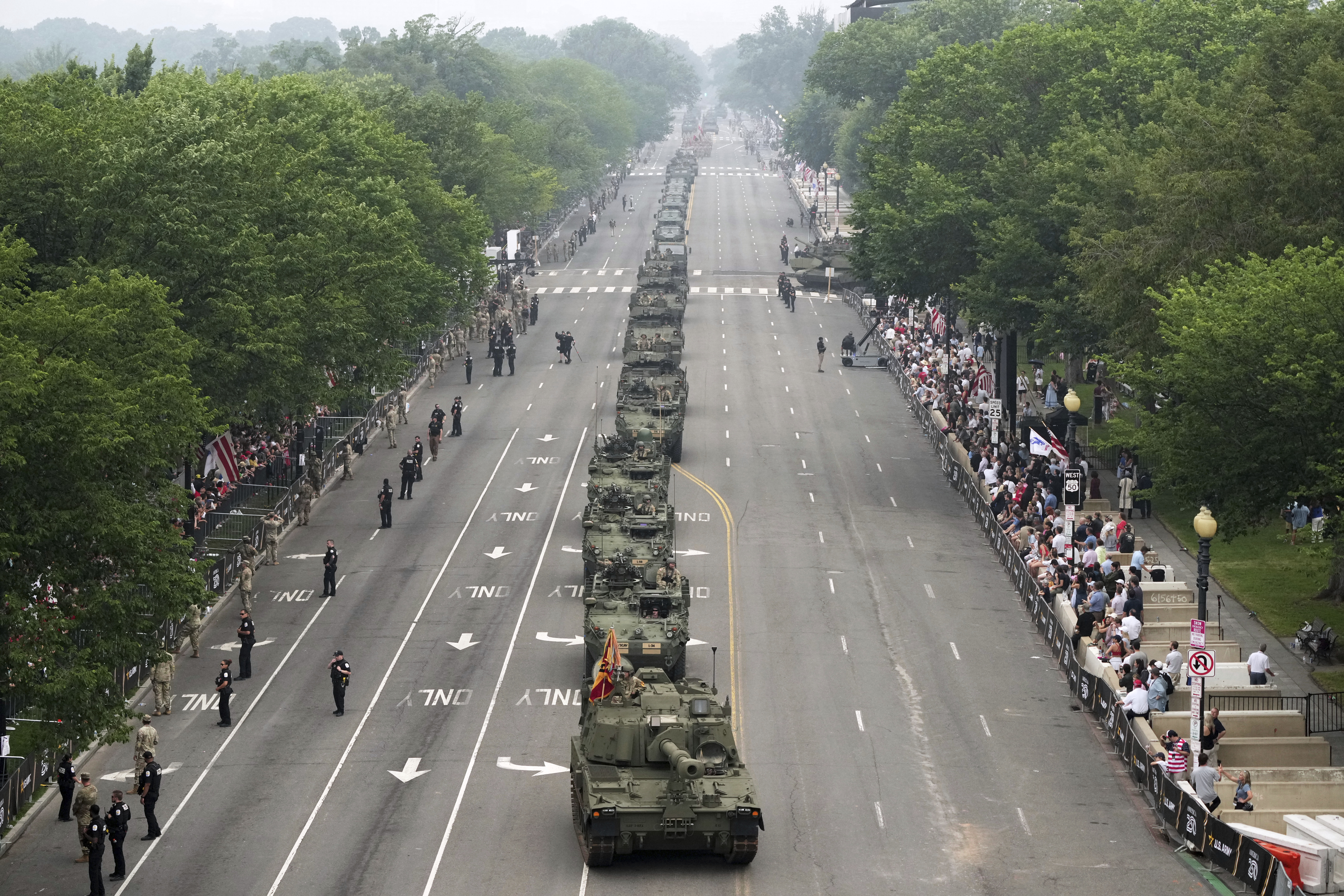
- MILITARY PARADE: On June 14 — a date that serves both as the US Army's anniversary and Trump's birthday — the US president holds a sweeping military parade, featuring more than 6,000 soldiers in uniform. Critics denounce the expense as a vanity project.
- ABREGO GARCIA CASE: On June 6, the Trump administration announces that Kilmar Abrego Garcia, a wrongfully deported man, has been returned to the US after months in a Salvadoran prison. But US prosecutors immediately file criminal charges against Abrego Garcia, seeking to deport him once more.
- TROOP POLICY: June 6 marks the deadline for transgender soldiers to voluntarily leave the US armed services, or else face expulsion, following an executive order banning their participation in the US military.

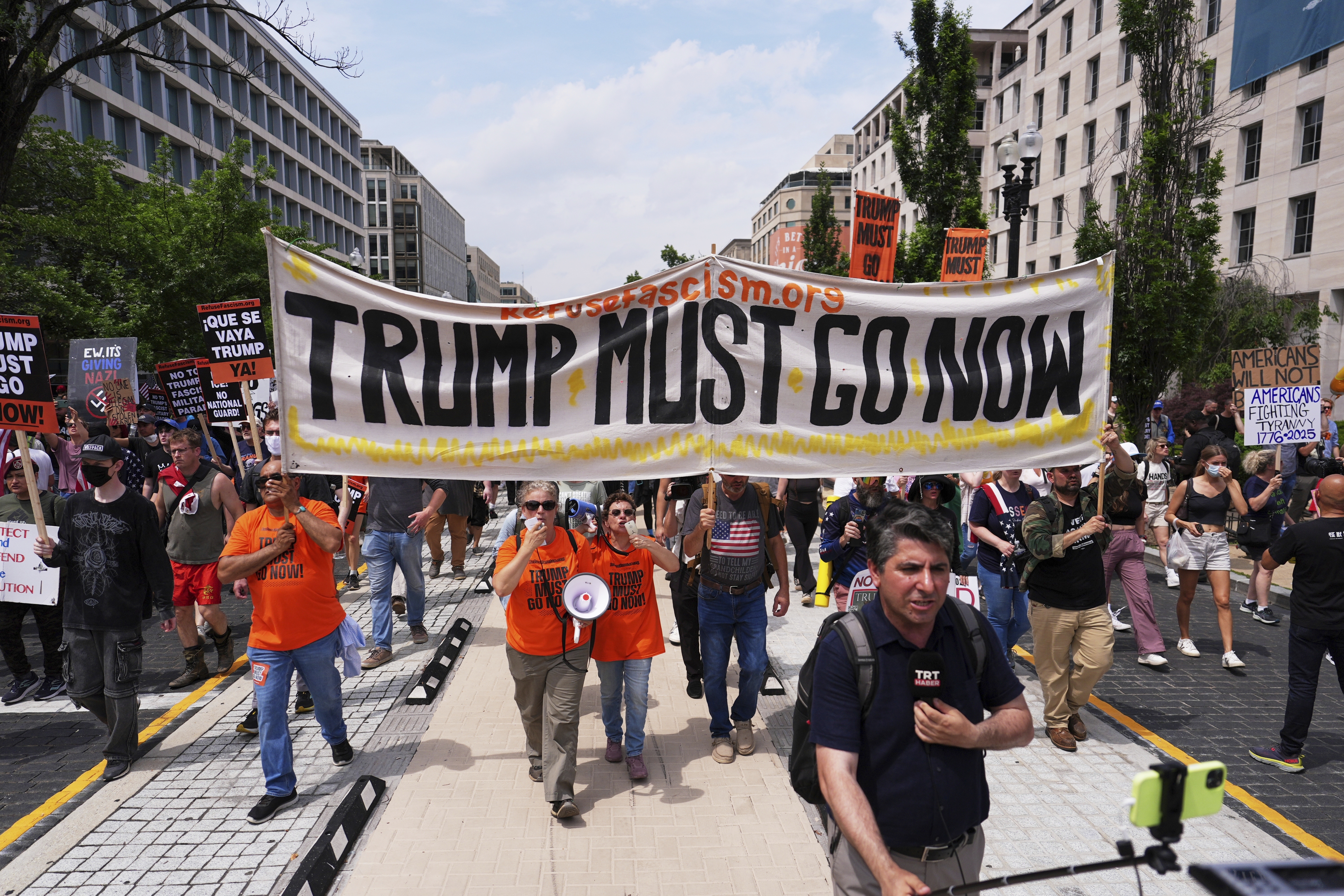
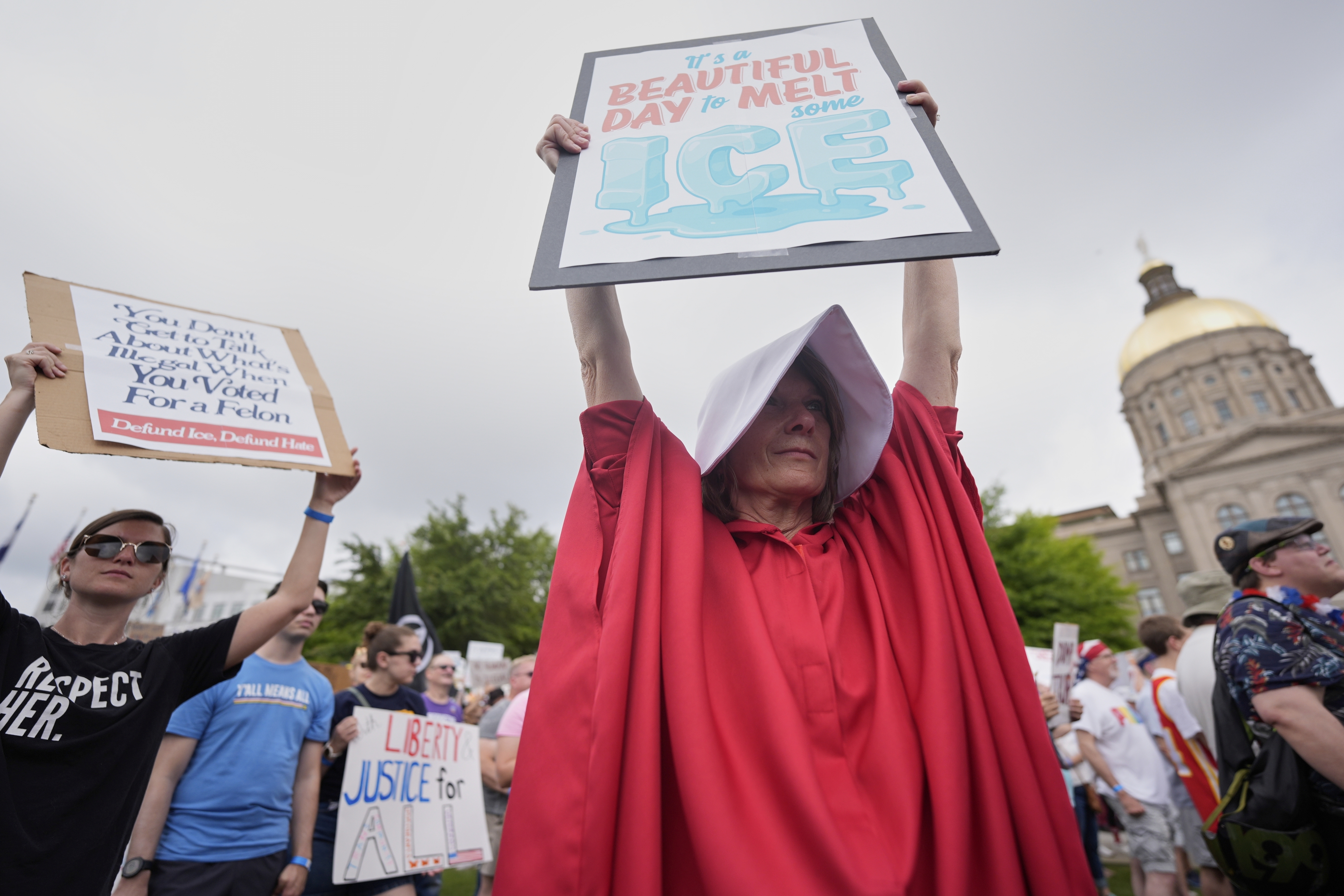
- LOS ANGELES: Trump's immigration raids lead to protests in Los Angeles. Trump responds by deploying 2,000 National Guard troops to "address the lawlessness", though state and local officials accuse him of stirring up tensions.
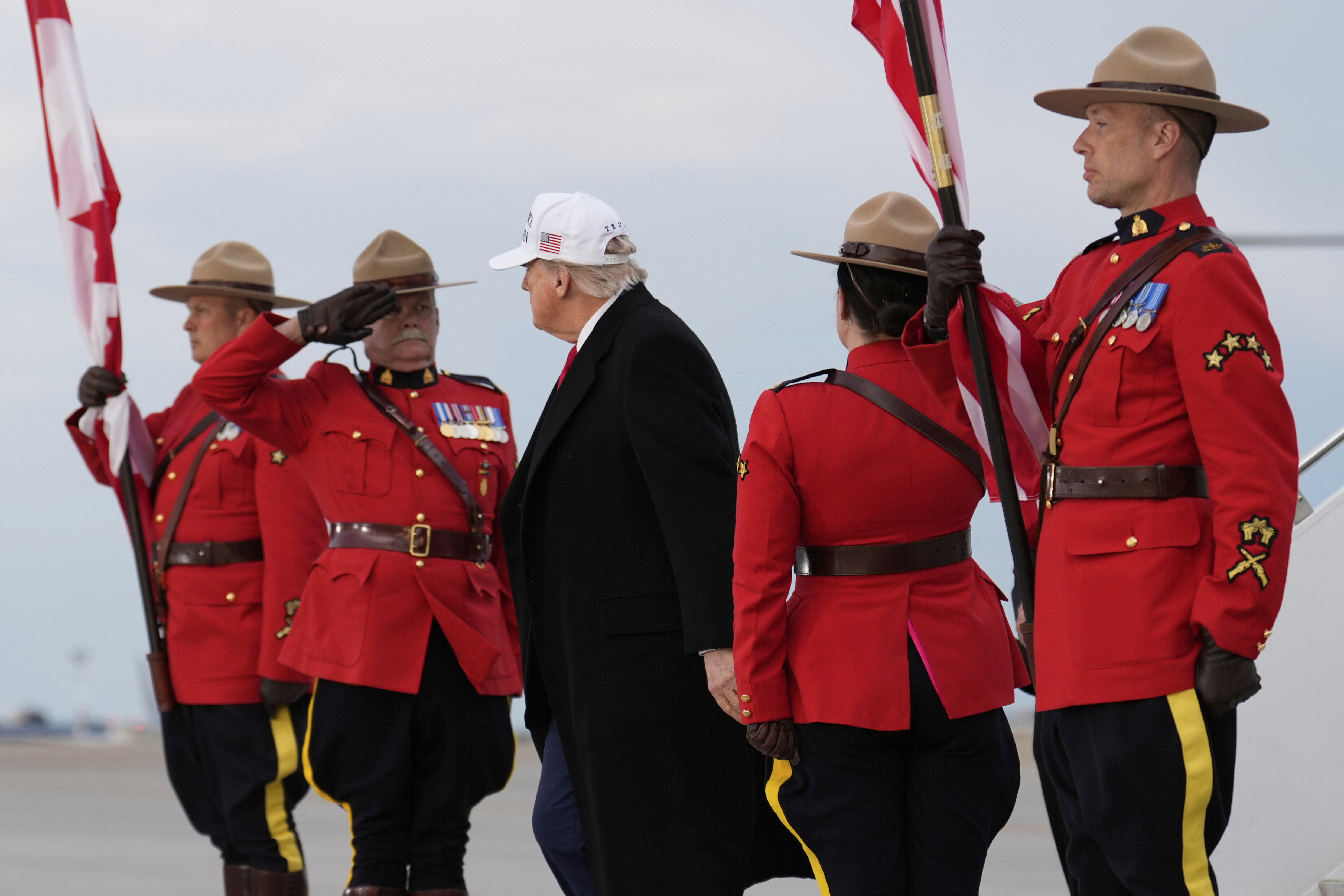
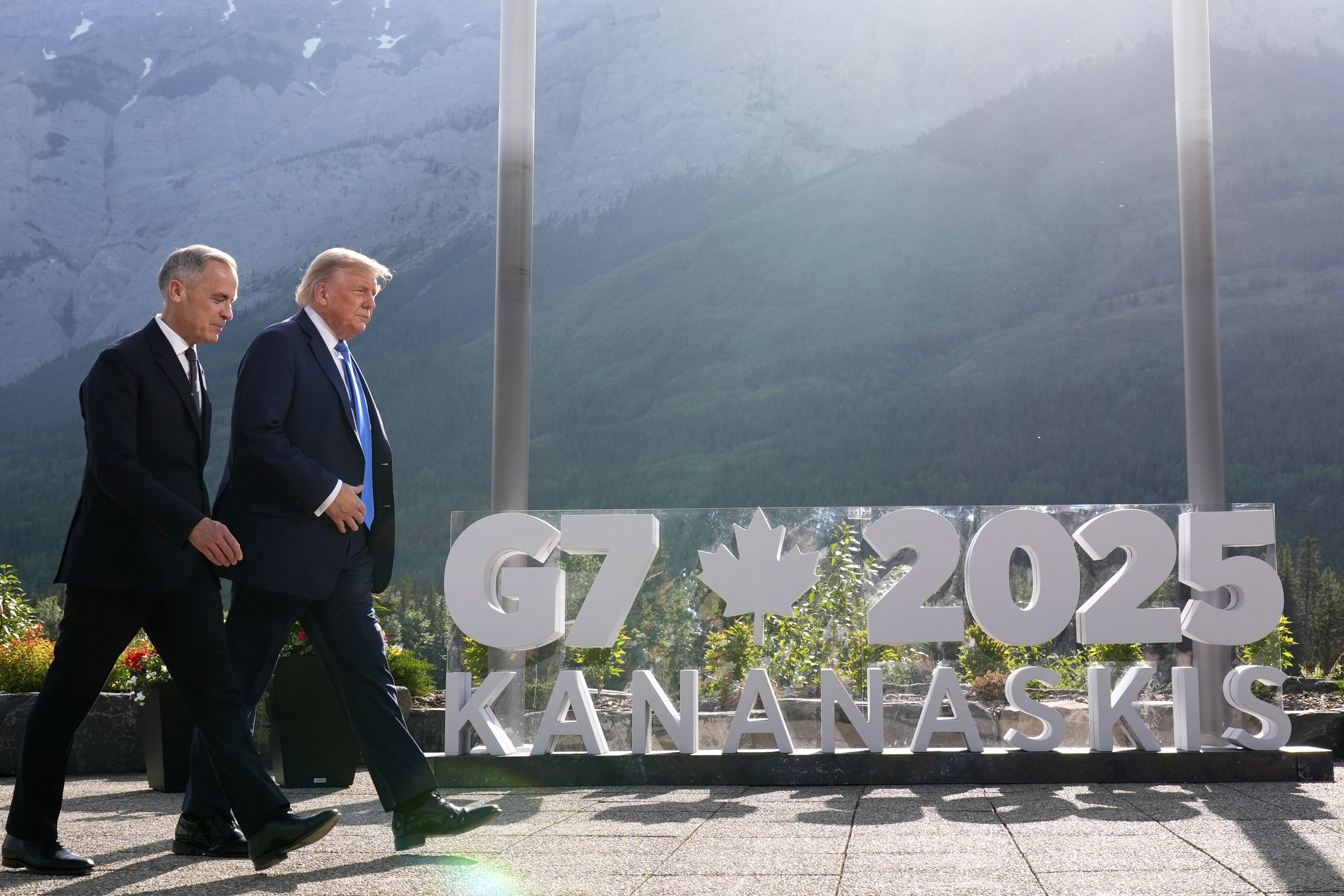
- TRIP CUT SHORT: Trump leaves a Group of Seven (G7) summit in Canada a day early as tensions spike between Israel and Iran. His sudden exit scuttles a planned meeting with Ukrainian President Zelenskyy, who had come to petition for support.
- IRAN STRIKES: Seven US stealth bombers drop munitions on three Iranian nuclear sites, amid a 12-day war between Israel and Iran. While Trump says the sites are "obliterated", reports vary about the severity of the damage.
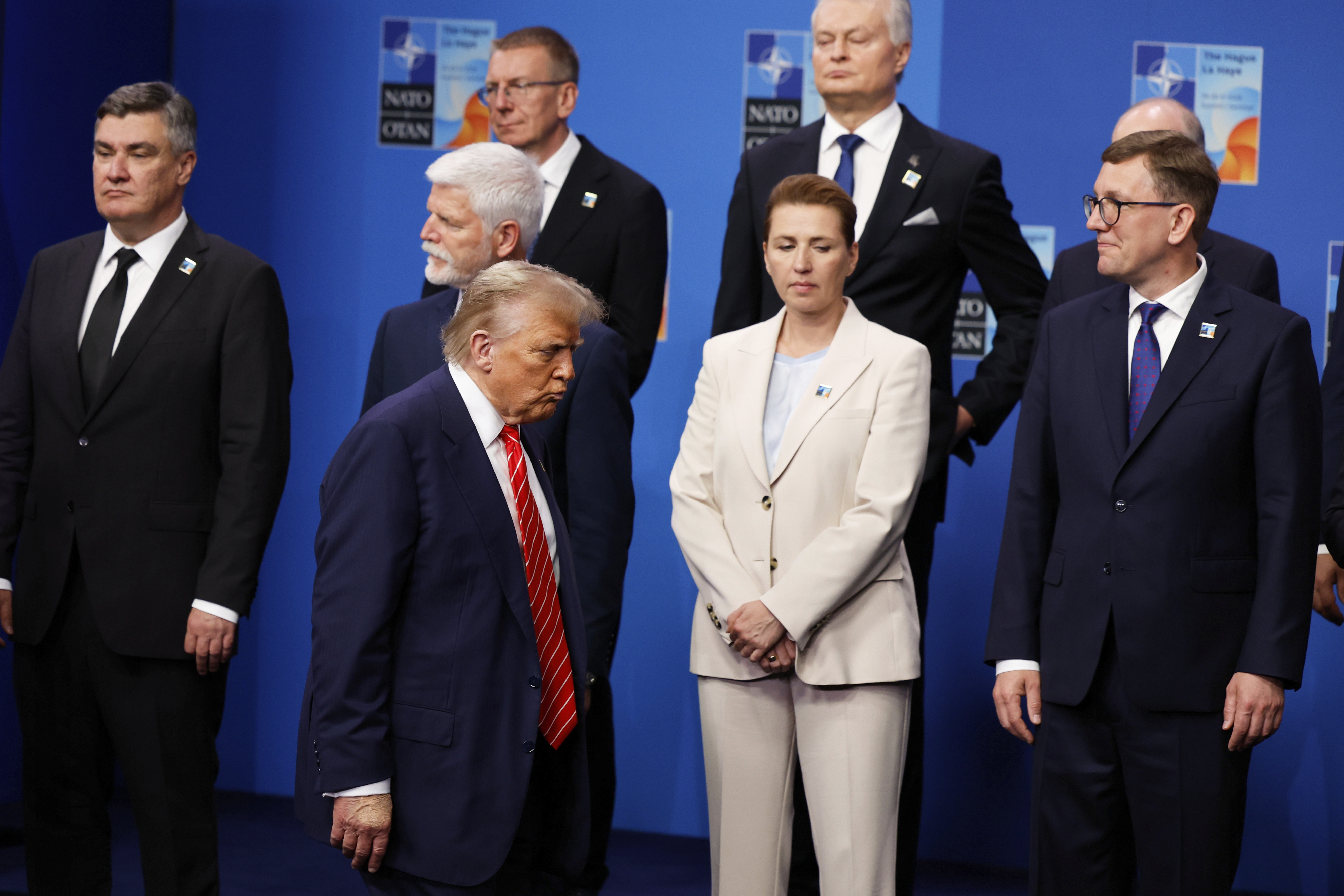
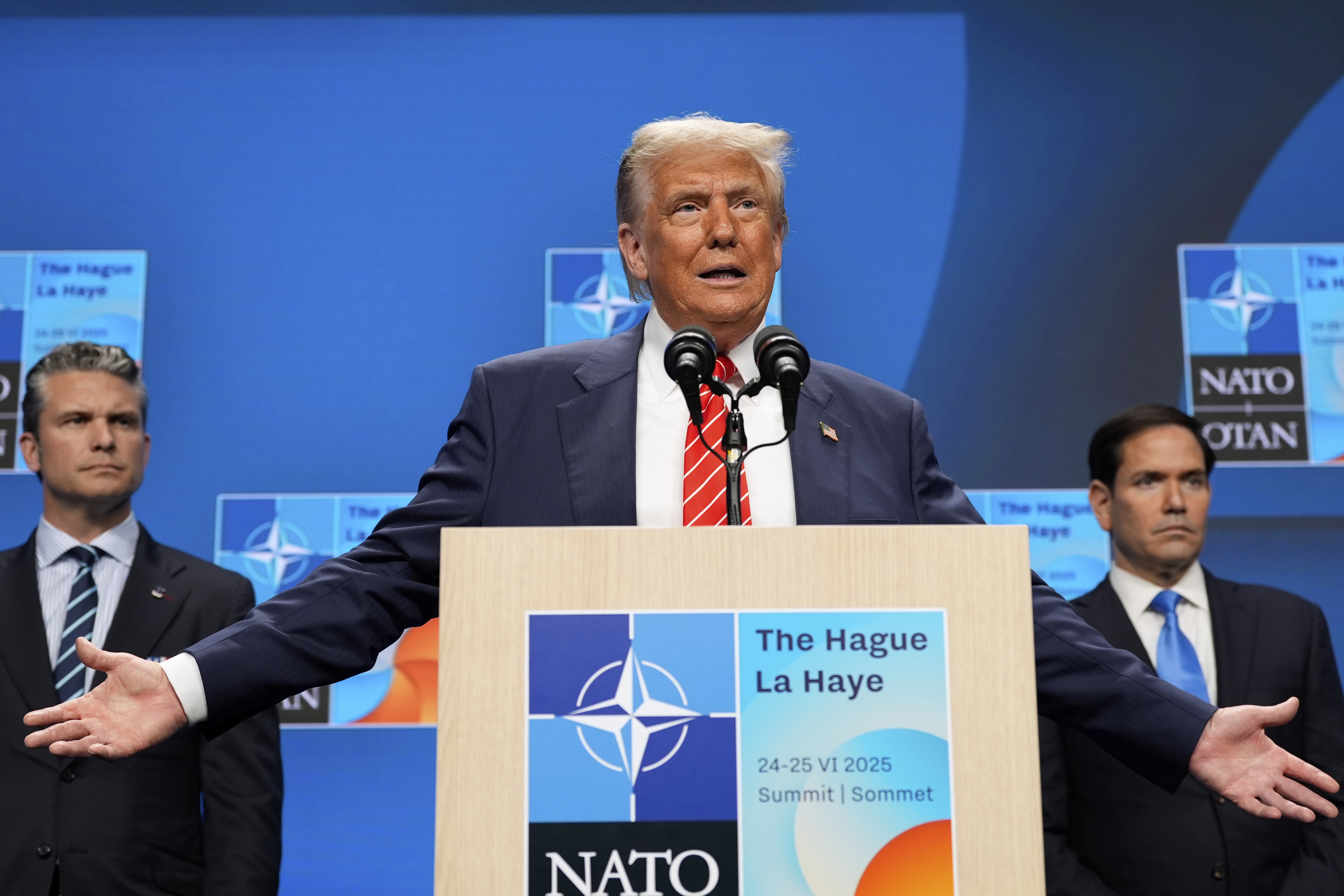
- NATO SUMMIT: Under pressure from the Trump administration, nearly every NATO member state agrees to increase its military spending to 5 percent of gross domestic product (GDP). Spain, however, pushes to be exempt, enflaming Trump's ire.
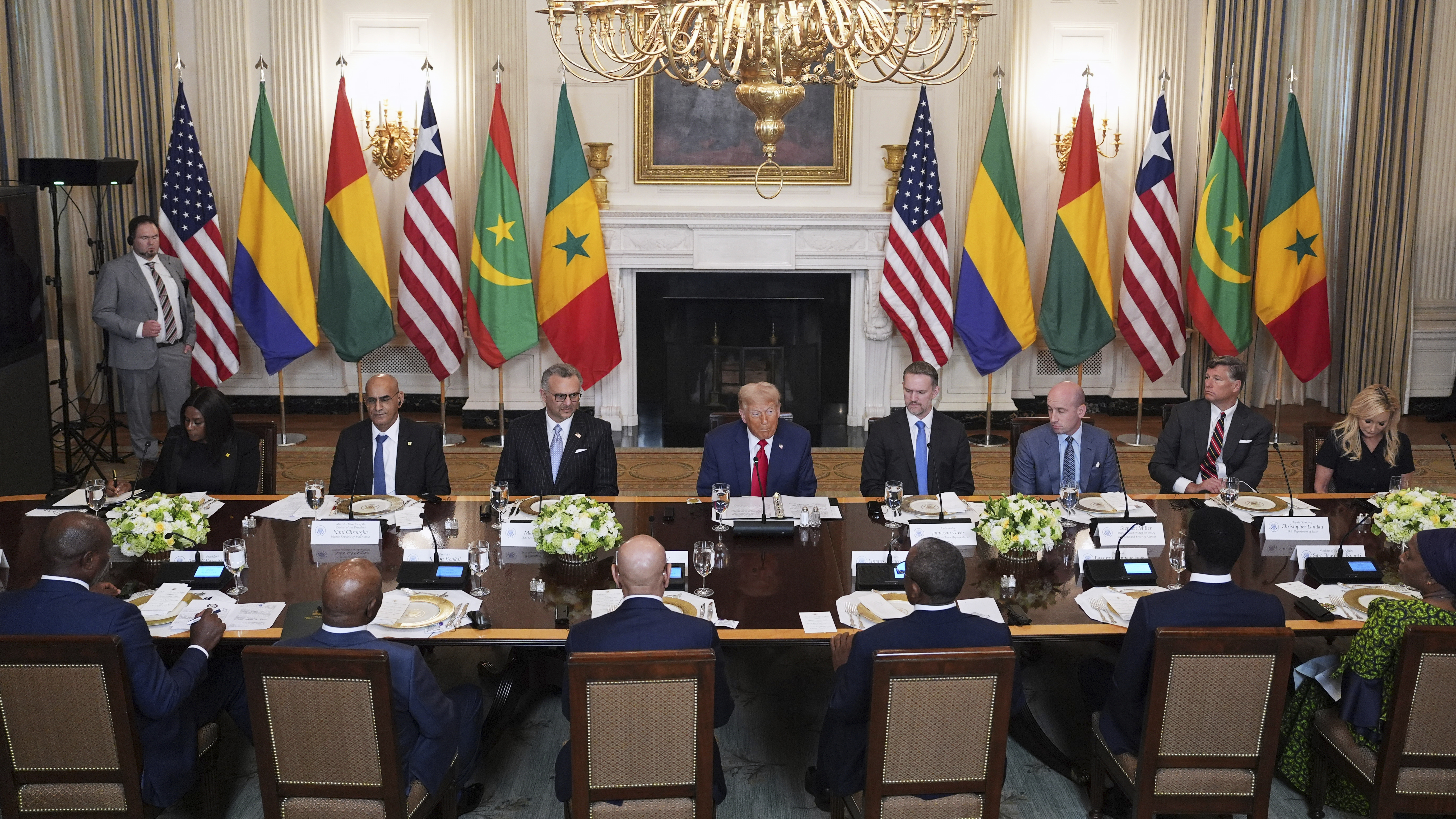
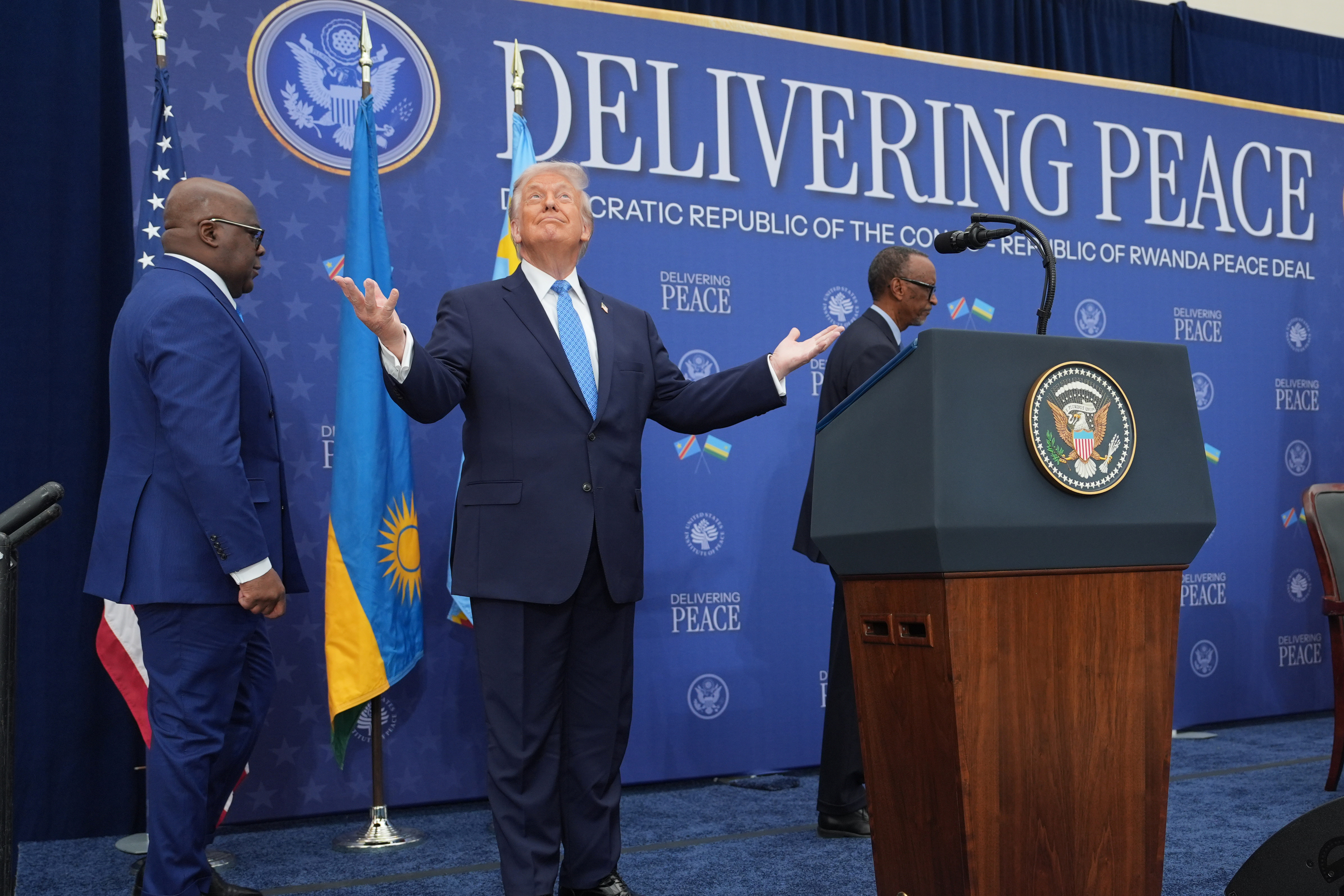
- PEACE TALKS: Trump invites leaders from Rwanda and the Democratic Republic of the Congo (DRC) to the White House to sign a peace deal, but the agreement notably gives the US access to the DRC's valuable minerals.
- COURT DECISION: In CASA v Trump, the Supreme Court rules to limit the ability of lower courts to issue nationwide injunctions, which had previously blocked many Trump policies from being enforced.
- MUSK BREAKUP: Tensions over a tax and spending bill erupt into a public feud between Trump and Musk, with the US president threatening to sever the tech billionaire's government contracts.






July 2025 at a glance
Trump notched some of his biggest legislative victories in July, most notably with the passage of his omnibus spending and tax law, the One Big Beautiful Bill Act.
But the month also saw a Republican-led Congress submit to Trump pressure to claw back funding for foreign aid and public media. Here are some of the month's top headlines:
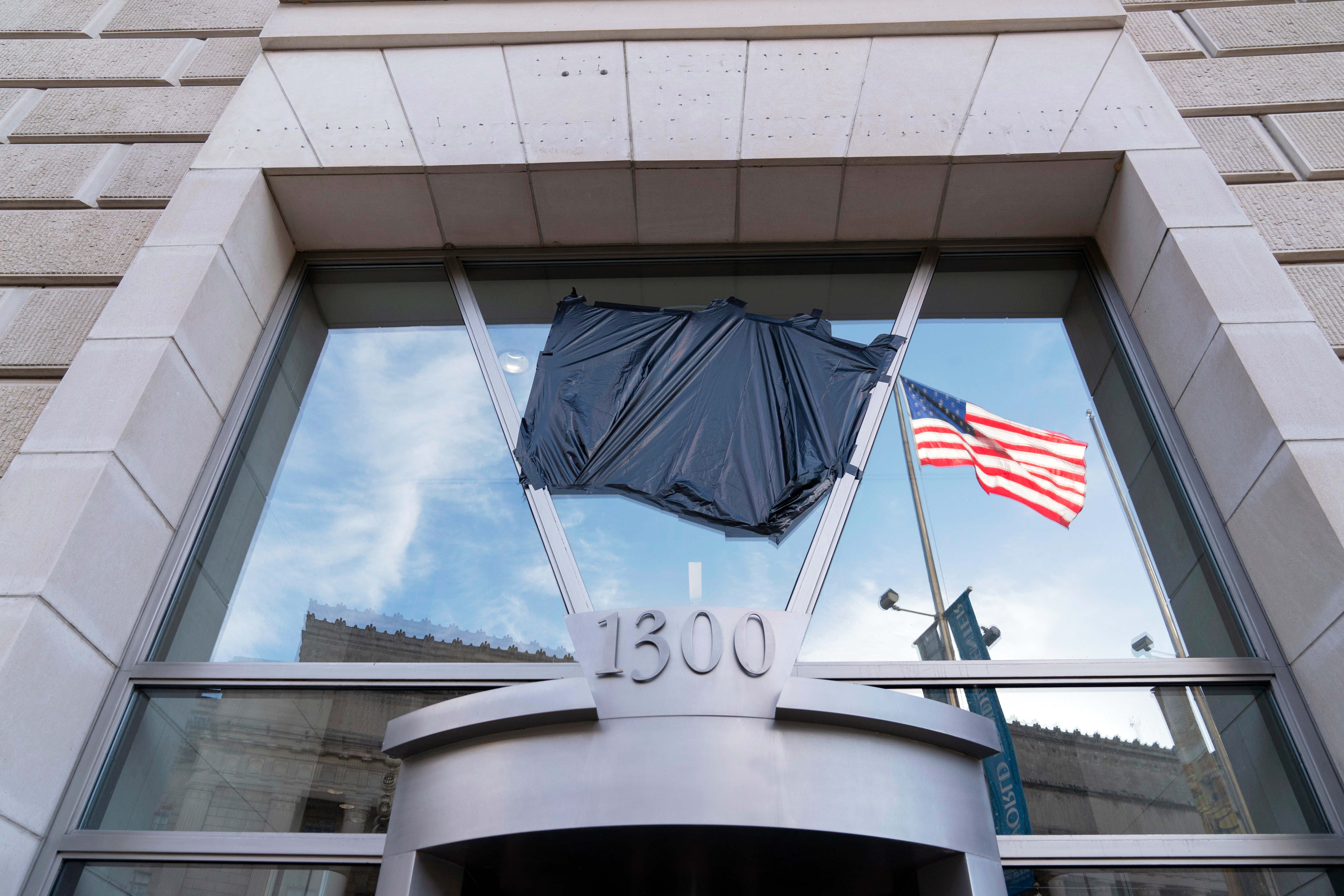
- AGENCY DISMANTLED: On July 1, the US Agency for International Development (USAID) officially closes its doors and merges its operations with the State Department, despite criticism that doing so violates congressional law.
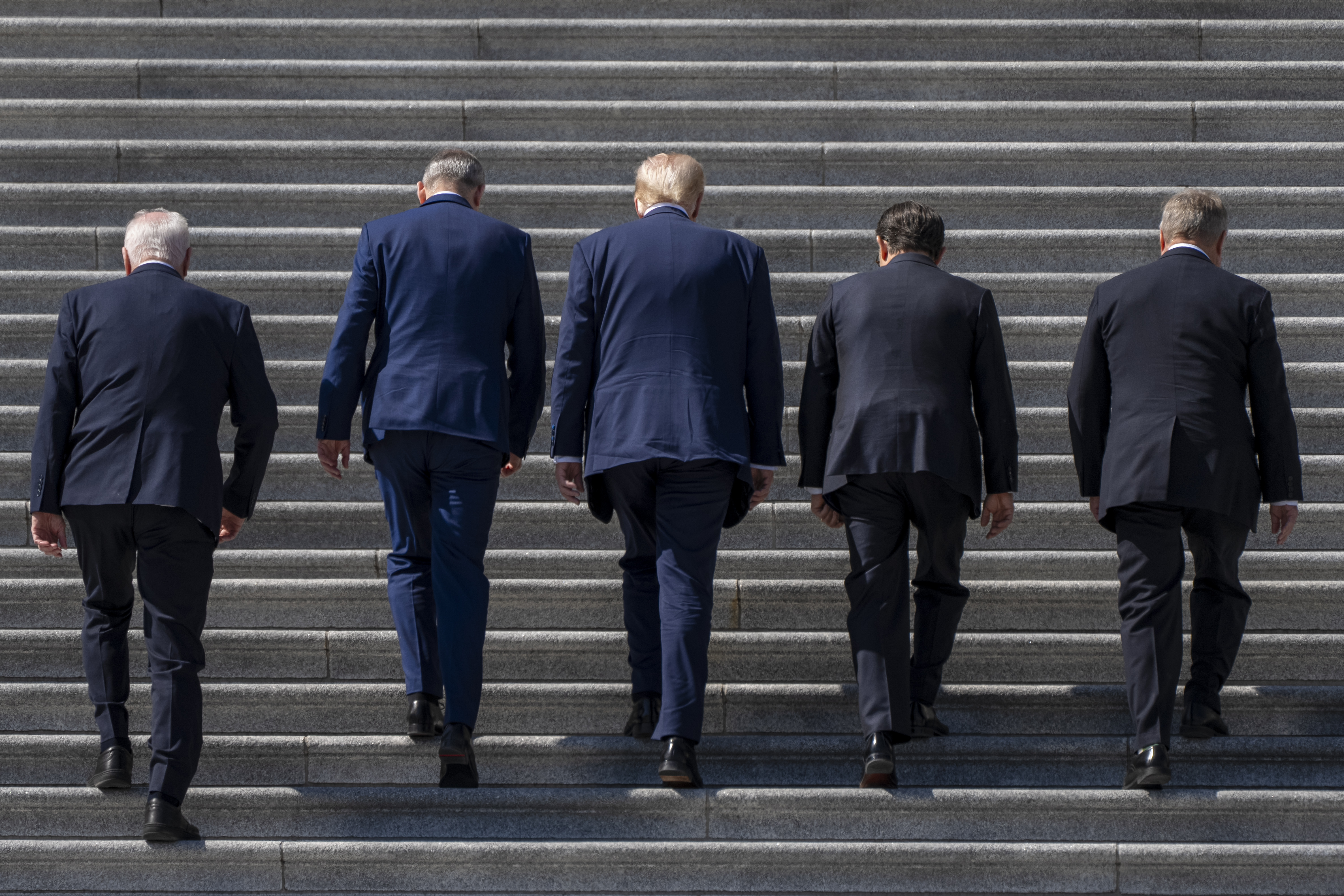
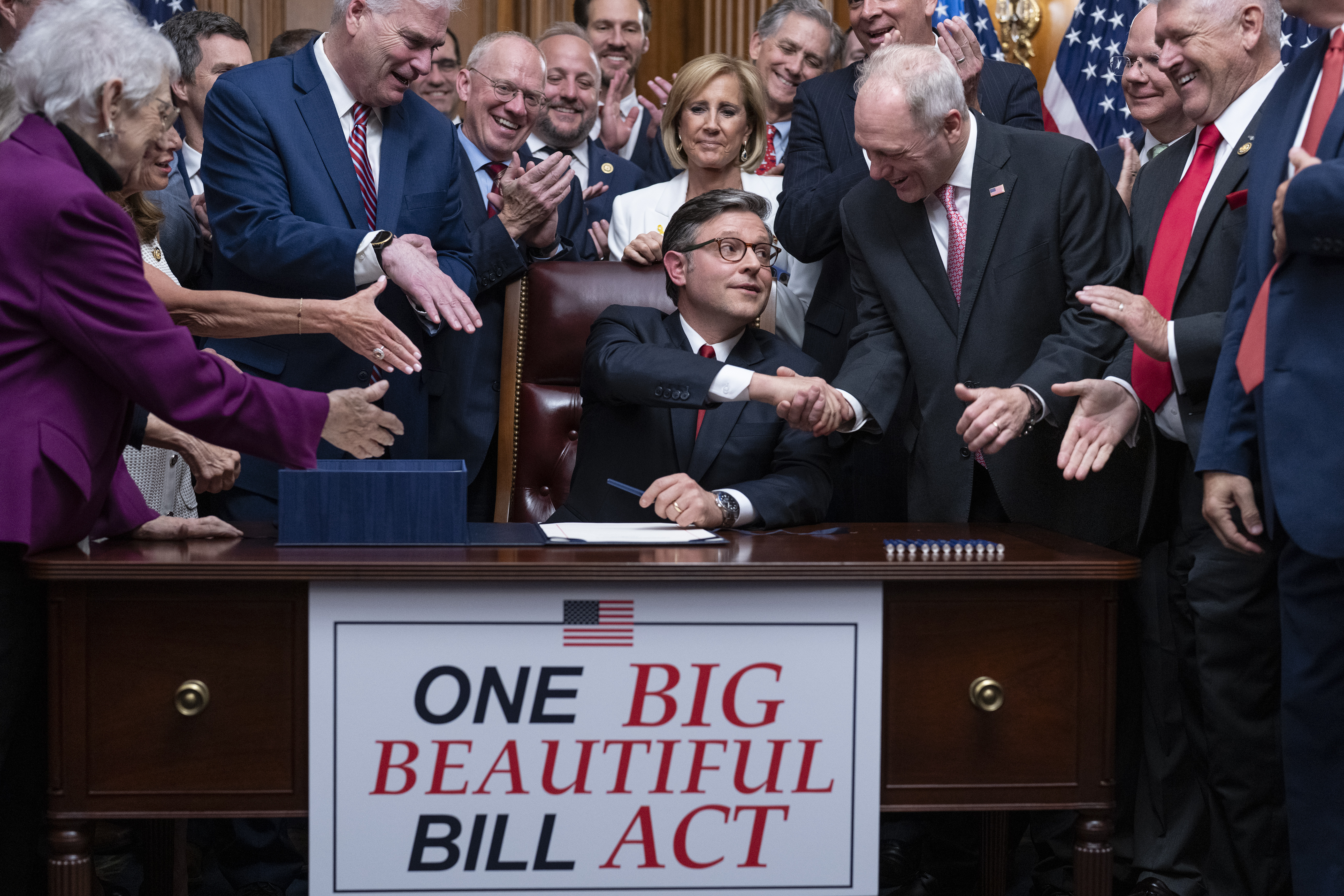
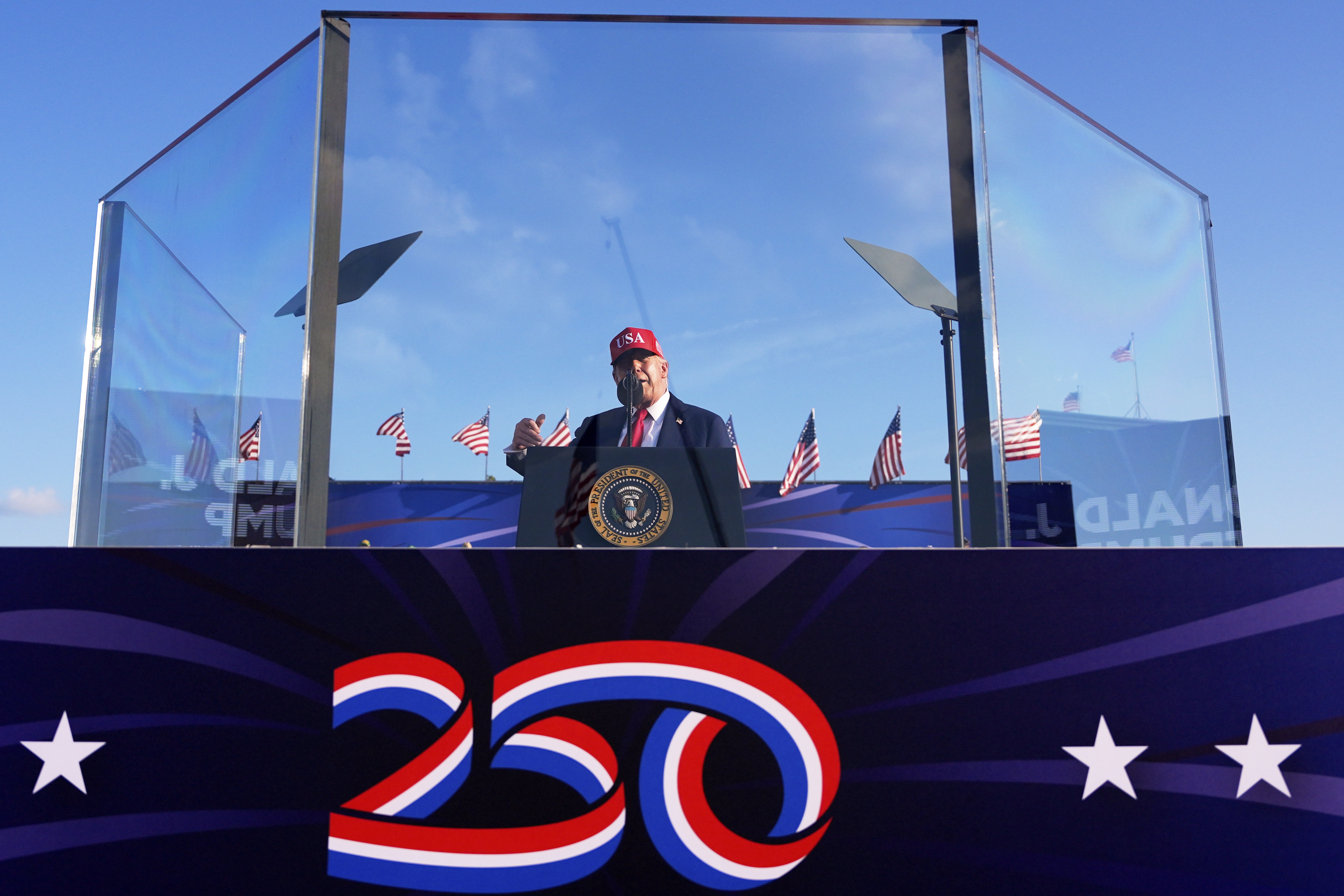
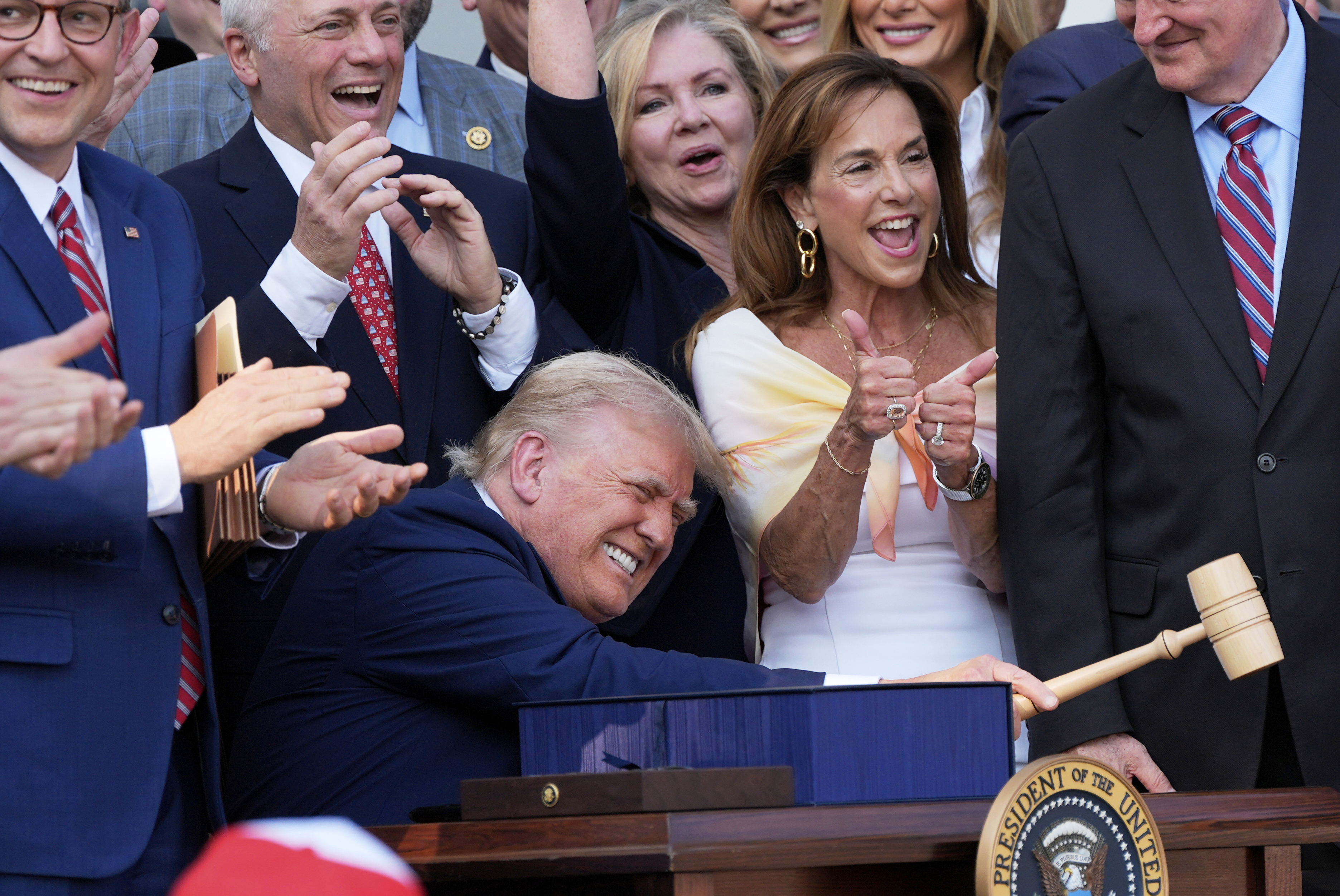
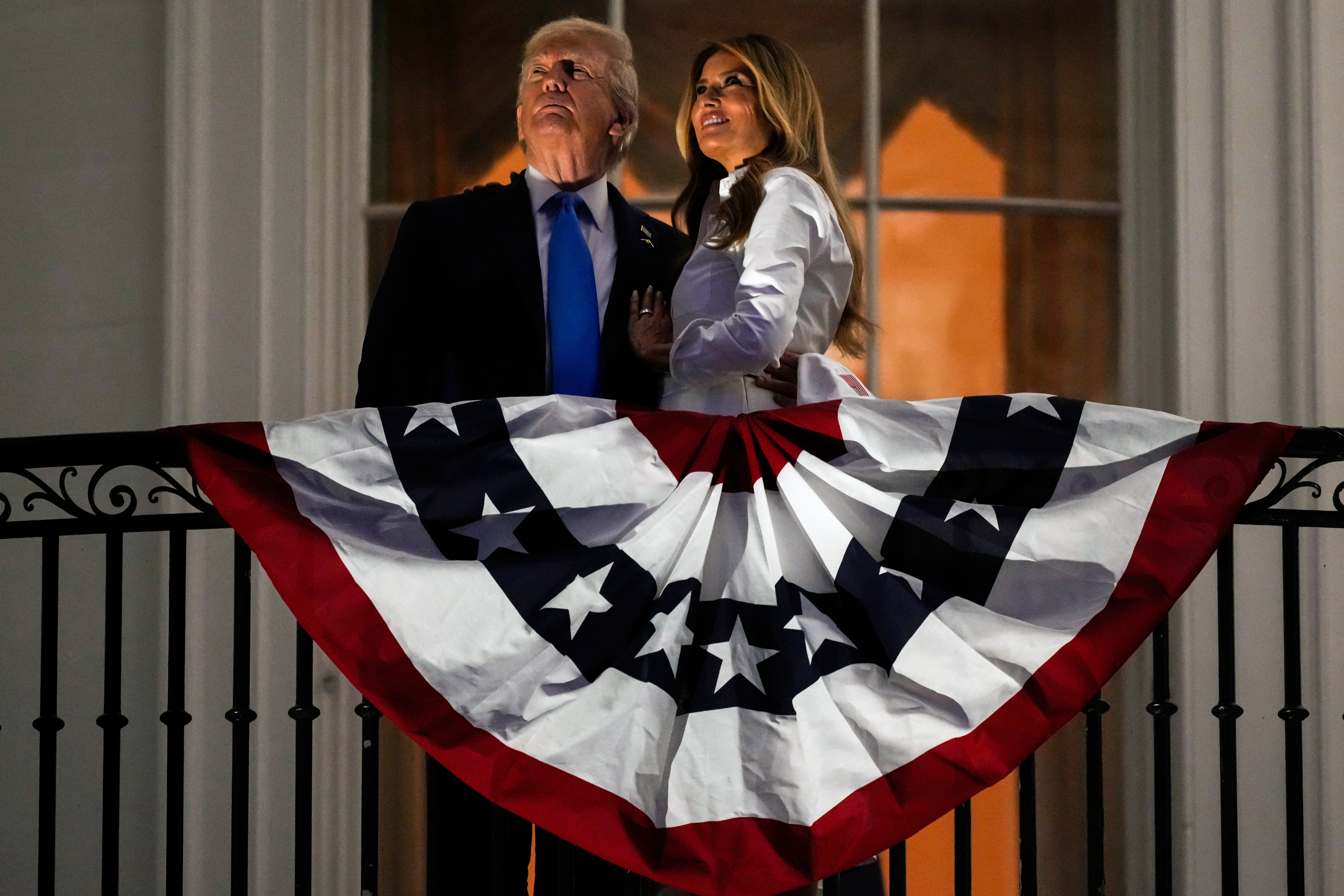
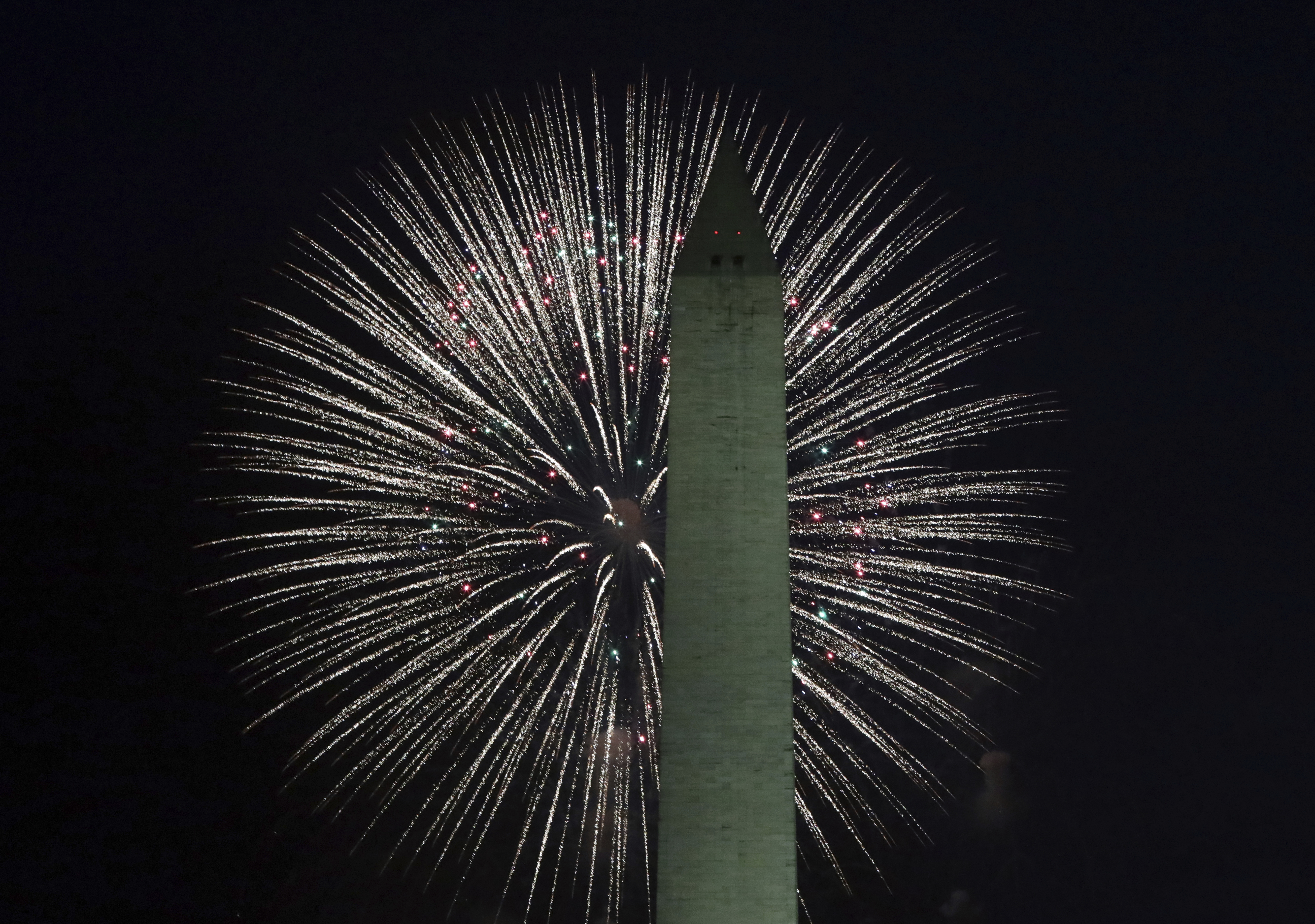
- SIGNATURE LEGISLATION: In an elaborate ceremony on the July 4 holiday, Trump signs into law his signature piece of legislation, the One Big Beautiful Bill Act, which cements his 2017 tax cuts and surges spending for immigration enforcement.
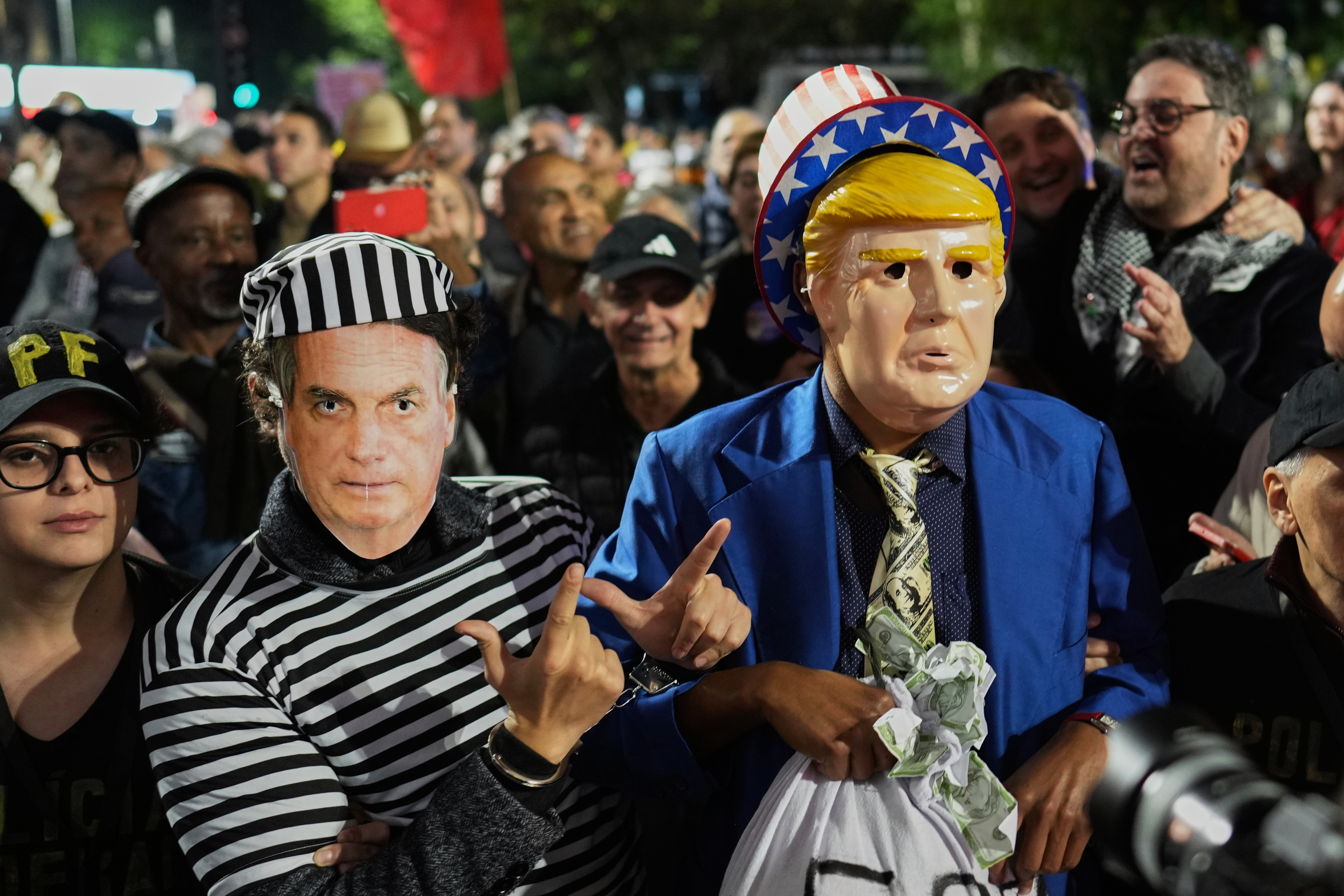
- BRAZIL: Trump lashes out against Brazil's prosecution of former far-right President Jair Bolsonaro, threatening to impose 50 percent tariffs on some of the country's exports unless the "persecution" ends.
- MEDIA DEAL: The media company Paramount agrees to pay Trump $16m to settle a lawsuit over the editing of a 60 Minutes interview with Trump's election rival, Kamala Harris. Shortly thereafter, the Trump administration approves a merger between Paramount and the studio Skydance.
- REDISTRICTING: At Trump's behest, on July 30, the Texas House of Representatives releases a new map of congressional districts, designed to increase the number of Republicans in the US Congress by five.
- RESCISSION: Trump successfully calls on Congress to back a bill that would pull nearly $9bn in funding for foreign aid and public media, gutting the Corporation for Public Broadcasting.
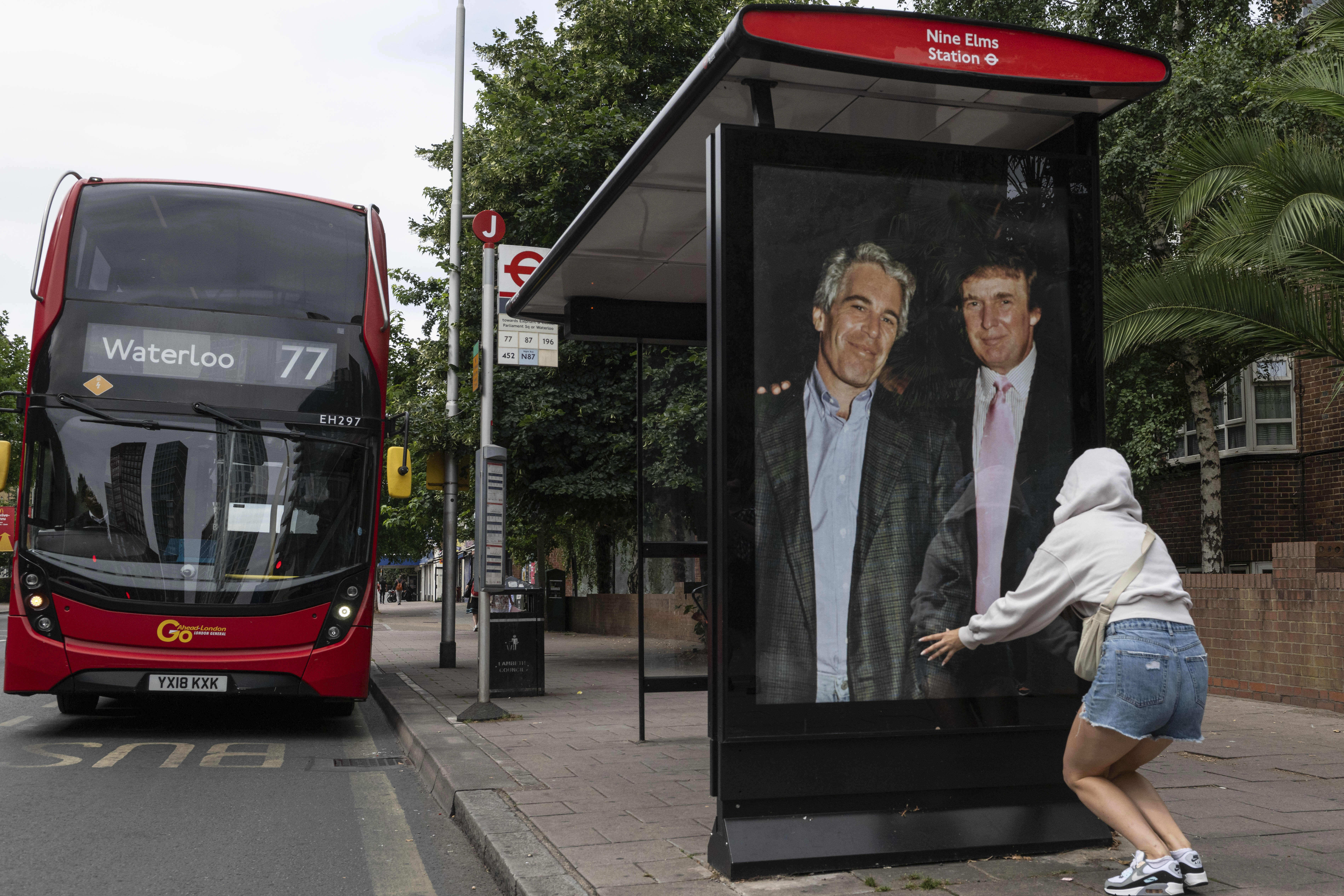
- EPSTEIN SCANDAL: The Wall Street Journal publishes a report alleging that Trump drew a sexually suggestive image in a 2003 birthday book for convicted sex offender Jeffrey Epstein. Faced with calls for transparency in the Epstein case, Trump condemns Republicans as "weaklings" for supporting the file's release.
- COLUMBIA DEAL: Targeted for the pro-Palestinian protests that unfolded on its campus, Columbia University agrees to pay the Trump administration nearly $221m to restore its federal funding and end investigations into alleged anti-Semitism.
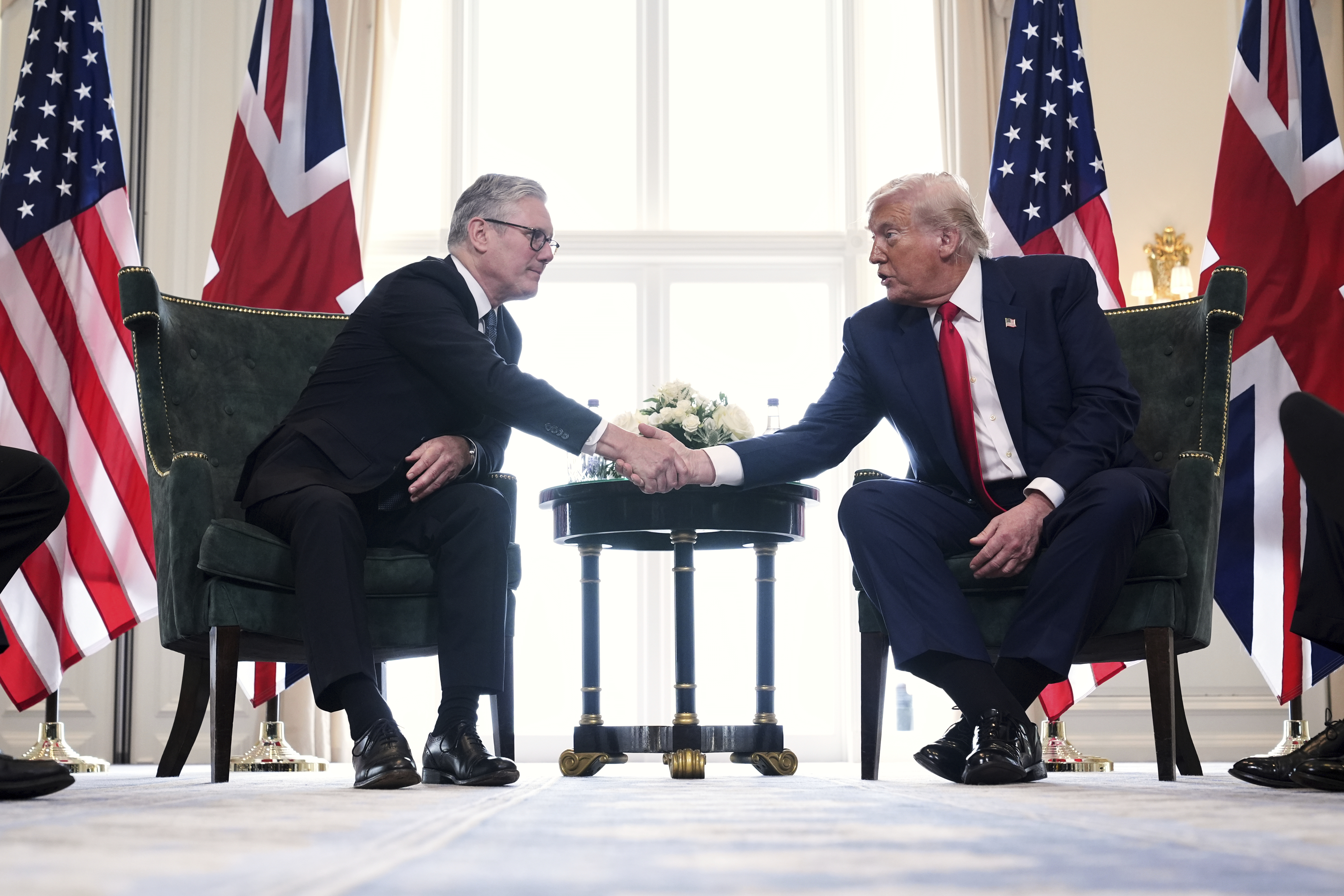
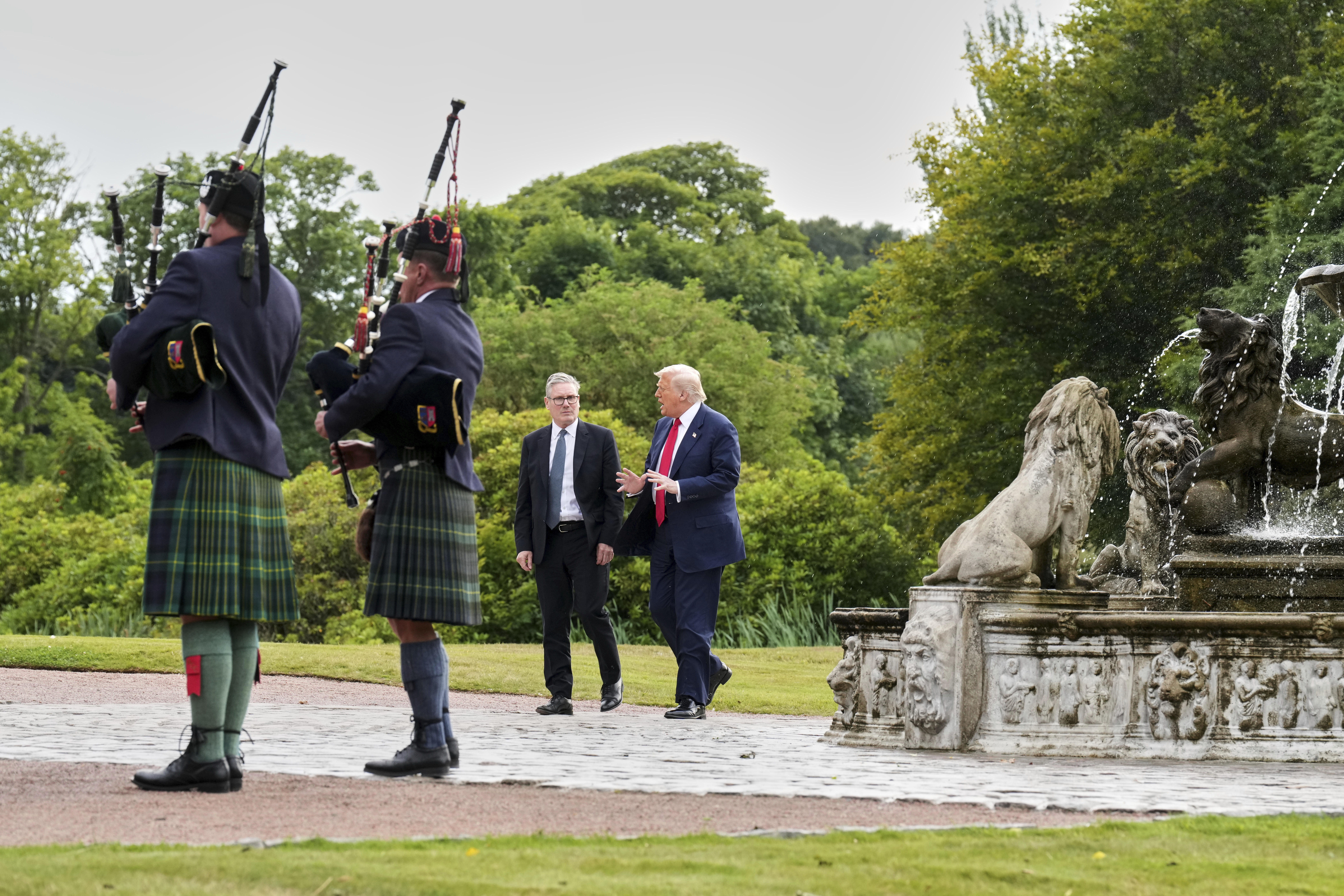
- SCOTLAND TRIP: Trump couples a trip to Scotland, to open a new golf course, with a diplomatic outing to talk trade barriers with UK Prime Minister Keir Starmer and European Commission President Ursula von der Leyen.
- MASS LAYOFFS: In an unsigned brief, the US Supreme Court allows the Trump administration to proceed with its planned layoffs of thousands of federal employees, though court challenges continue.



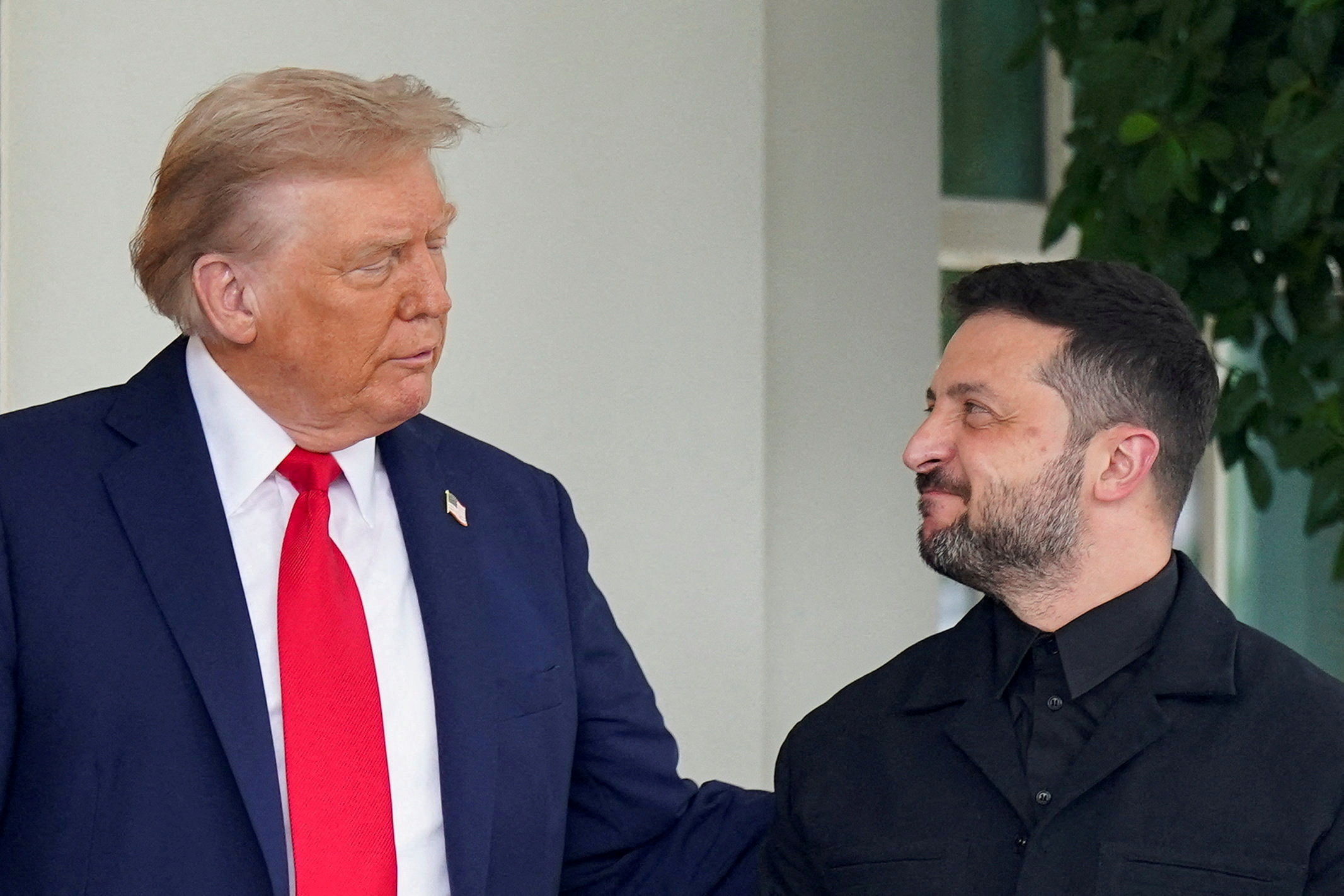


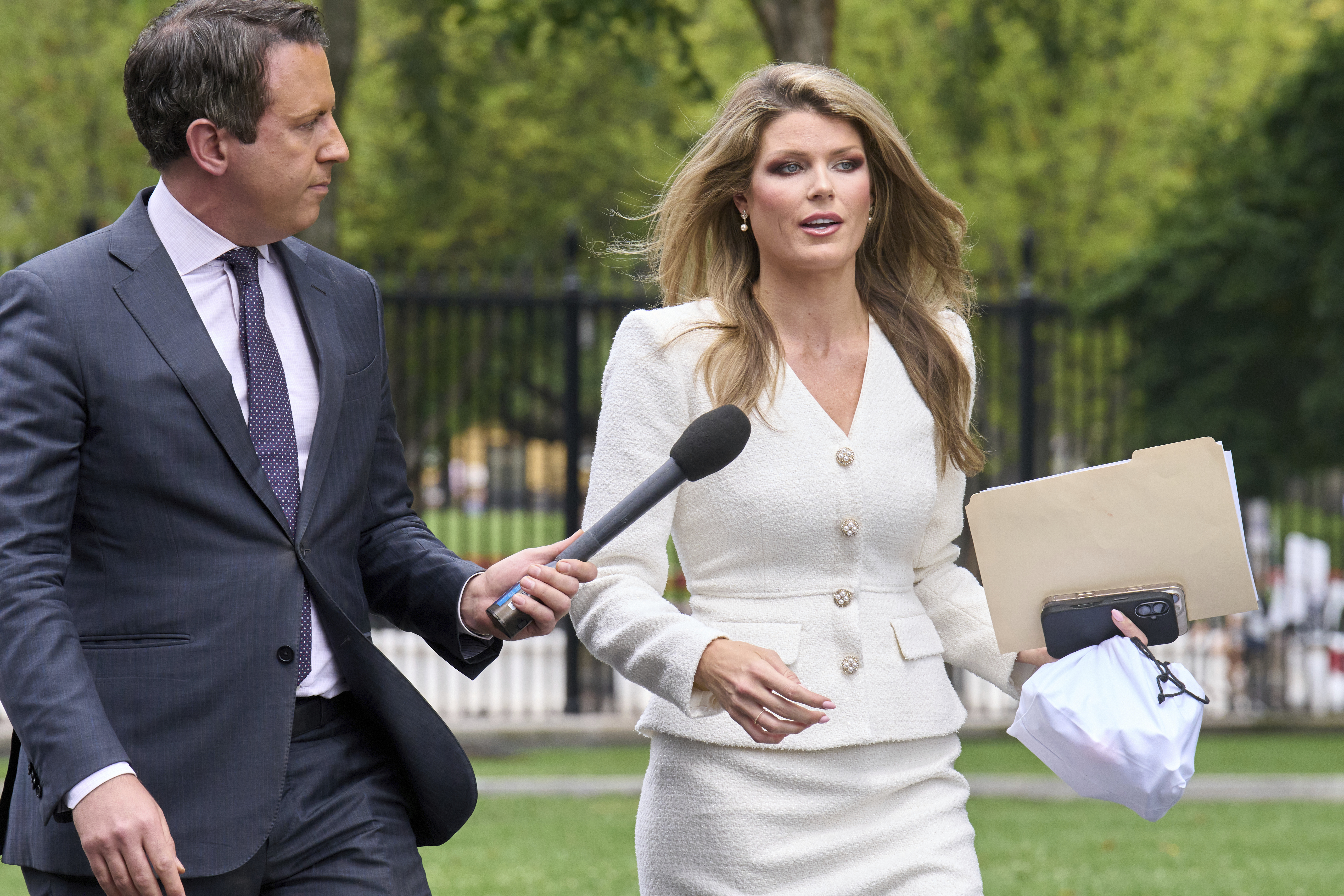



August 2025 at a glance
While Republicans had traditionally advocated for less government intervention in the economy, Trump signalled in August that he would go in a different direction.
He took aggressive action against a governor on the Federal Reserve, the US central bank, and after a dispute with the chipmaker Intel, his administration arranged ownership over a percentage of the company's stock. Here are some of the top headlines:
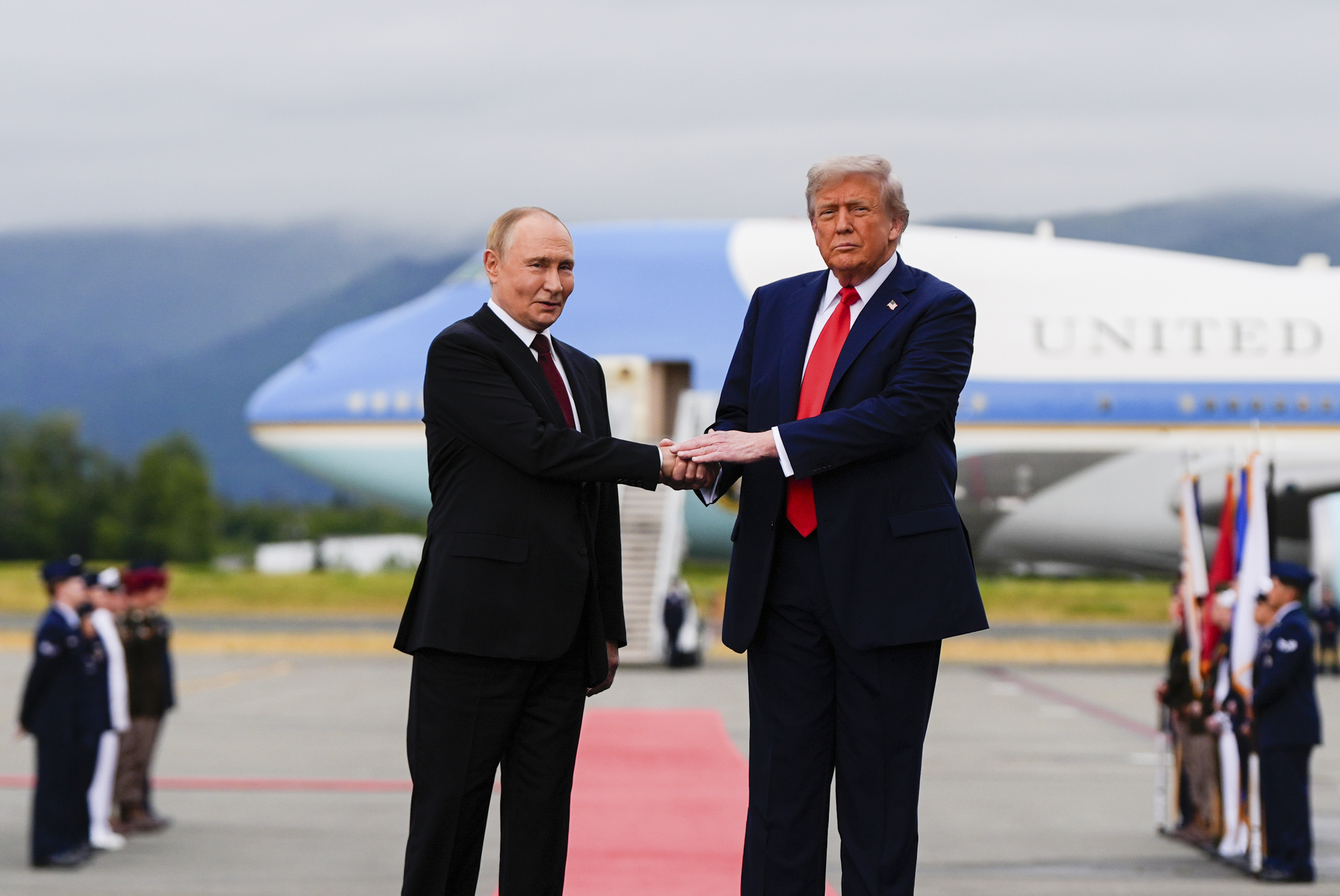
- HOSTING PUTIN: For the first time since 2015, Russian President Vladimir Putin visits US soil, where he meets with Trump to discuss a resolution to the war in Ukraine. Despite Putin's red-carpet welcome in Alaska, the meeting is criticised for producing a lack of tangible results.
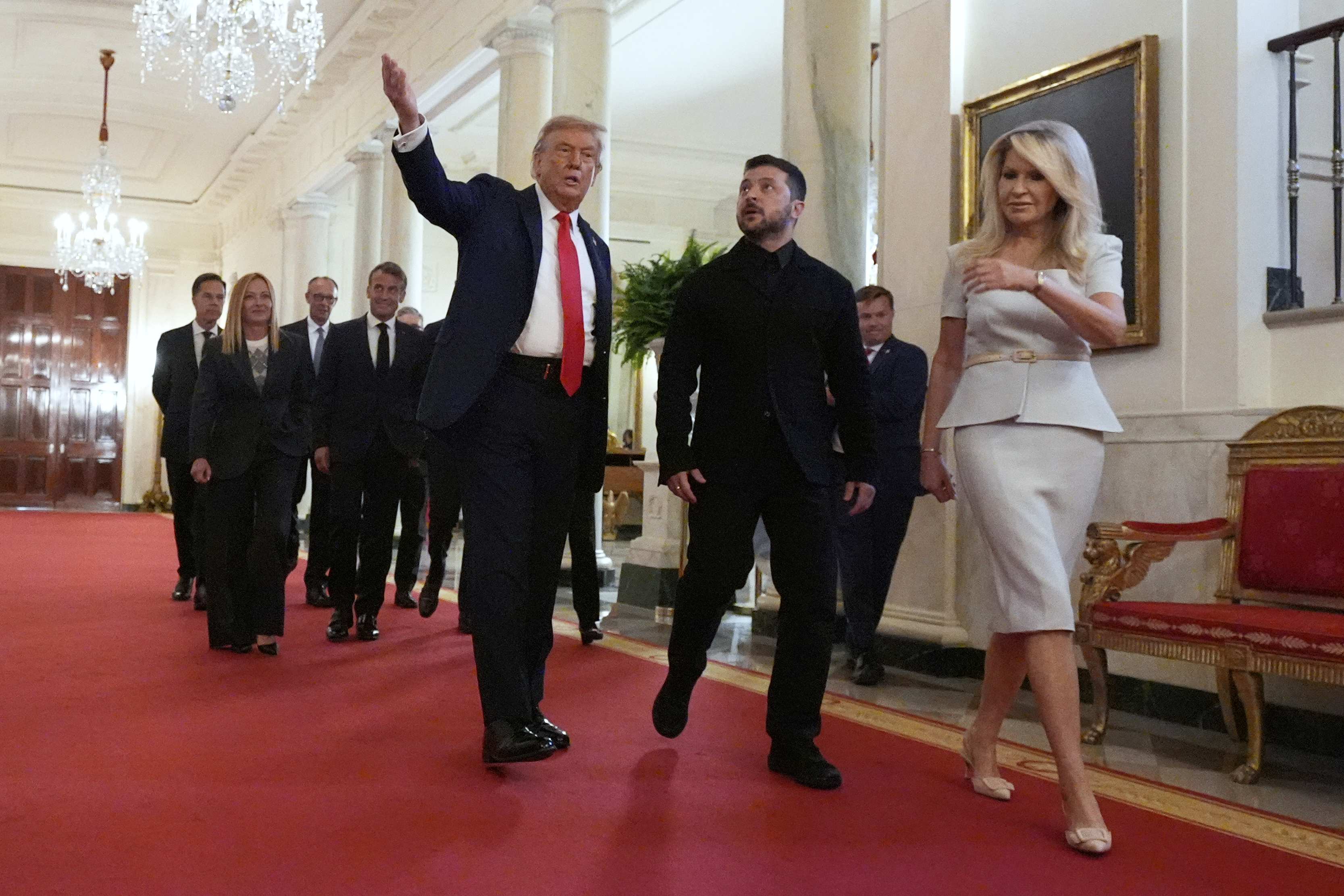
- NEGOTIATING WITH EUROPE: Three days after his meeting with Putin, Trump hosts European leaders to discuss security guarantees for Ukraine and cement a deal for the war-torn country to buy nearly $90bn in US weaponry.
- FEDERAL RESERVE: Amid a dispute with the central bank over interest rates, the Trump administration announces it would seek to remove Federal Reserve Governor Lisa Cook from her post, setting off a lawsuit.
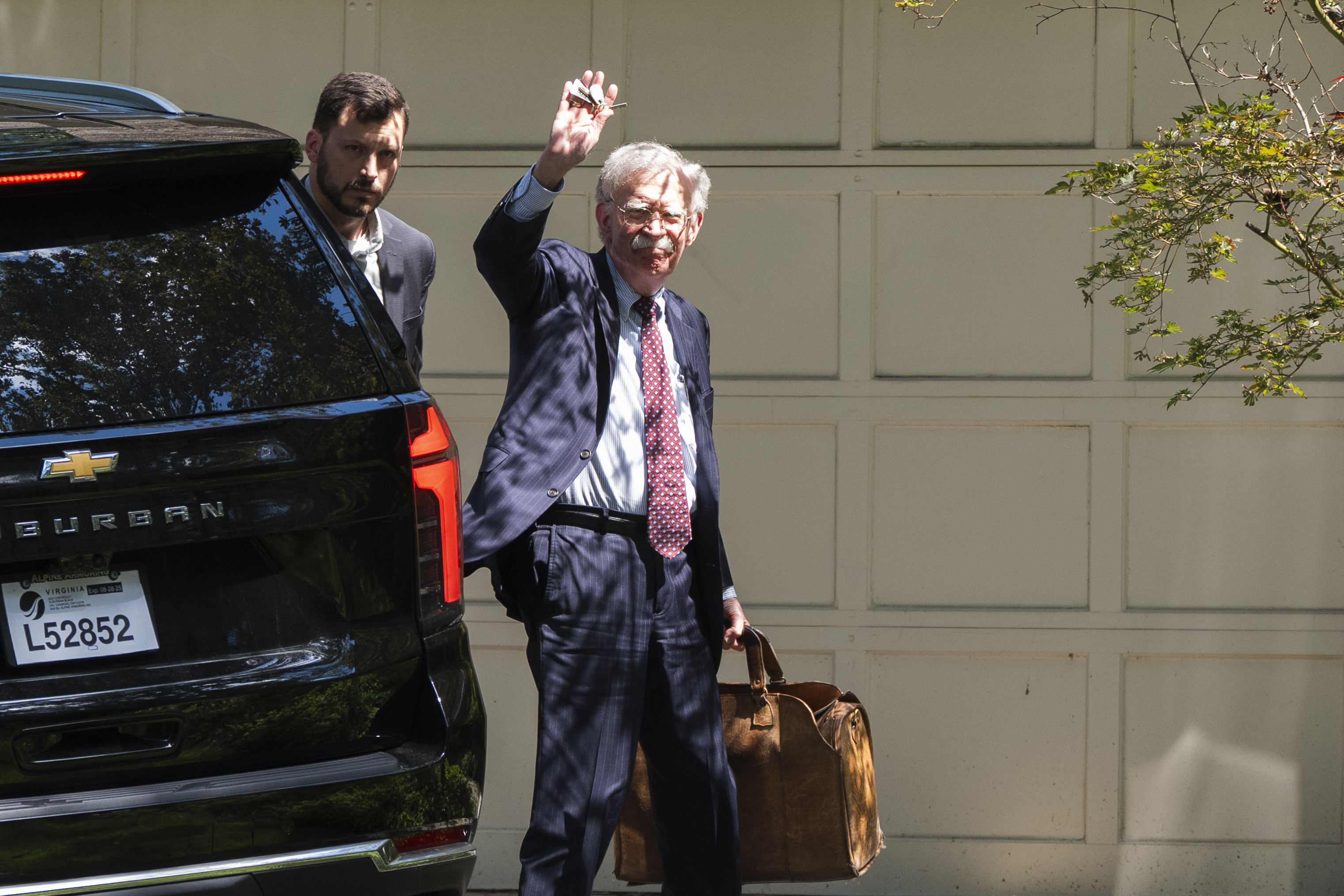
- FBI RAID: On August 22, the FBI initiates a search of the home and office of former national security adviser John Bolton, a Trump ally-turned-critic, as part of an investigation into whether he used classified materials in a book about his time in the president's first administration.
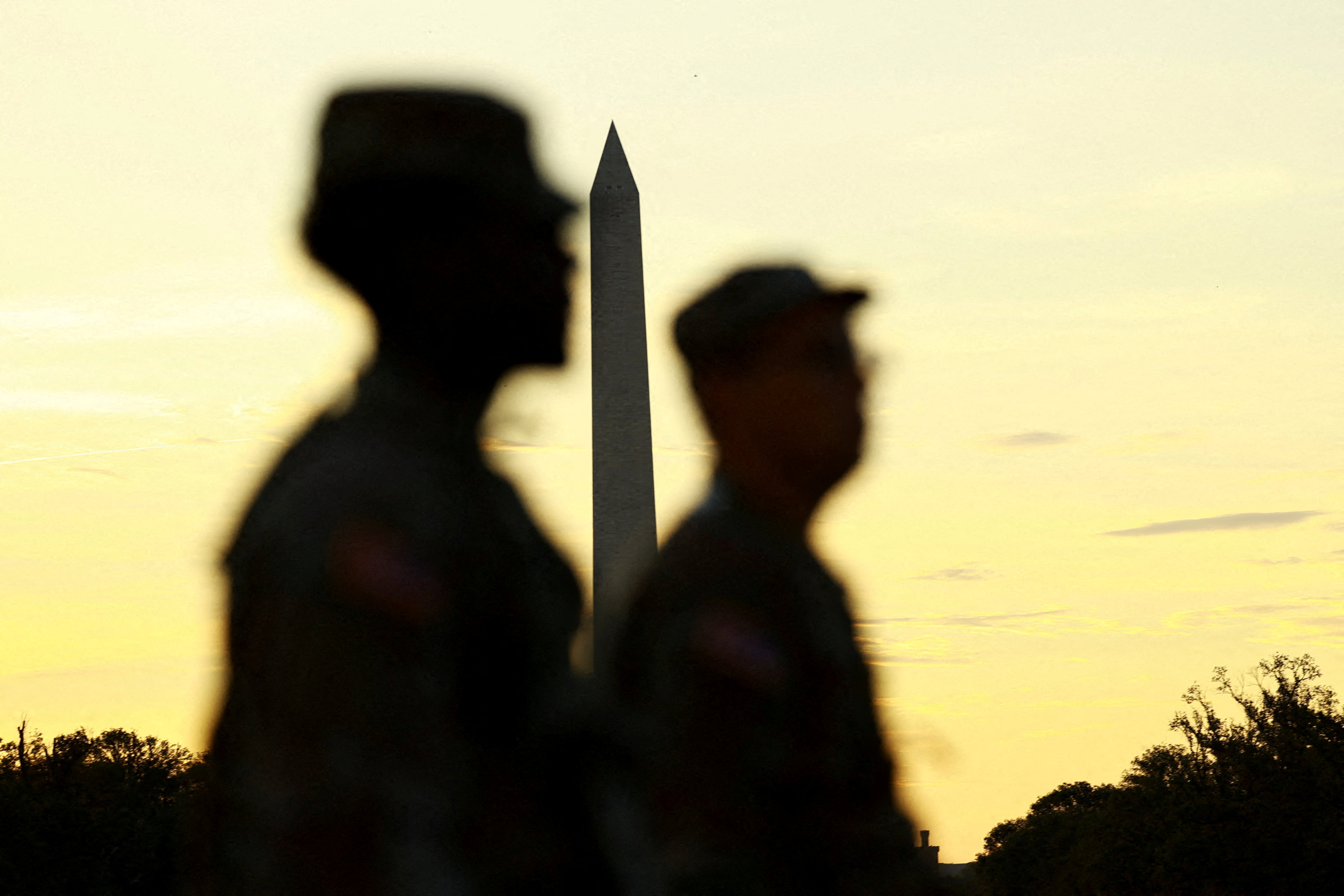
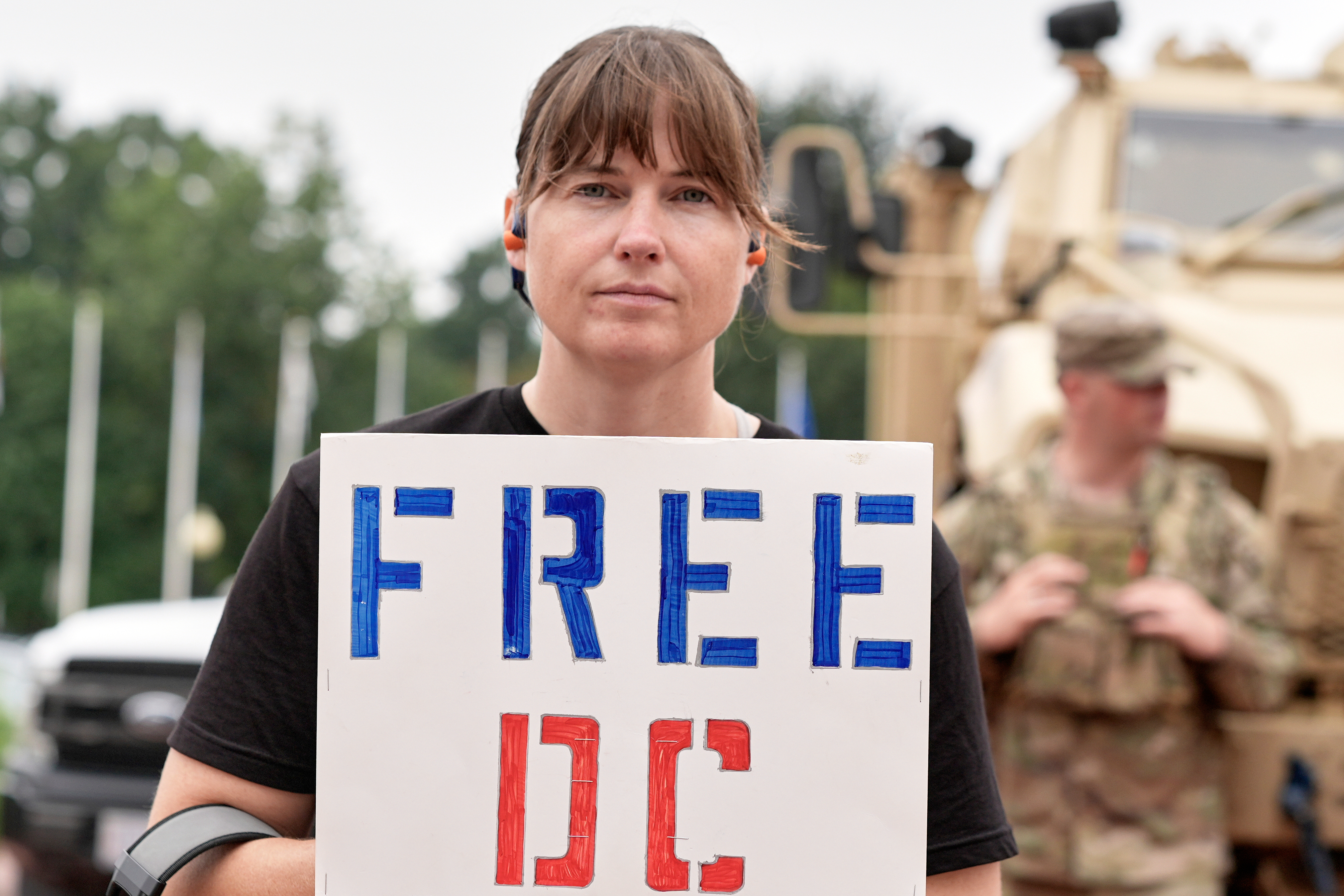
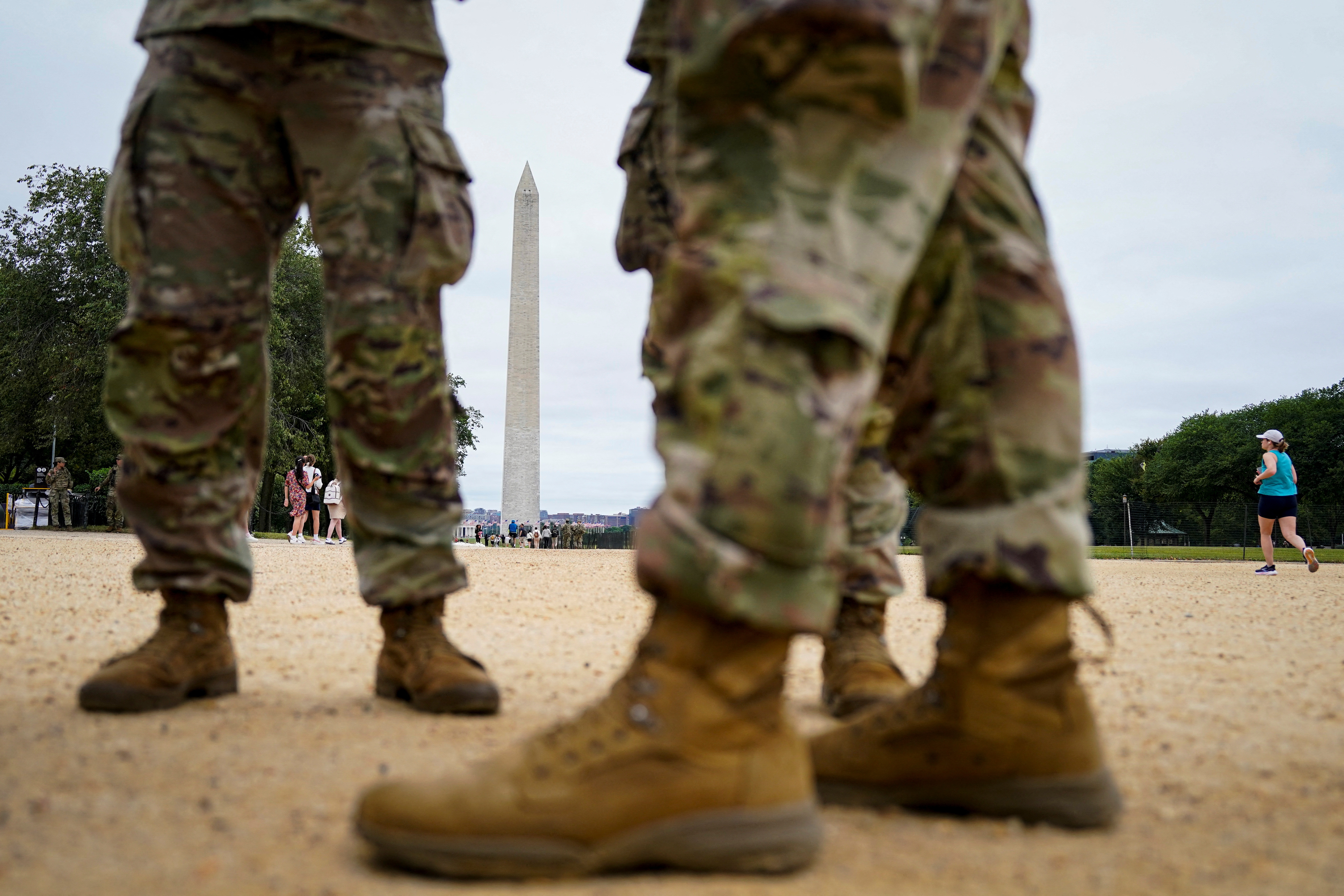
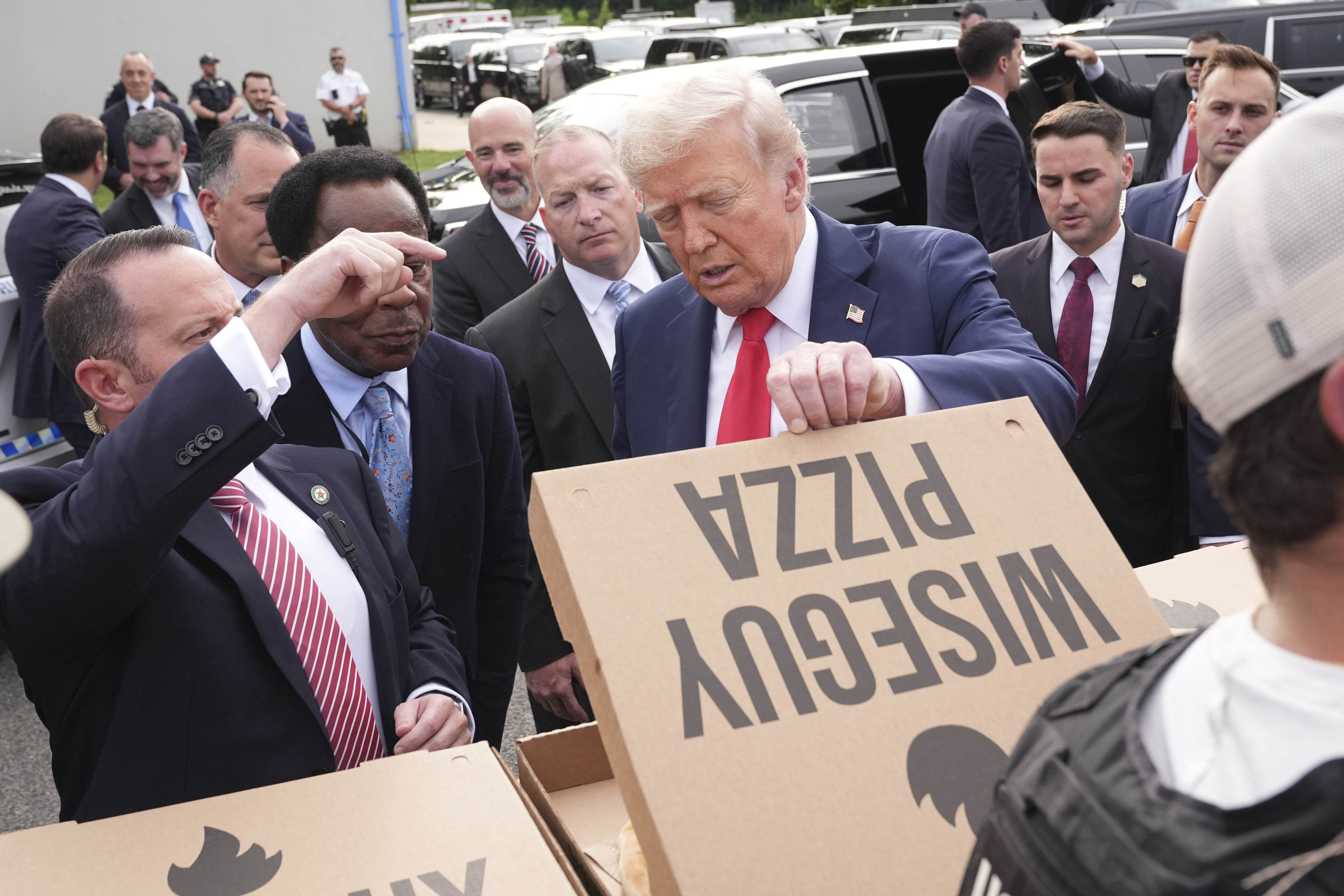
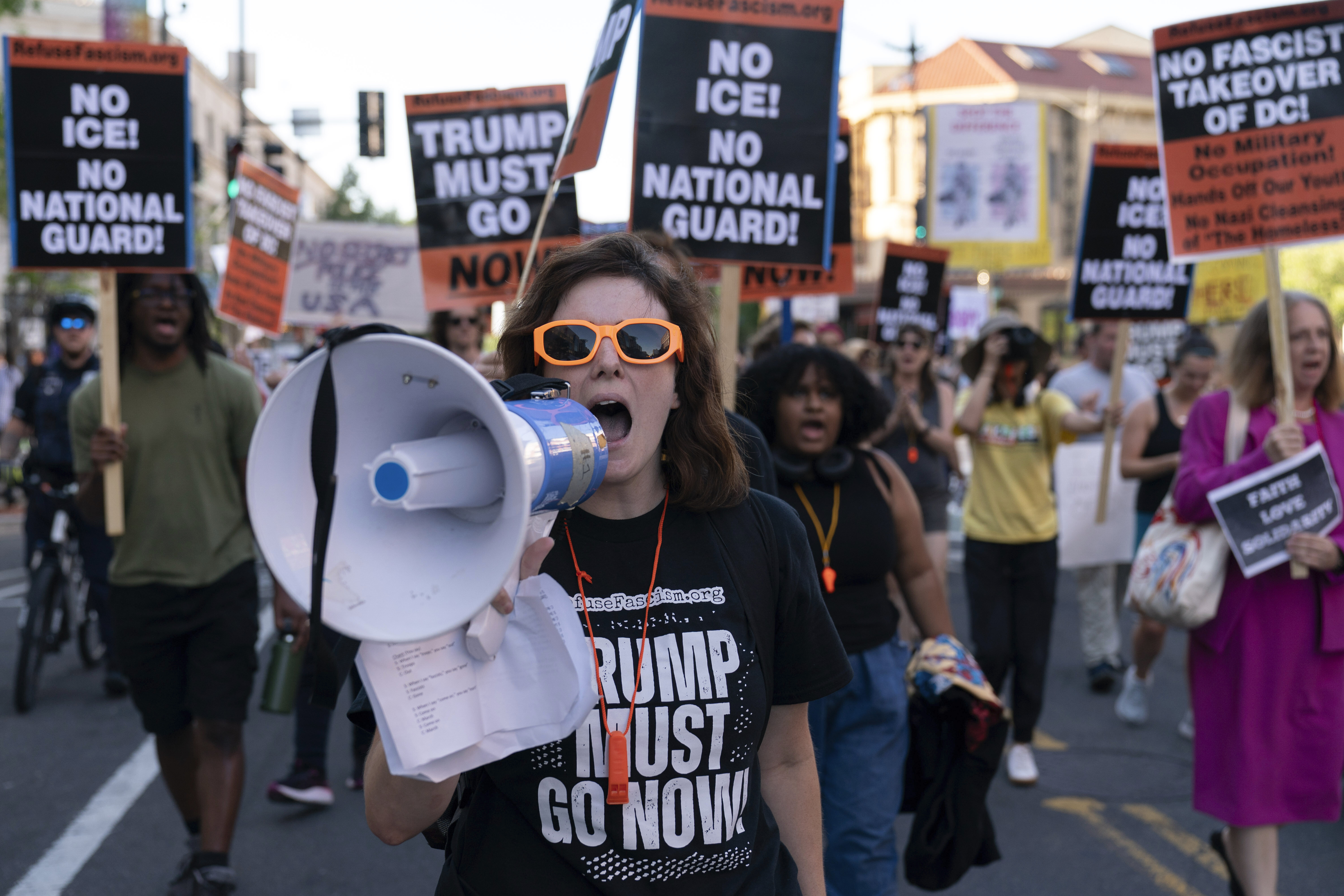
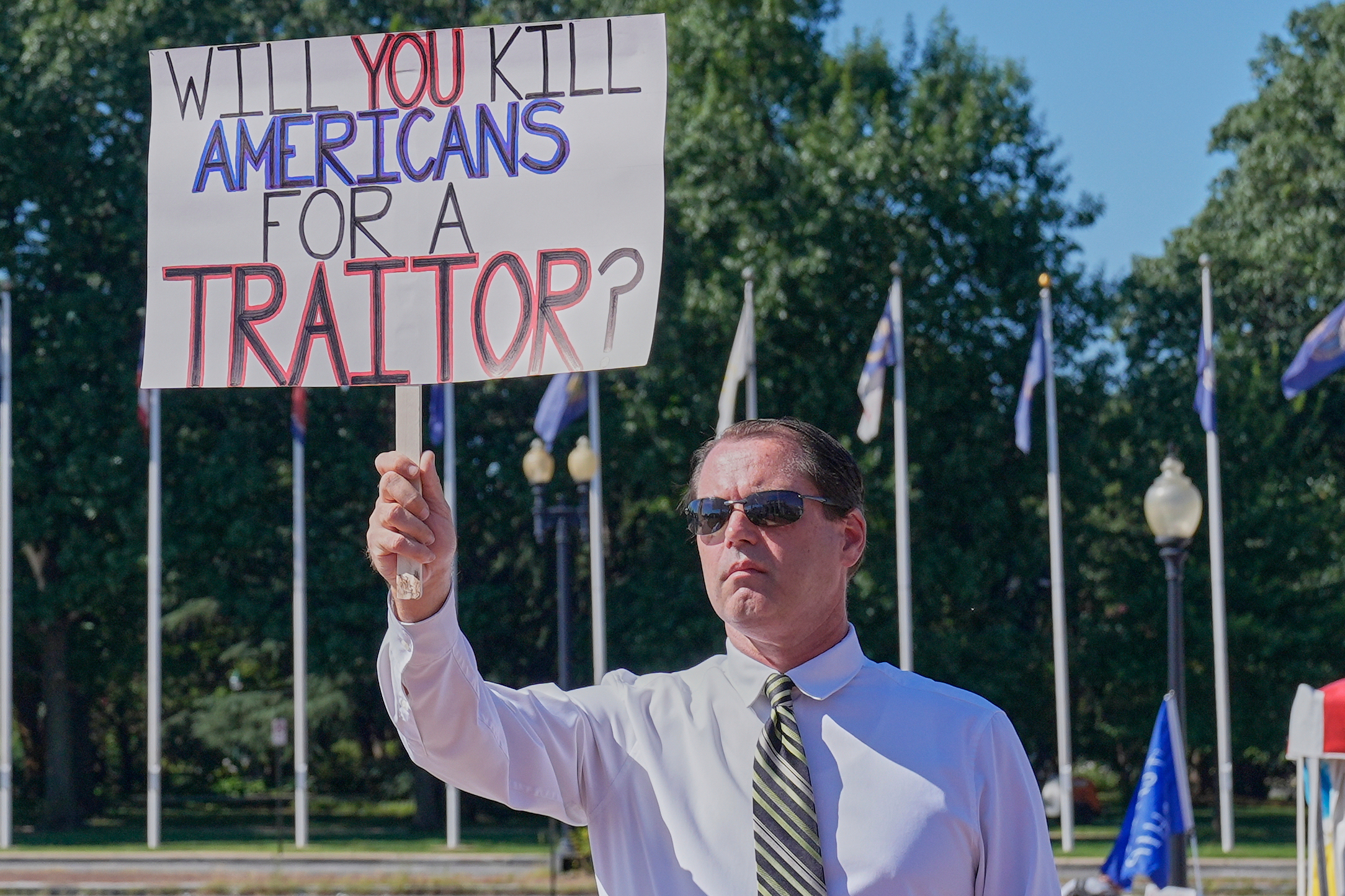
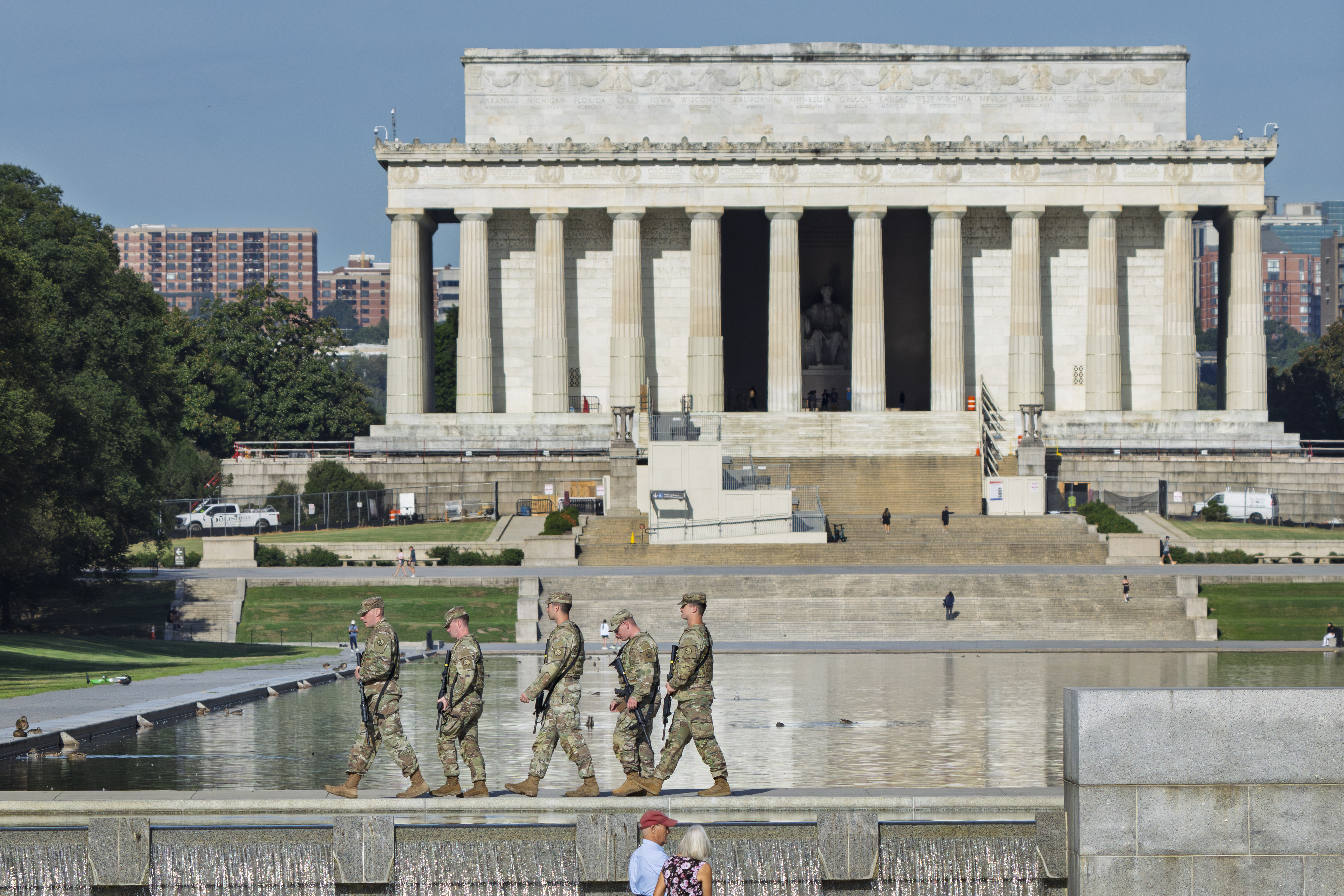
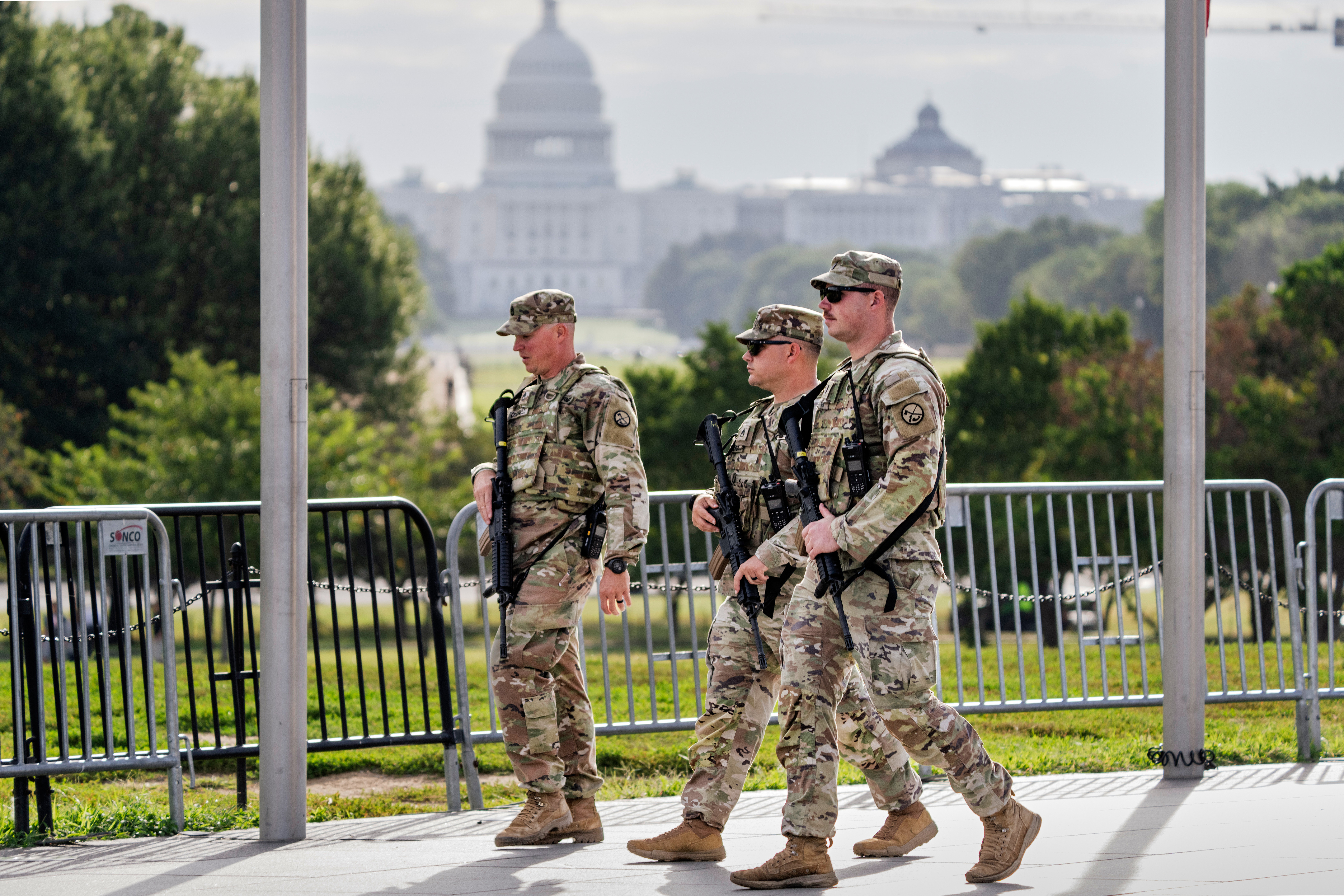
- DEPLOYMENT: Trump announces that hundreds of National Guard troops will be deployed to Washington, DC, to tamp down on illegal activity, despite statistics showing that crime had tumbled to a 30-year low in the capital.
- GOVERNMENT SHARE: Shortly after calling on Intel's CEO to resign, Trump announces the US government is taking a 10-percent stake in the chip-making company. CEO Lip-Bu Tan keeps his job.
- PREPARING THE MILITARY: Media reports emerge that Trump secretly signed a memo that would allow the Department of Defense to use military force against suspected drug-trafficking cartels in Latin America, setting the stage for foreign intervention.
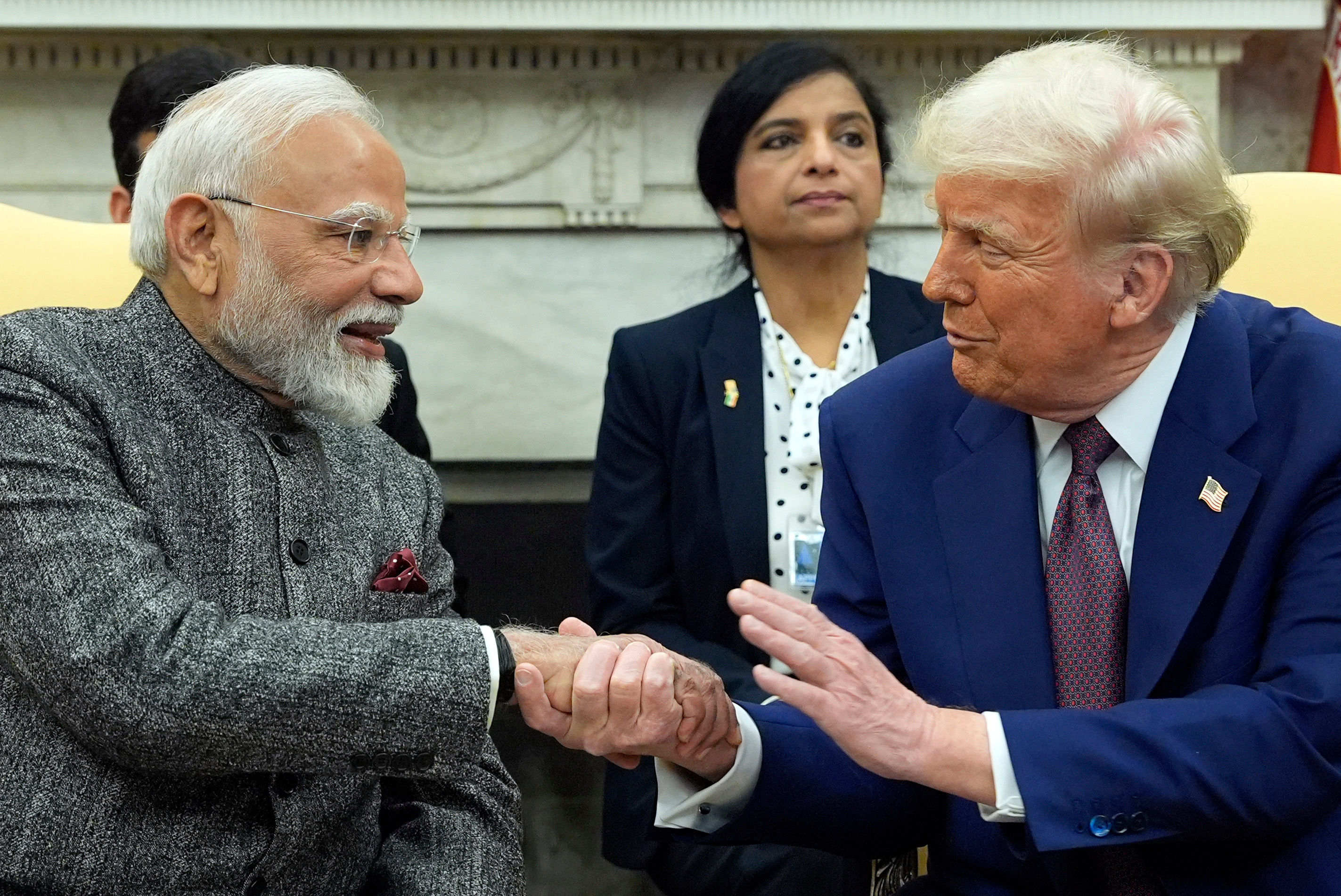
- INDIA TARIFFS: Despite having close ties with India during his first term, Trump slaps tariffs totalling 50 percent on the Asian country for its continued purchase of Russian oil, straining relations with the government of Narendra Modi.
- LEGAL VICTORY: An appeals court dismisses a civil fraud penalty worth nearly $515m against Trump and his businesses, calling the amount "excessive". Trump had denied wrongdoing in the case, which accused him of inflating his assets to secure better business deals.
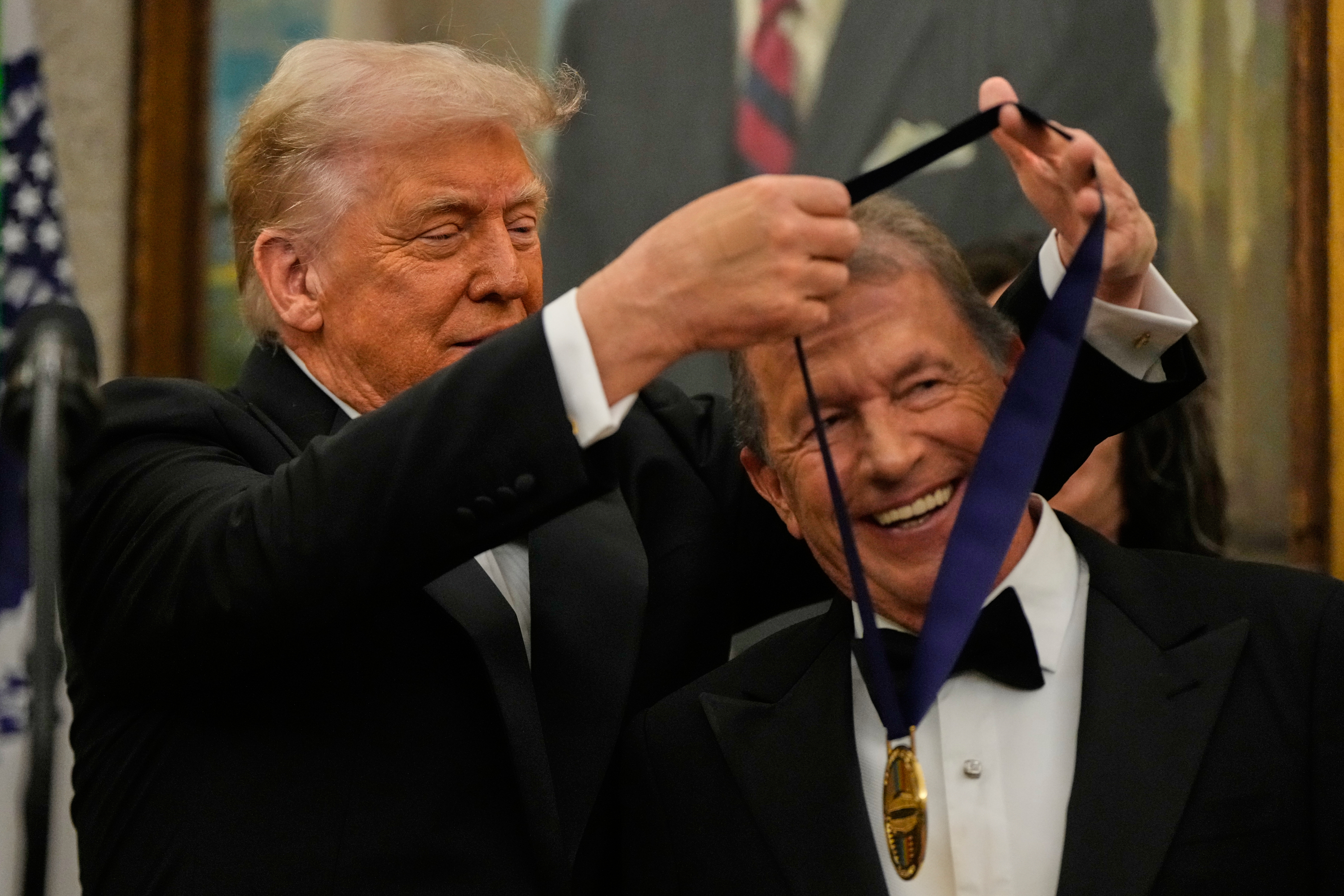
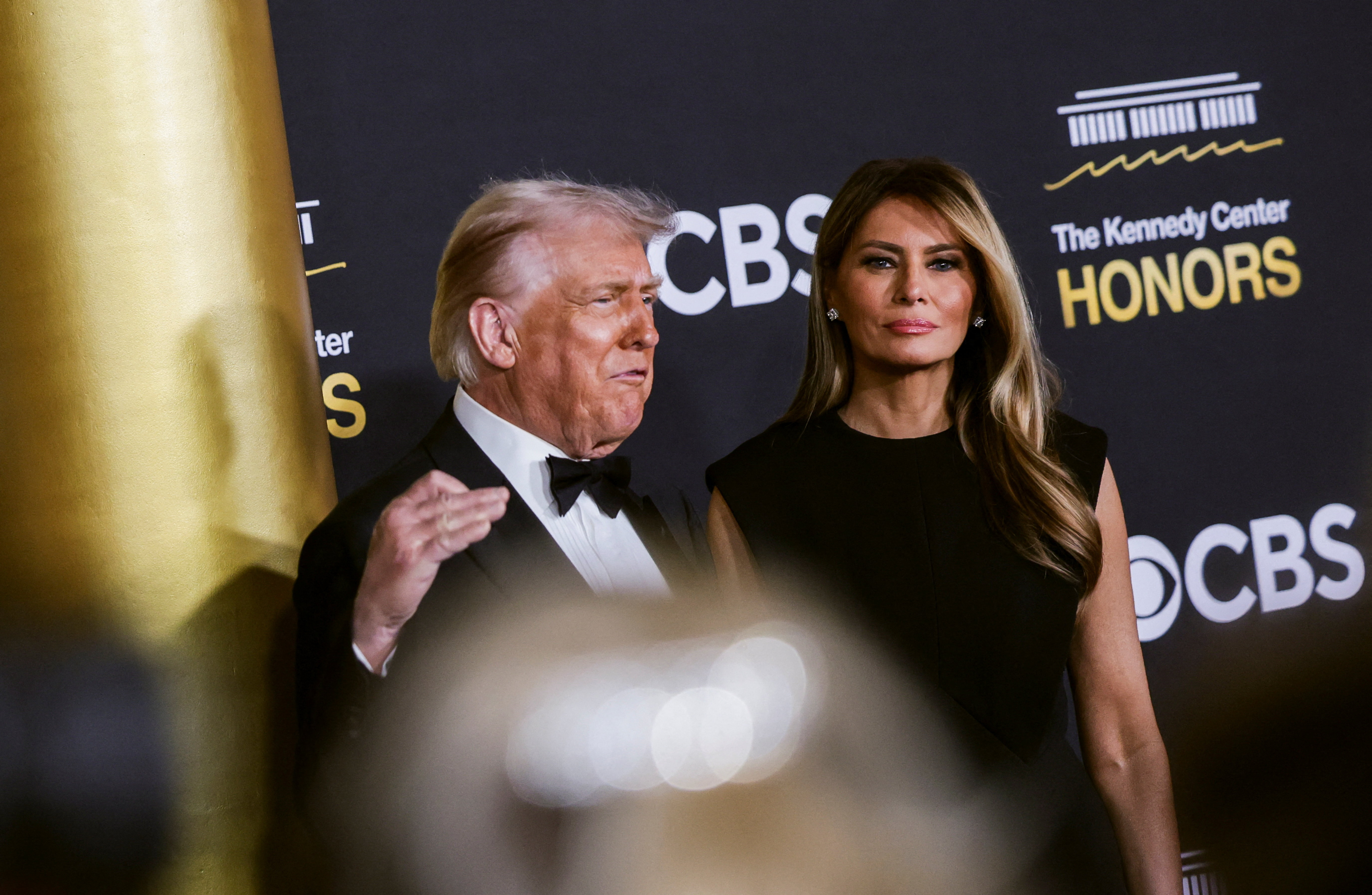
- KENNEDY CENTER: As part of his takeover of the national arts centre, Trump announces he will host the Kennedy Center Honors, a prestigious annual ceremony for artistic achievement. He adds he was "very involved" in choosing the 2025 recipients, which include the band KISS and the actor Sylvester Stalone.
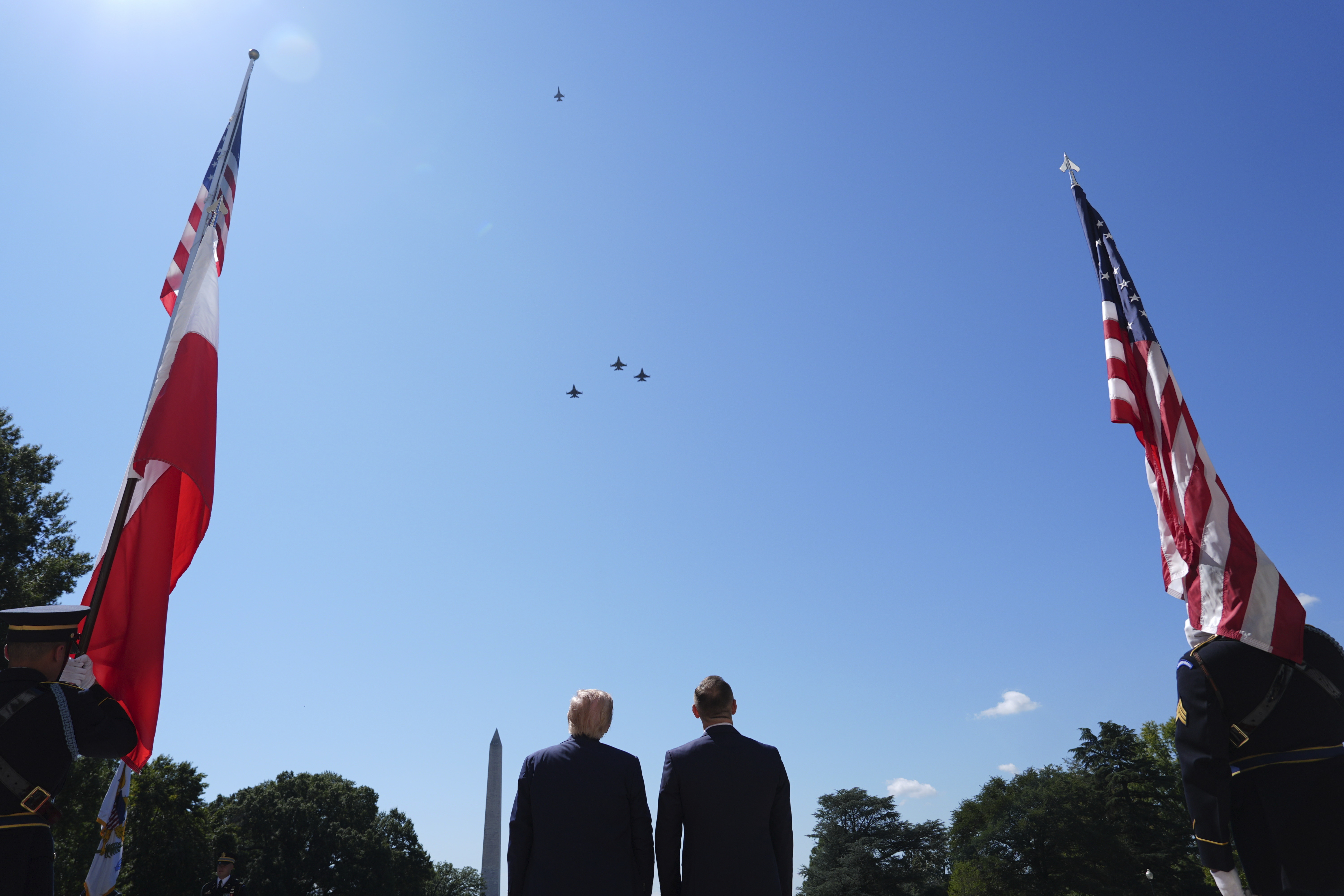

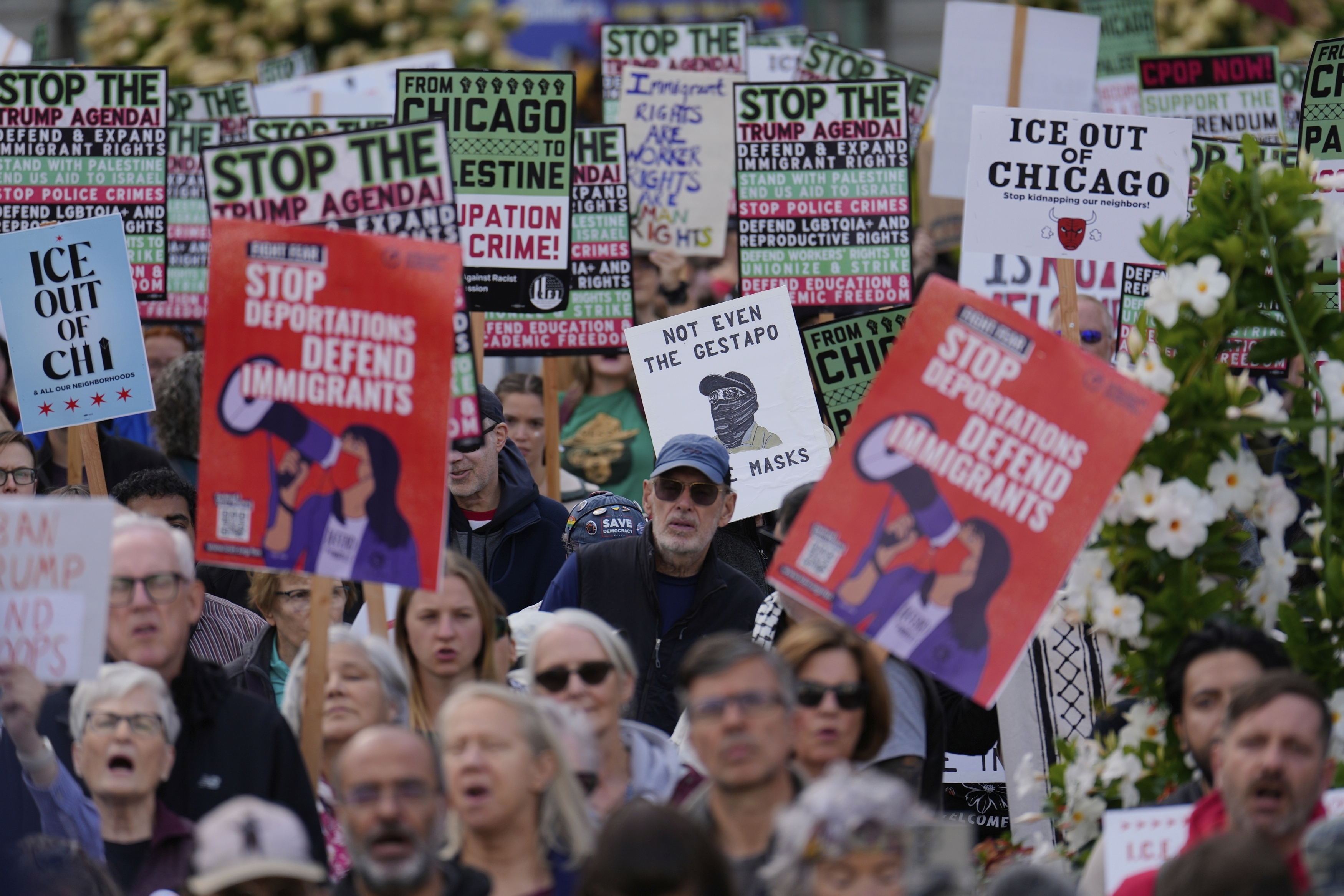
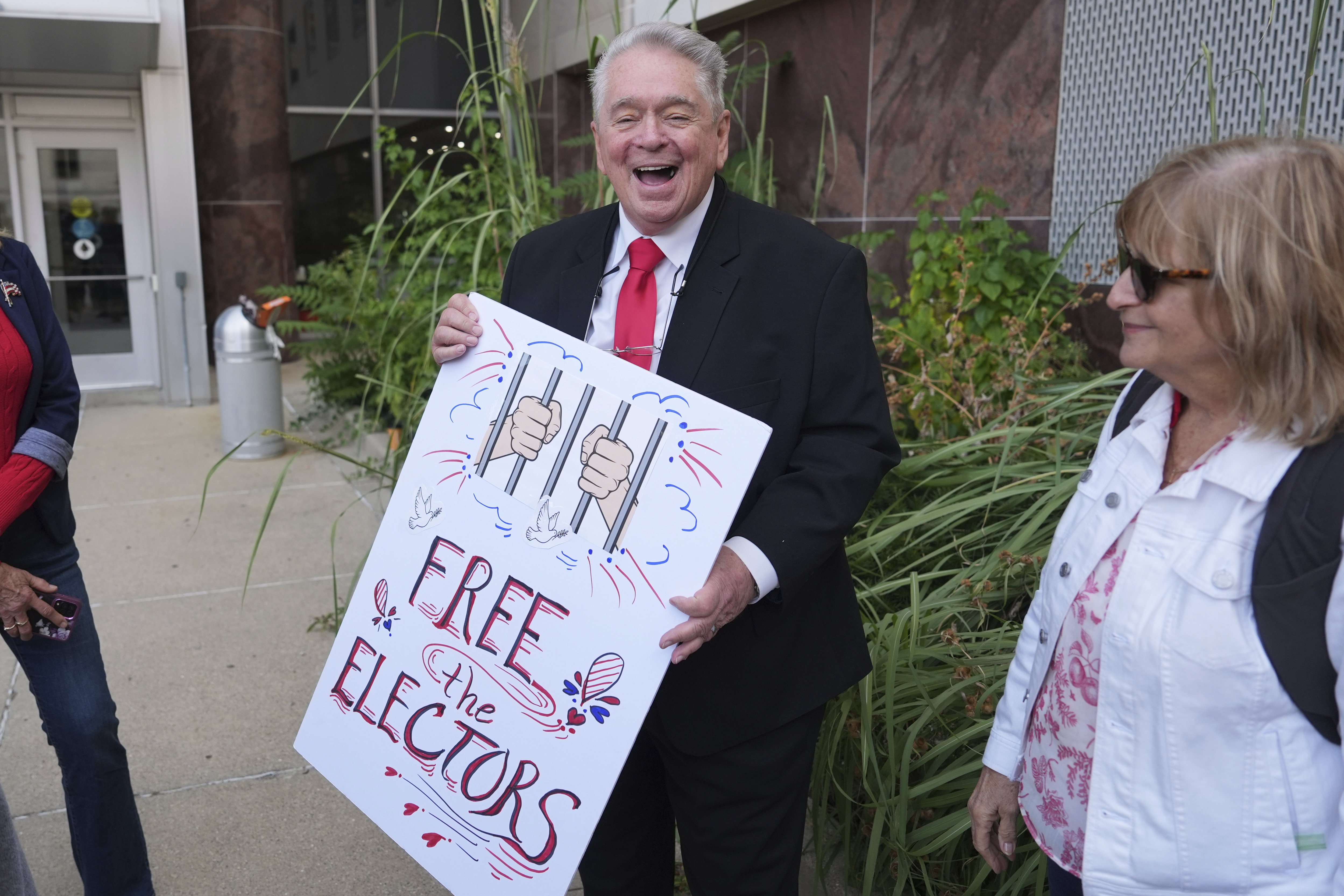
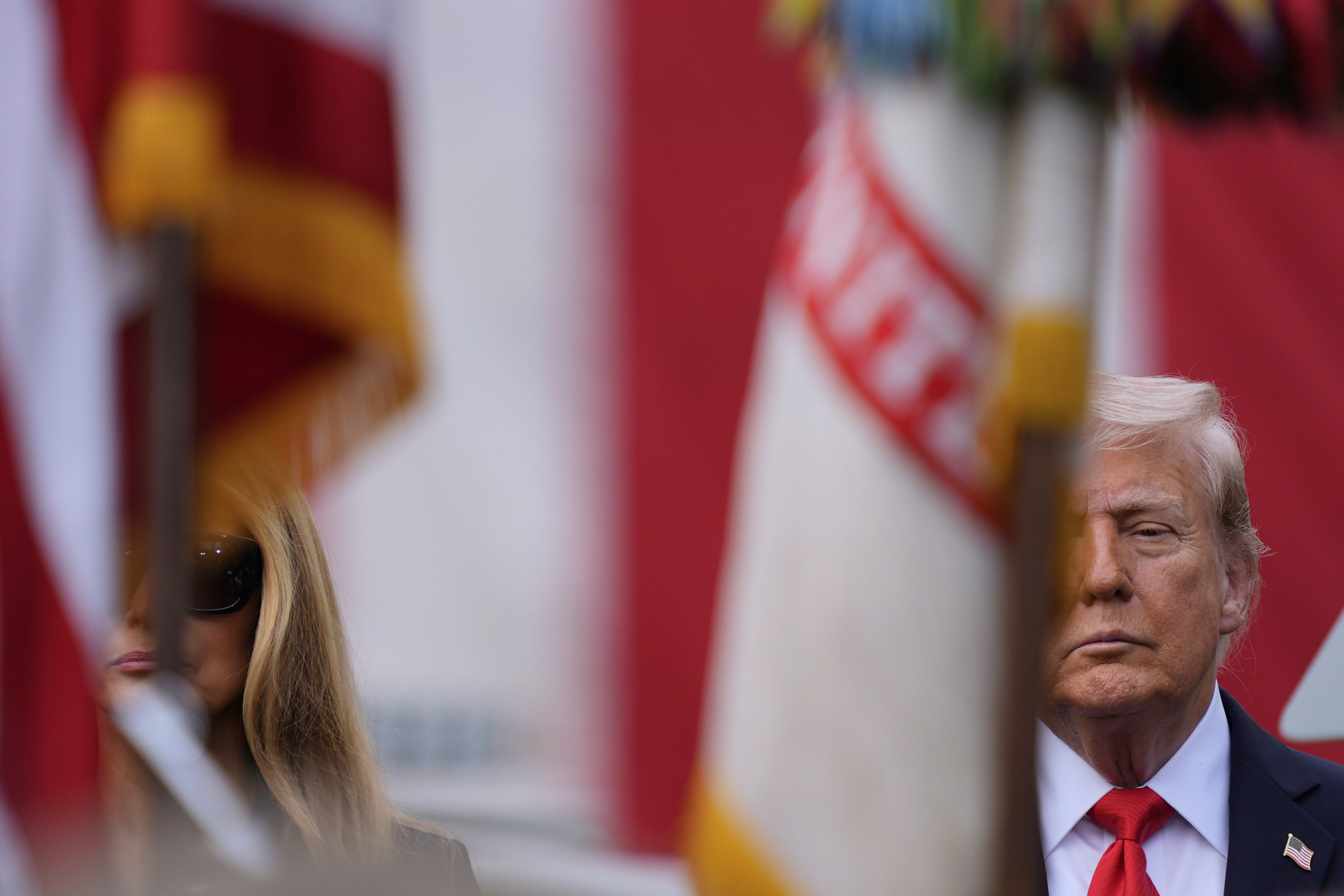



September 2025 at a glance
The long-promised attacks against alleged drug smugglers begin to materialise in September, when Trump kicks off a months-long campaign to bomb boats in international waters.
While previous military action under Trump had been concentrated in North Africa and the Middle East, the boat strikes signal a shift to more aggressive military action closer to home in the Western Hemisphere. Here are some of the month's top headlines:
- BOAT BOMBING CAMPAIGN: On September 2, Trump begins a series of deadly attacks on alleged drug-smuggling boats in the Caribbean Sea and eastern Pacific Ocean, which legal experts compare to extrajudicial killings.
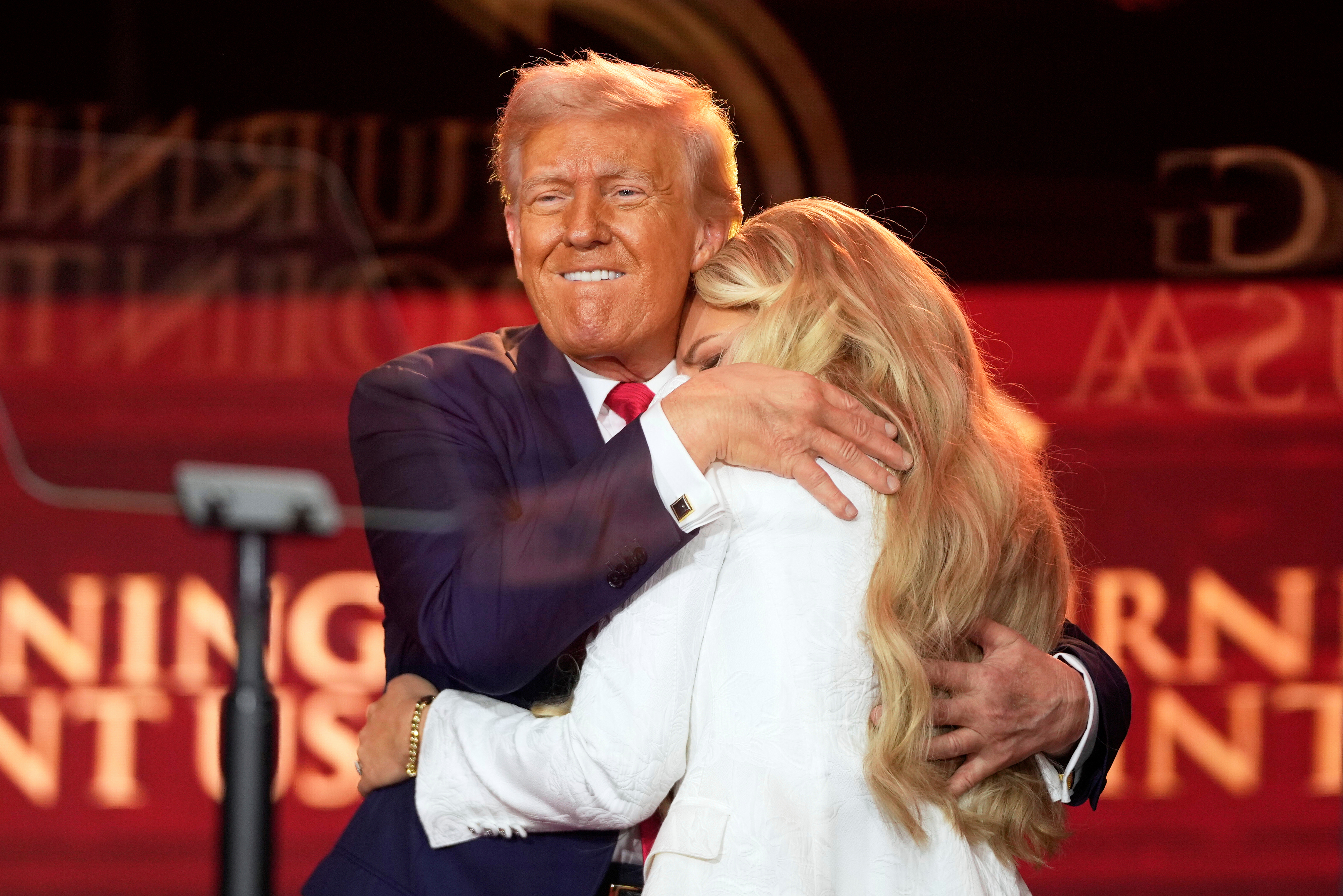
- CHARLIE KIRK ASSASSINATION: On September 10, a 22-year-old suspect shoots conservative activist Charlie Kirk during a public appearance at Utah Valley University, prompting bipartisan condemnation. Trump blames "radical left maniacs".
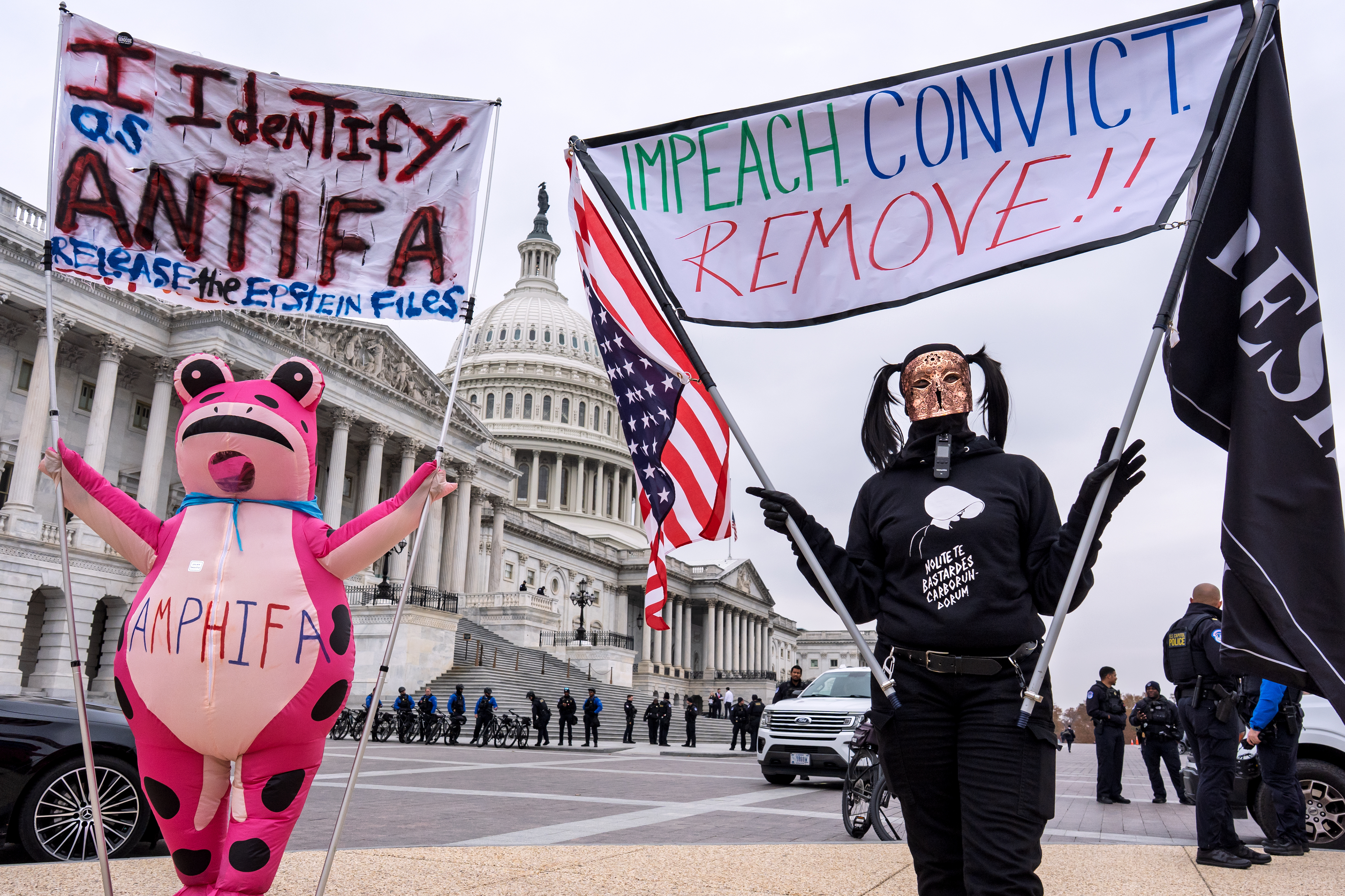
- TERRORIST DESIGNATION: Following Kirk's killing, the Trump administration designates antifa — the loose-knit antifascist movement — as a "domestic terrorist organisation", despite critics pointing out that it is more of an ideology than an organised group.
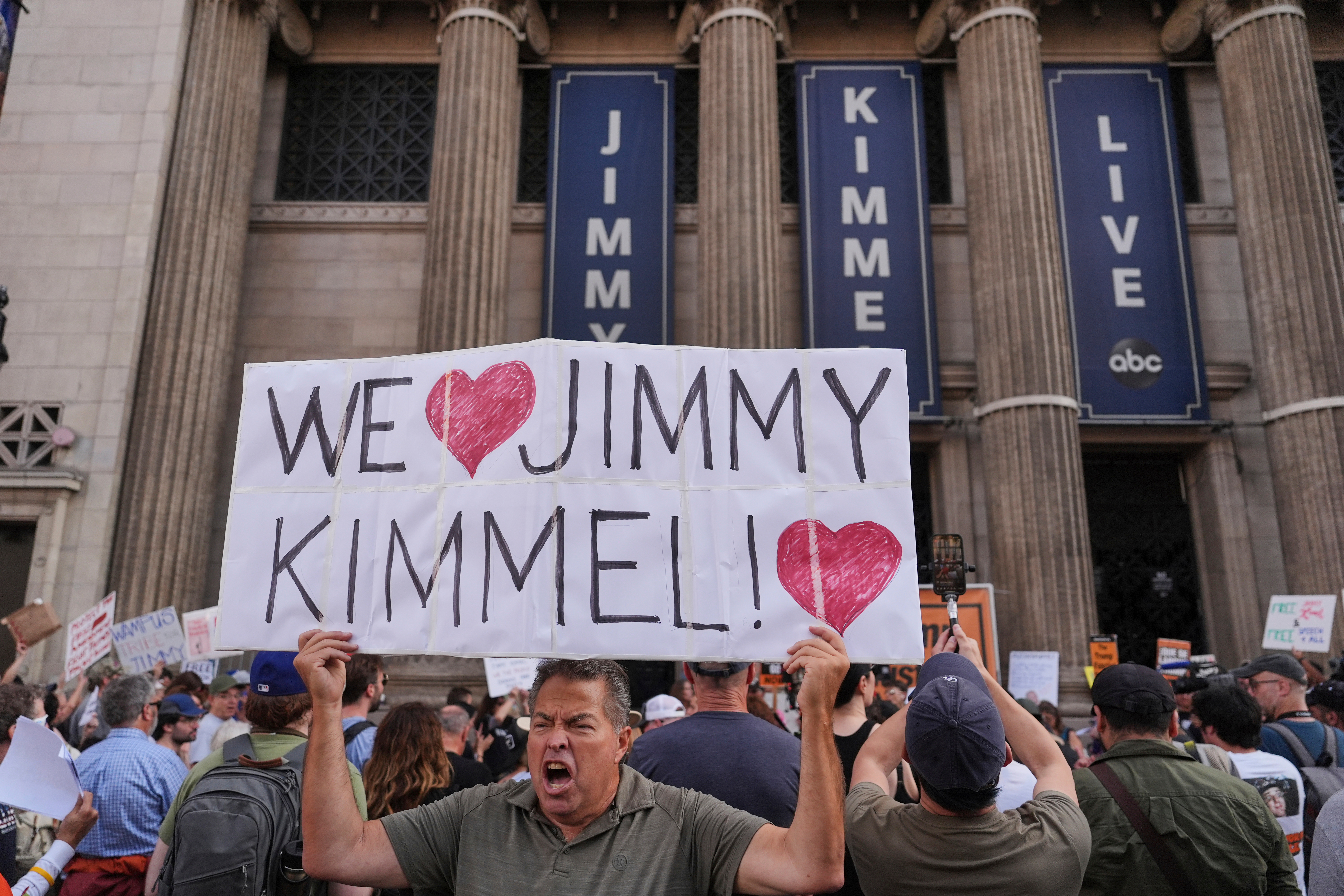
- LATE NIGHT CONTROVERSY: The television channel ABC briefly suspends production of the late-night comedy show Jimmy Kimmel Live!, after the chair of the Federal Communications Commission appears to threaten the media company: "We can do this the easy way or the hard way."
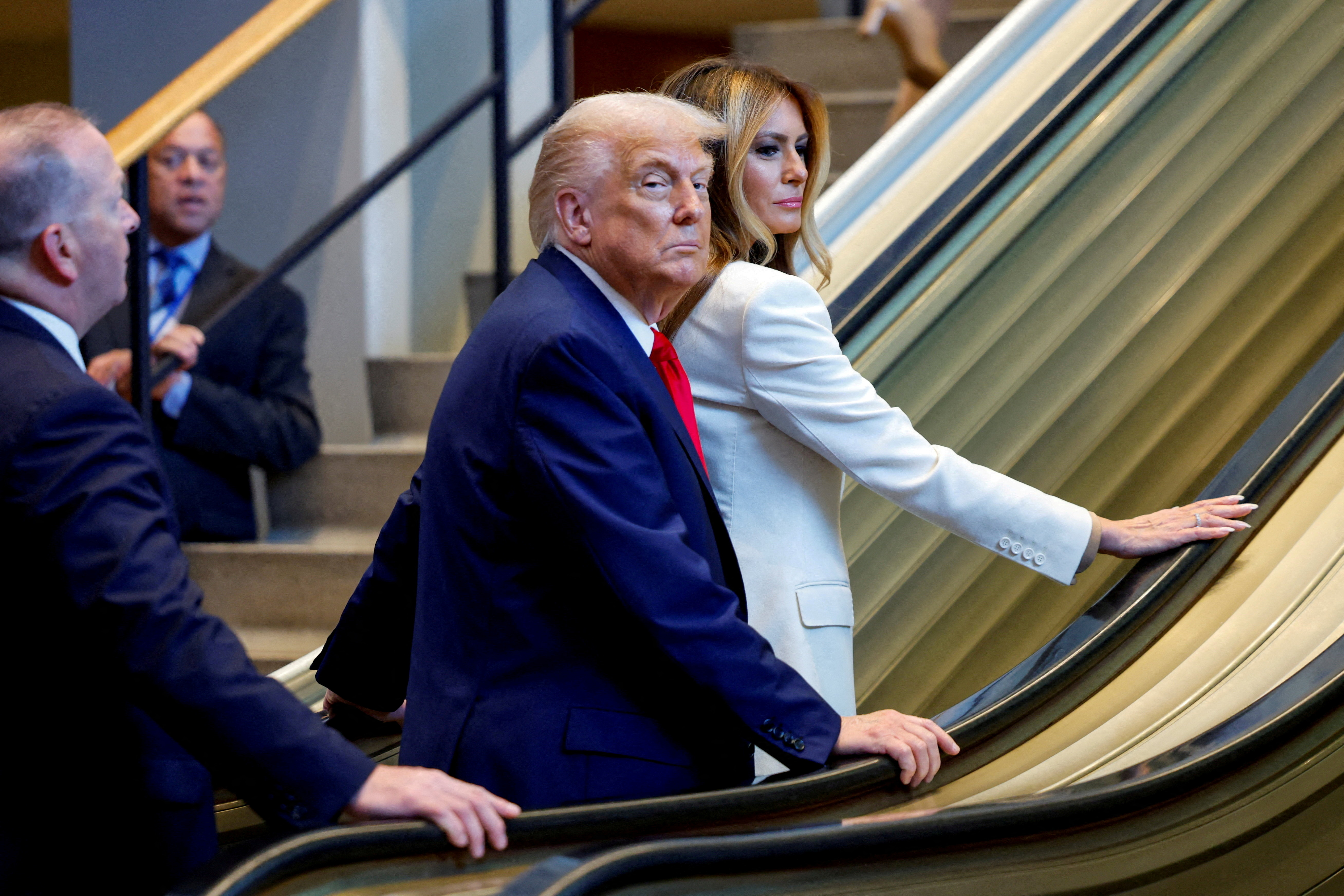
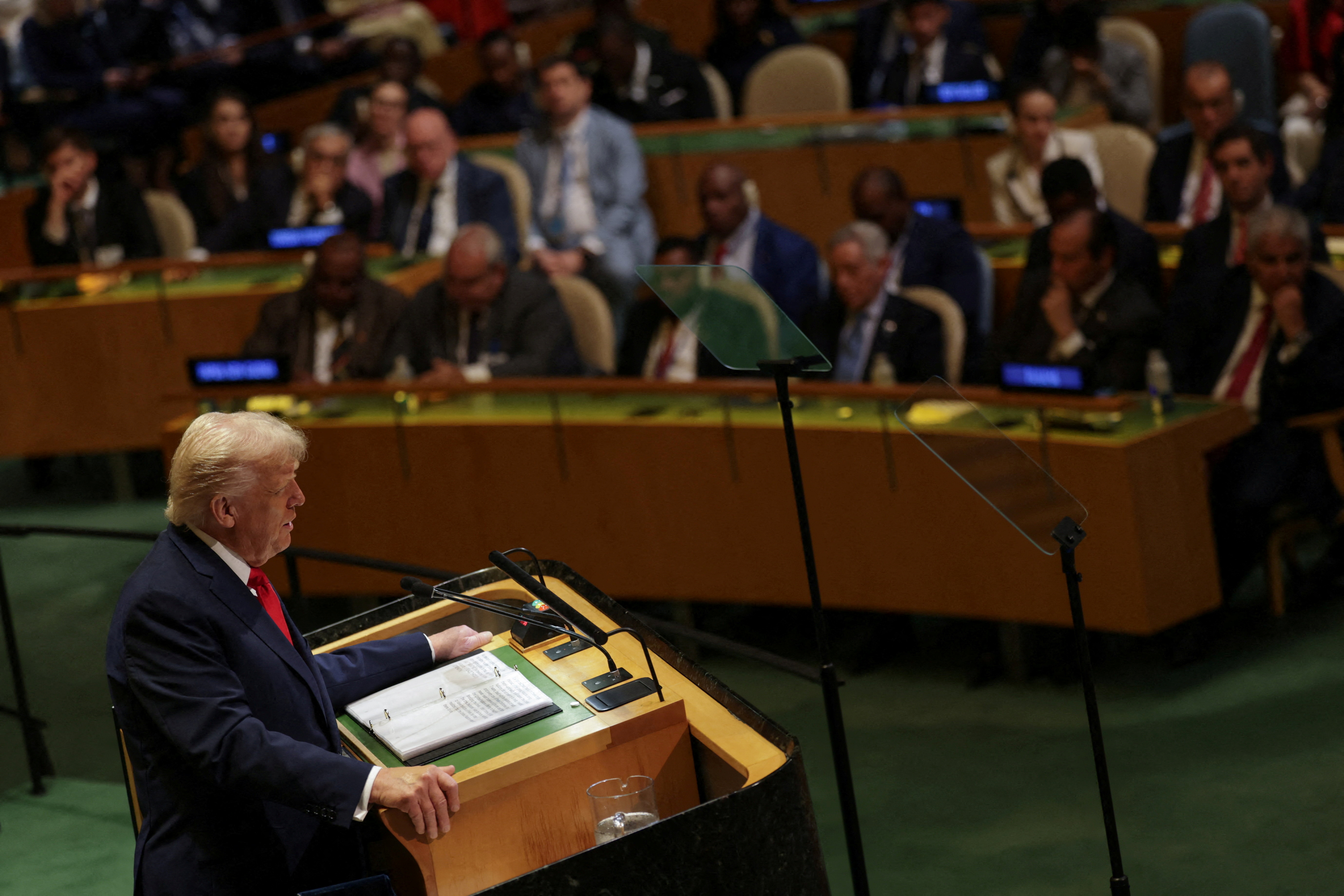
- UN ASSEMBLY: Trump uses his platform at the United Nations General Assembly to tell Western European leaders that their countries are being "ruined" by immigration: "Your countries are going to hell."
- GAZA PLAN: Trump unveils a 20-point plan to bring a ceasefire to war-torn Gaza, one that calls to redevelop the Palestinian territory, create a technocratic governing committee, and impose the oversight of a "Board of Peace", led by the US president himself.
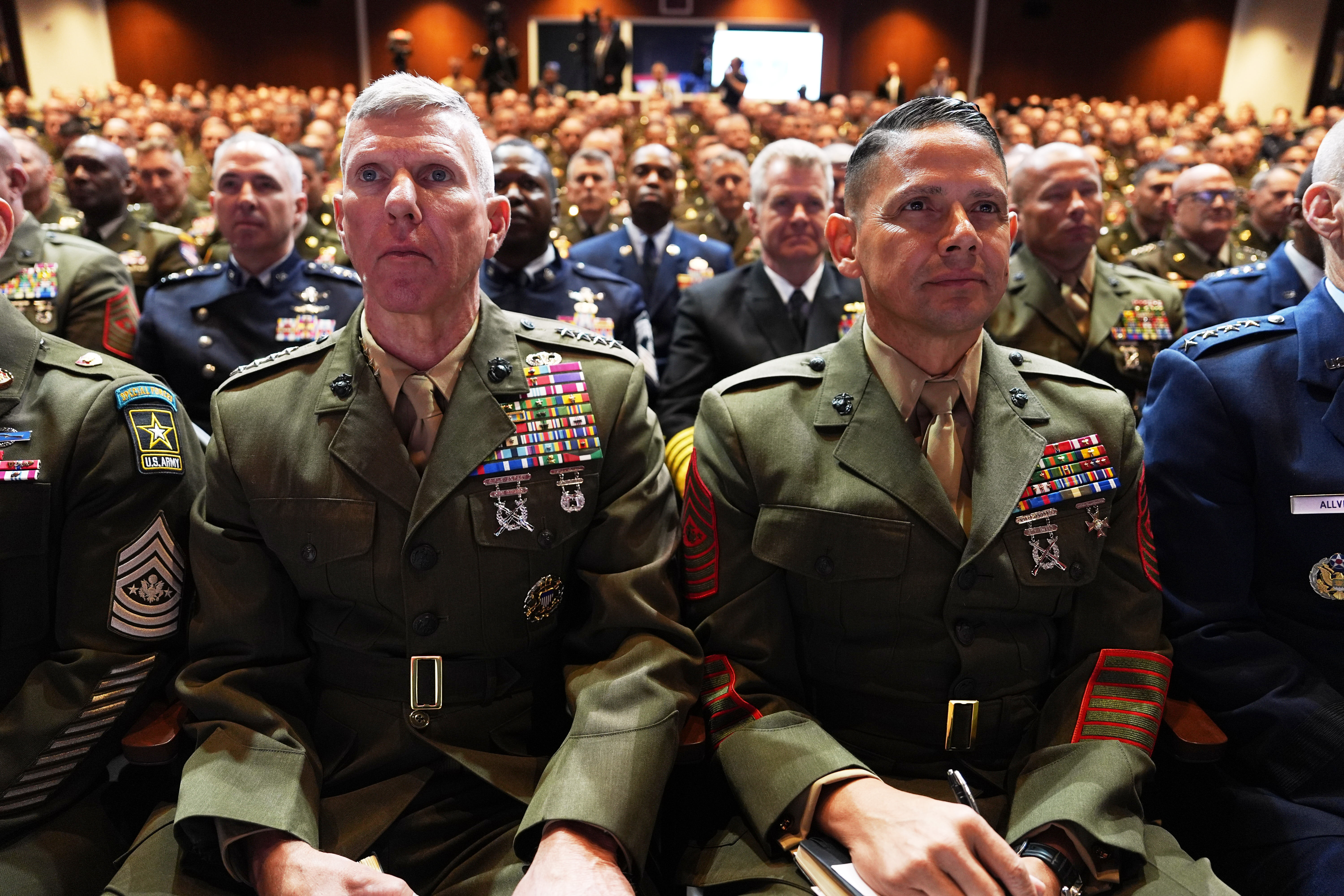
- MILITARY SPEECH: At an abruptly organised assembly of top military officials, Trump encourages the armed forces to use US cities "as training grounds" and warns the forces to be vigilant against "the enemy from within".
- NATIONAL GUARD: Trump attempts to mobilise National Guard troops to support immigration operations in Portland, Oregon, and Chicago, Illinois, but he is met with legal challenges in the Democrat-led states. In Tennessee, he receives a more favourable response from Republican Governor Bill Lee, who approves his plans for a federal deployment to Memphis.
- INDICTING A CRITIC: At Trump's encouragement, the Justice Department announces criminal charges against a high-profile critic of his administration: former FBI Director James Comey. Critics denounce the September 25 indictment as political persecution.
- GOVERNMENT SHUTDOWN: Congress is unable to meet a September 30 deadline to fund the federal government, with Democrats and Republicans divided over whether to address healthcare subsidies. Trump promises to use the resulting government shutdown to pursue mass layoffs.




October 2025 at a glance
In October, Trump starts to take an aggressive interest in Latin American elections, telling reporters that the US "would not be generous with Argentina" if its right-wing coalition lost in the upcoming midterm races.
His pressure campaign appears to be rewarded when La Libertad Avanza, the right-wing party, gives a dominant performance at the polls on October 26. Here are some of the month's top headlines:
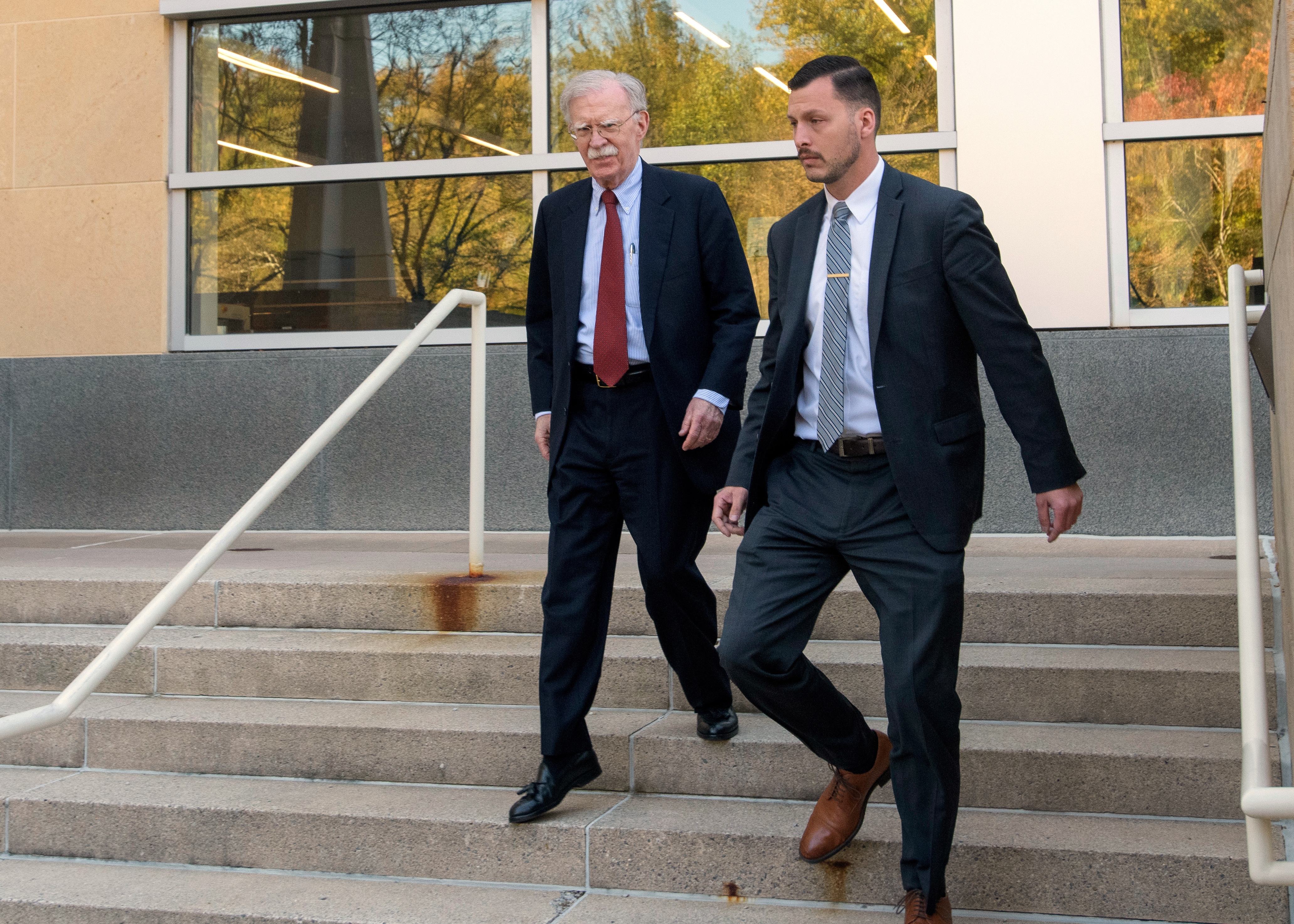
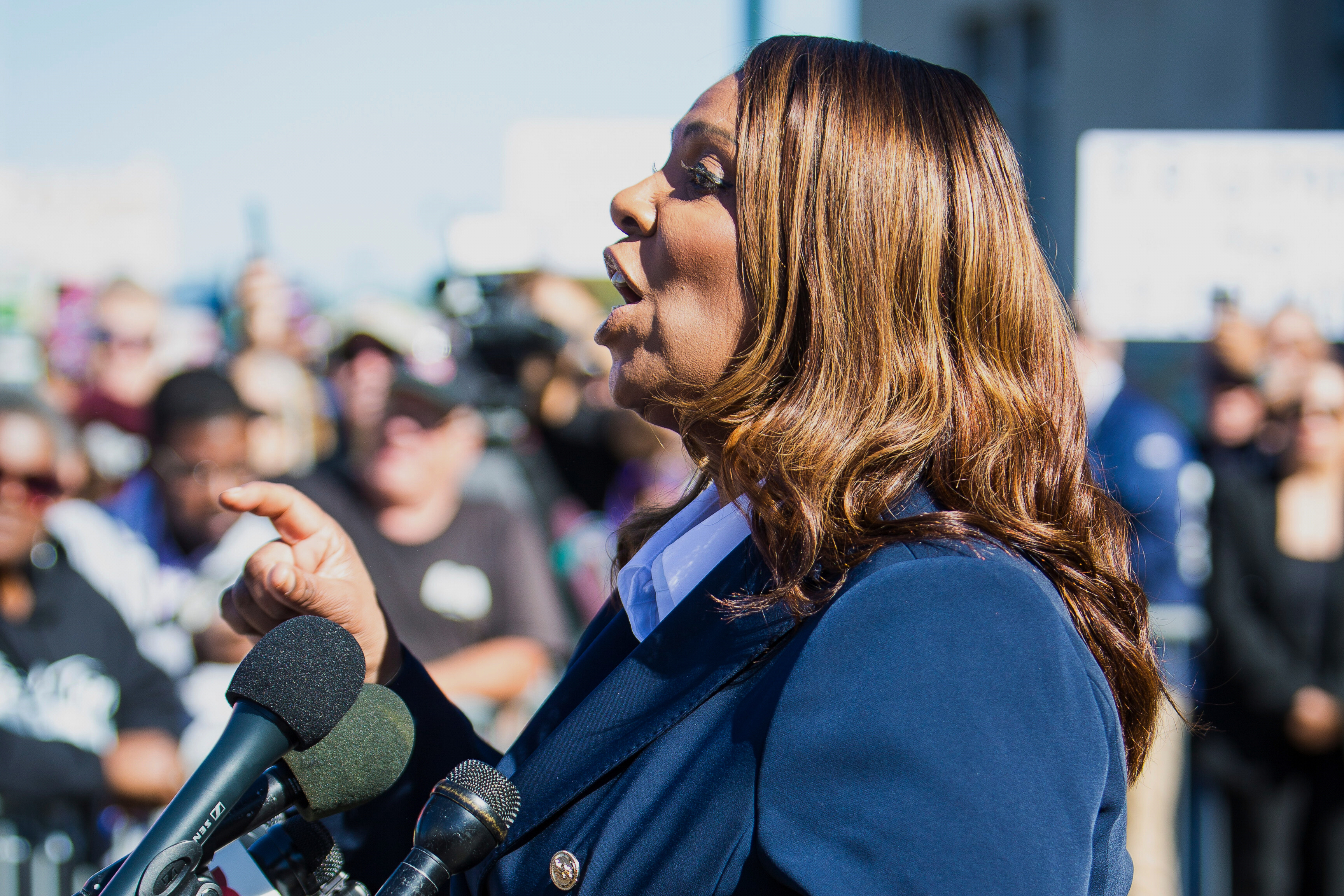
- CONTROVERSIAL PROSECUTIONS: The Justice Department announces indictments against two more Trump critics: New York Attorney General Letitia James and former National Security Adviser John Bolton. Both deny the charges as politically motivated.
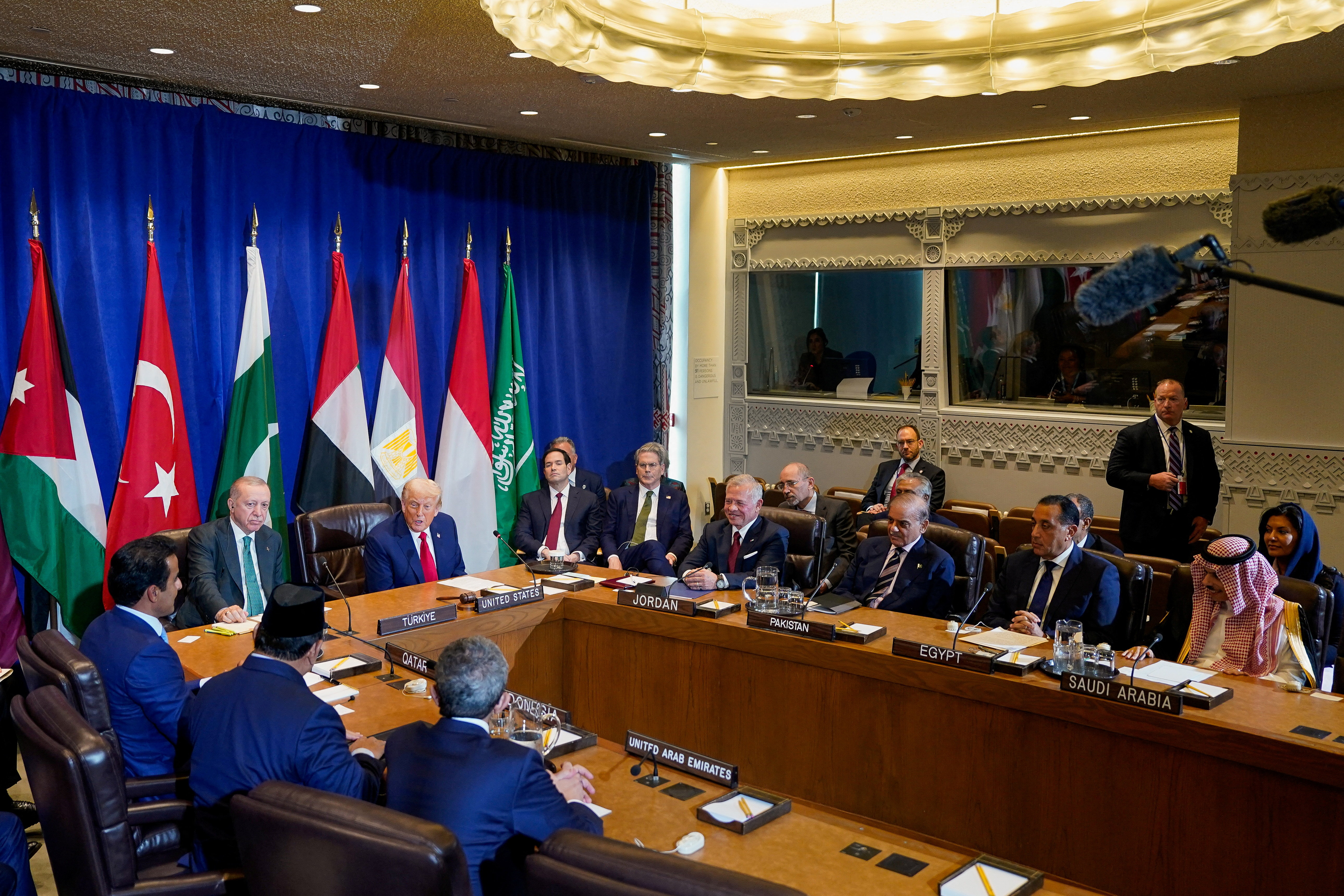
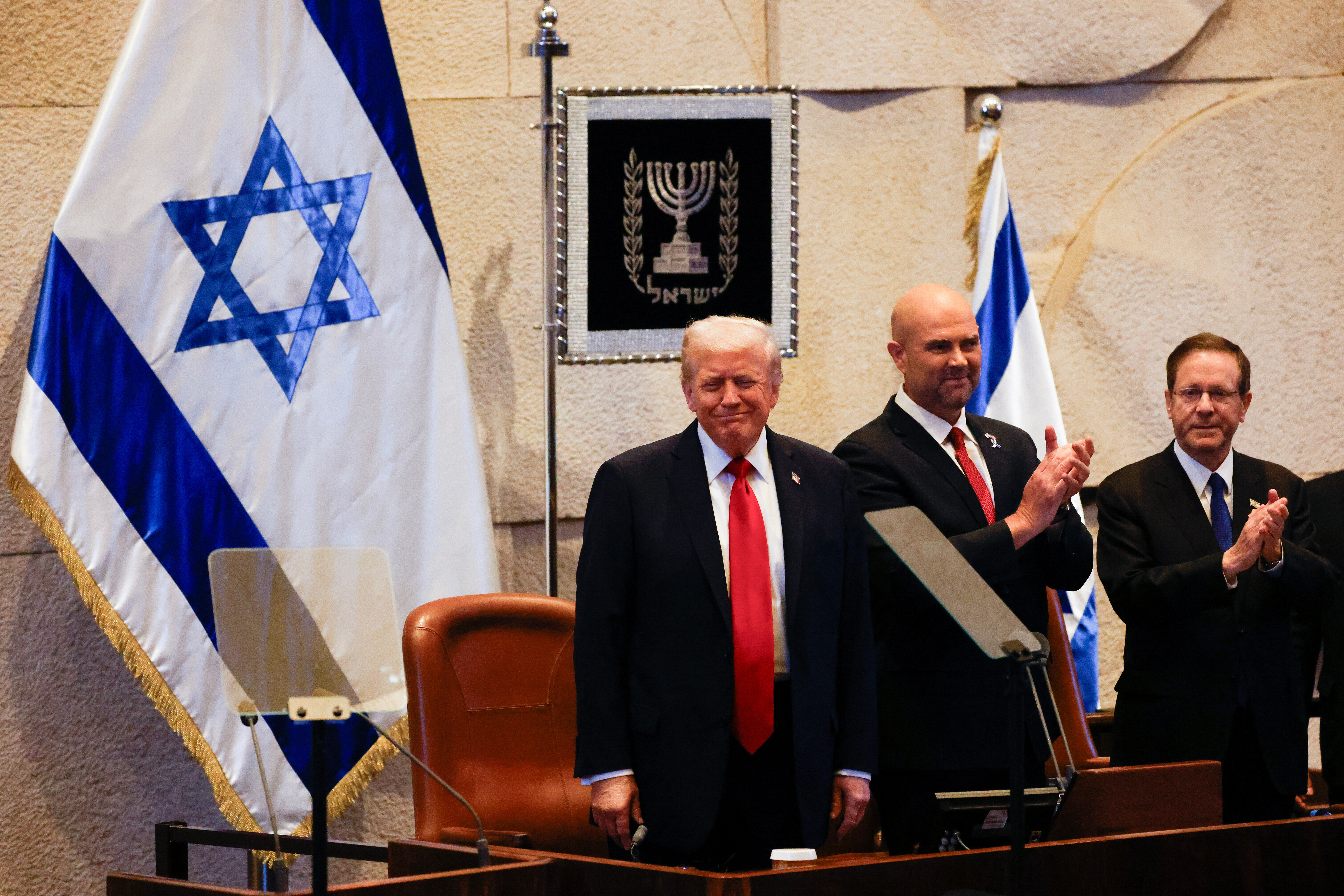
- GAZA CEASEFIRE: Israel and Hamas agree to a ceasefire deal, negotiated by Trump and Arab leaders. Trump travels to Israel to give a speech at its legislature, the Knesset, where he asks for a pardon for Israeli Prime Minister Benjamin Netanyahu, who faces corruption charges.
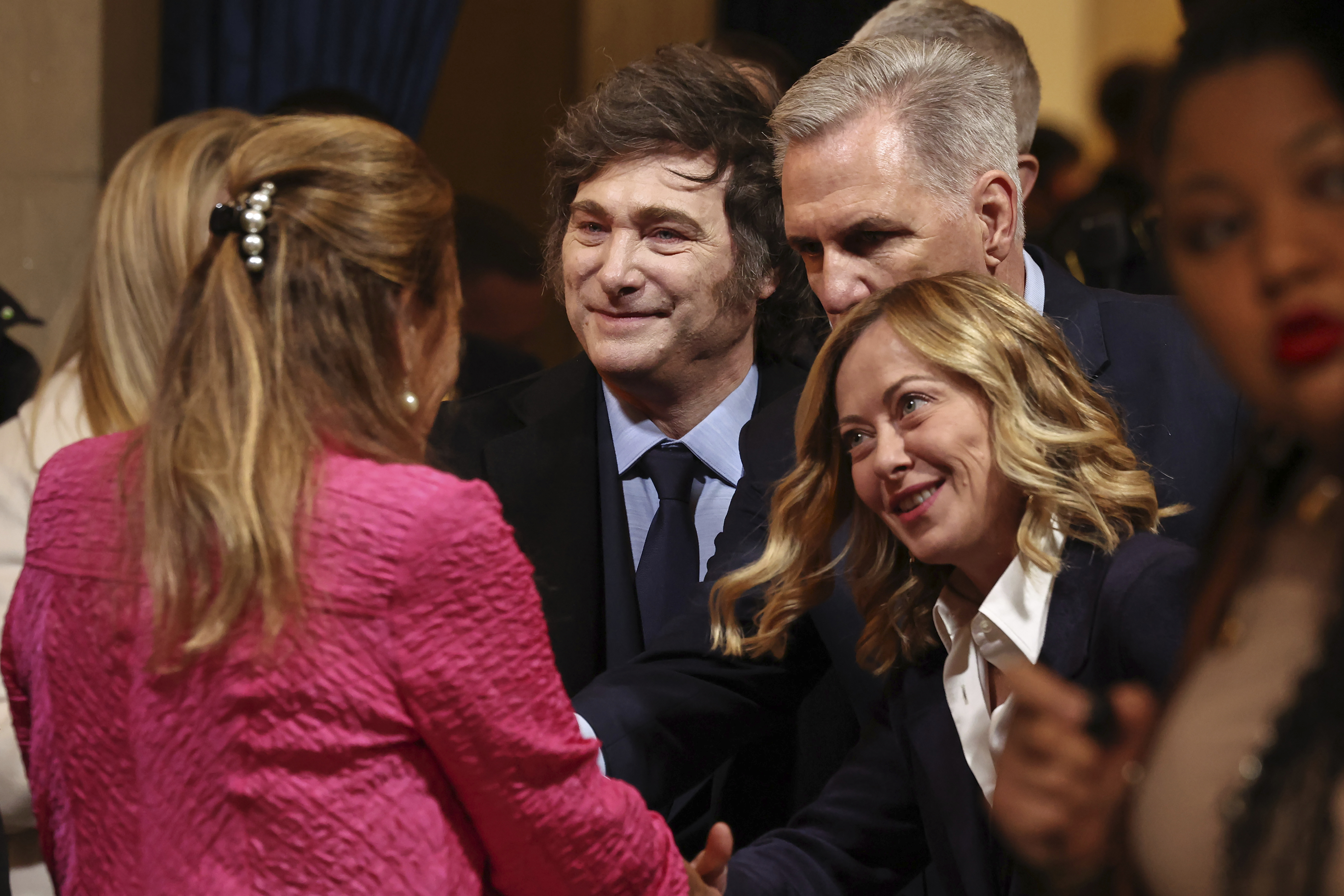
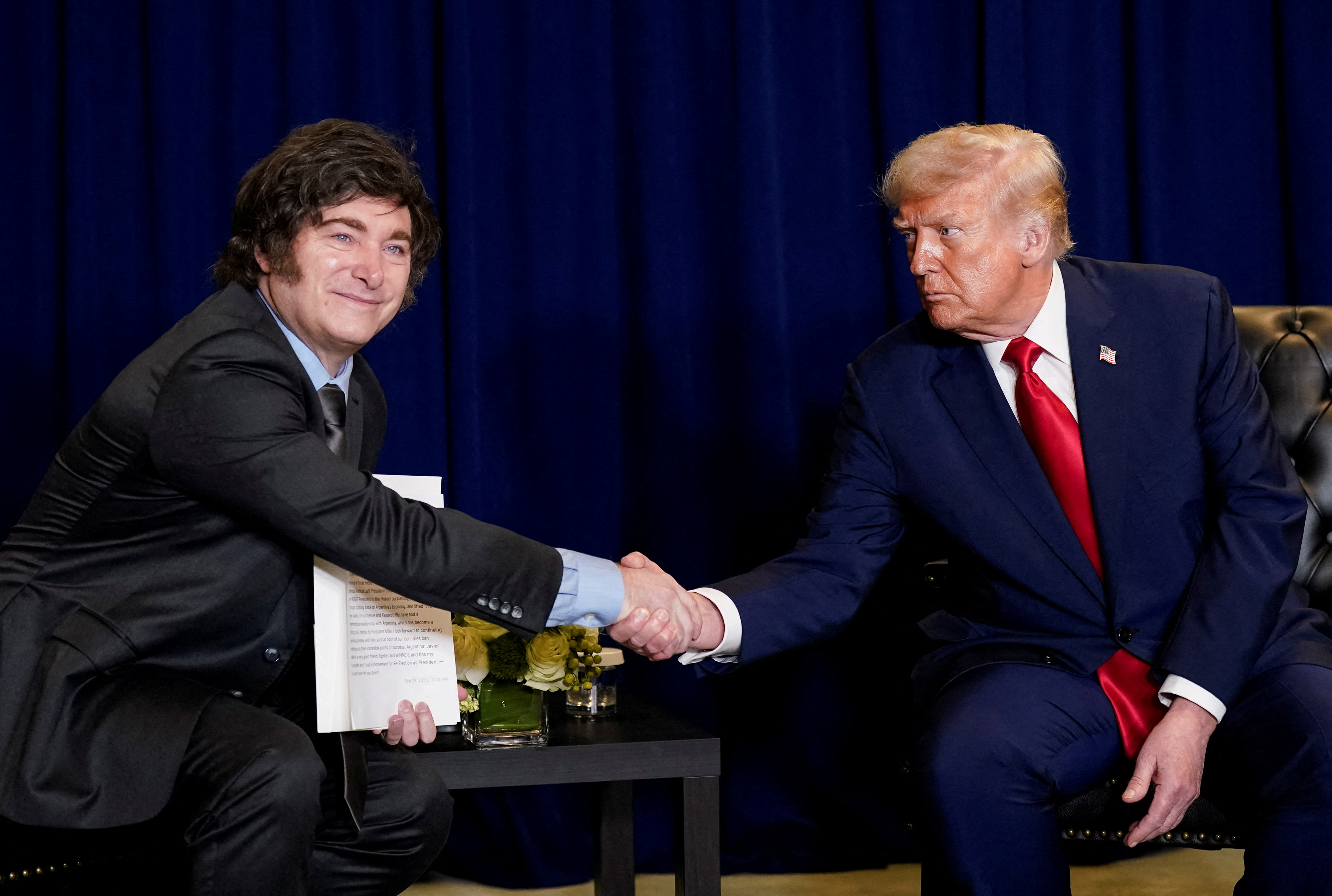
- ARGENTINA ELECTION: Before this month's midterm election in Argentina, Trump pledges $20bn in financial support for the South American country in an attempt to boost the political prospects of a fellow right-wing president, Javier Milei.
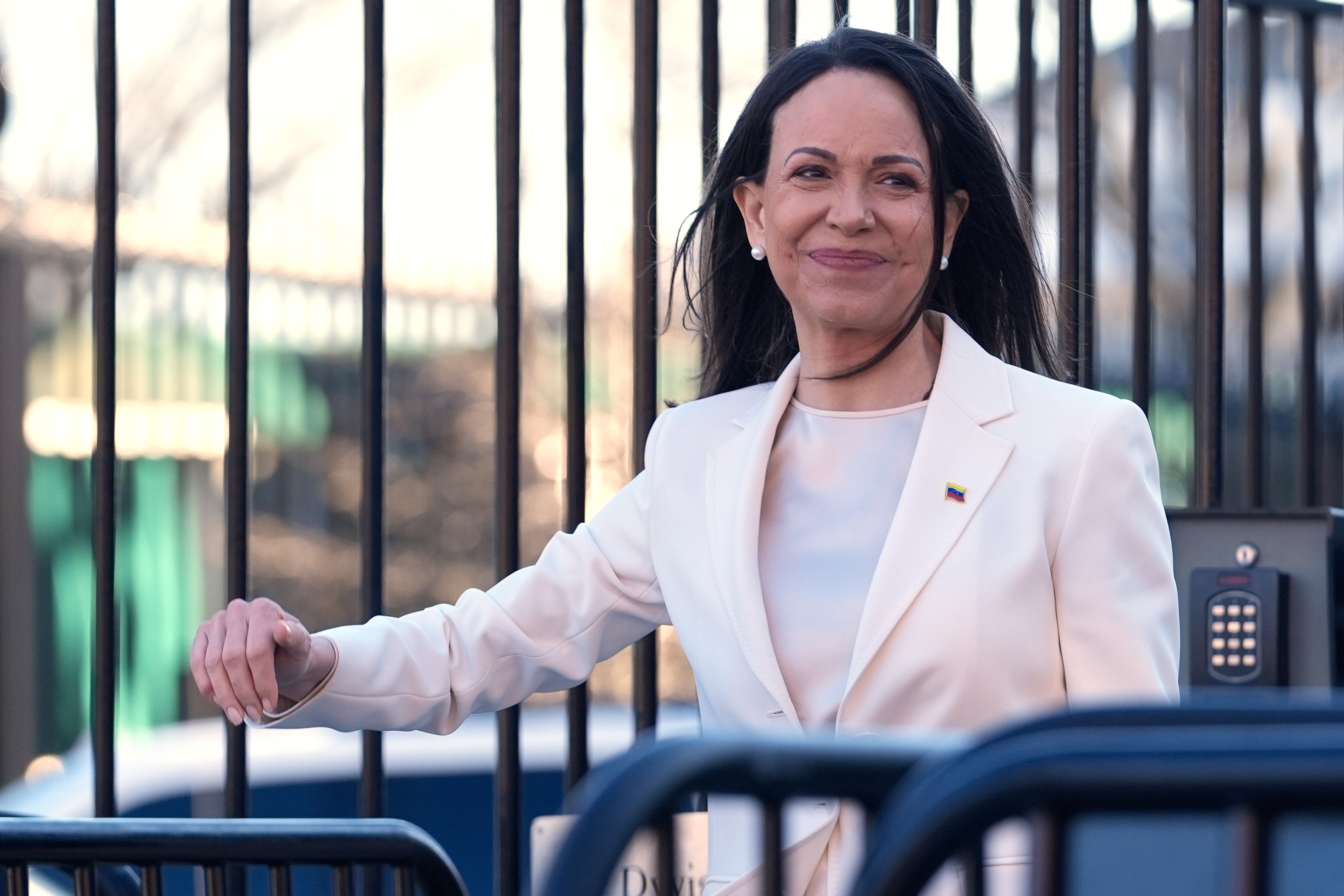
- NOBEL PRIZE: Despite months of petitioning, Trump is snubbed by the Nobel Committee for its annual Nobel Peace Prize, which instead goes to Venezuelan opposition leader Maria Corina Machado.
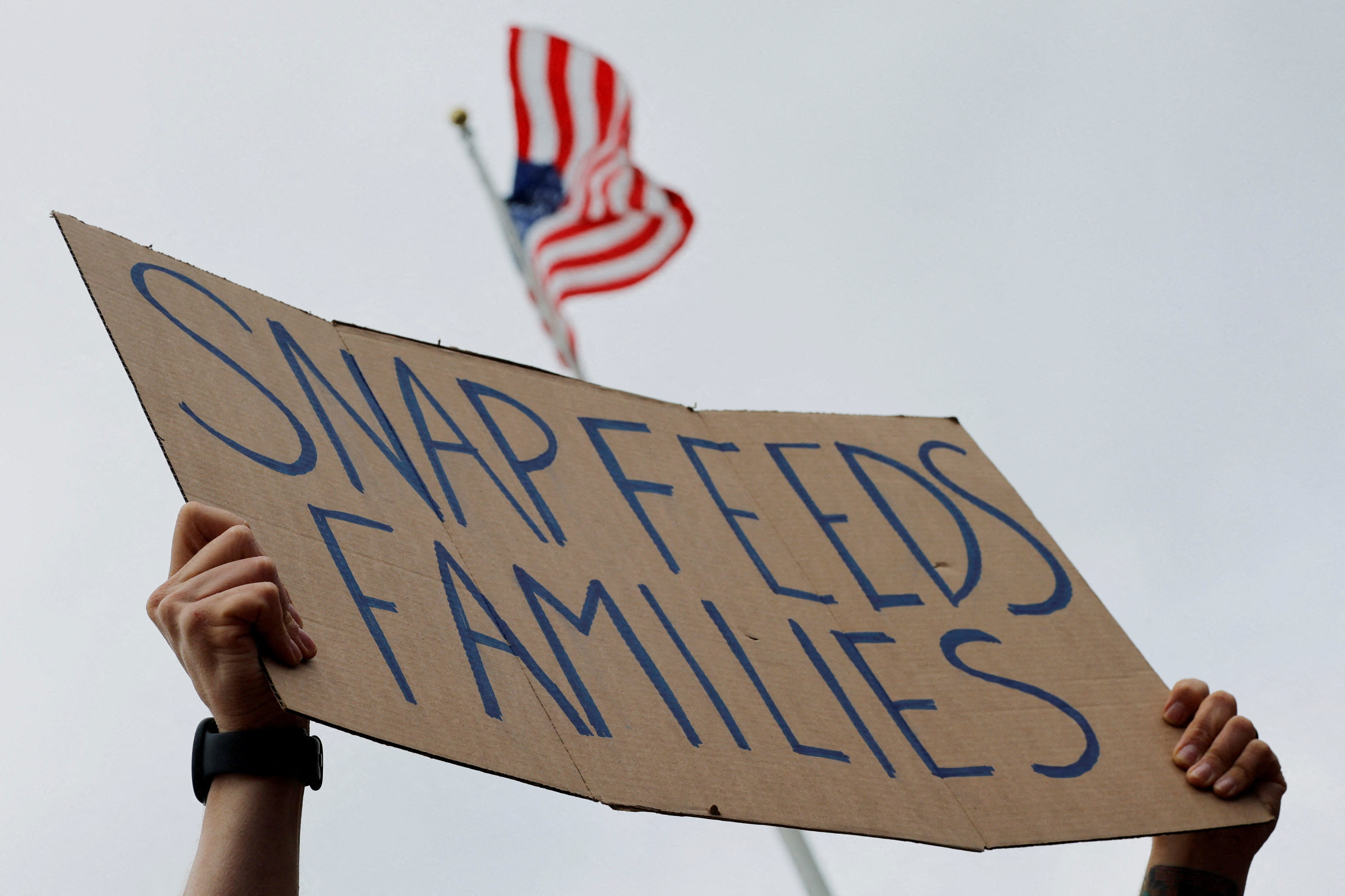
- GOVERNMENT SHUTDOWN: The Trump administration declares it will suspend federal food assistance funds, known as SNAP benefits, starting on November 1, if a historically long government shutdown is not brought to a close. States sue in response.
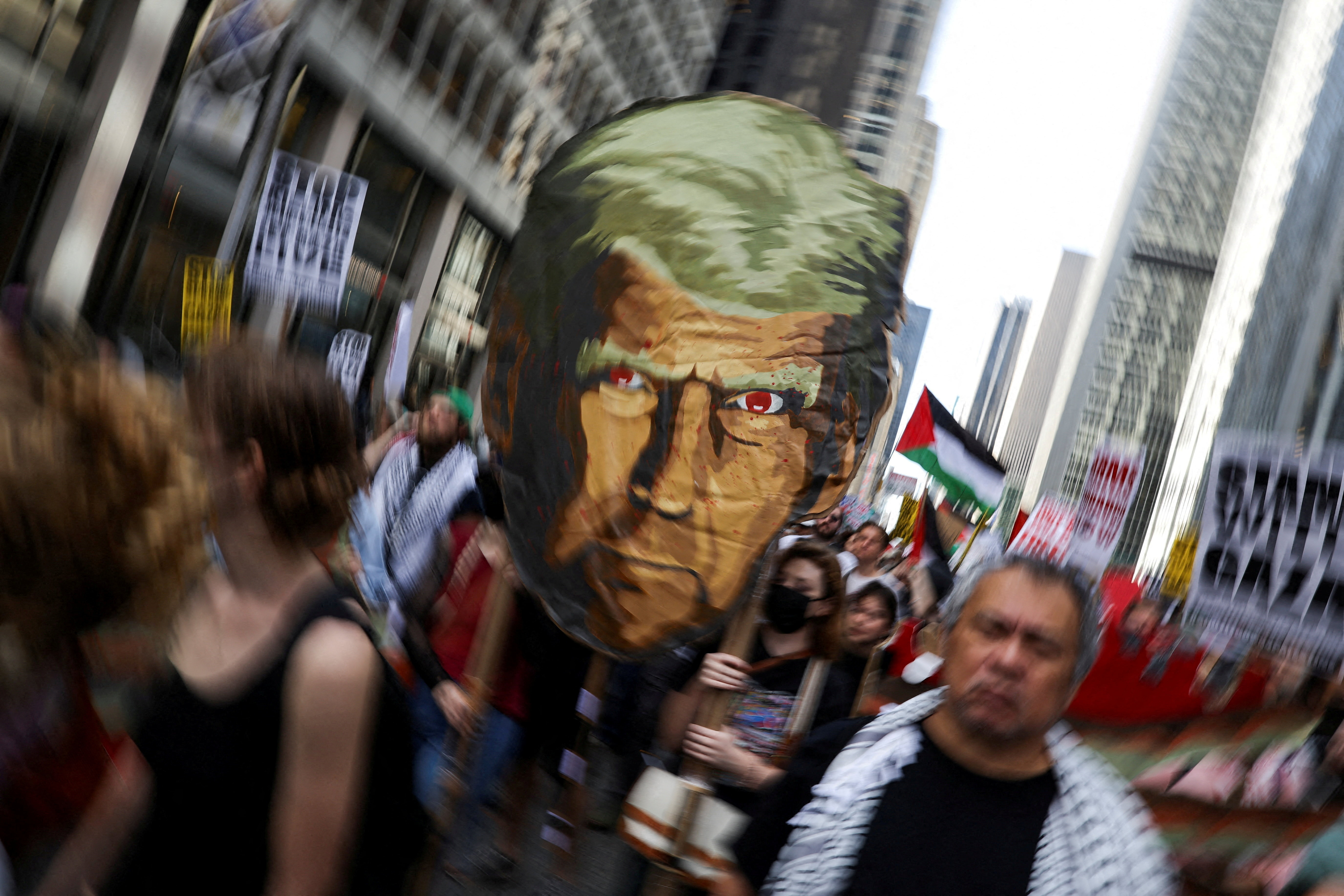
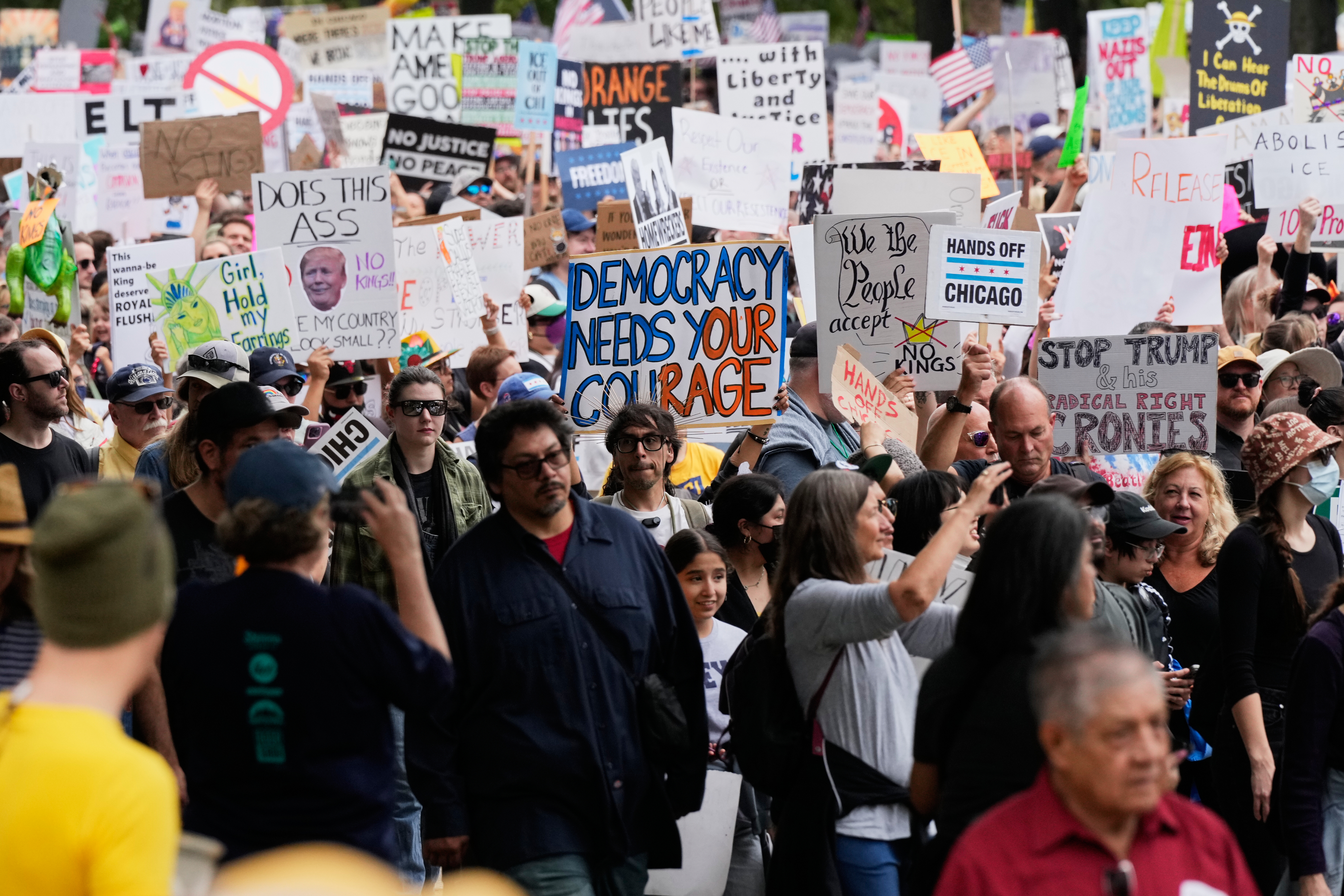
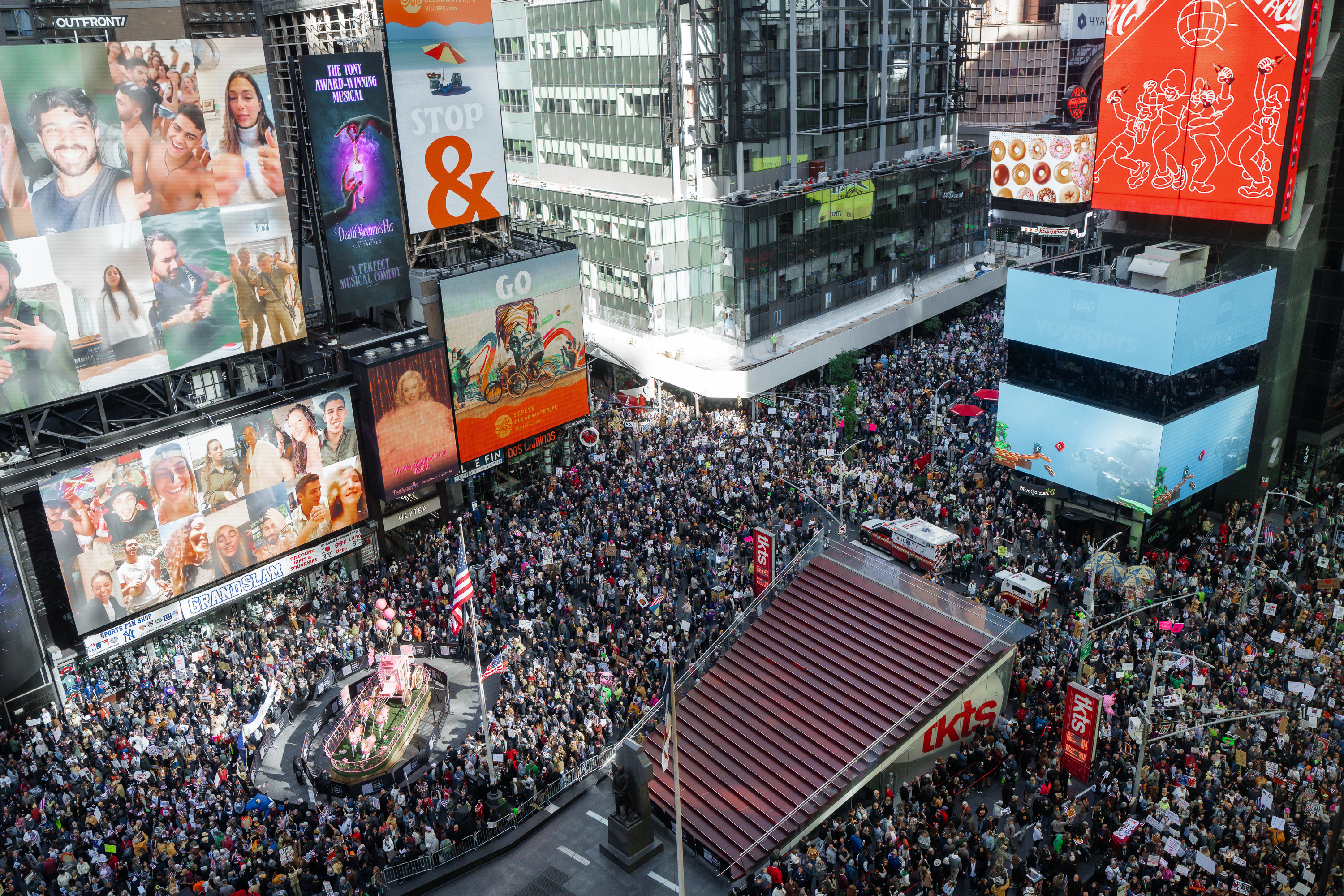
- HISTORIC PROTEST: The October edition of the "No Kings" rally attracts nearly 7 million attendees, making it one of the largest single-day demonstrations in US history. Trump responds to the protest by posting an AI-generated video of himself dumping faeces on protesters.
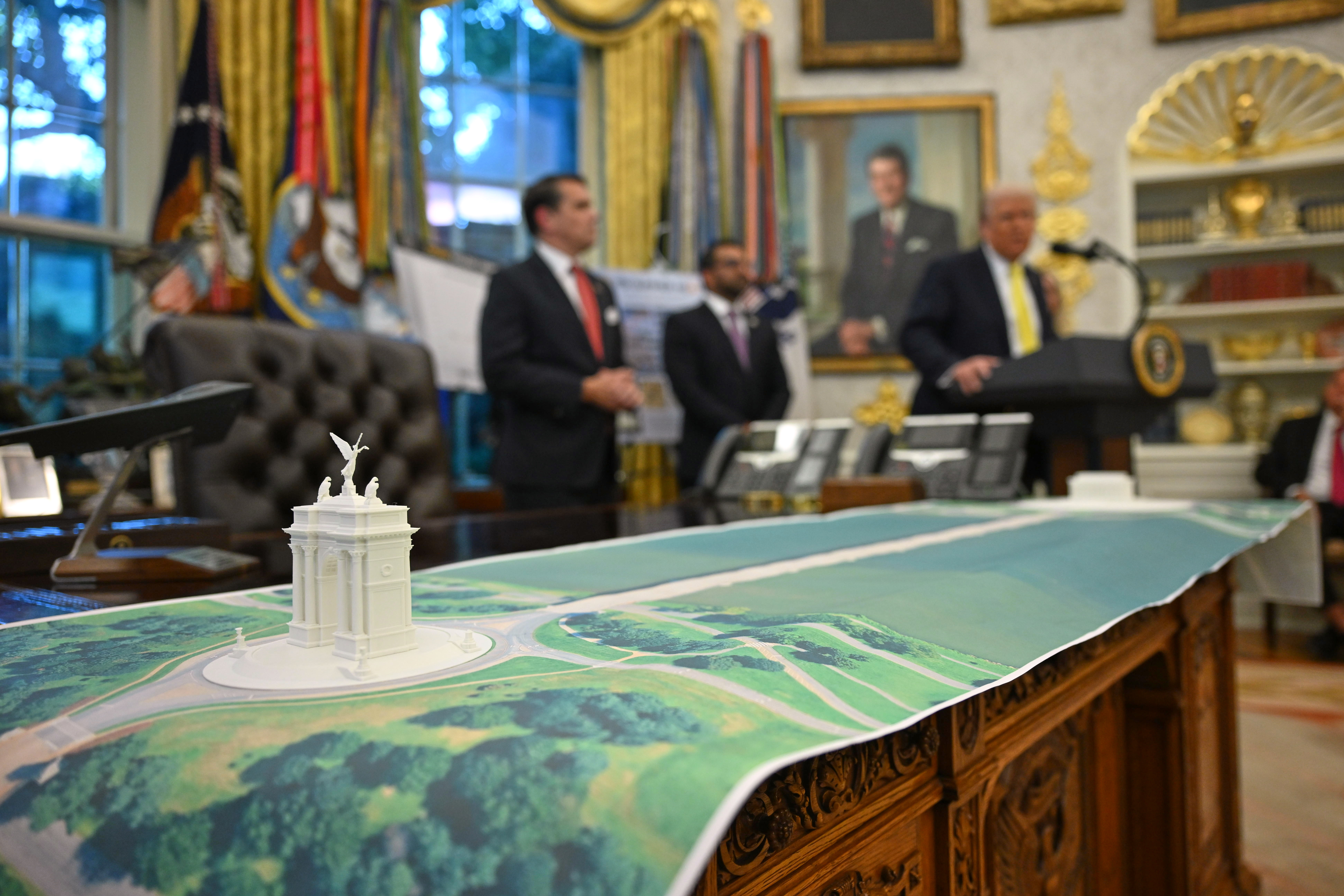
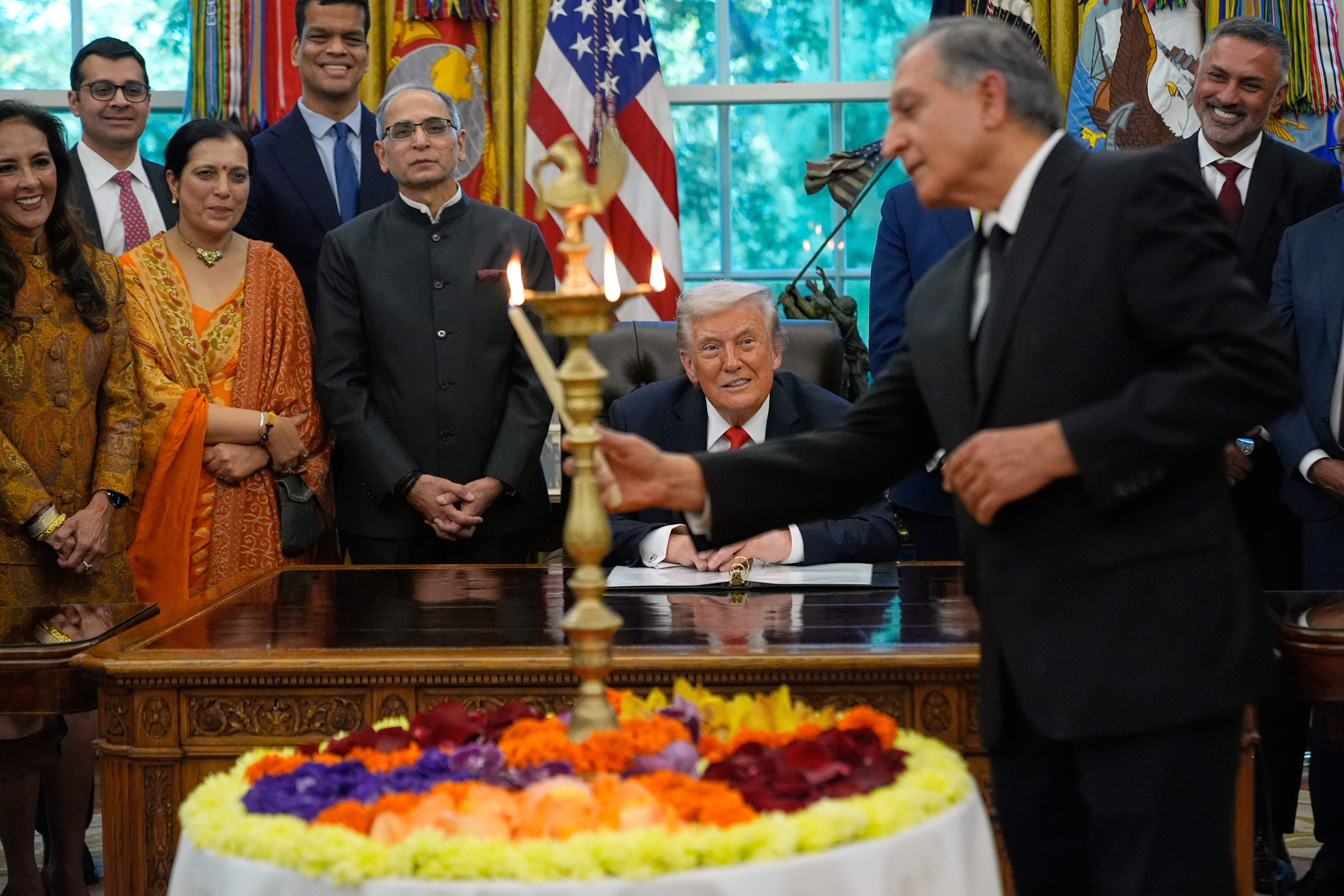
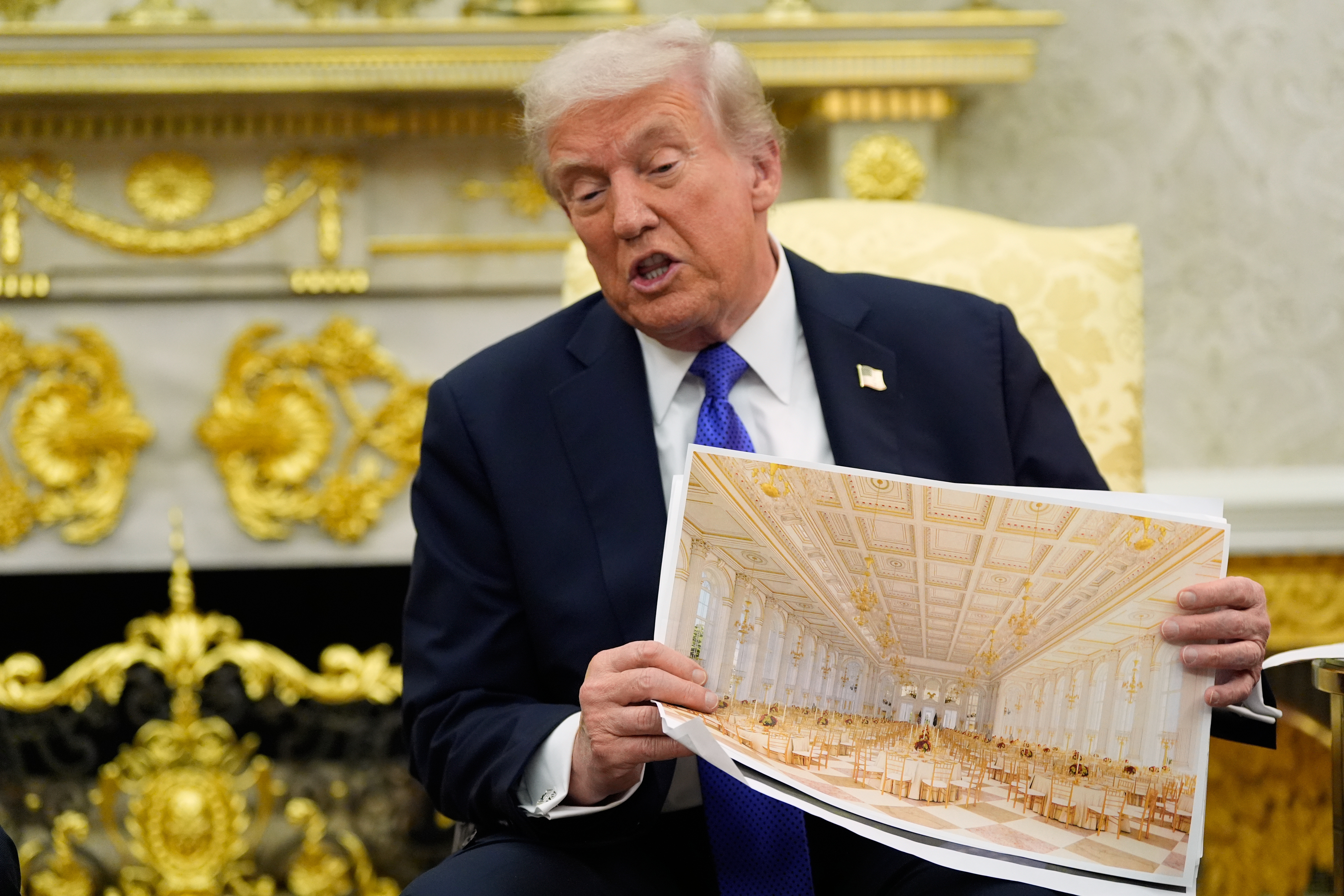
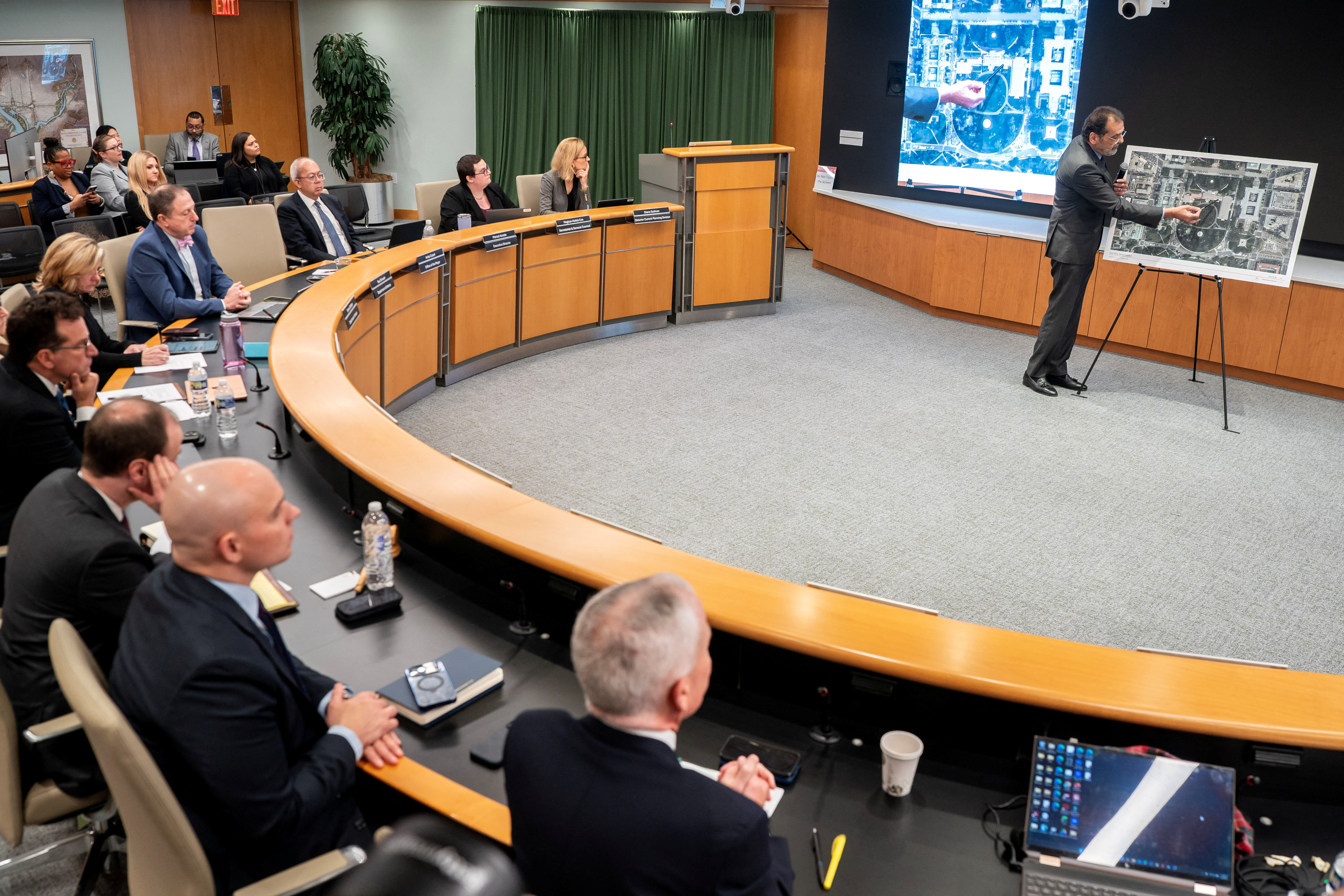
- DEMOLITION: The East Wing of the White House is demolished within a matter of days to make room for a 90,000-square-foot (8,361-square-meter) ballroom, prompting alarm among history buffs.
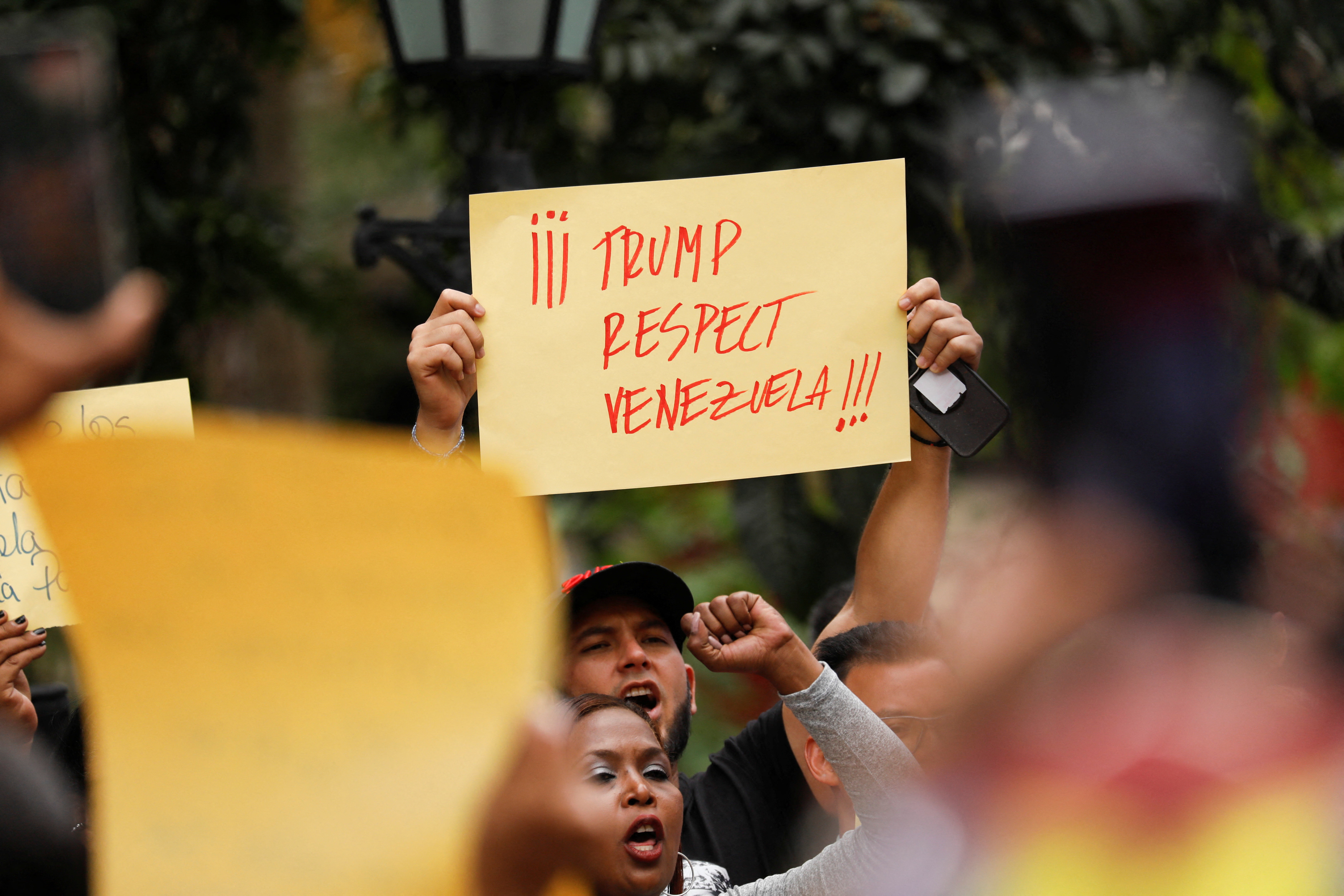
- VENEZUELA: In a sign of growing tensions, media reports emerge that Trump has ended outreach efforts to Venezuela under special envoy Richard Grenell. He later indicates he has refused concessions from Venezuelan President Nicolas Maduro, saying, "He has offered everything."
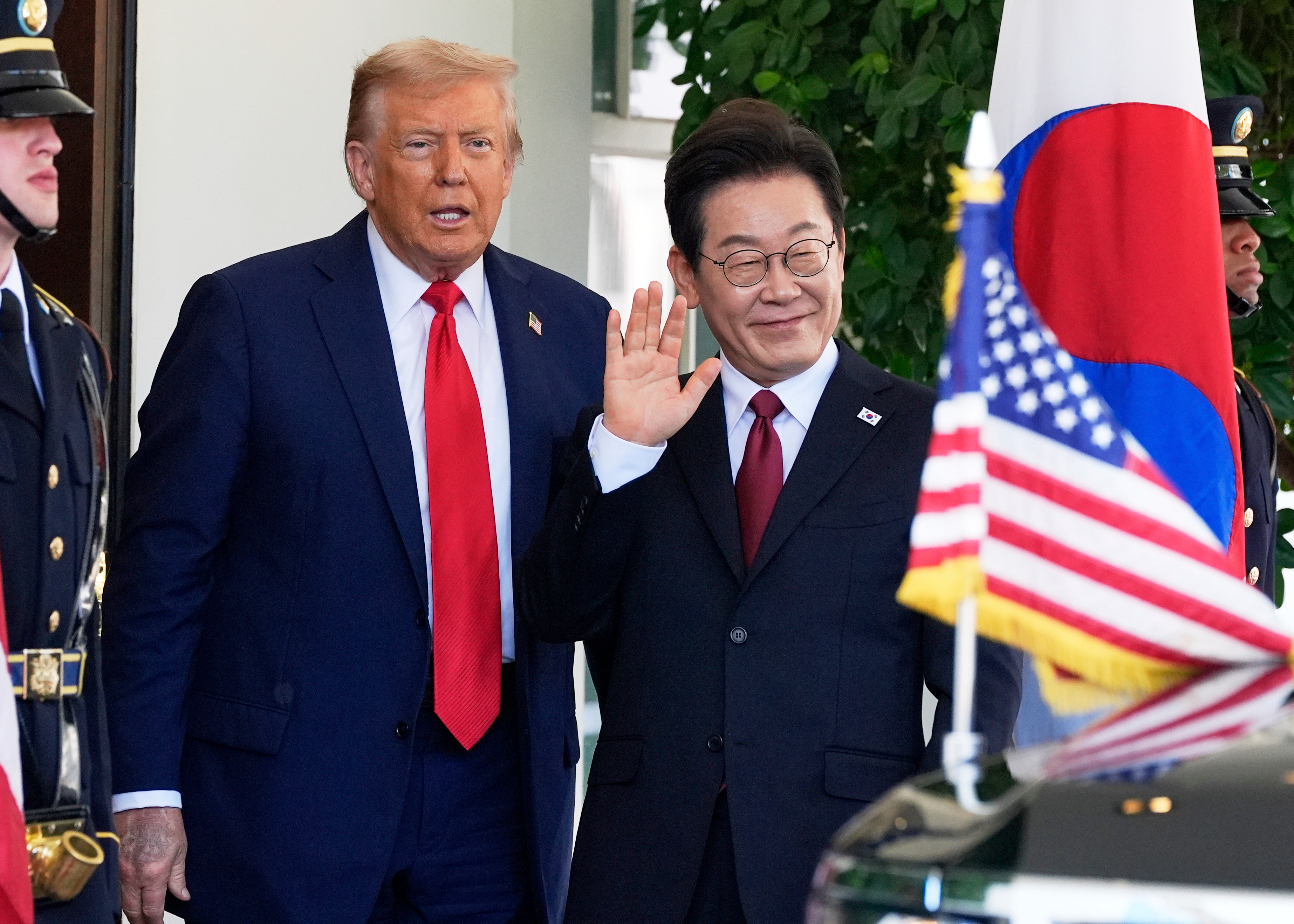
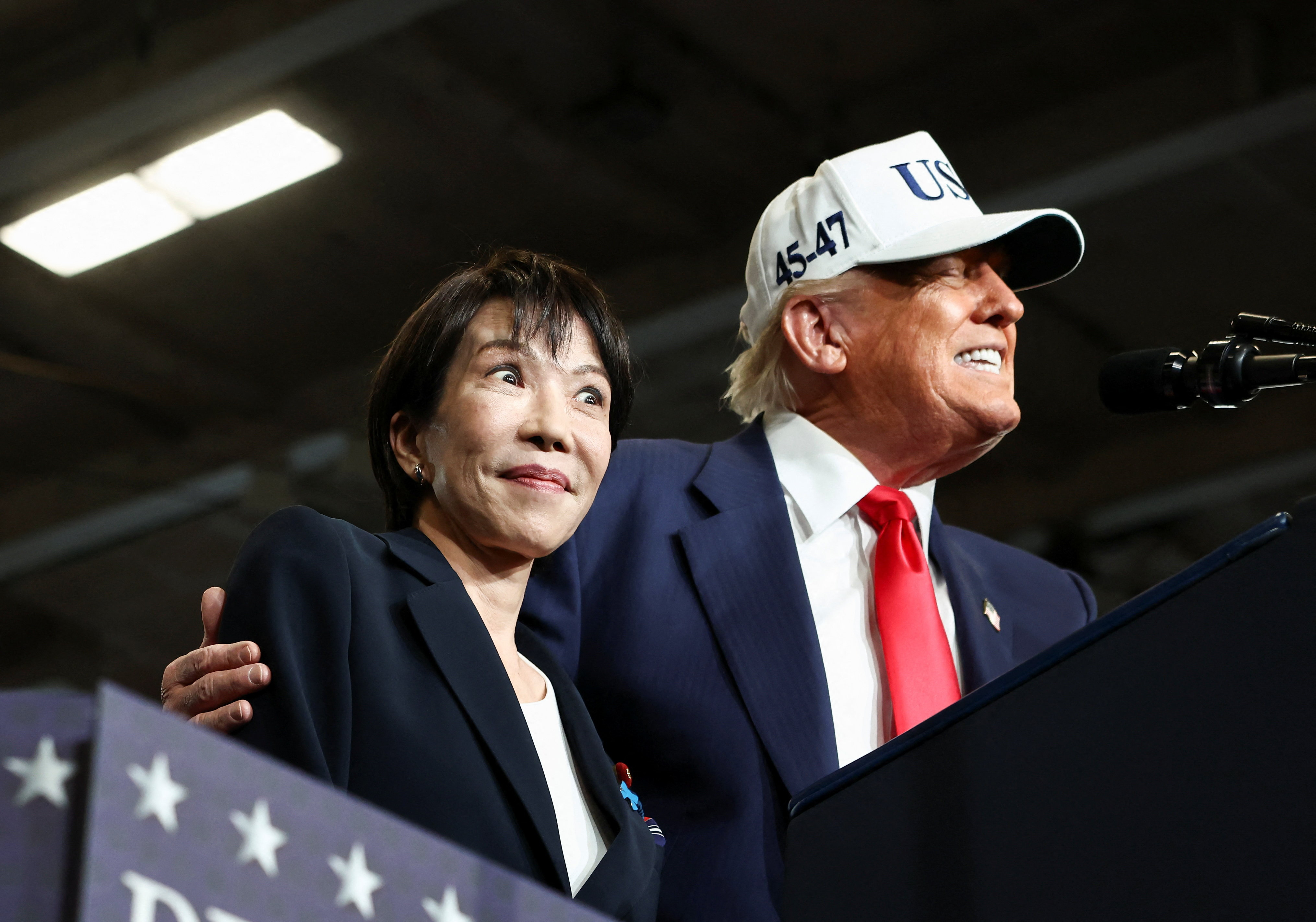
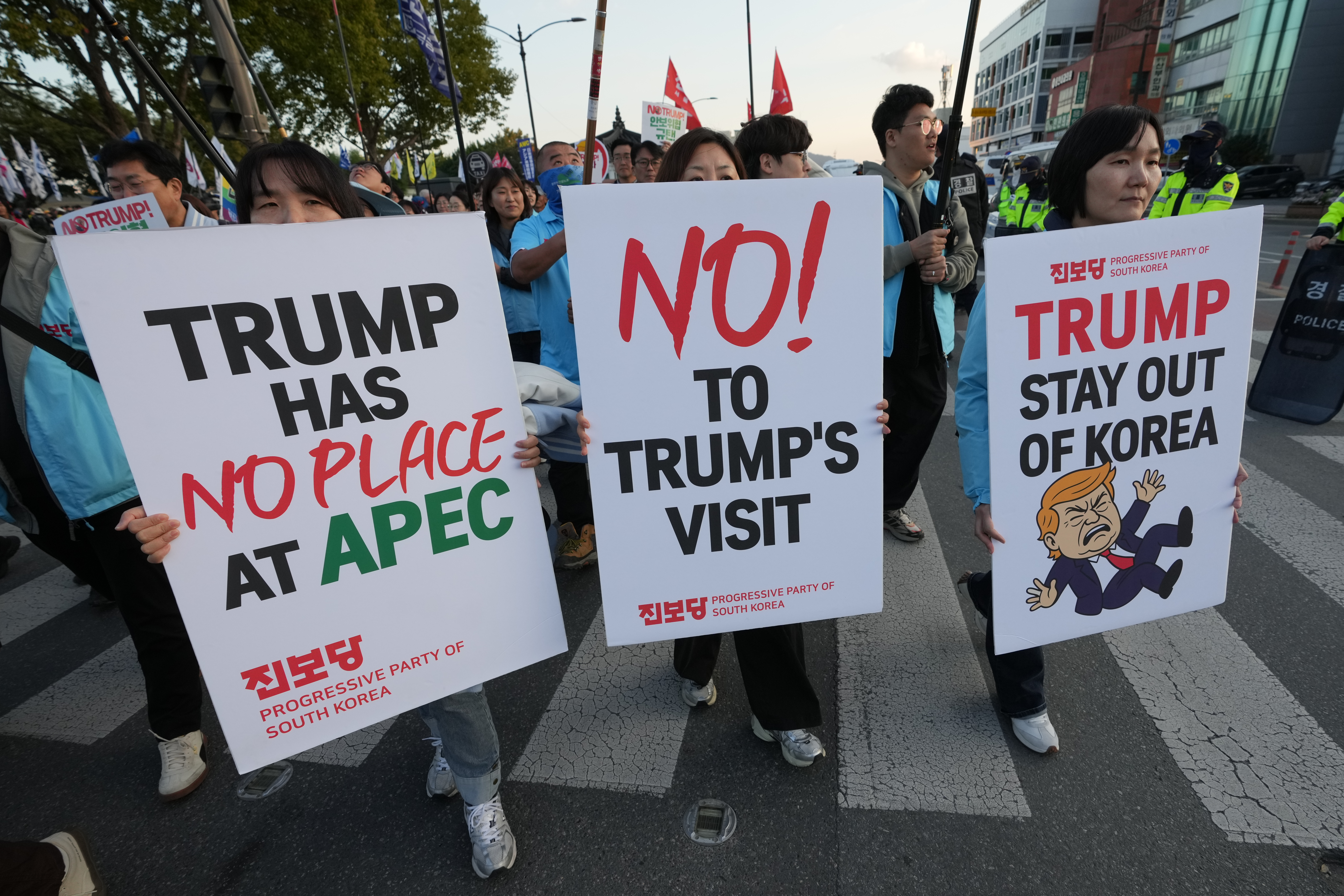
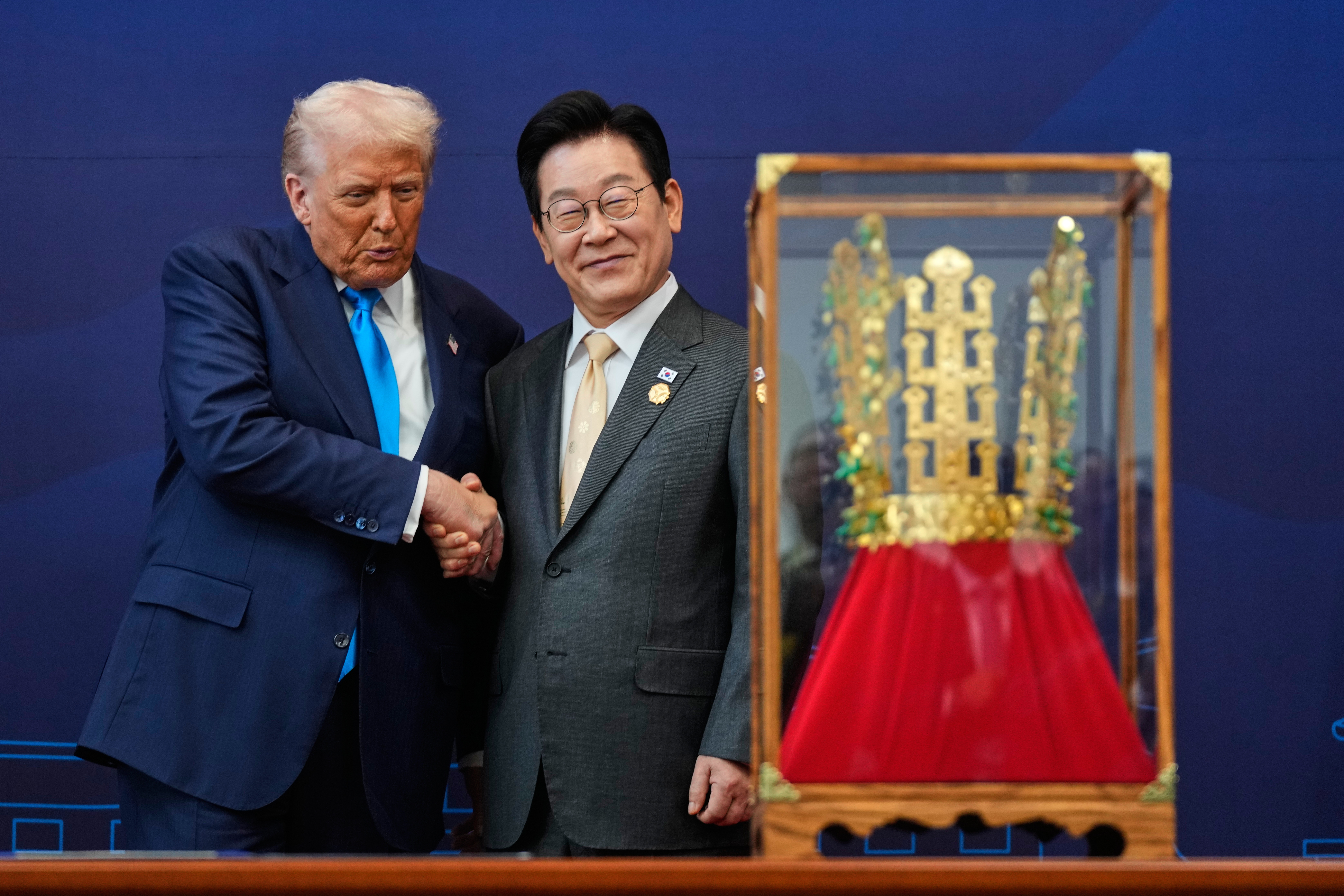
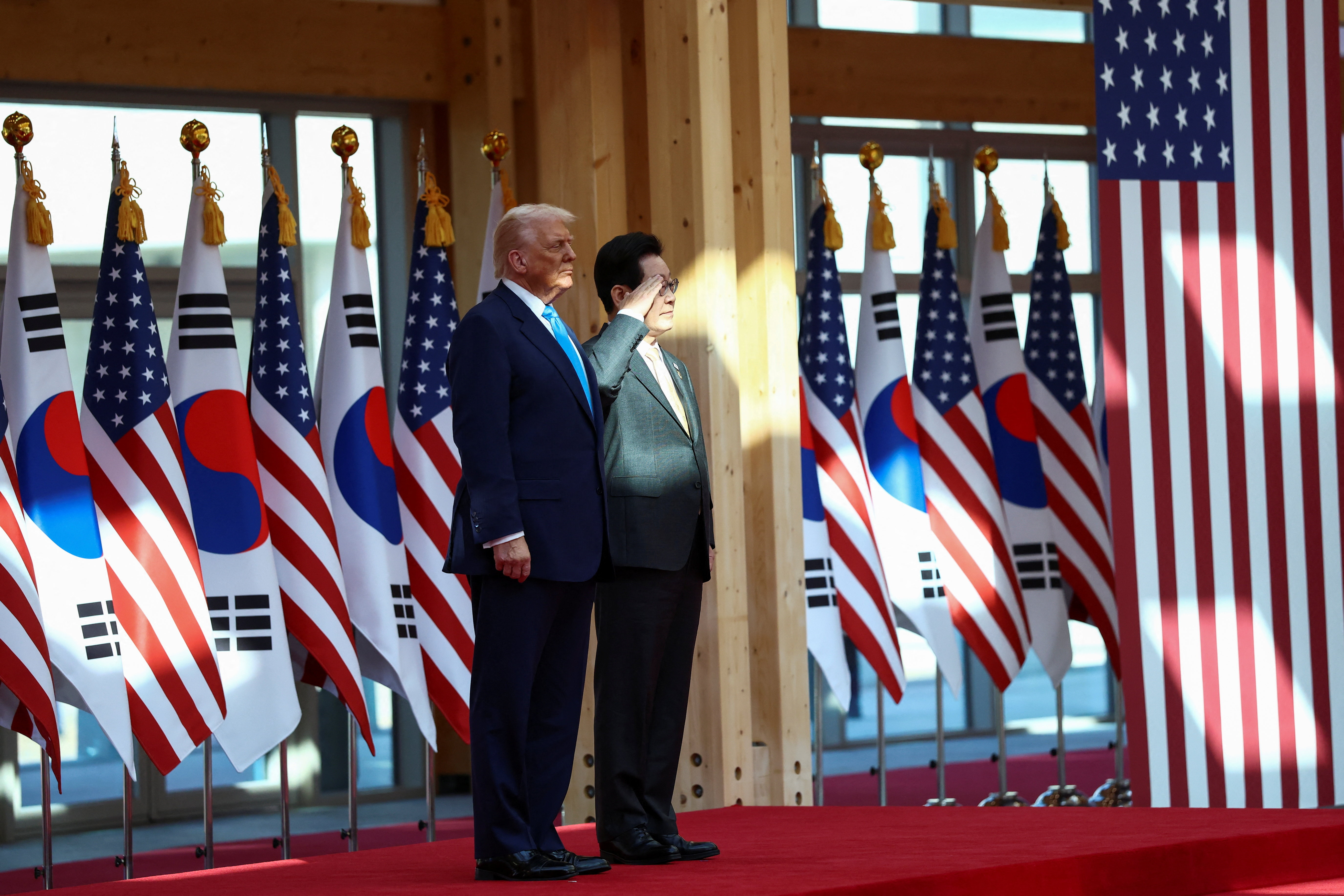
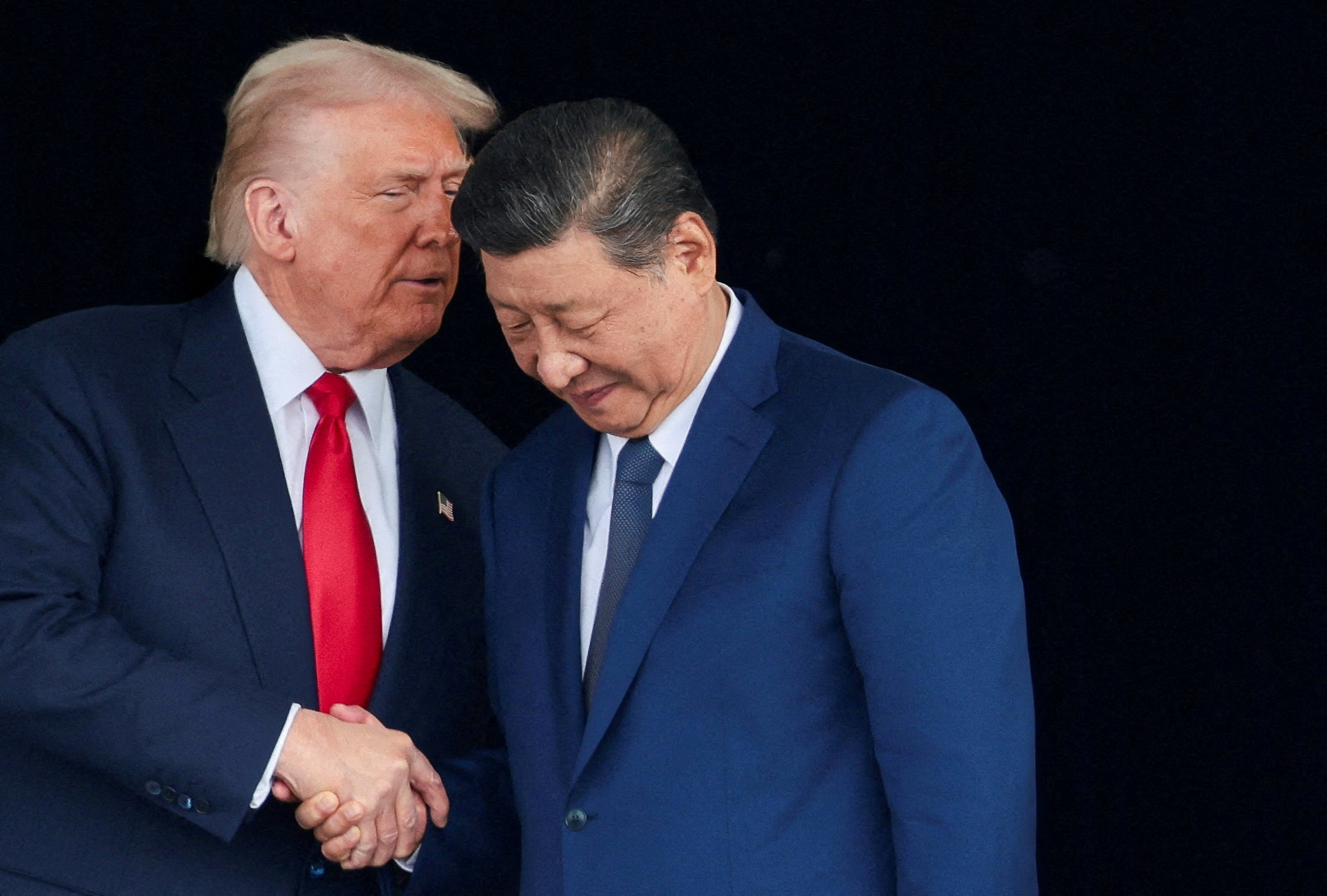
- ASIA TOUR: Trump embarks on a trip to Malaysia, Japan and South Korea, where he pushes for trade deals and investments in US industry. On the sidelines of the Asia-Pacific Economic Cooperation forum, he meets with Chinese President Xi Jinping, and they agree to roll back tariffs against each other's exports.
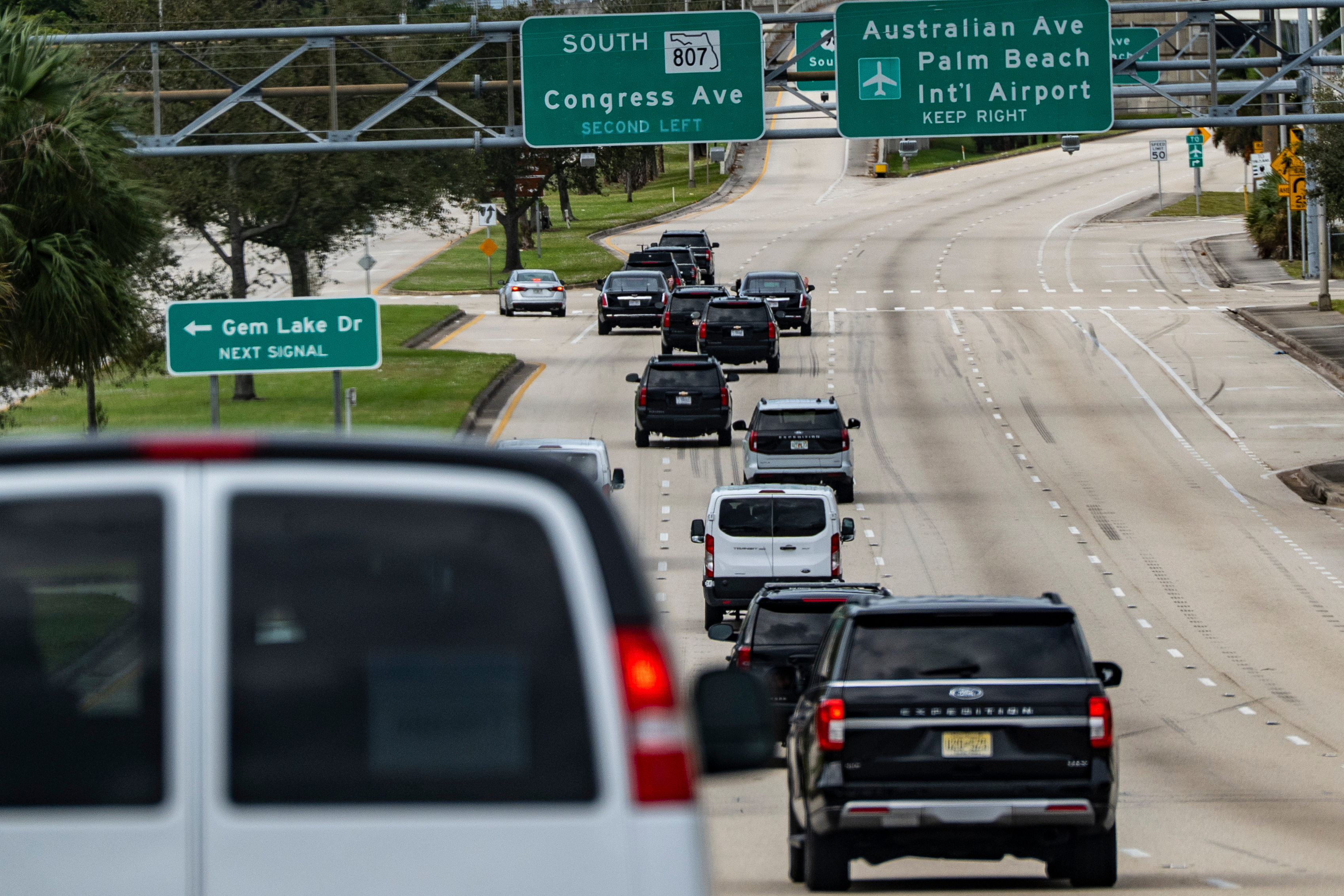
- BOAT STRIKES: October marks the first time the Trump administration publicly acknowledges that there were survivors from its lethal boat strikes. The two survivors are repatriated to their home countries of Ecuador and Colombia. By December, it would be revealed that there had been survivors during a September 2 bombing as well — but that those men were subsequently killed in a "double-tap" strike.








November 2025 at a glance
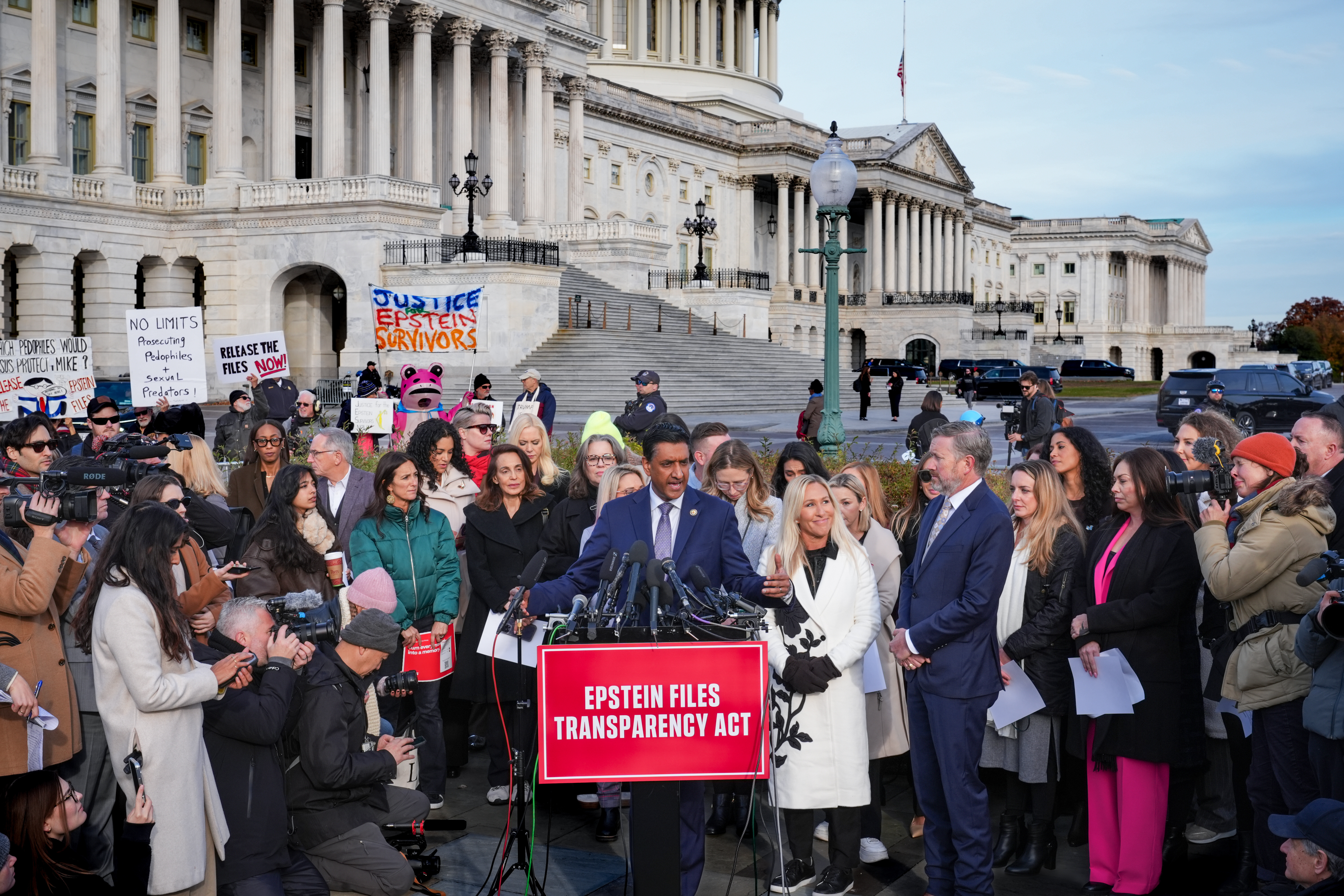
The Republican Party saw its unity tested in November, amid a tense government shutdown and increasing pressure to release government files related to convicted sex offender Jeffrey Epstein.
Though Trump had once called Republicans "stupid" for seeking transparency in the Epstein files, he was forced to reverse course when faced with a schism in the party ranks. Still, he cuts his ties with one of his highest-profile supporters, Representative Marjorie Taylor Greene, who subsequently announced she will resign from Congress.
Here are some of the month's headlines:
- ELECTION REBUKE: In an off-year election cycle, Democrats grab key victories over Trump-backed candidates, winning the governor's office in Virginia and New Jersey and the mayorship in New York City.
- SHUTDOWN ENDS: Eight senators break from the Democratic caucus to vote for a funding bill that would end a government shutdown which, at 43 days, was the longest in US history.
- NIGERIA: On November 1, Trump warns that he is prepared to send US troops "guns-a-blazing" into Nigeria to combat alleged Christian persecution. He writes on social media that he instructed the Pentagon to "prepare for possible action". An attack would eventually be launched on Christmas Day.
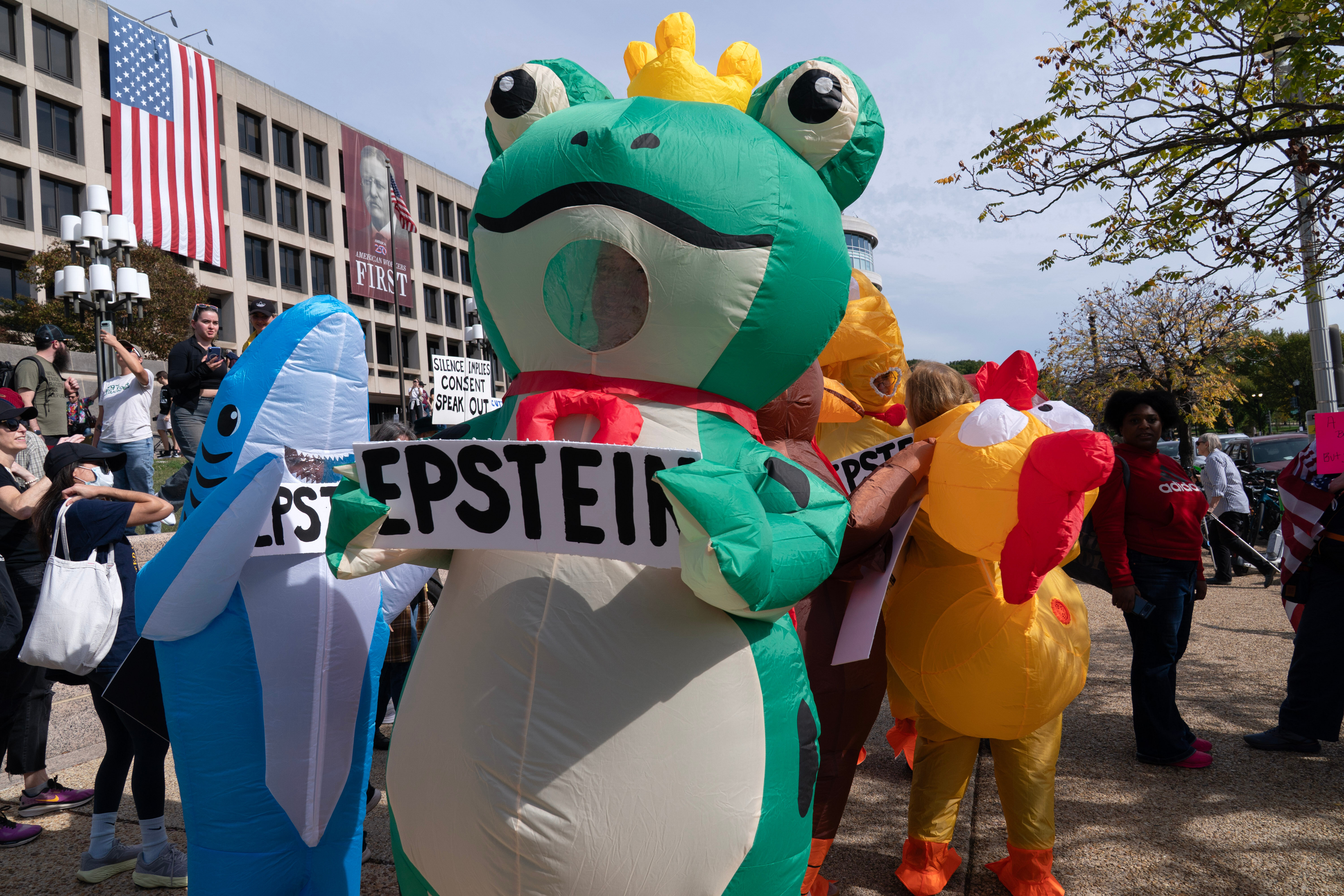
- EPSTEIN FILES: Faced with rebellion within his own party, Trump reverses course and decides to back the Epstein Files Transparency Act, a bill that would require the Department of Justice to release all records concerning convicted sex offender Jeffrey Epstein. The bill sets a deadline of December 19 to publish the complete files, a goal the Trump administration ultimately falls short of.
- GENDERED INSULTS: Trump's interactions with female journalists come under the microscope after he snaps at reporter Catherine Lucey for asking him a question about the Epstein files: "Quiet, piggy."
- PROSECUTIONS TOSSED: A federal judge dismisses the criminal prosecutions of two Trump critics, Letitia James and James Comey, after determining that the prosecutor who signed off on the cases was in her role illegally.
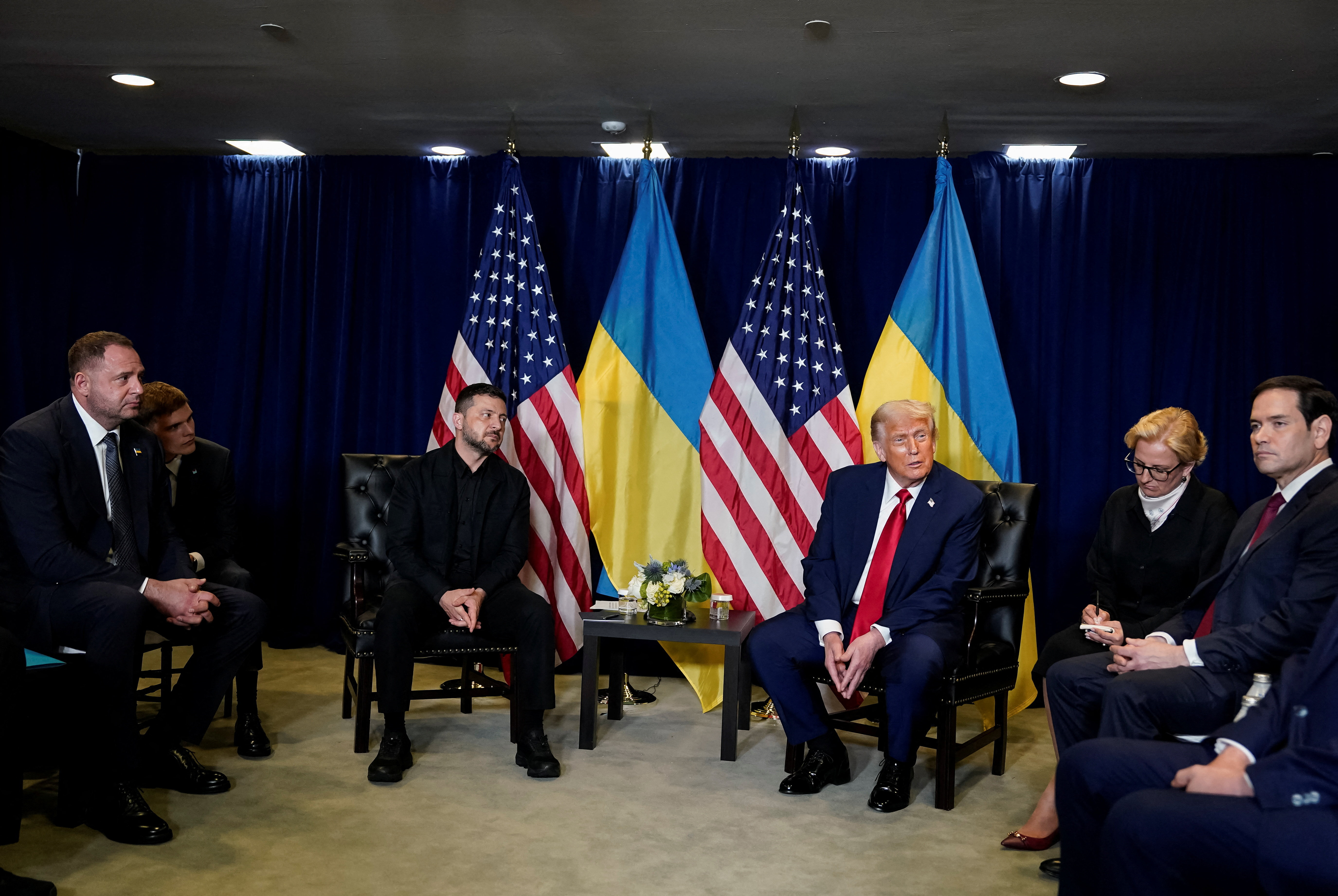
- UKRAINE DEAL: The Trump administration pressures Ukraine to accept a 28-point peace plan by November 27, but Ukraine and its European allies baulk at its terms, which would require Ukraine to downsize its military and cede territory that Russia does not yet control.
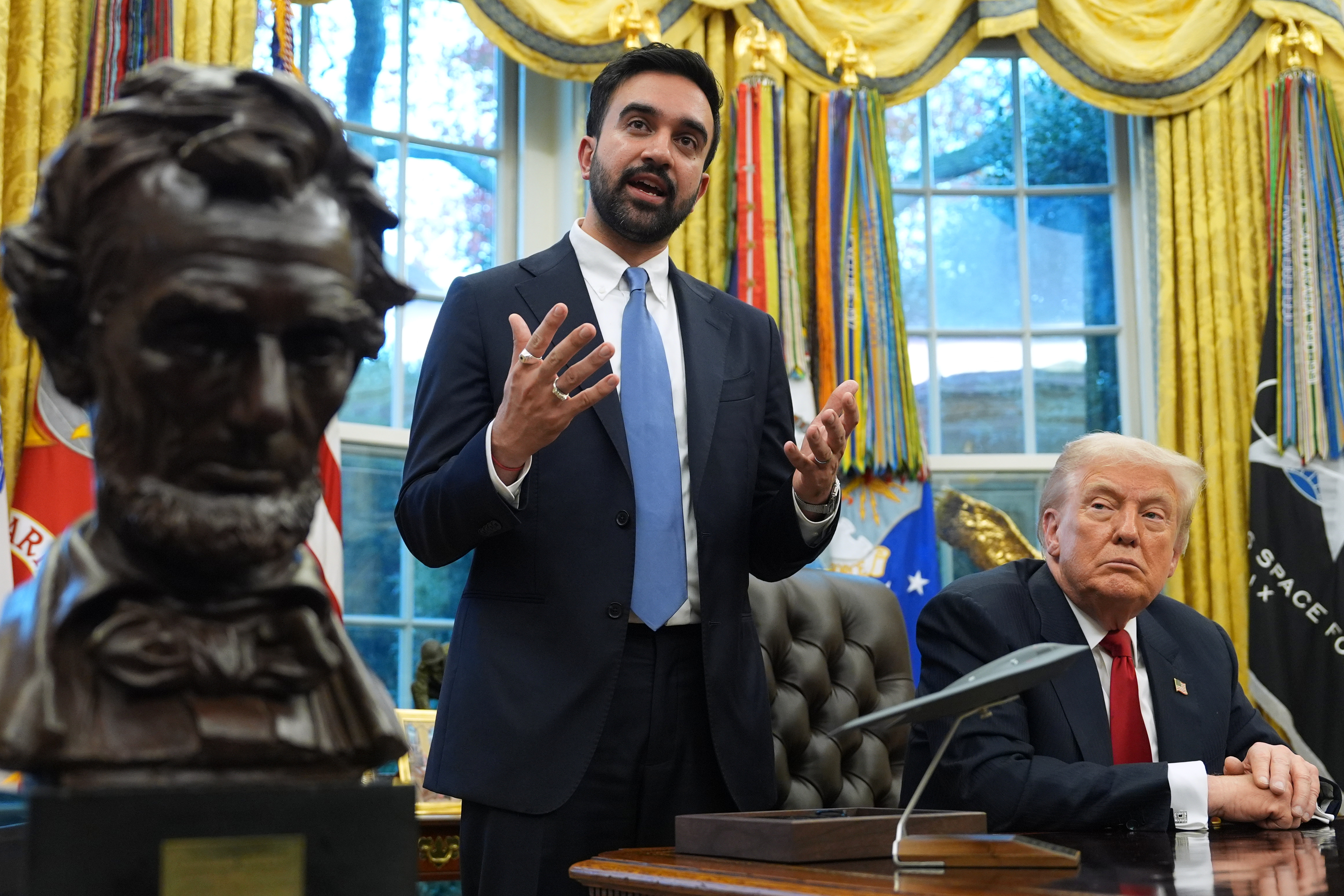
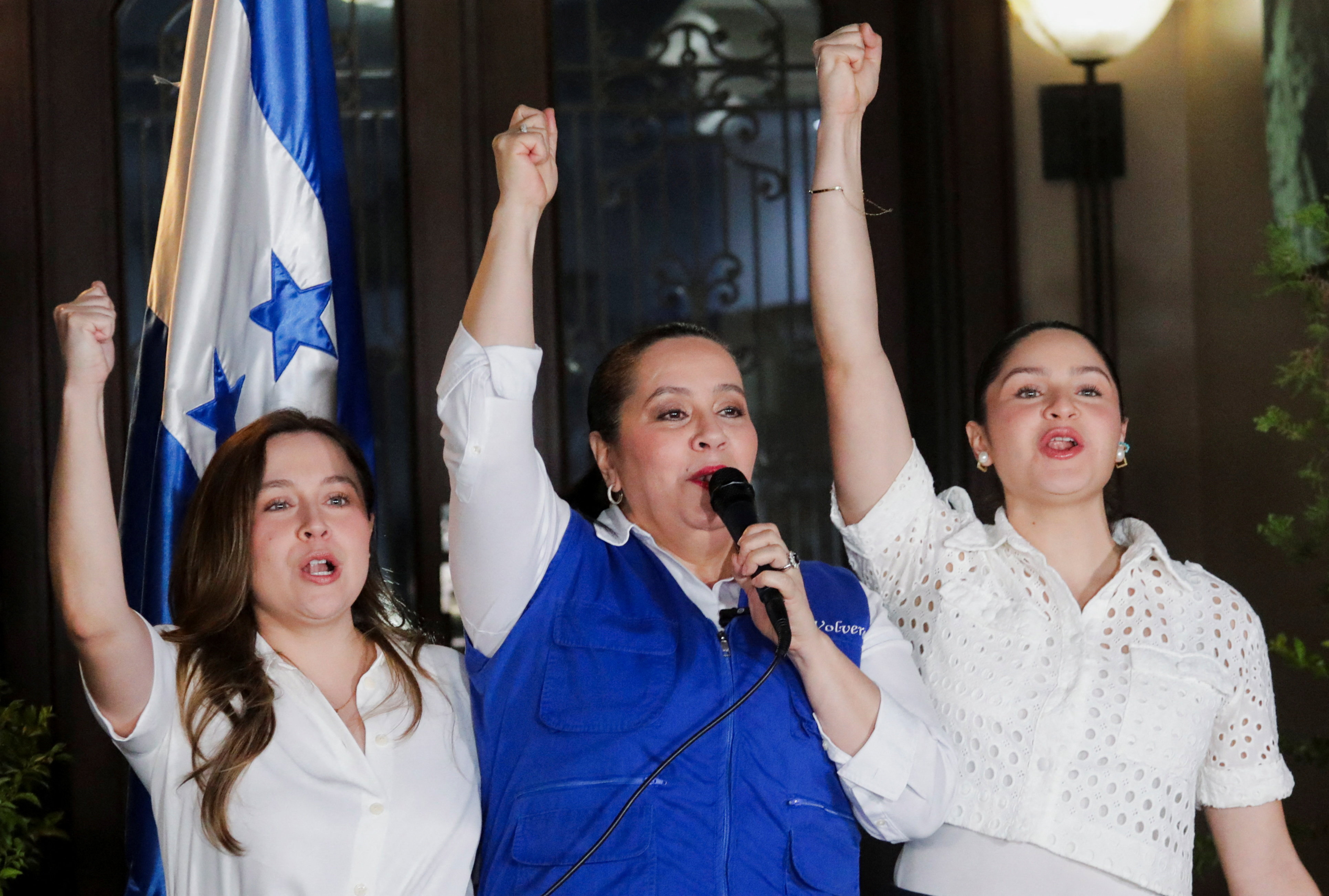
- CONTROVERSIAL PARDONS: As part of his attempt to sway Honduras's election, Trump announces a pardon for former right-wing Honduran President Juan Orlando Hernandez, who was convicted of drug trafficking. He also announces preemptive pardons for allies like Rudy Giuliani and others involved in efforts to subvert the 2020 election results.
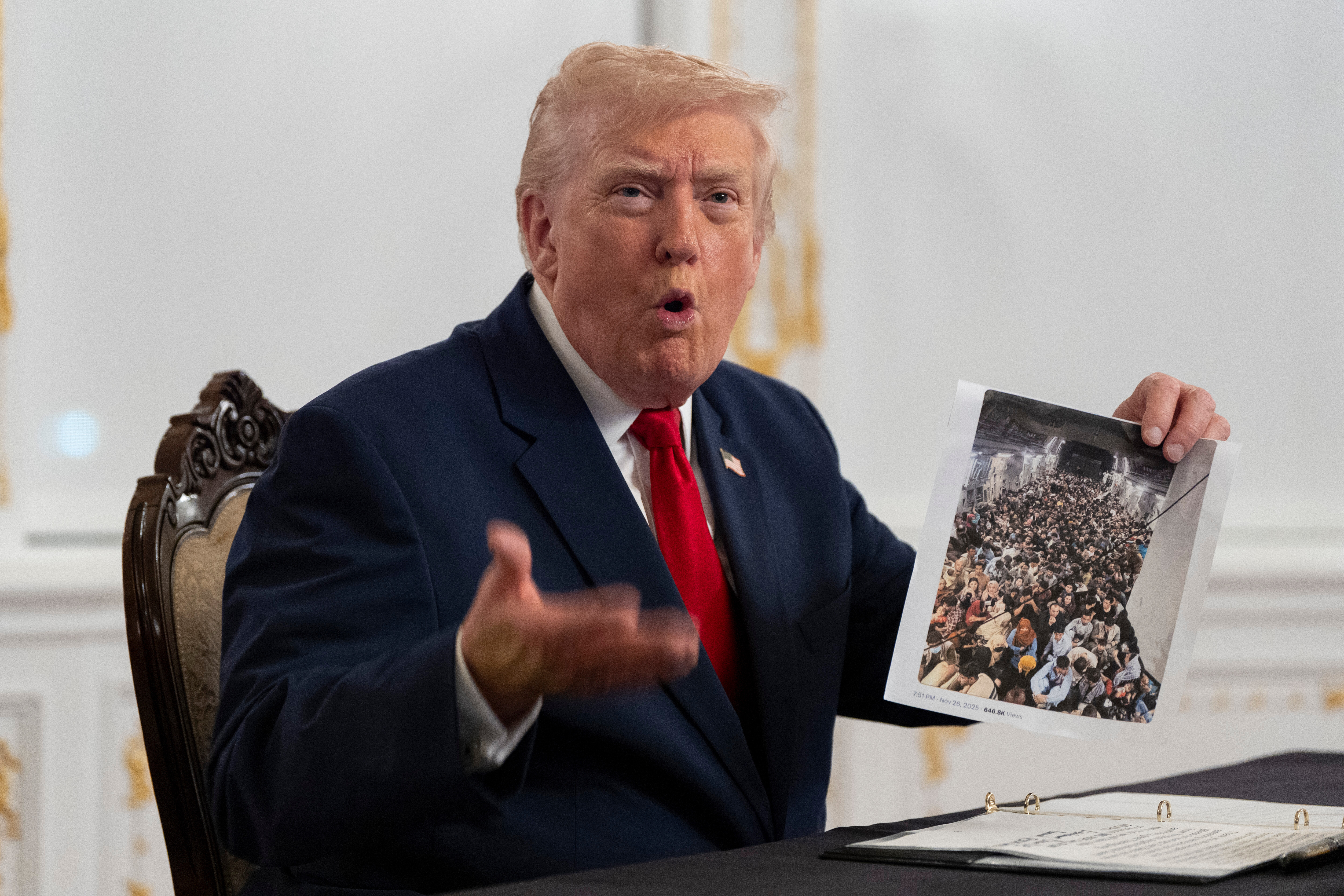
- IMMIGRATION SUSPENSION: Following the shooting of two National Guard members by an Afghan immigrant, Trump pledges to "permanently pause migration from all Third World Countries". He also halts asylum processing.
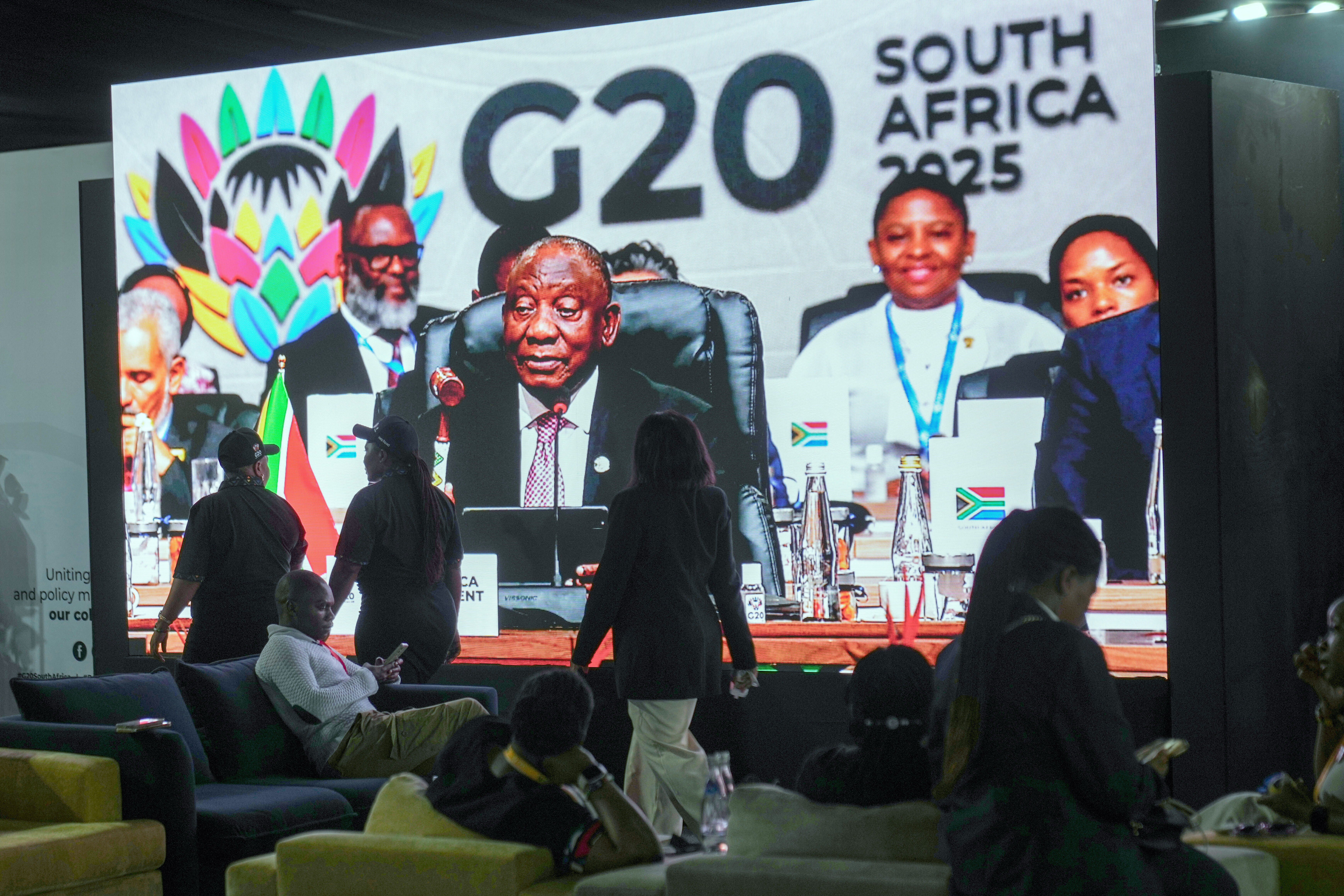
- G20 RANCOR: The Trump administration refuses to send top-level government representation to the Group of 20 (G20) summit, over false claims that the host country, South Africa, is perpetrating "white genocide". Trump also pledges to bar the South African leadership from attending the 2026 summit, slated to take place in Miami.





December 2025 at a glance
Tensions with Venezuela continued to heat up in December, as the Trump administration expanded its attacks on alleged drug traffickers to the land and formed a blockade to choke the country's oil exports.
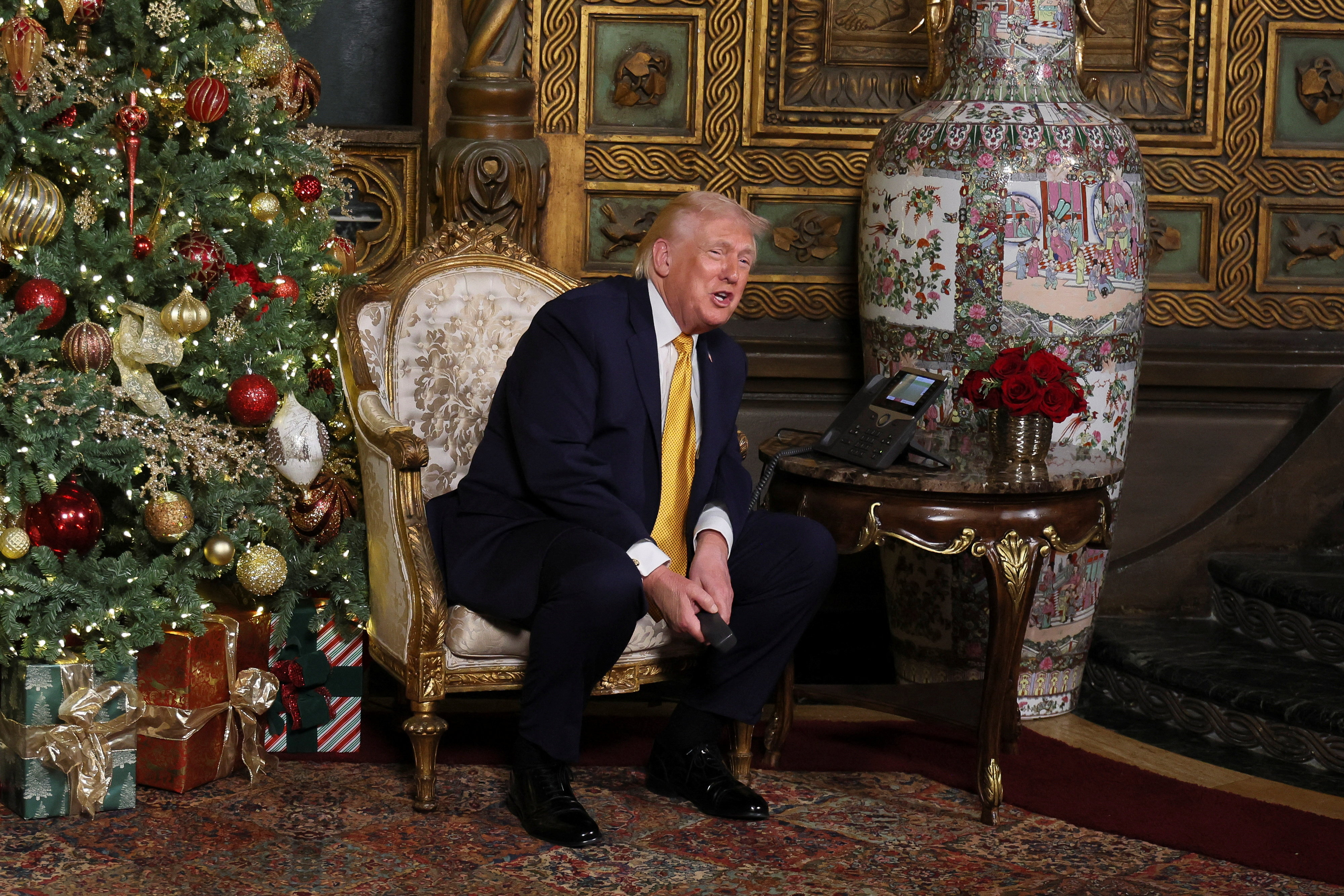
In the US, meanwhile, Trump took a victory lap, hosting his first Kennedy Center Honors and accepting a peace prize from FIFA. Here are some of the month's biggest headlines:
- SECURITY: The Trump administration releases a new national security strategy that signals a major shift in US priorities, away from competition with superpowers like China and towards exerting control in the Western Hemisphere.
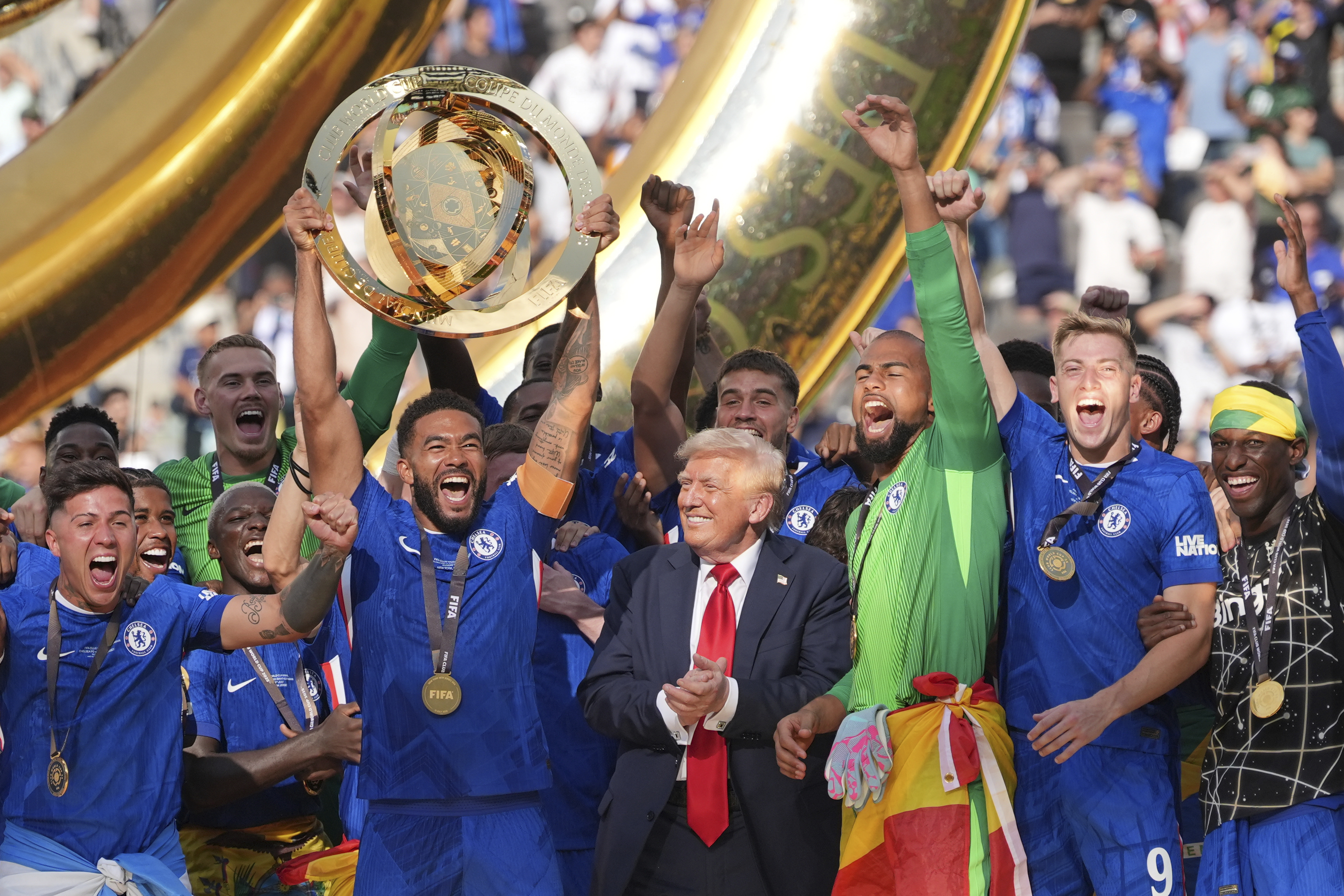
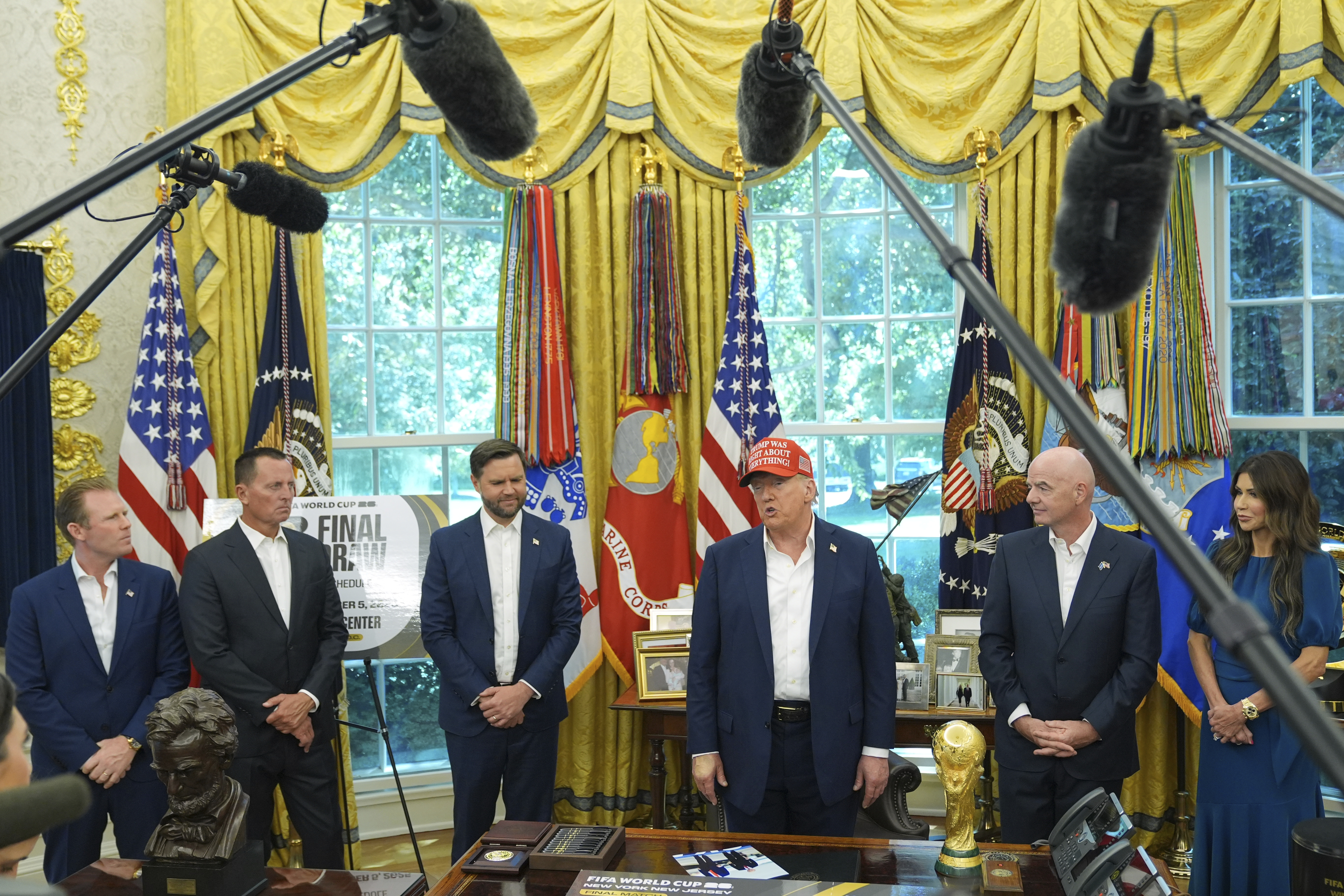
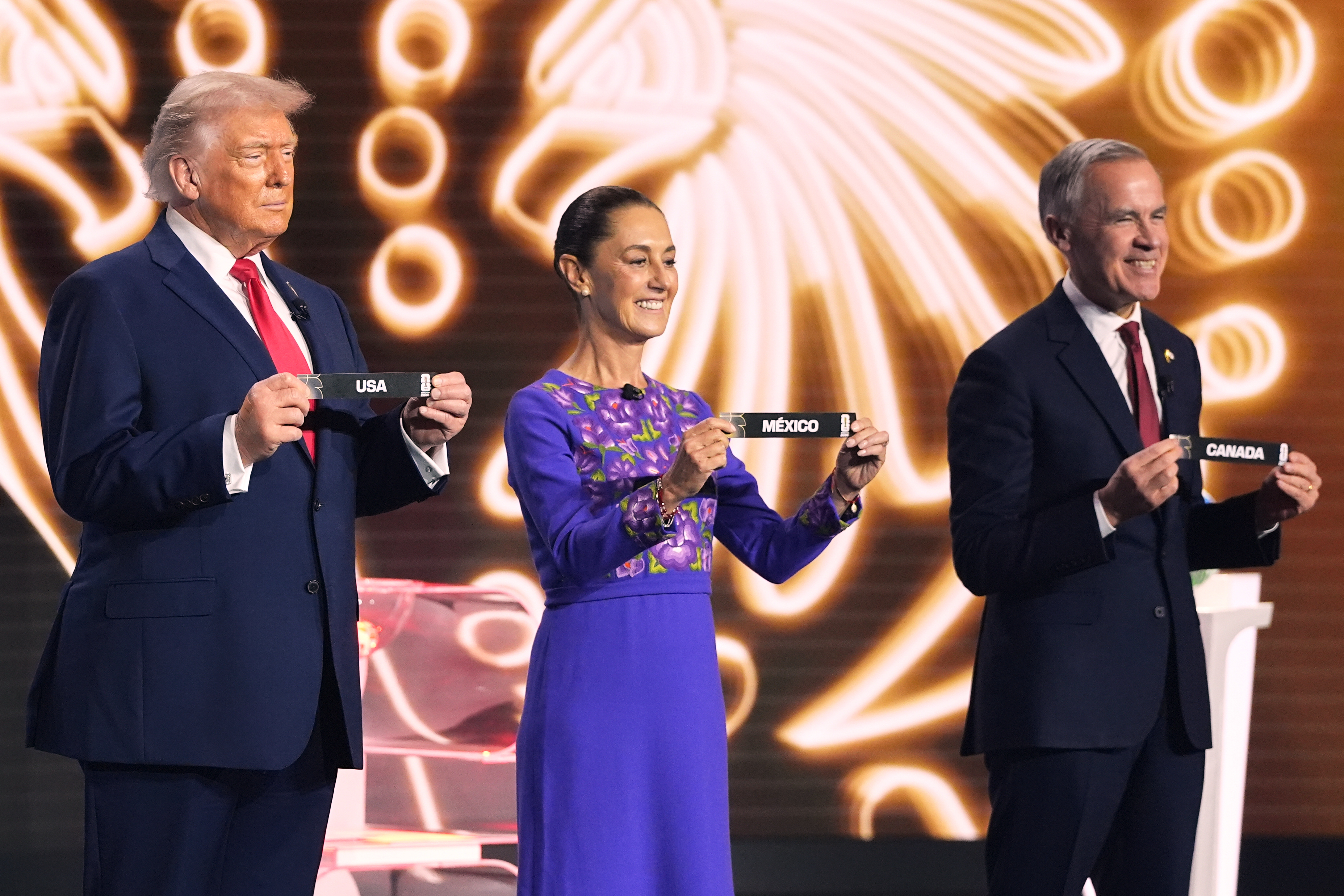
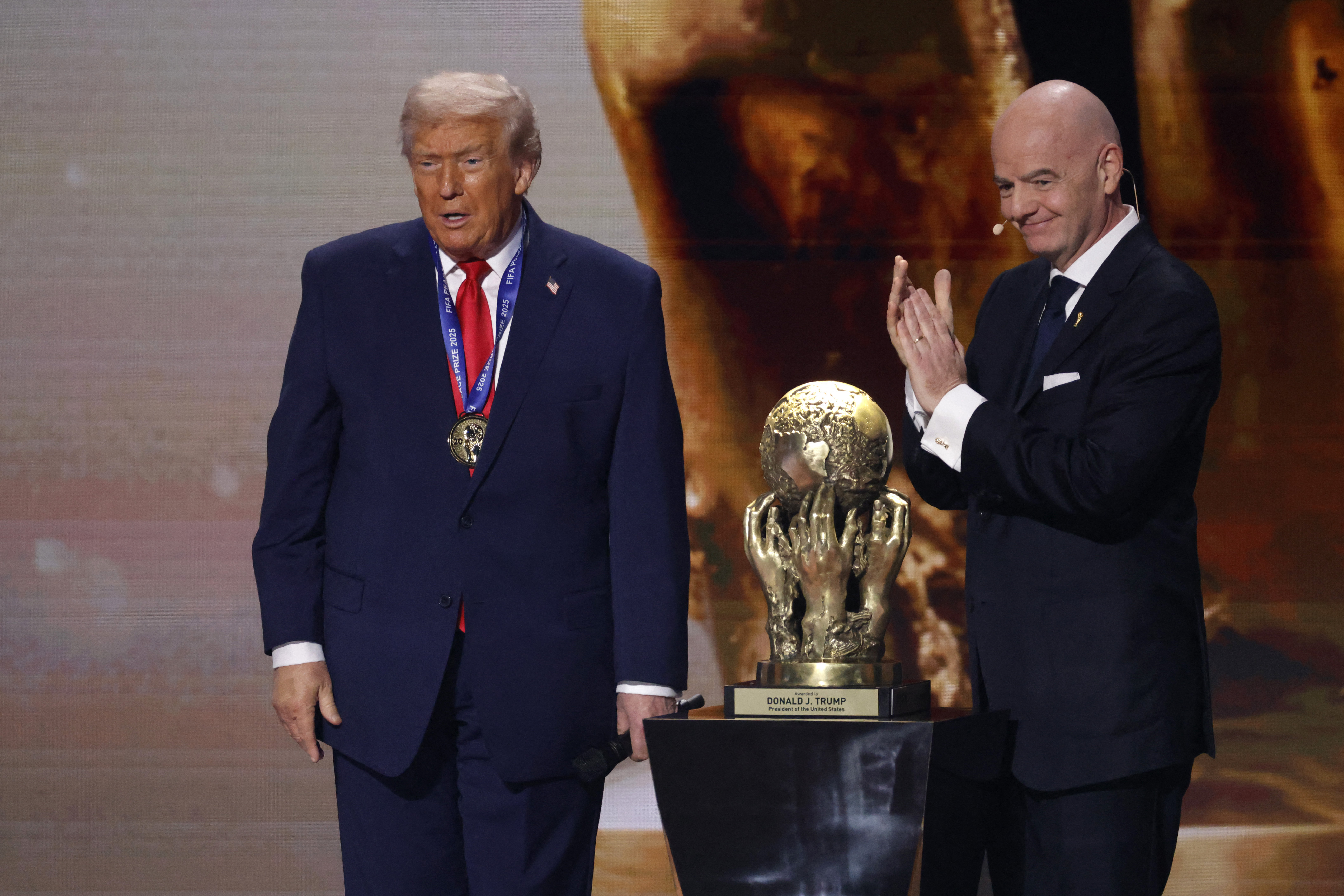
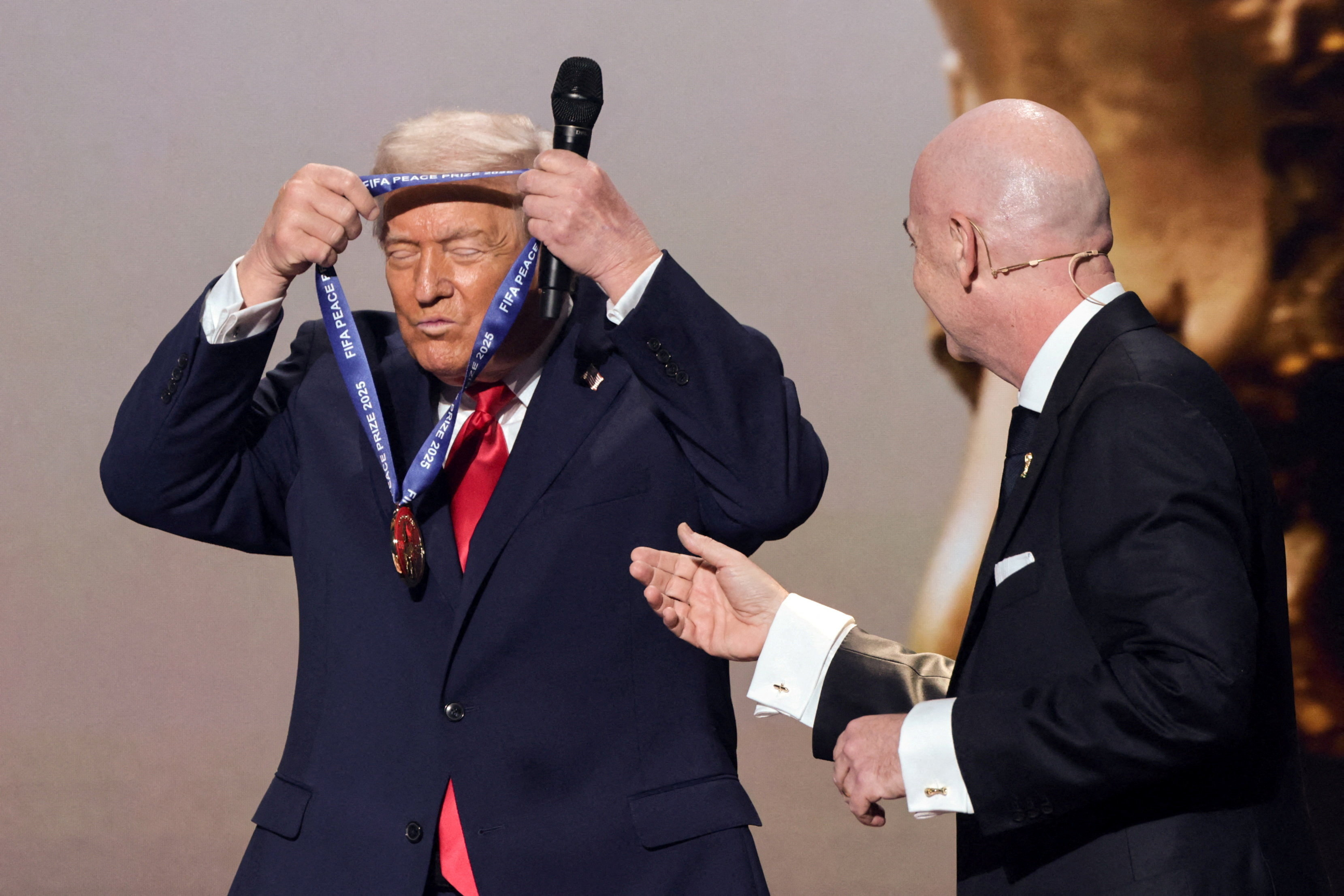
- PEACE PRIZE: The football governing body FIFA awards its inaugural peace prize to Trump, who had long lobbied for the Nobel Peace Prize. But the award proves divisive, even catching members of FIFA's council off guard.
- TANKERS: Trump begins enforcing his blockade against Venezuelan oil, seizing a first sanctioned tanker on December 10. By January, a total of six tankers would have been taken.
- VETOES: In an apparent act of political retaliation, Trump uses his veto powers for the first time to defeat two bipartisan bills: one concerning water for Democrat-led Colorado and another about an Indigenous tribe in Florida that opposed a local detention centre.
- NATIONAL GUARD: Following a defeat at the Supreme Court, Trump announces he will remove National Guard troops from Chicago, Los Angeles and Portland.
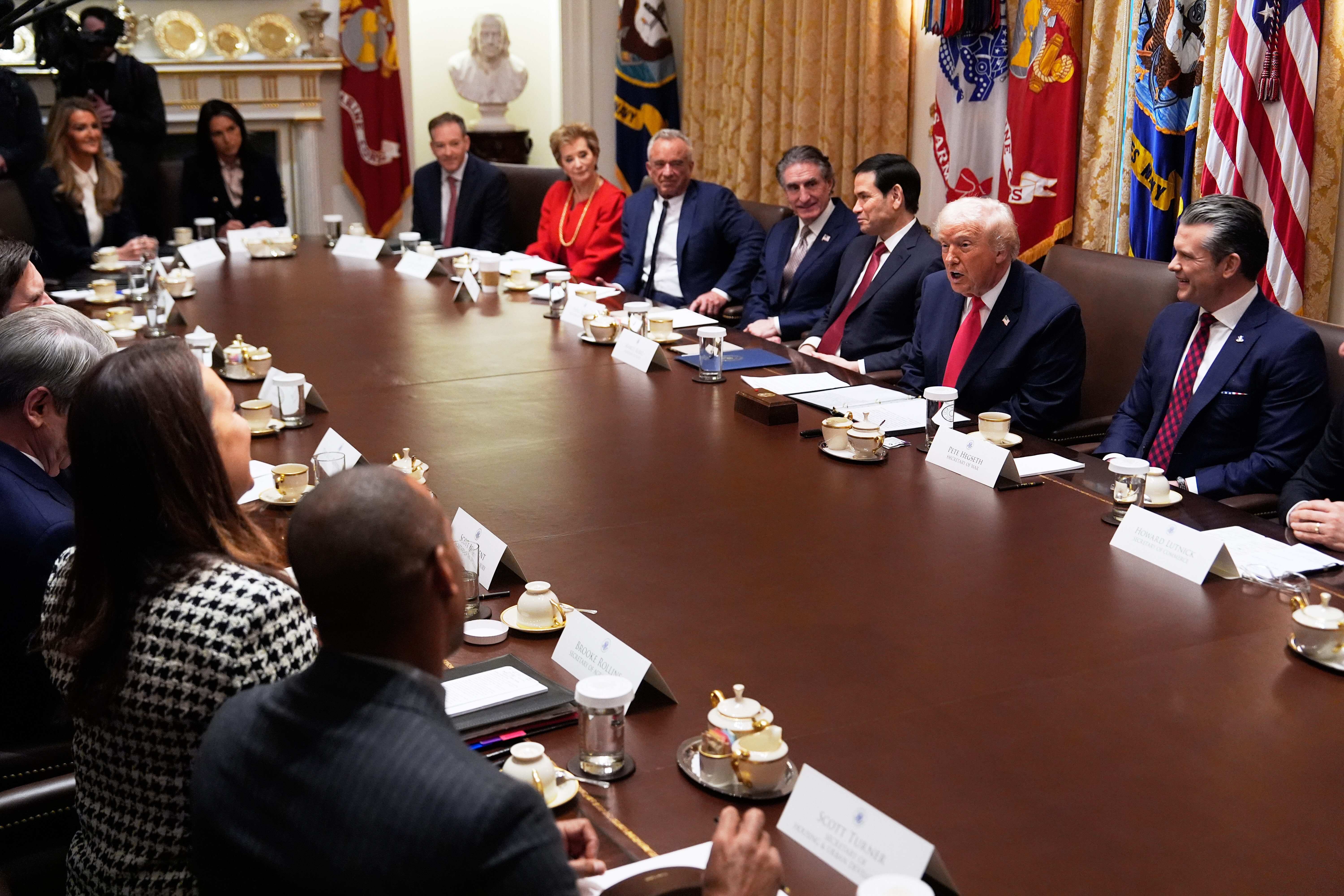
- SOMALIA: Trump uses the last cabinet meeting of the year to denounce Somali Americans and Representative Ilhan Omar: "I don't want them in our country." Meanwhile, by December, the Trump administration completes 126 attacks in Somalia in the name of counterterrorism.
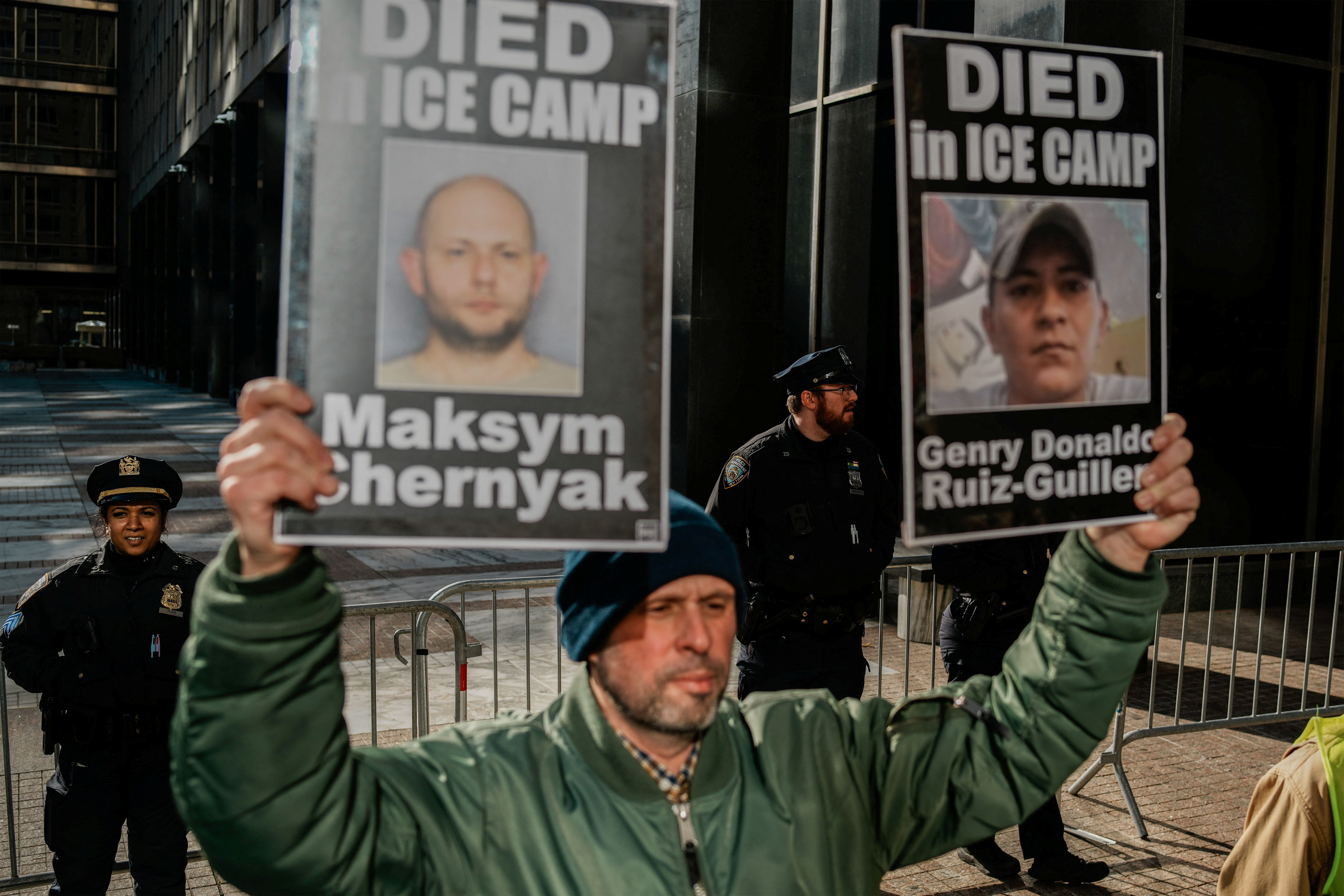
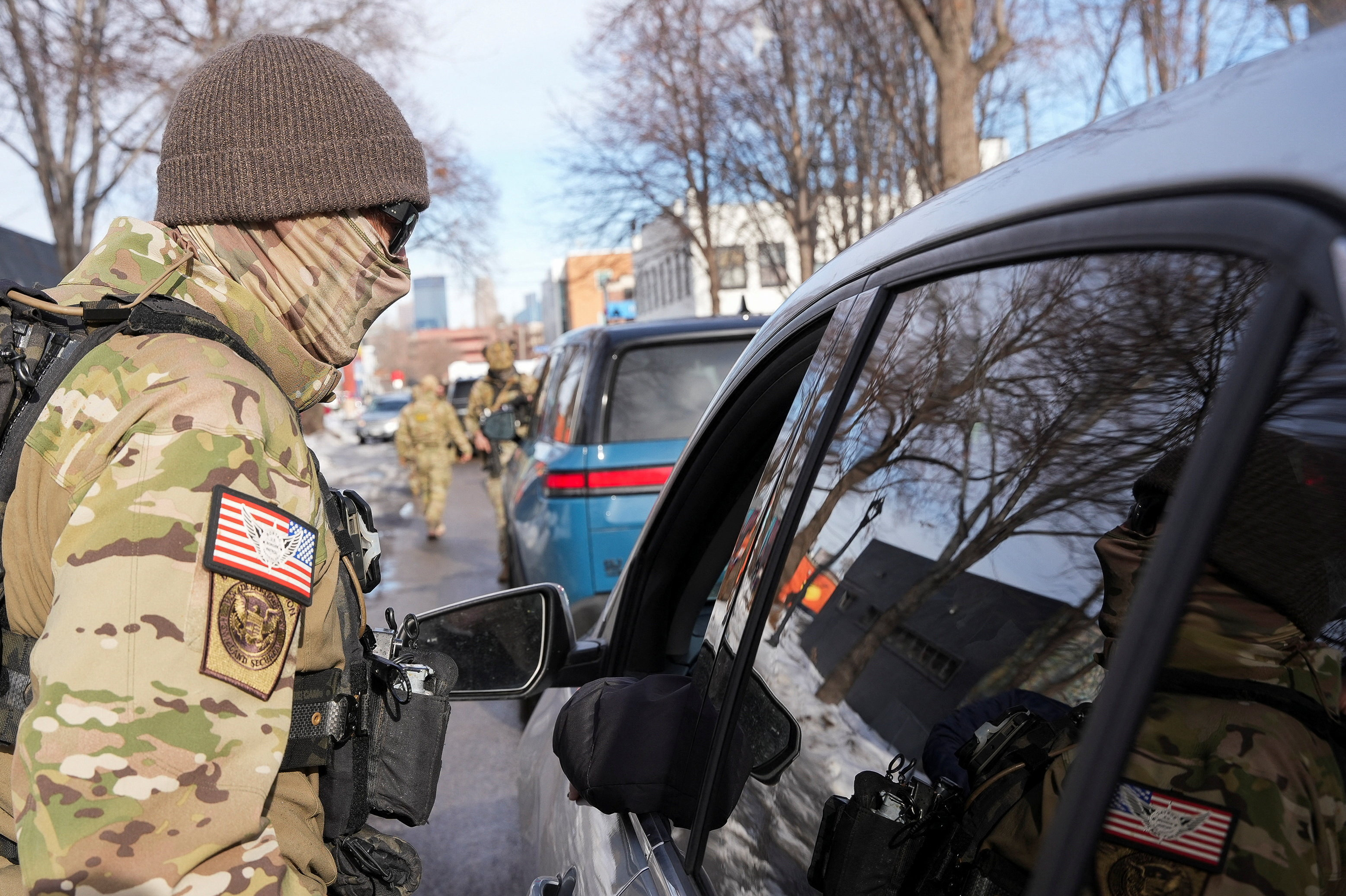
- MINNESOTA: Known for its large Somali American community, Minnesota becomes the latest state to see a surge in federal immigration agents, and Trump suspends federal childcare funds to the midwestern state, citing cases of fraud.
- PORT ATTACK: After dozens of attacks against alleged drug smugglers in international waters, the Trump administration follows through with its promise to hit a land-based target: It authorises a drone attack on a Venezuelan port.
- TRANSGENDER RIGHTS: The Trump administration proposes a new rule that would block hospitals from accessing Medicaid and Medicare insurance if they provide gender-affirming care to transgender youth.
- BOAT STRIKES: By the end of December, the US had attacked at least 35 boats in the Caribbean Sea and eastern Pacific Ocean, killing an estimated 115 people. The family of a fisherman thought to be killed in the attacks files the first formal international complaint.




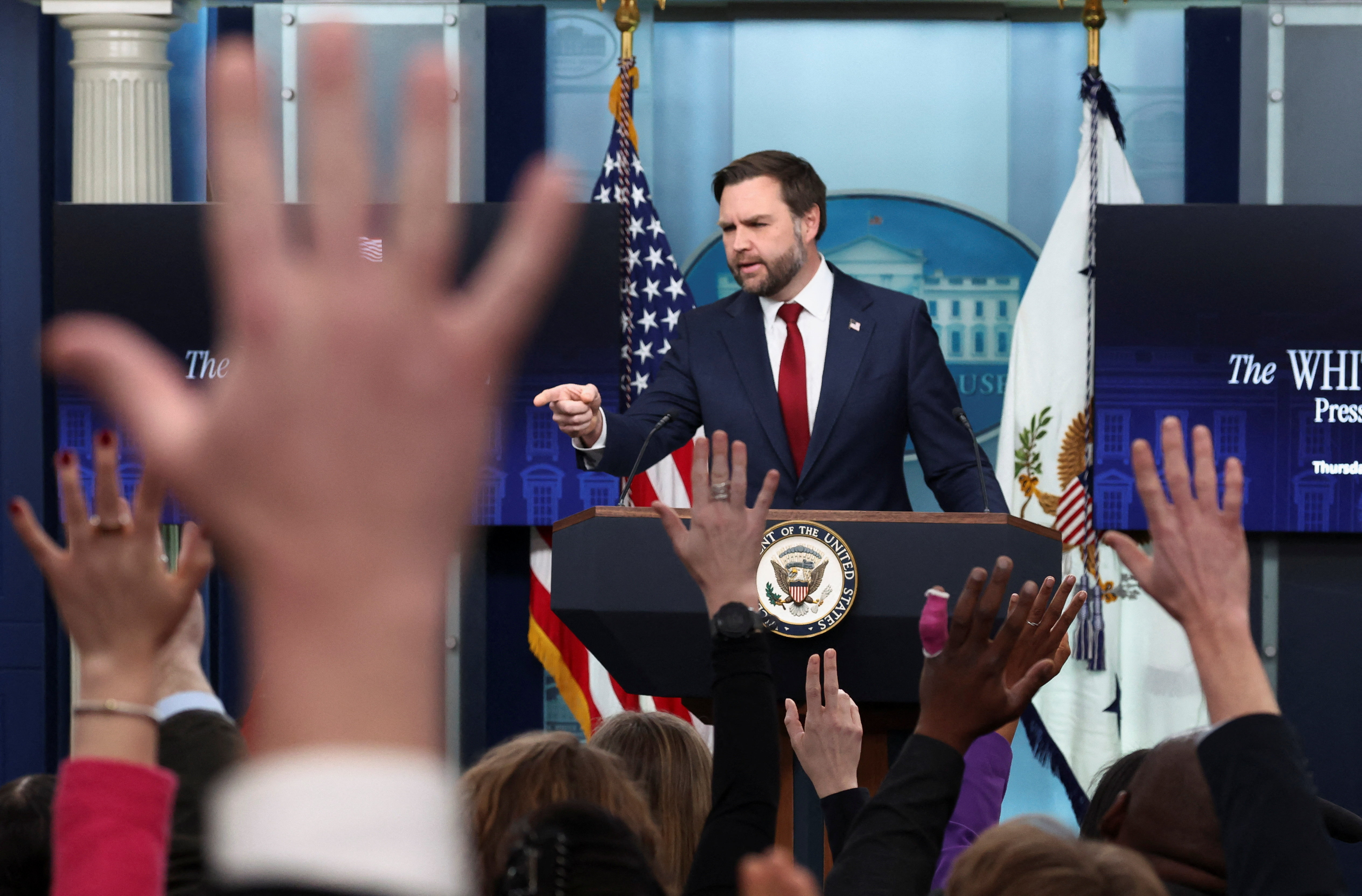



January 2026 at a glance
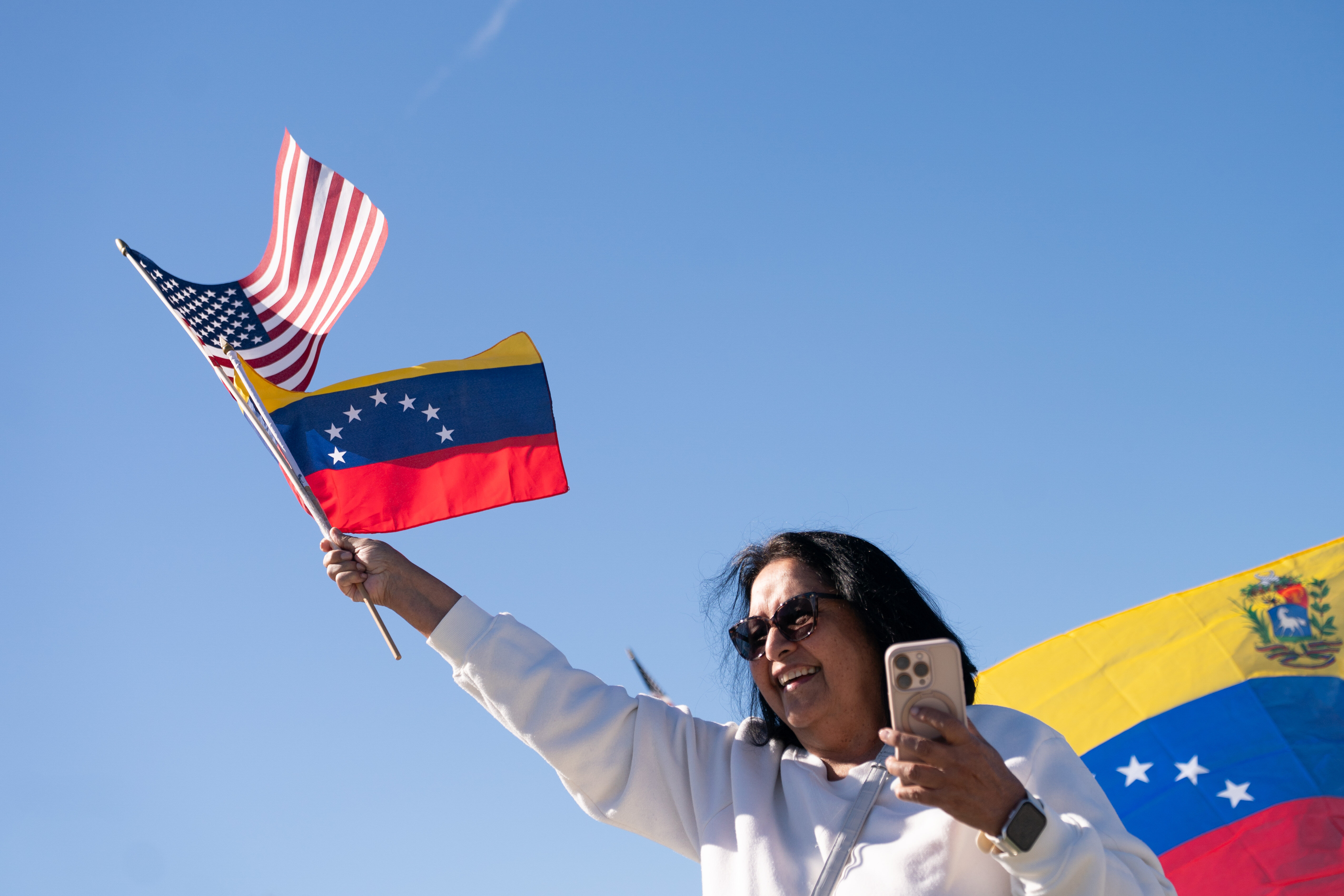
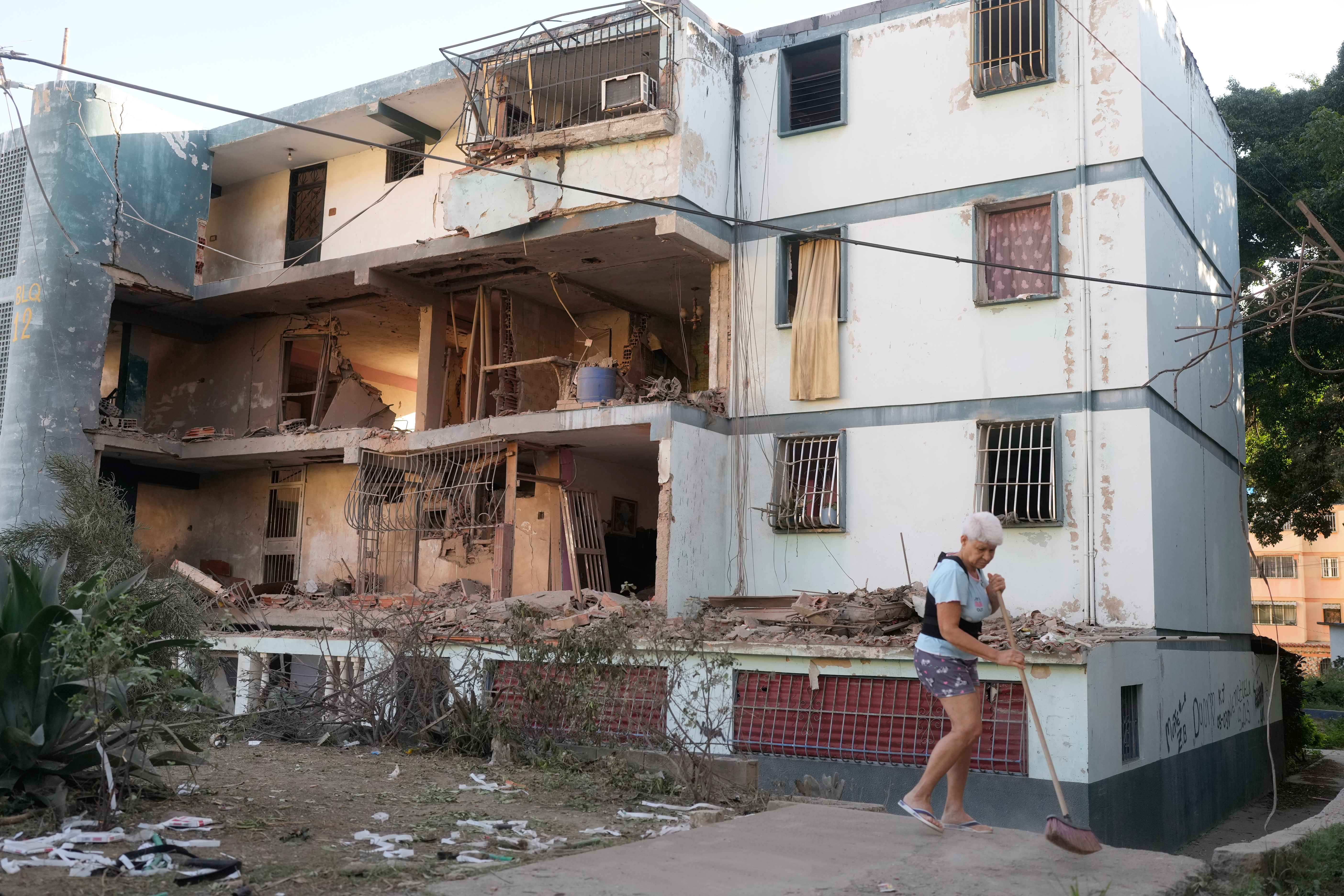
Since Trump's first term, he had led a "maximum pressure" campaign against Venezuelan President Nicolas Maduro. But in January, pressure switched to action. Maduro was abducted by US military forces and brought to the US to face trial.
That attack on Venezuela's government was followed by a series of other threats against countries including Greenland, Iran and Colombia. Here are some of the month's headlines:
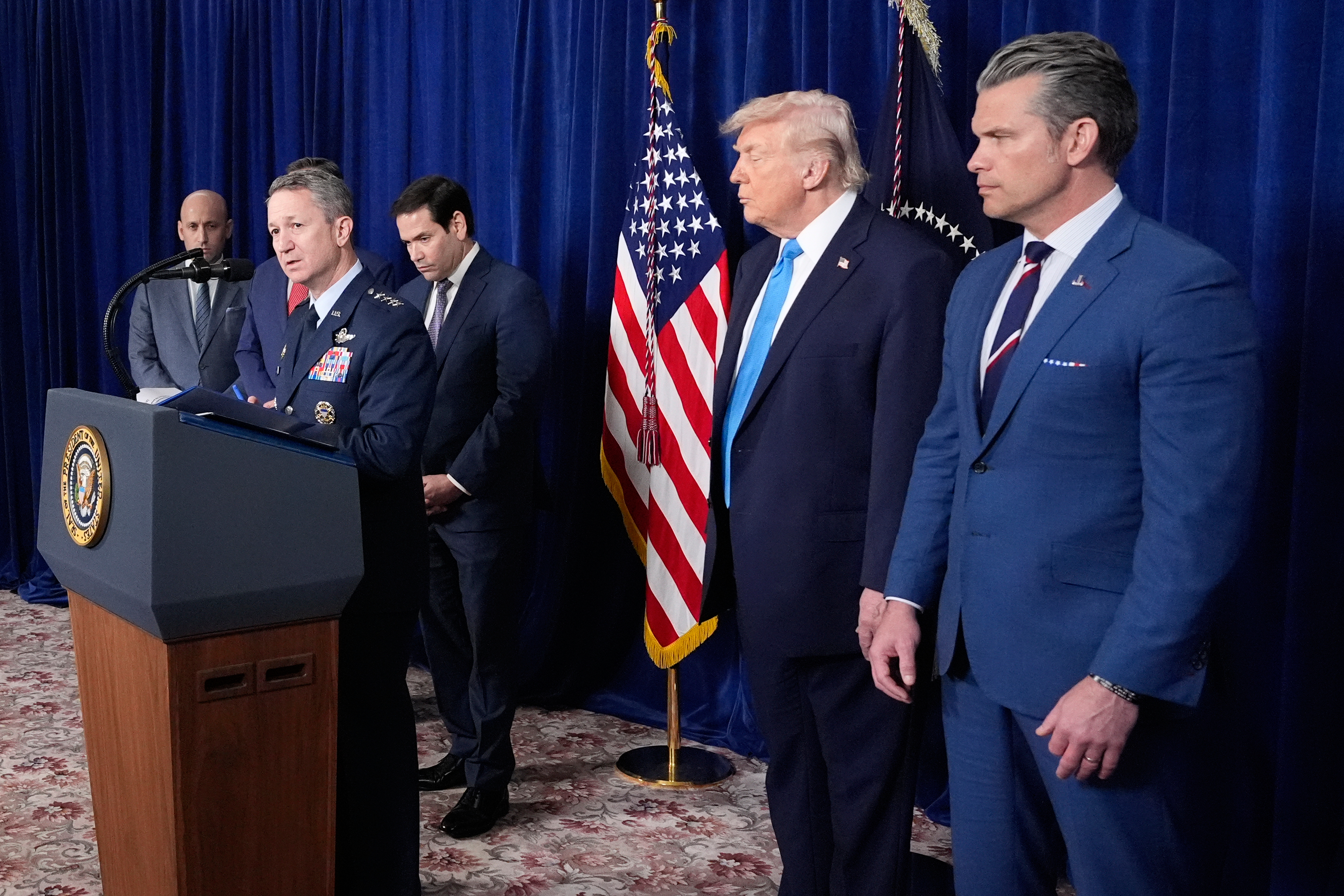
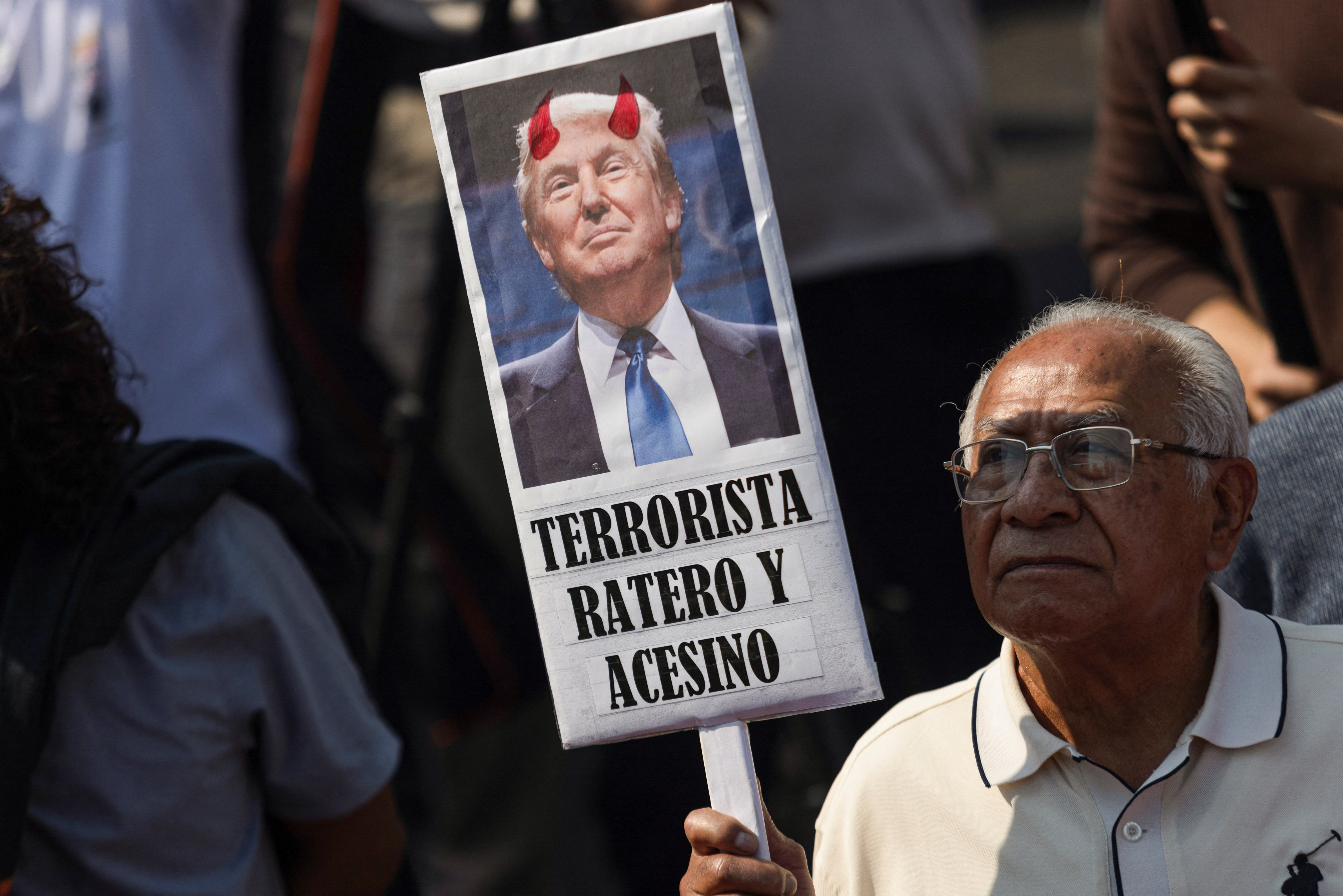
- VENEZUELA ATTACK: On January 3, the Trump administration stuns the world with a surprise attack on Venezuela, culminating in the abduction of President Nicolas Maduro and his wife, Cilia Flores. Supporters call the move long overdue; opponents decry it as a violation of international law.
- GREENLAND THREATS: Trump once again calls for the US to annex Greenland for national security purposes — but his words carry extra weight in the wake of the Venezuela attack. Trump also threatens countries that oppose his plan with escalating tariffs, starting on February 1.
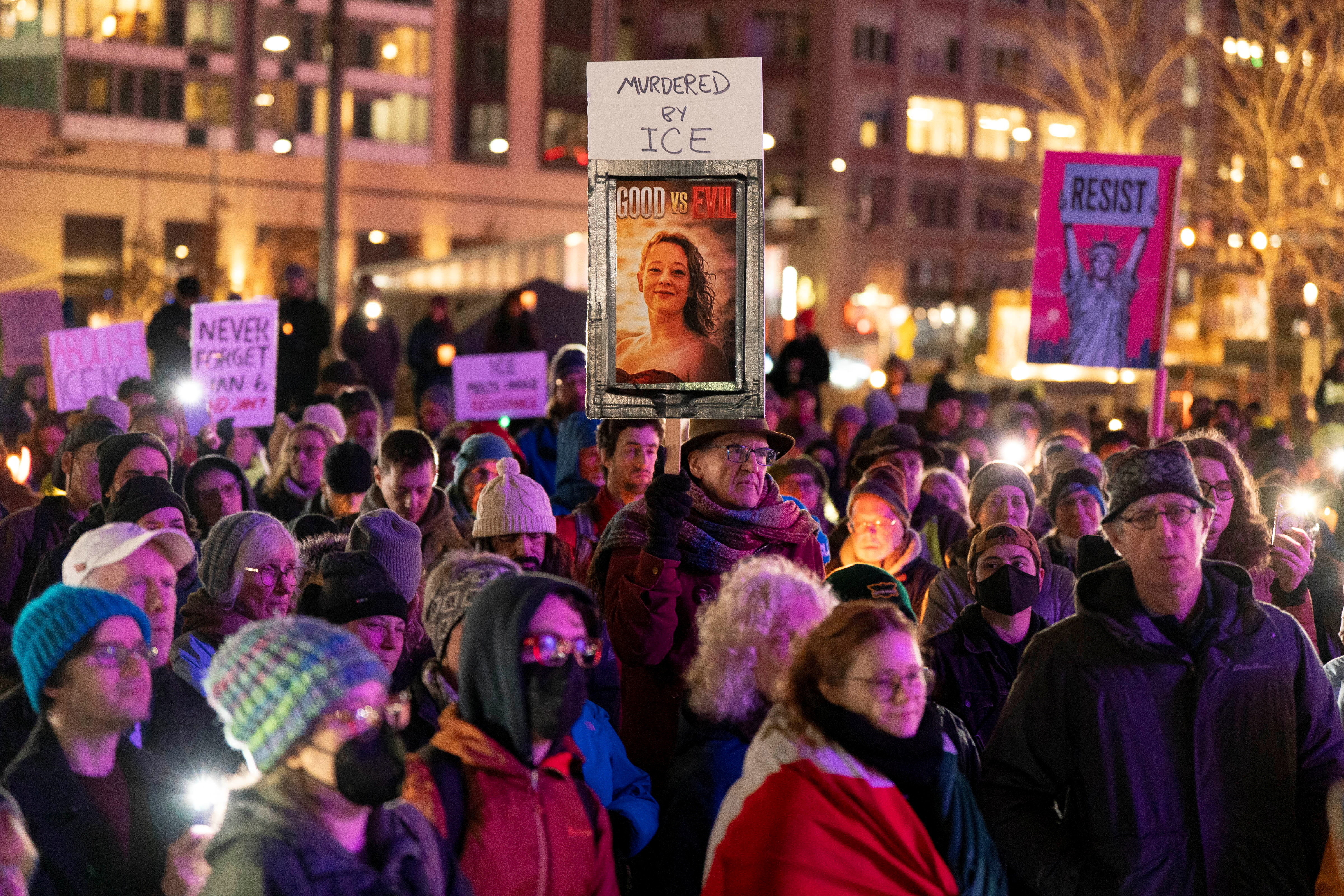
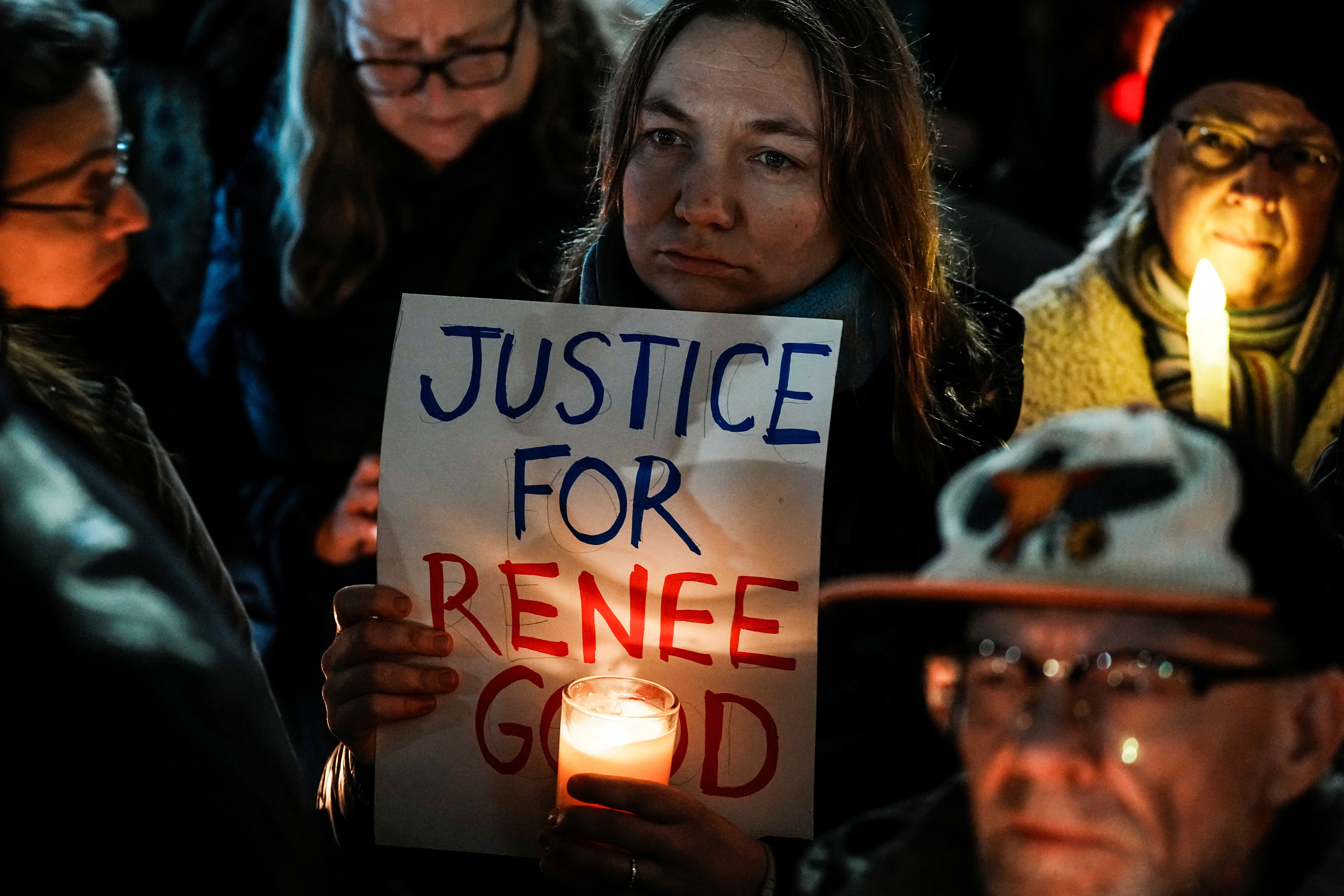
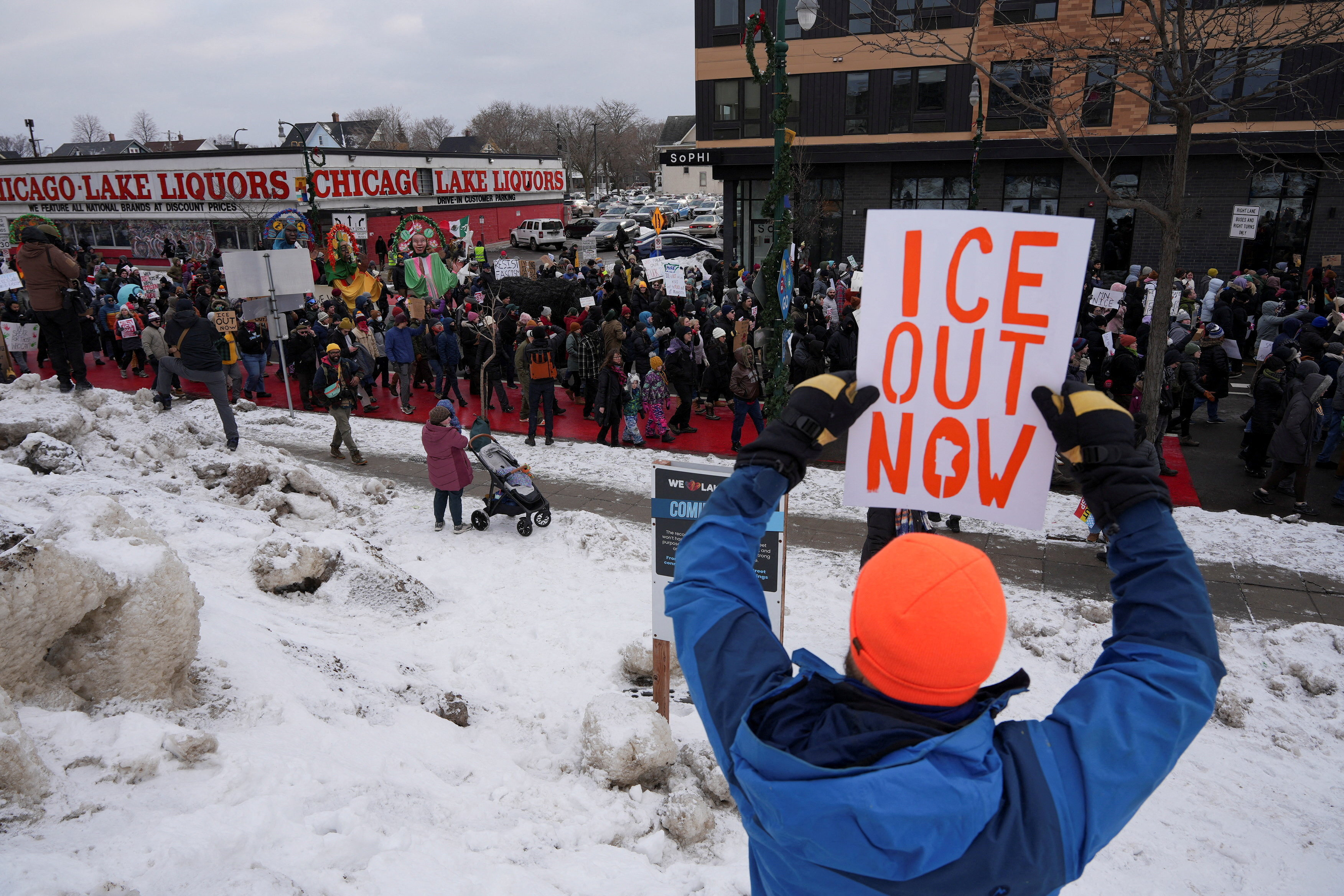
- MINNEAPOLIS SHOOTING: In Minneapolis, Minnesota, an immigration agent shoots into the moving vehicle of 37-year-old mother Renee Nicole Good, killing her and prompting outcry about the increased federal presence in the state and the abuse of force.
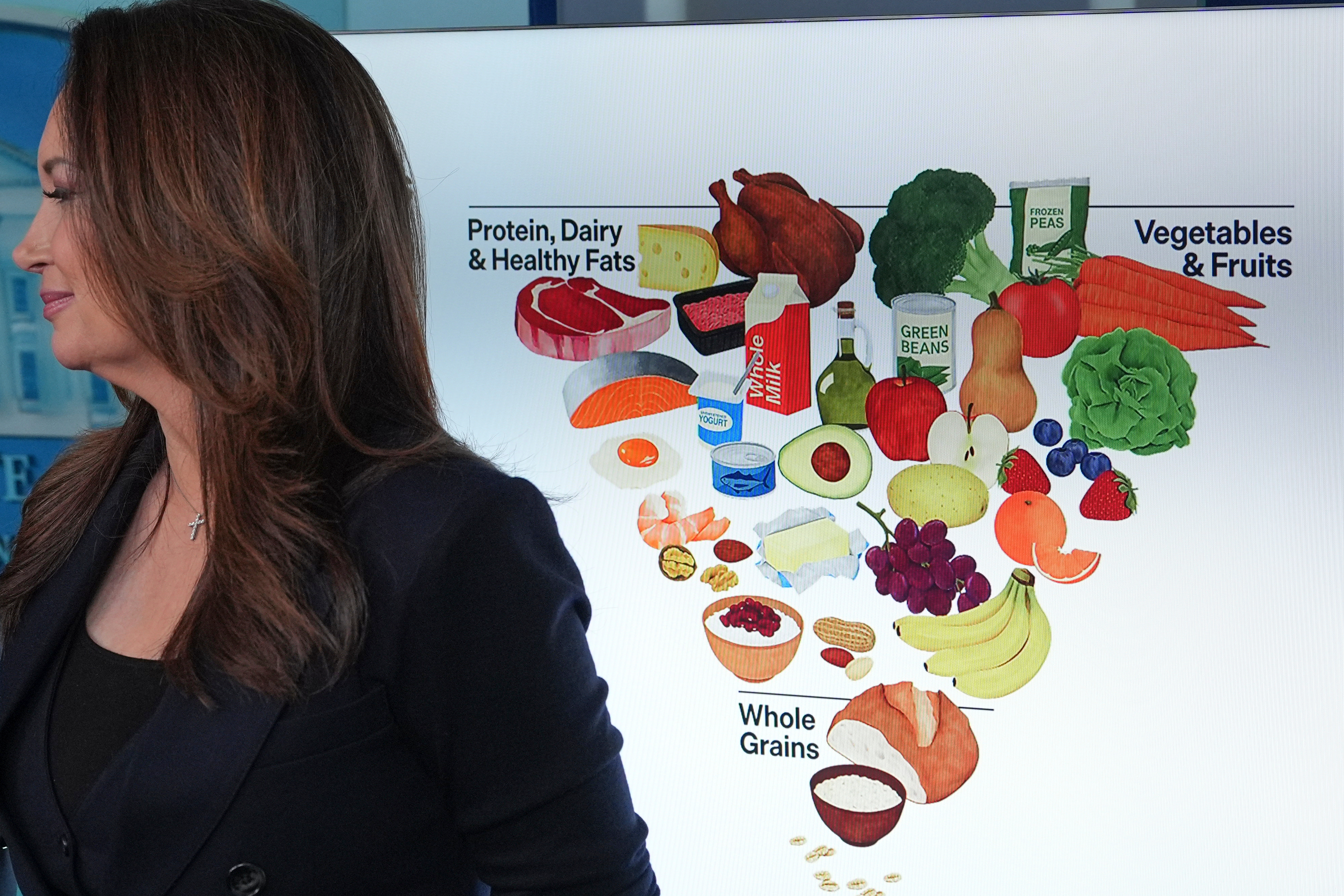
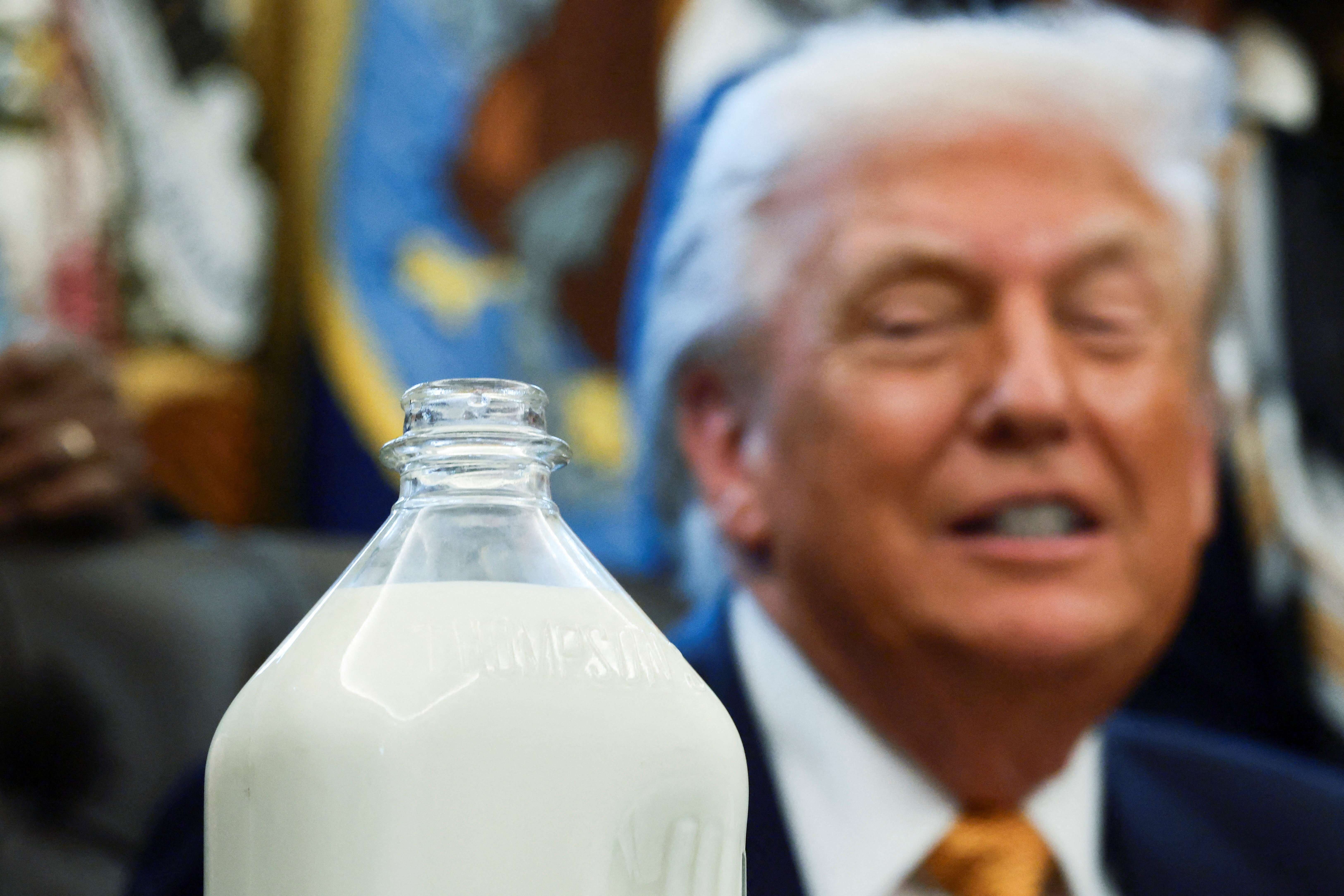
- FOOD PYRAMID: As part of the "Make America Healthy Again" movement, the Trump administration reveals new dietary guidelines that encourage greater consumption of meat and dairy.
- IRAN WARNING: Trump warns Iran that the US is "locked and loaded" should the country continue to kill antigovernment protesters, prompting Iran to threaten retaliation against US military bases in the Middle East.
- WAR POWERS RESOLUTION: Under Trump pressure, two Republicans in the Senate withdraw their support from a war powers resolution that would have forced the president to seek approval before pursuing any further military action in Venezuela.
- POWELL PROBE: Federal prosecutors open an investigation into Federal Reserve Chairman Jerome Powell over allegations he lied to Congress about renovation costs, but the probe draws bipartisan outrage.
- UN WITHDRAWAL: The Trump administration announces the US will withdraw from 66 global groups, 31 of which fall under the umbrella of the United Nations.
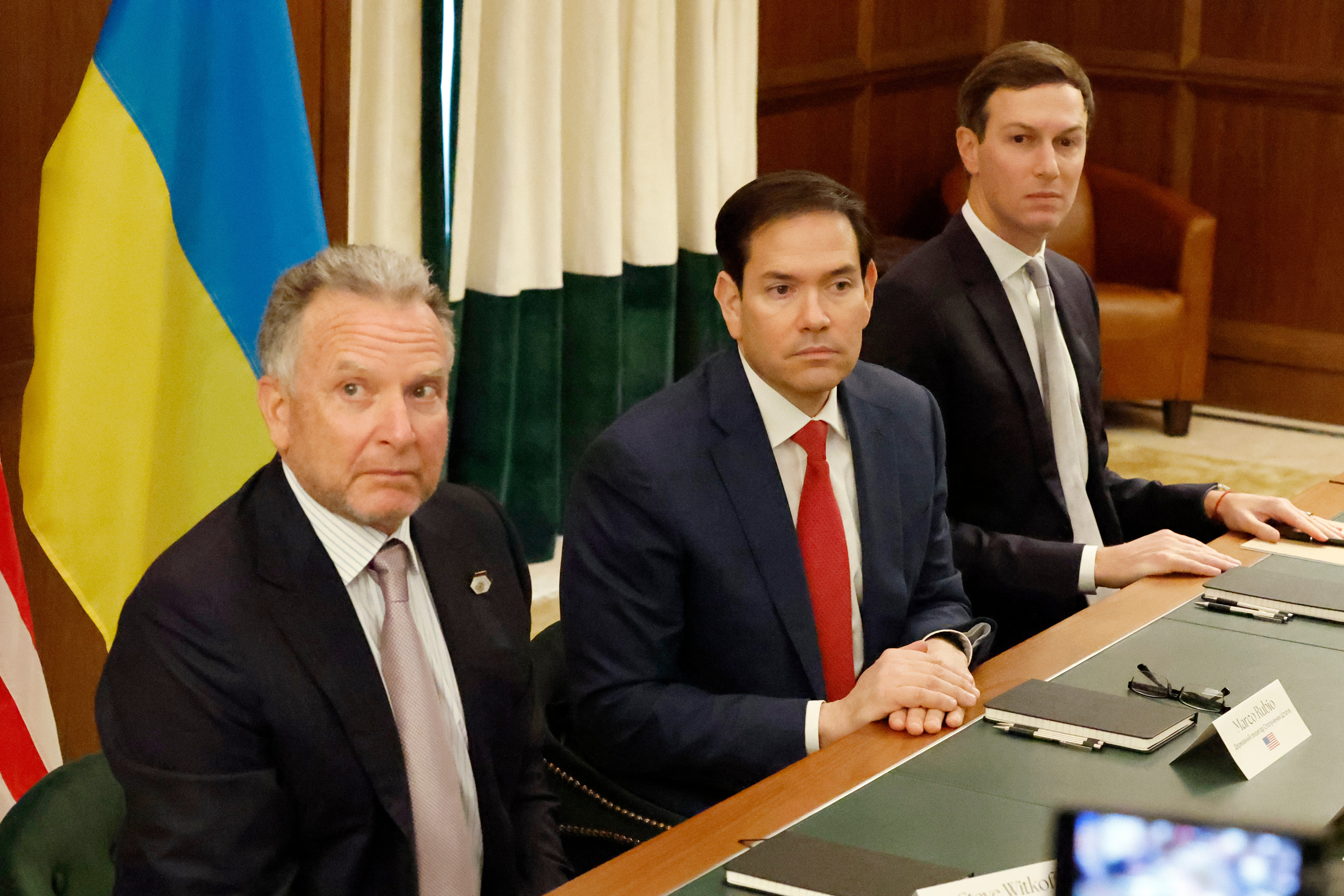
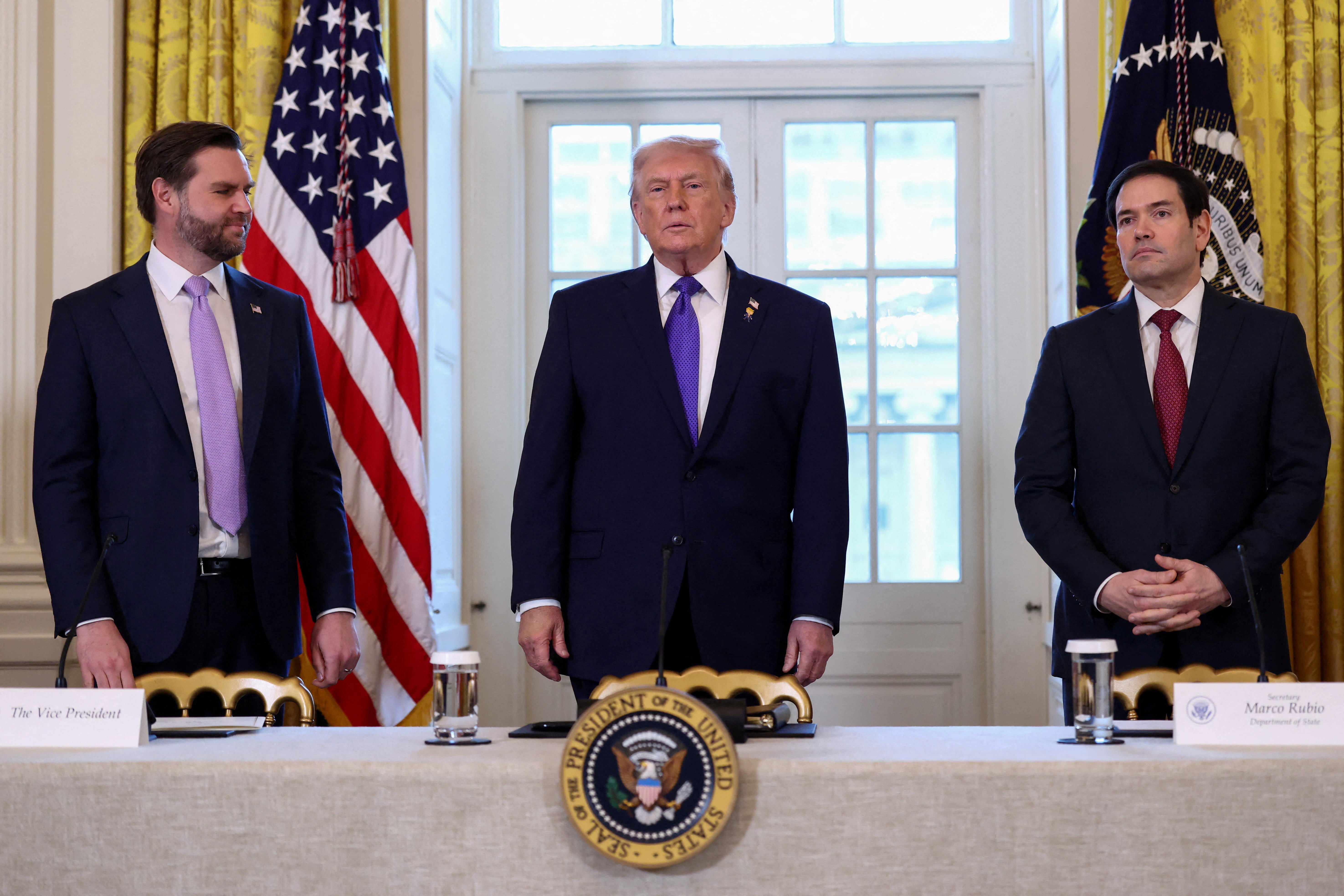
- GAZA BOARD: Trump names his son-in-law Jared Kushner, his Secretary of State Marco Rubio and his envoy Steve Witkoff to a Board of Peace tasked with overseeing the reconstruction of war-ravaged Gaza.
- VACCINES: Under Health and Human Services Secretary Robert F Kennedy Jr, the federal government announces a reduced vaccine schedule for children, with fewer routine inoculations recommended.
