Exiled Venezuelans dream of returning home. What's stopping them?
In January, the US abducted President Nicolas Maduro and removed him from power. But Venezuelans in exile say it is still too dangerous to return.
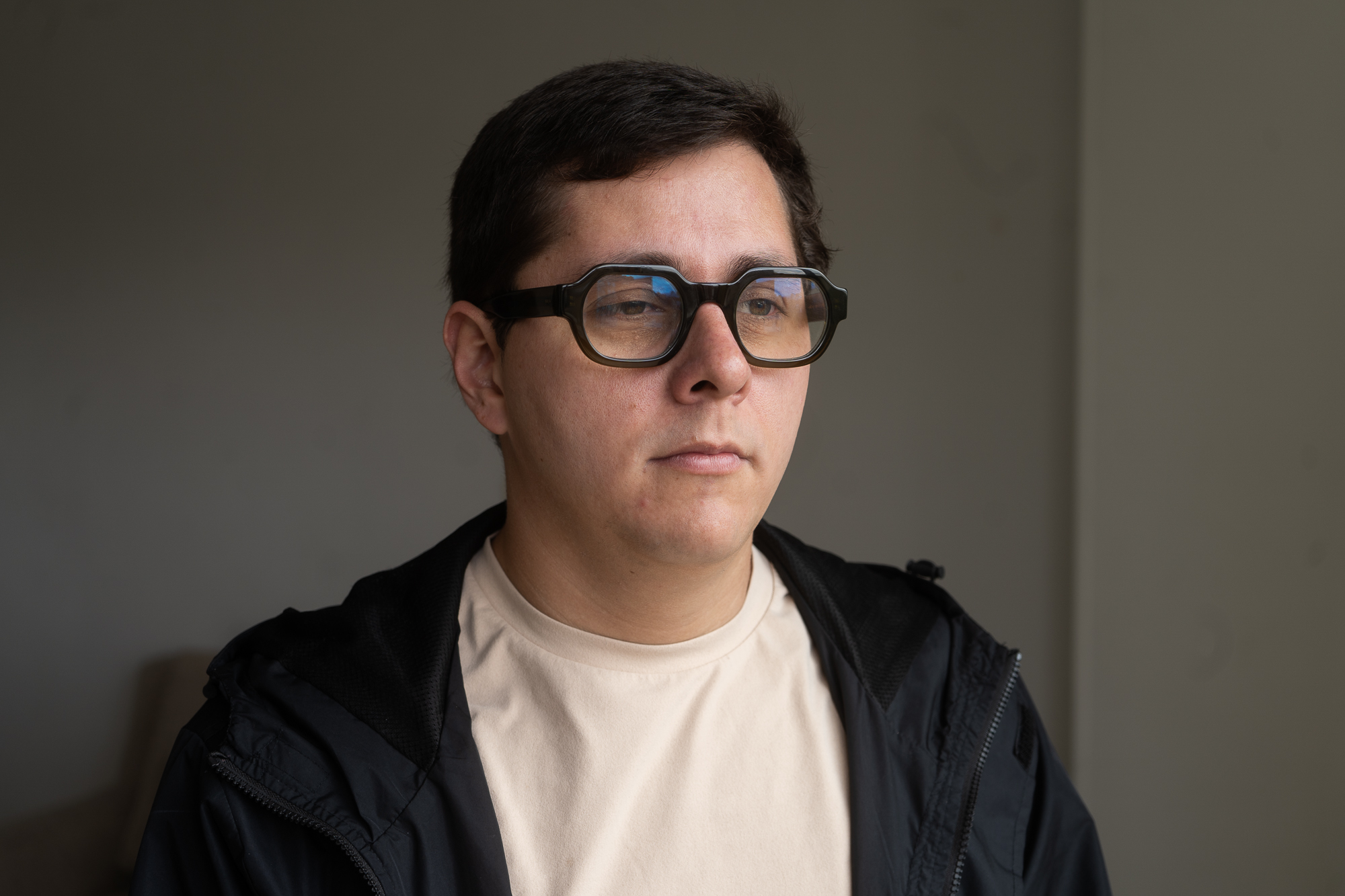

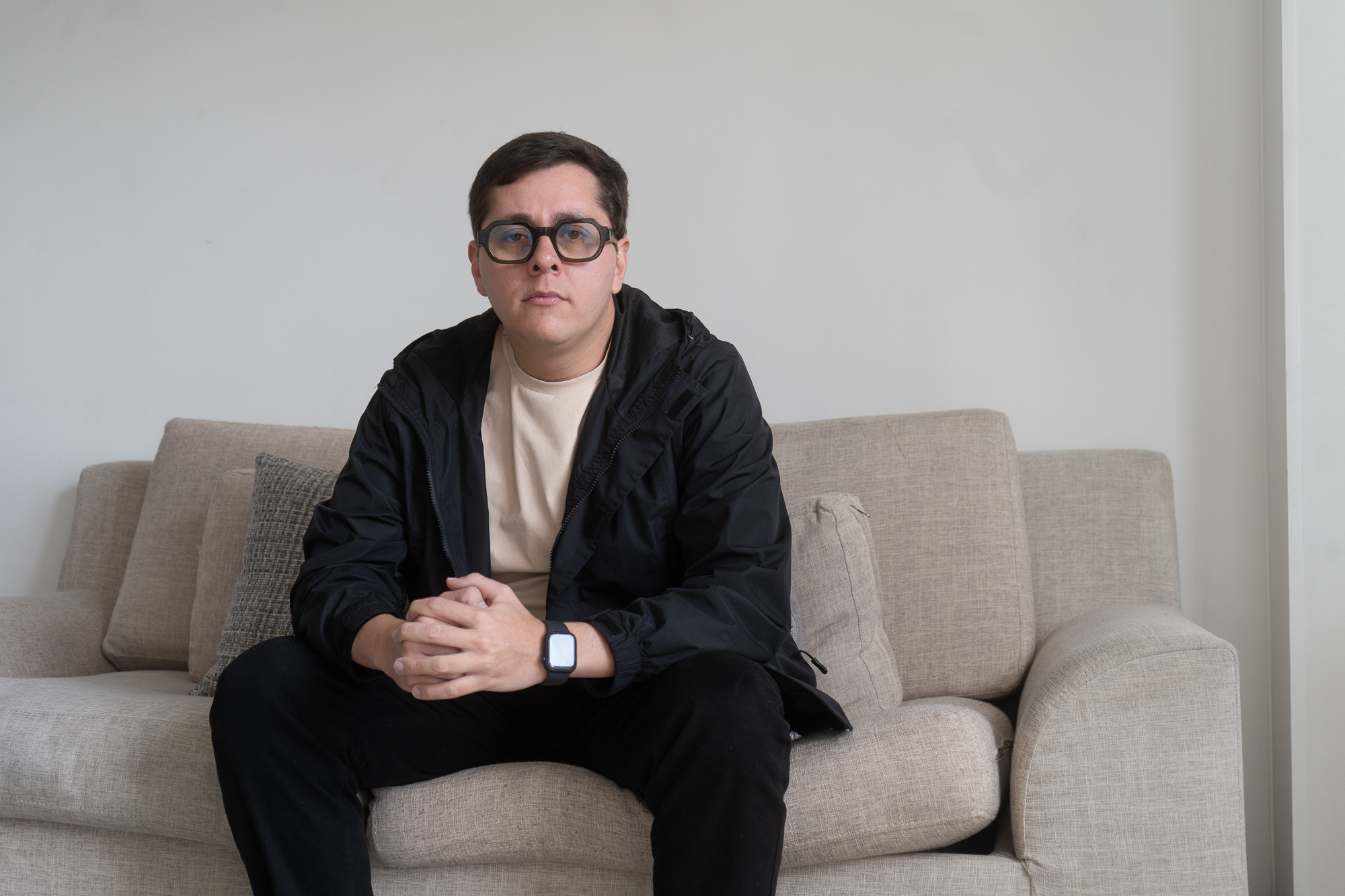
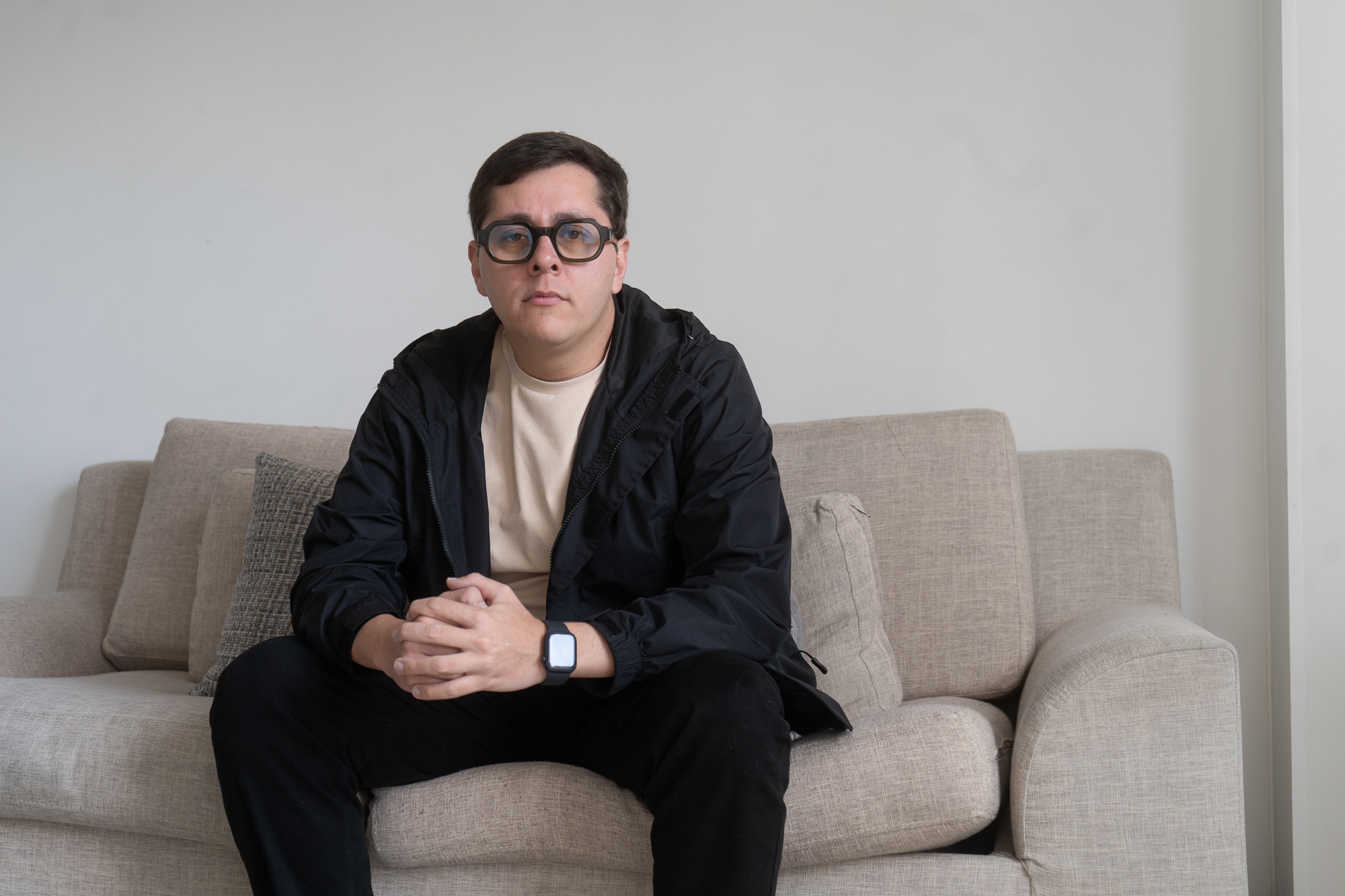
Bogota, Colombia – For years, Luis Peche, a 31-year-old political consultant, dreamed of a Venezuela without its leader, Nicolas Maduro.
Living under Maduro’s rule, Peche saw friends flee the country for fear of hunger and repression. Others were imprisoned for their activism.
Then, in May 2025, Peche himself was forced into exile after being tipped off that security forces were preparing to arrest him. He has lived in Colombia ever since.
So, when Peche awoke on January 3 to learn that Maduro was no longer in power, he erupted with joy. Tears streamed down his face as he called his mother in Caracas to celebrate.
“It represented the possibility that the terrible things we’ve lived through could finally come to an end,” Peche said from a terrace overlooking Bogota.
That possibility included the chance to return home.
For years, Venezuelans in exile have longed for Maduro’s removal, hoping it would mark the end of the economic turmoil and political violence that forced them from their homes.
But while Maduro may be gone, his government remains, along with the machinery of repression that sustained his rule.
The United States abducted Maduro to New York to face trial, but the administration of US President Donald Trump has since recognised Maduro's former vice president, Delcy Rodríguez, as Venezuela's interim leader.
Roving gangs long used to repress dissent also continue to patrol Venezuela's streets, threatening those who express sympathy for the opposition.
The situation has given exiled Venezuelans pause. Even one month after Maduro's ouster, many fear they could encounter the same violence as before, should they travel back to Venezuela.
“My concern is that there is a change with Maduro’s exit, but the regime remains,” said Peche. “My plans to return are on hold while I wait to see what happens.”
'Venezuela has a long way to go'
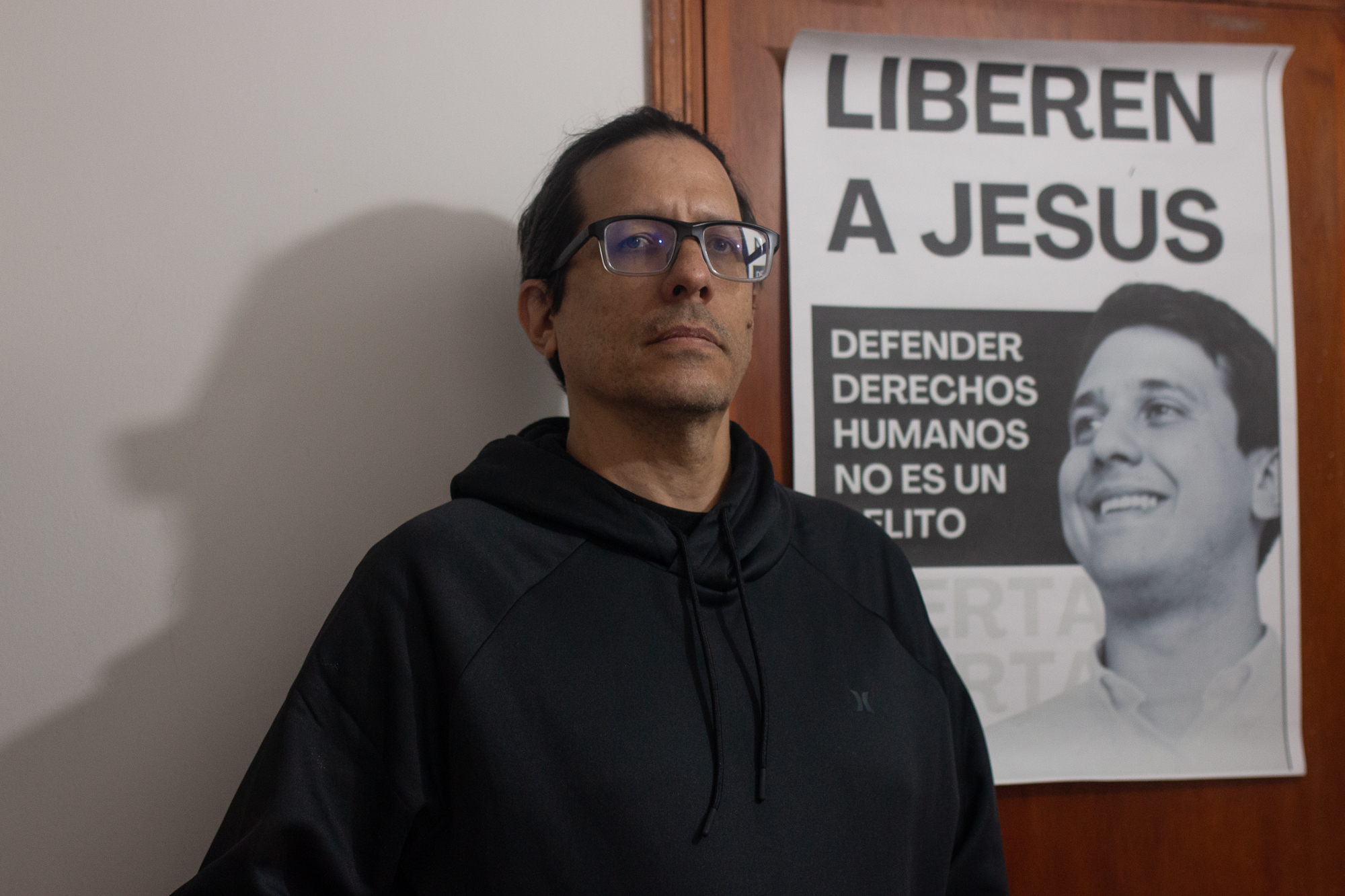
Jesus Rodriguez, a 50-year-old Venezuelan exiled in Bogotá, is among those dreaming of returning home. But he views the current government with scepticism.
“The head is gone, but the limbs remain,” he said of Maduro's government. “Venezuela still has a long way to go.”
Figures including Defence Minister Vladimir Padrino and Interior Minister Diosdado Cabello continue to hold power in Venezuela, despite having orchestrated human rights abuses under Maduro.
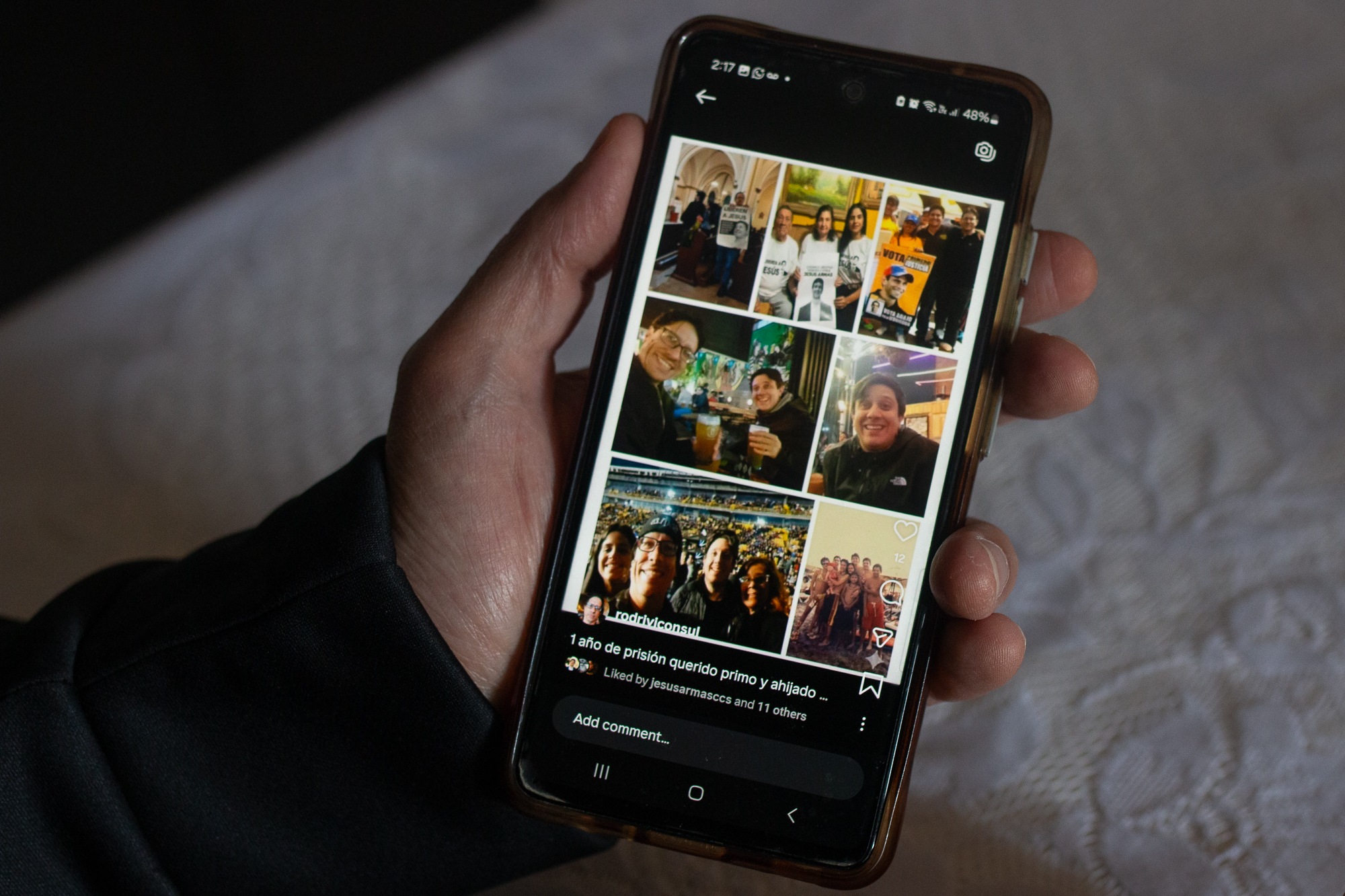
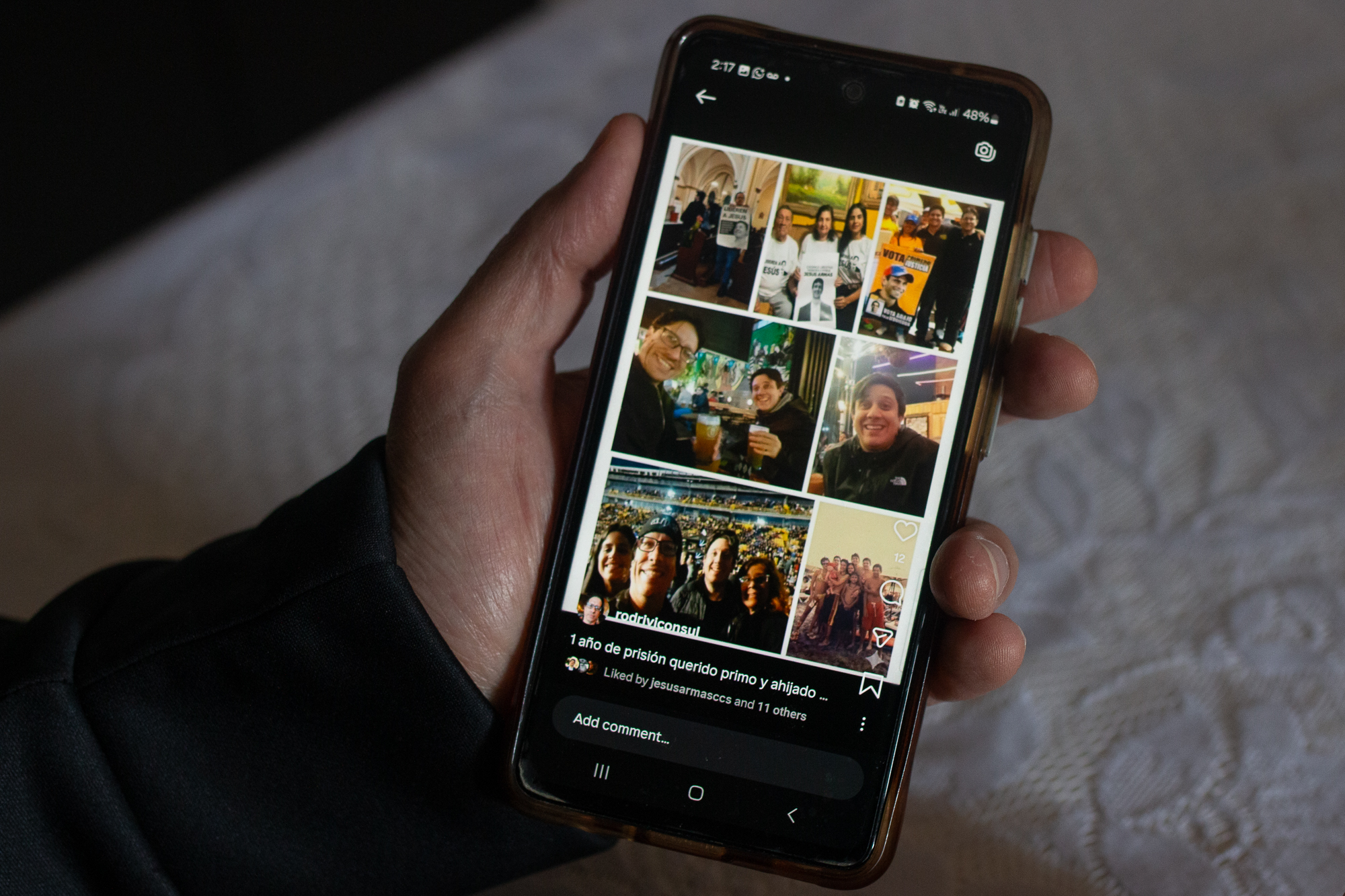
Meanwhile, Rodriguez's cousin, opposition leader Jesus Armas, remains imprisoned in El Helicoide, one of the country's most notorious prisons.
“It’s a huge injustice,” Rodriguez said of his cousin’s yearlong imprisonment.
“Jesus was supposed to be among the first released, but it was all a lie. We hope to God that he’ll be freed soon and get to see his father, who is in the hospital.”
Rodriguez added that those in power are the actual “delinquents” who belong in jail.
Venezuela's interim government has promised to free a "significant number" of political prisoners following Maduro's abduction. It has also proposed mass amnesty for the political prisoners and promised to shut down El Helicoide.
Even that pledge, however, has sparked doubt in the exile community.
According to the human rights nonprofit Foro Penal, only 344 of Venezuela's 800 political prisoners have been released in the period since Maduro's abduction, from January 8 to February 1.
And those who have been released have faced gag orders and other threats to their freedom.
Still, Rodriguez believes the US military action to remove Maduro was necessary, even if critics condemned it as a violation of international law.
Polling conducted in November showed that nearly two-thirds of the Venezuelan diaspora approved of a potential US military action to topple Maduro.
“It was necessary because there were no independent institutions or real checks on his power, and because citizens couldn’t overcome the violence he used to crush every attempt to remove him,” said Rodriguez.
'To see my country prosper'
Like many exiles, Rodriguez credits political repression with costing him nearly everything: his career, his home and his family.
Despite having a degree in accounting and legal status to work in Colombia, Rodriguez has been unable to find a job in his field since fleeing Venezuela. He now works at a call centre.
His family has been scattered across various countries, with little hope of reuniting. He has not seen his mother, who lives in Spain, in six years. And nearly a decade has passed since he last embraced his brother, who now resides in Australia.
His father, whom he had not seen in eight years, died in 2024 before they could reunite.
“It’s a pain that stays with you for life,” Rodriguez said.
Almost 8 million Venezuelans have similarly fled economic collapse and political repression, with nearly 3 million settling in Colombia, according to the United Nations Refugee Agency.
For Rodriguez, the tipping point came in 2017. That year, the government-aligned Supreme Tribunal of Justice dissolved the opposition-controlled National Assembly.
It then absorbed the Assembly's powers, only to establish a new legislature several months later that was stacked with Maduro supporters.
Rodriguez was among the tens of thousands who flooded the streets of Caracas in protest. He still remembers the outrage he felt.
“I was born in a Venezuela that had everything,” Rodriguez said. “But over time, life got harder. Prices spiralled out of control, basic goods became scarce, and even using public transportation to get to work became a struggle.”
But the Maduro government responded to protesters like Rodriguez with a brutal crackdown. Thousands of people were arrested, and an estimated 124 people were killed, according to the UN Commissioner for Human Rights.
Within months, Rodriguez learned that security forces had identified him as one of the protesters. He fled to Colombia with his wife and two kids in 2018.
Returning to Venezuela, though, has always been a priority.
“I would love to see my country prosper again. And if the opportunity arises, I would go there to do something to help rebuild the country,” he said from his home in Bogotá.
The 'test' of a new country
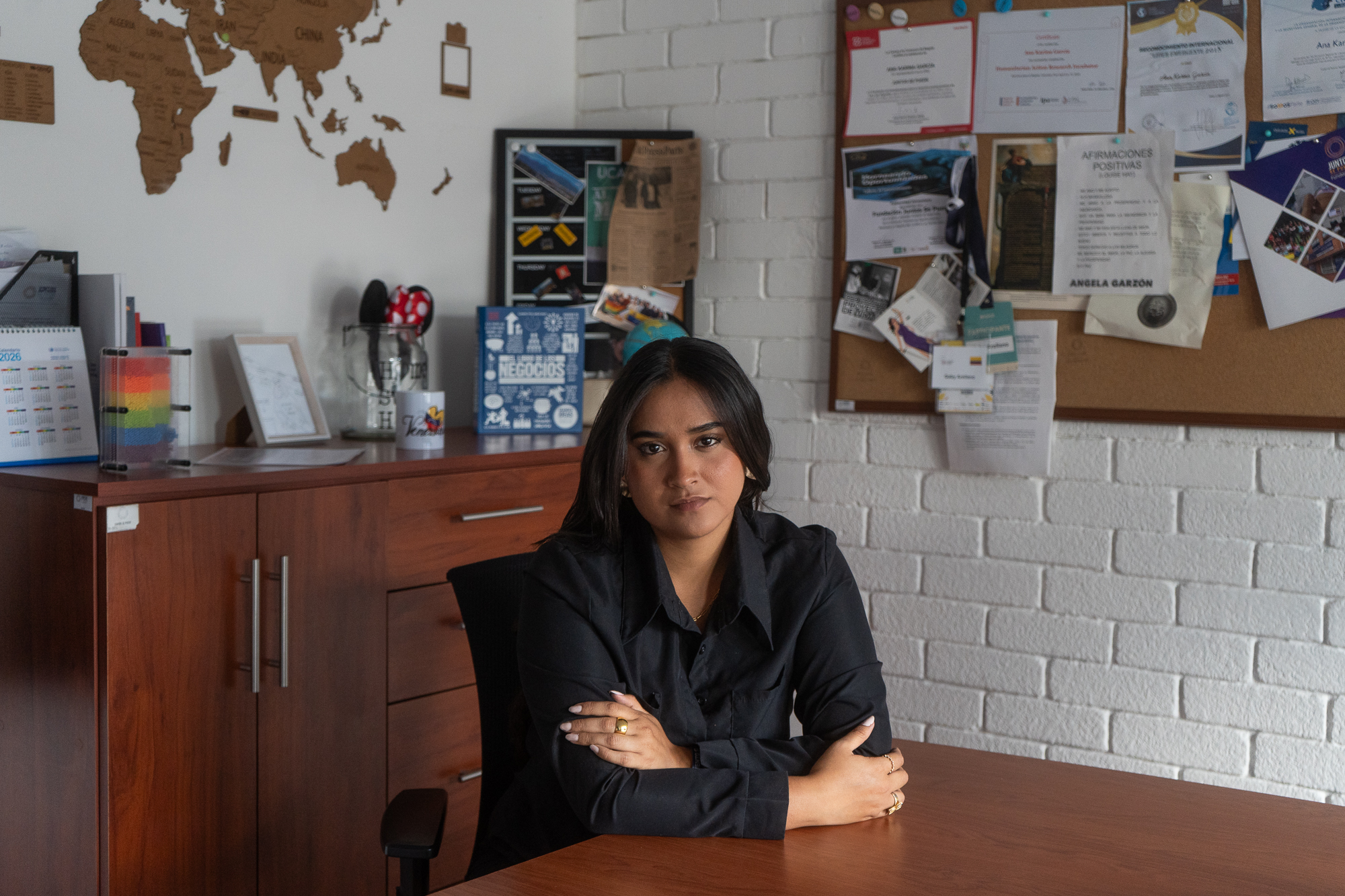
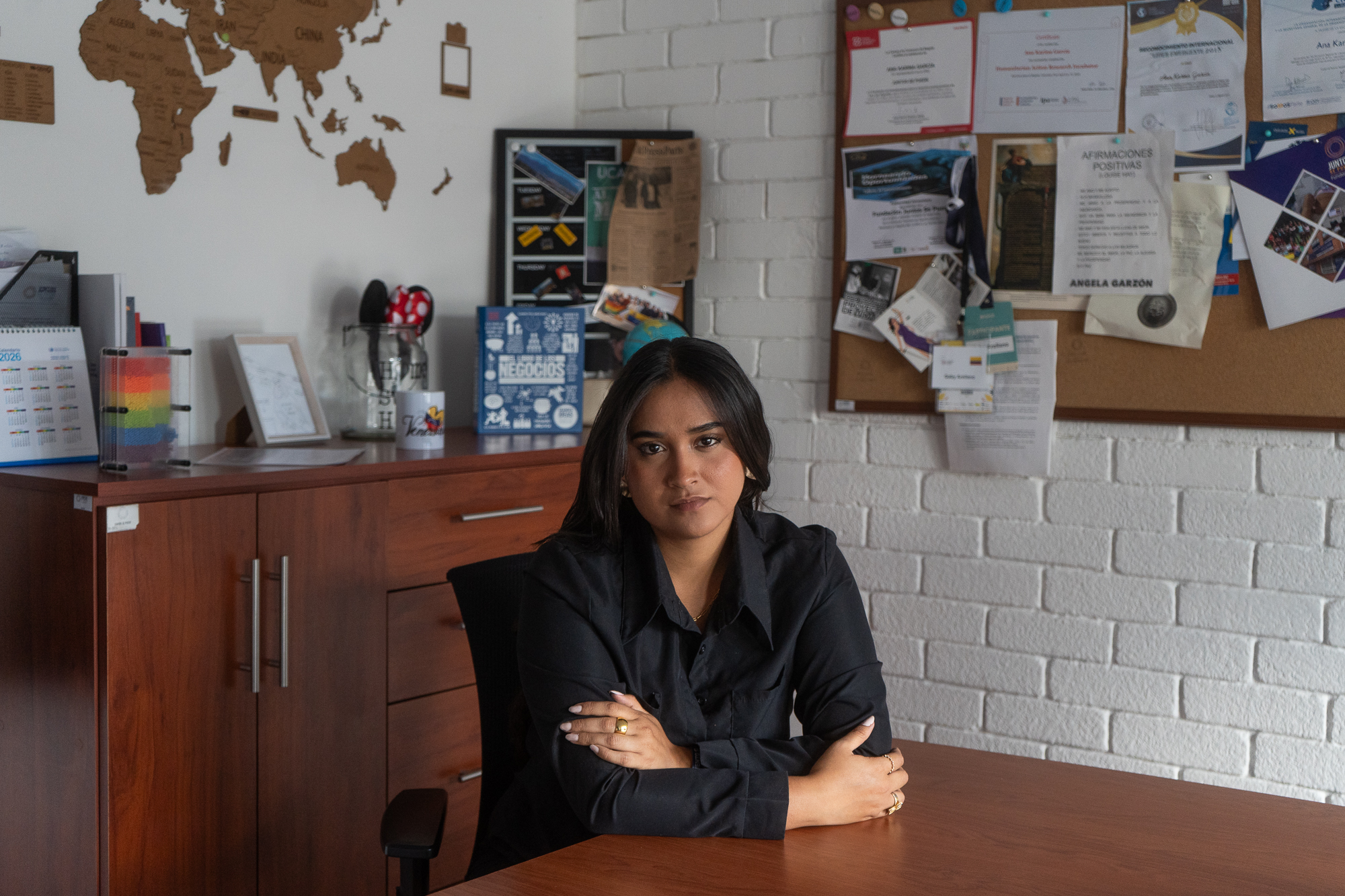
This longing is shared by Angelica Angel, a 24-year-old student activist in exile.
She had grown up with tear gas and police beatings in Venezuela. After all, she had started protesting at age 15.
“They’ve pointed their guns at me, beaten me and almost arrested me. That’s when you realise that these people have no limits: They target the elderly, women and even young girls,” Angel said.
But the increasing political repression ultimately made her life in Merida, a college town in western Venezuela, untenable.
After 2024's disputed presidential election, Angel decided to voice her outrage on social media.
Maduro had claimed a third term in office, despite evidence that he had lost in a landslide. The opposition coalition obtained copies of more than 80 percent of the country's voter tallies, showing that its candidate, Edmundo Gonzalez, had won the race.
Protests again broke out, and again, Maduro's government responded with force.
Military and security officers detained nearly 2,000 people, including opposition leaders, journalists and human rights lawyers.
When Angel denounced the arbitrary detentions on TikTok, she began receiving daily threats.
By day, anonymous phone calls warned her of her impending arrest. By night, she heard pro-government gangs on motorcycles circling her home.
Fearing detention, she fled to Colombia in August 2024, leaving her family and friends behind.
But living outside Venezuela gave her a new perspective. She came to realise that the threats, persecution and violence she had learned to live with were not normal in a democratic country.
“When you leave, you realise that it isn’t normal to be afraid of the police, of unknown phone calls,” said Angel, her voice trembling. “I’m afraid to go back to my country and to be in that reality again.”
For exiled Venezuelans to return safely, Angel believes certain benchmarks must be met. The interim government must end arbitrary detention and allow opposition members, many of whom fled Venezuela, to return.
Only then, she explained, will Venezuela have moved past Maduro's legacy.
“Exiles being able to return is a real test of whether a new country is taking shape,” she said.
'To have a normal country'
For now, most exiles are still unable to enter Venezuela without risking arrest.
They include opposition leader María Corina Machado and Gonzalez, the 2024 presidential candidate, both of whom remain abroad.
But when the moment comes, Peche, the political analyst, said he will go back.
Peche served as an adviser to the Gonzalez campaign, and he described the threats of arrest as an attempt to stifle the opposition.
“It was an effort by the regime to silence any voice that could challenge their power,” he said.
Still, he hopes to see a new Venezuela in the not-too-distant future, one that has shed its record of repression.
Next to Peche's desk in Bogota sits a photograph of him with friends in Caracas, one of the few images where they are all together. He dreams of reuniting with them, along with his mother and his three dogs, who remain in Venezuela.
“In the end, what many of us want is simple: to have a normal country where we can live, work and have a future,” said Peche.
