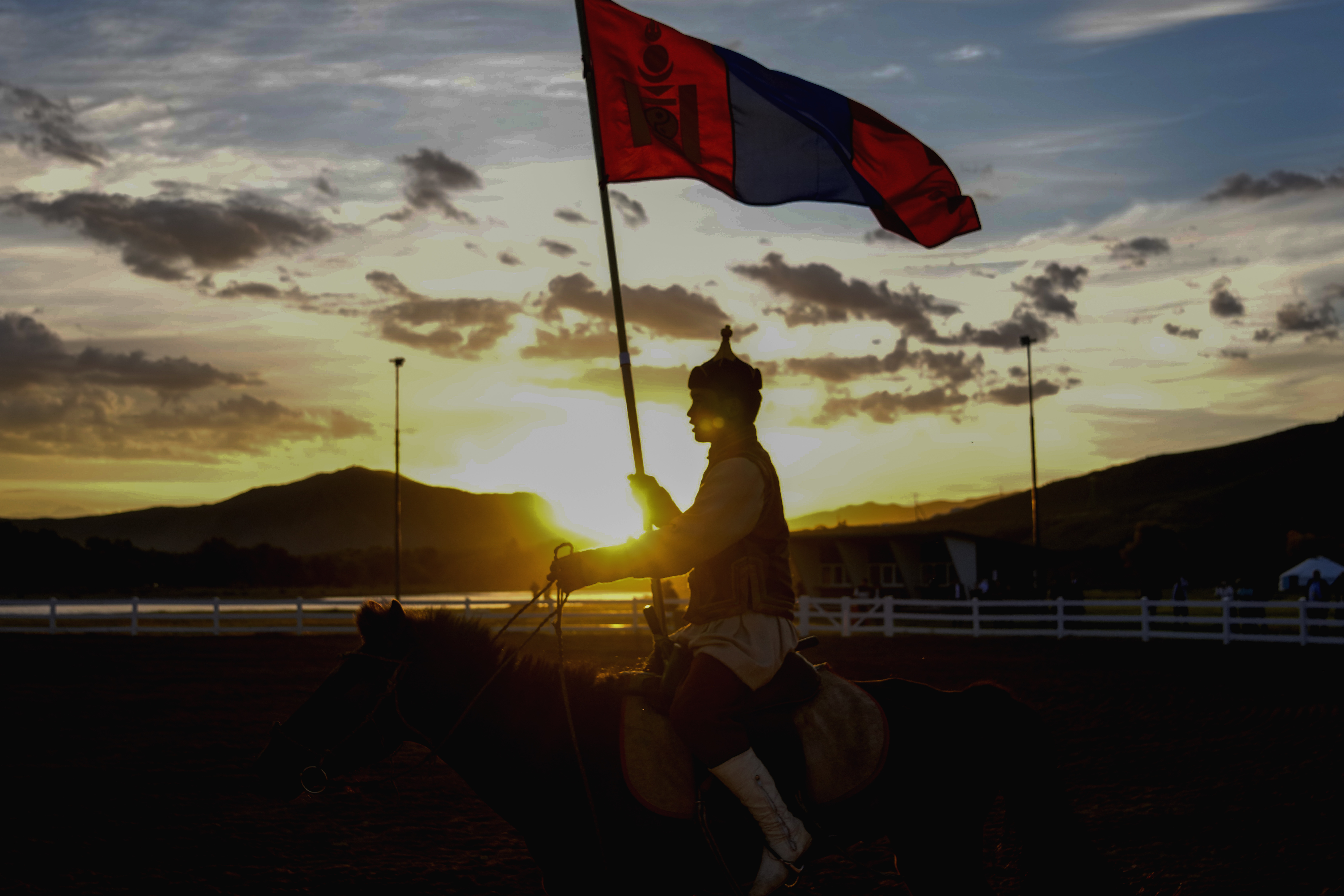
Mongolia's Love Affair with Horses
The nation’s close relationship with these extraordinary animals helped shape a civilisation. Now Mongolia’s bond with horses is helping to preserve species and to promote animal welfare
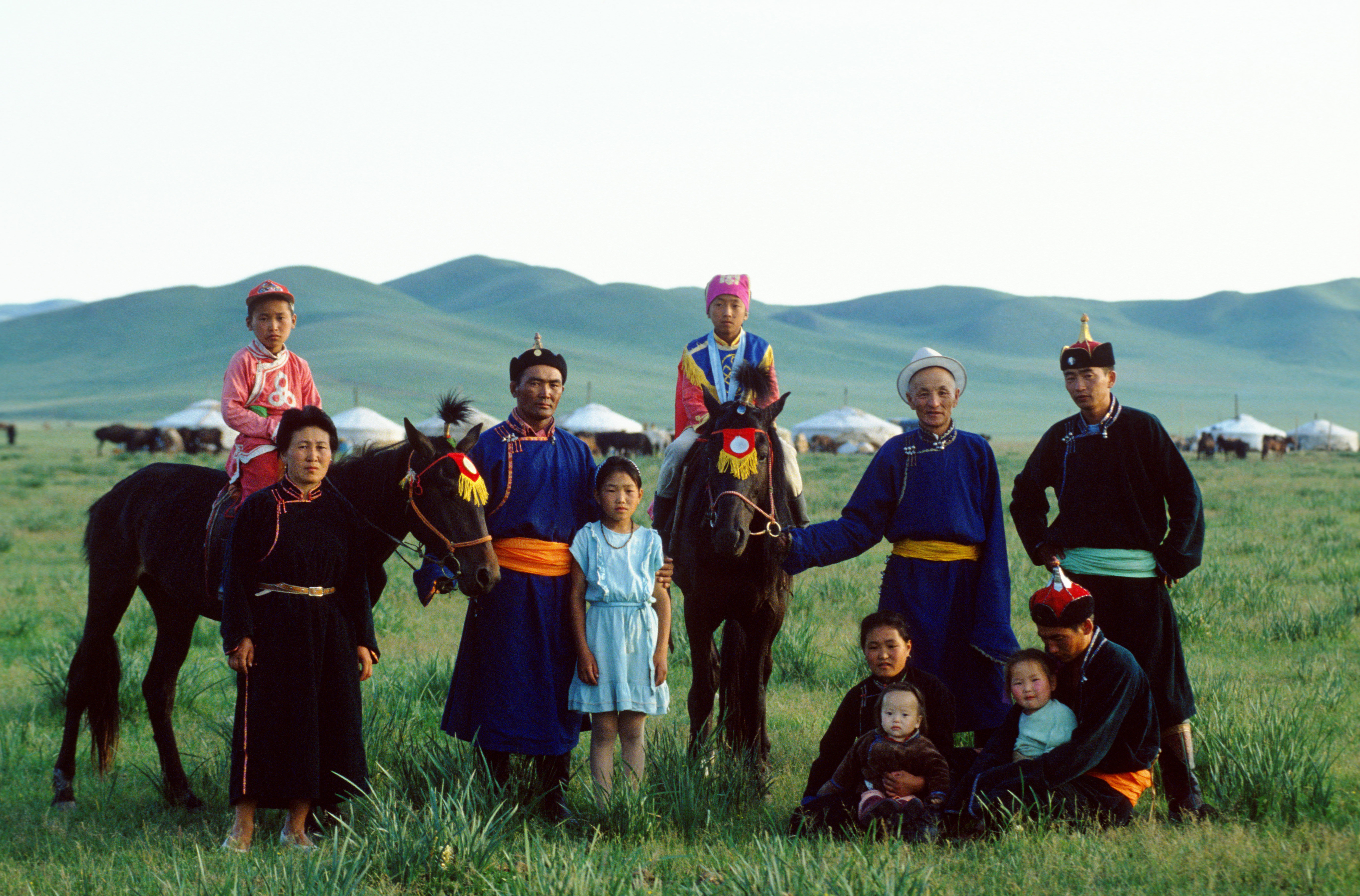
The bond between Mongolians and their horses runs very, very, deep. So deep that it’s difficult to imagine life in Mongolia without horses. Children learn to ride almost as soon as they learn to walk. From the age of five they can be competing in serious races which take place over 10s of kilometers.
Across the Mongolian steppes there are as many as five million horses - vastly outnumbering the country’s population, which stand at little over 3.5 million people. They’re ridden for recreation, for hunting, for herding, for racing, for transport and, in times past, for fighting. Without horses the military genius of Genghis Khan would never have been recognised - the Mongolian empire would never have existed. Think Mongolia, and you think horses. It’s that important to Mongolian culture.
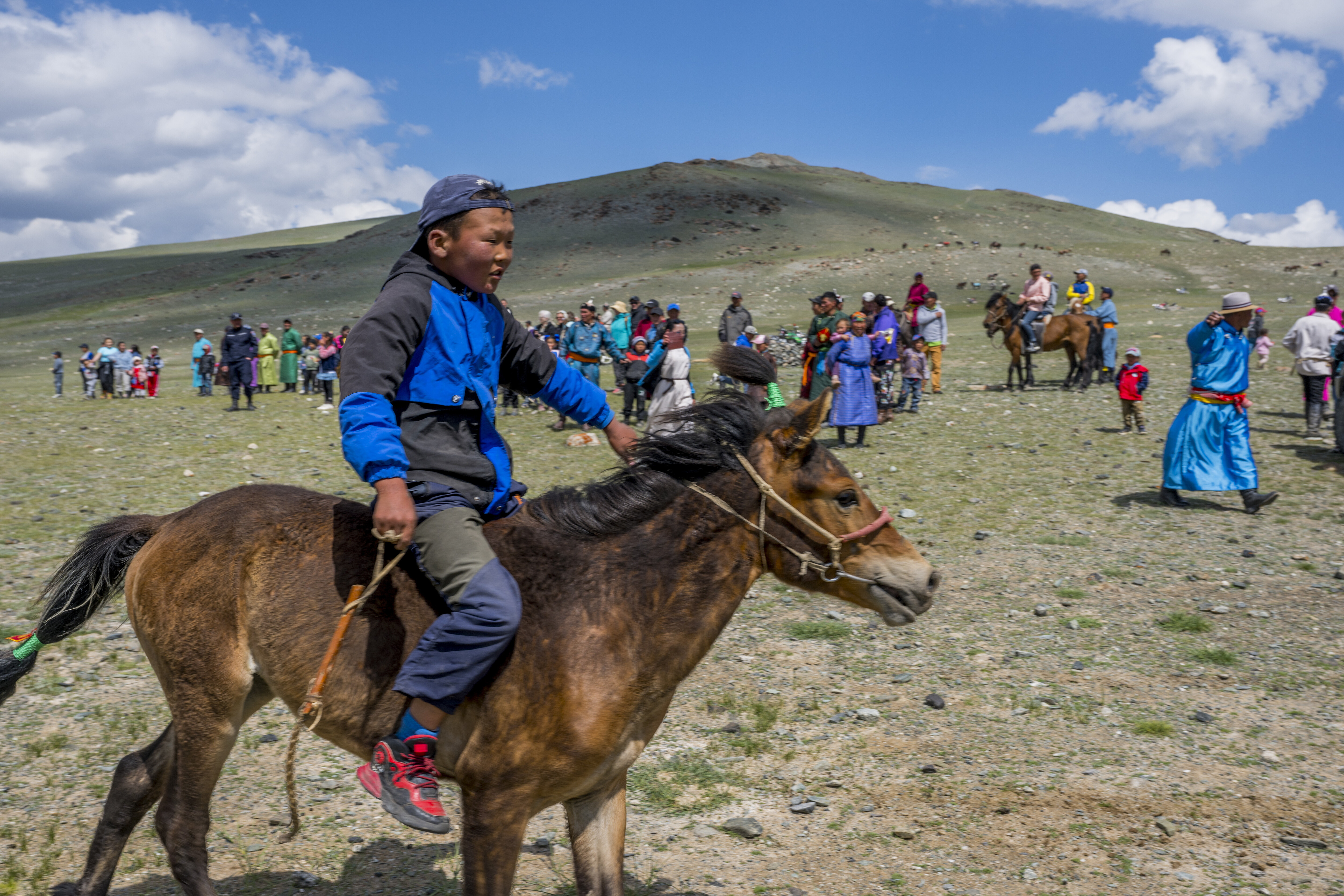
Little wonder, then, that Mongolia has forged the very closest links with a new and growing tradition in the United Nations - that of celebrating World Horse Day. In fact it was fostered by Mongolia’s president, Khürelsükh Ukhnaa. He drafted the resolution last June. His message was simple: “World Horse Day will serve as a platform to highlight the immense role and contribution of horses to humanity's past and present, to support concrete activities promoting horses and horse husbandry in sustainable agricultural development, and to call for the protection of equestrian heritage, pastures and nomadic livelihoods."
And the Mongolian president has a point. There are more than 57 million working and riding horses in the world today, and they perform an outsized role in regions with extreme climates, the world’s vast open spaces; places like Mongolia. He also wanted to address the issue of exporting live horses.
Other countries with significant horse populations include China, Mexico, Brazil, Argentina, and the United States. But numbers are falling - due in part to mechanisation in Agriculture. The drive is now on to gather more data to discover which breeds are at risk - or even already extinct.
As part of that drive to concentrate all our minds on the plight of horses the first World Horse Day took place on July 11, 2025. The second takes place this weekend.
Needless to say, Mongolia will celebrate in style. It coincides with the national Naadam festival, which celebrates the skills of riding, as well as wrestling and archery. It includes the Genghis Khan World Derby - an International long-distance horse race inspired by 13th-century couriers. Endurance and tactics are pushed to the limit in this ultimate test of horsemanship. There will also be events for recreational riders and the World Horse Forum, where delegates from around the world will discuss equestrian sports, tourism, culture, innovation, investment, and policy. And Al Jazeera will be following every step of the way - on its dot-com and social media platforms.
Bringing the welfare of horses to the international stage will have pleased no-one more than Naranbadrakh “Narra” Batkhuu. He can be considered among the founding fathers of World Horse Day. Narra gained attention in his native Mongolia by rescuing and rehabilitating neglected horses, and sharing the way they can transform people’s lives. He believes that horses embody healing, heritage, and peace.
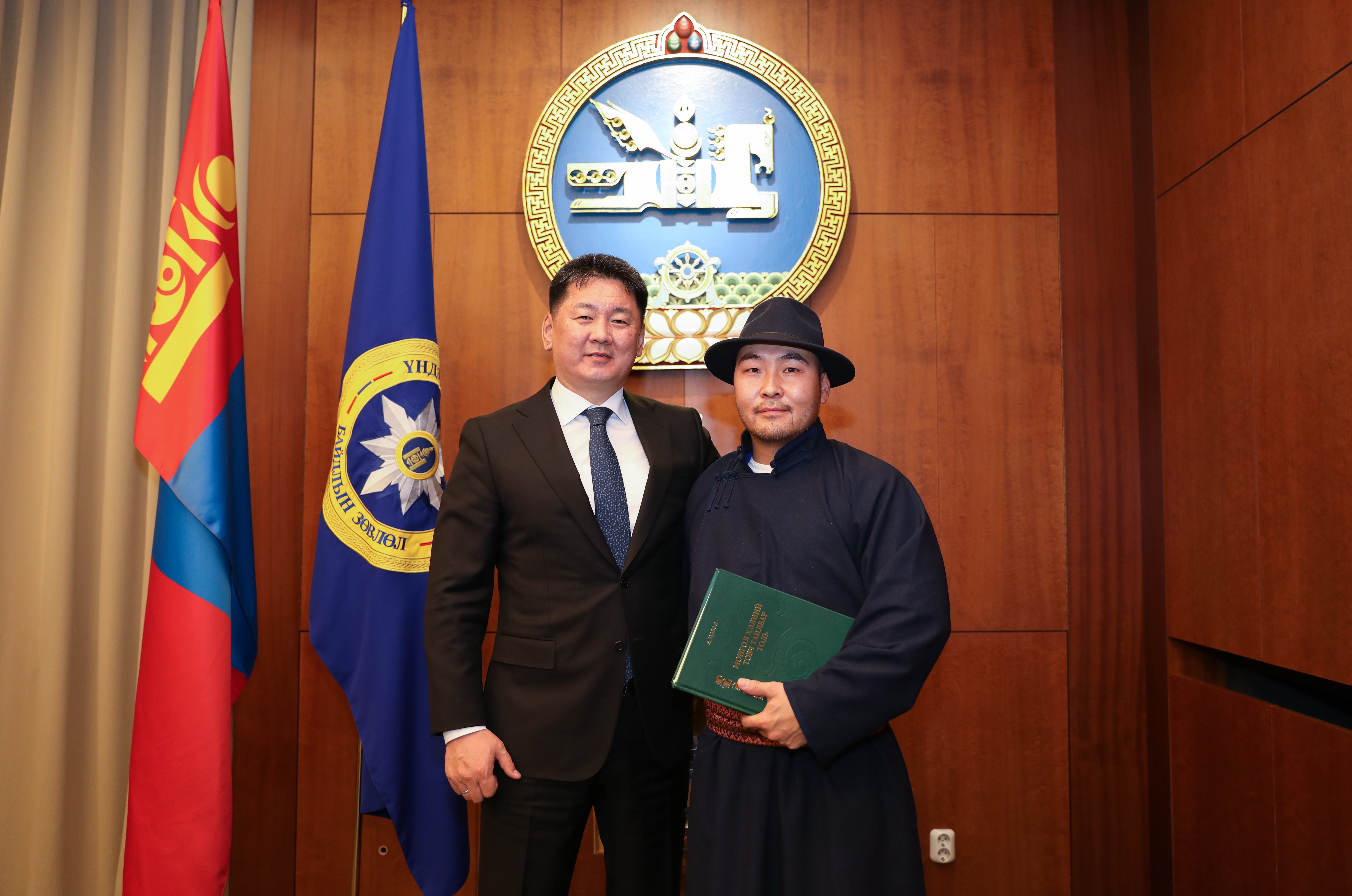
Small beginnings can lead to world-altering outcomes. Narra’s work has gained the support of 56 countries — including Austria, Bahrain, Brazil, the Republic of Korea, the People's Republic of China, Venezuela, Qatar, Lesotho, Morocco, Russia, Portugal, Germany, Thailand, Türkiye, Japan, Kyrgyzstan, Kazakhstan, Turkmenistan, Uzbekistan and Tajikistan.
A cultural phenomenon which propelled Mongolia on to the international stage at a time when travelers like Marco Polo marvelled at the court of Kublai Khan is now being reshaped to embrace a very 21st century sentiment - to provide a global voice for horses.