Mapping Iran war’s strikes on Gulf energy and its impact on future of oil
US energy companies have reaped billions from rising oil price, but their assets in the region remain at risk.
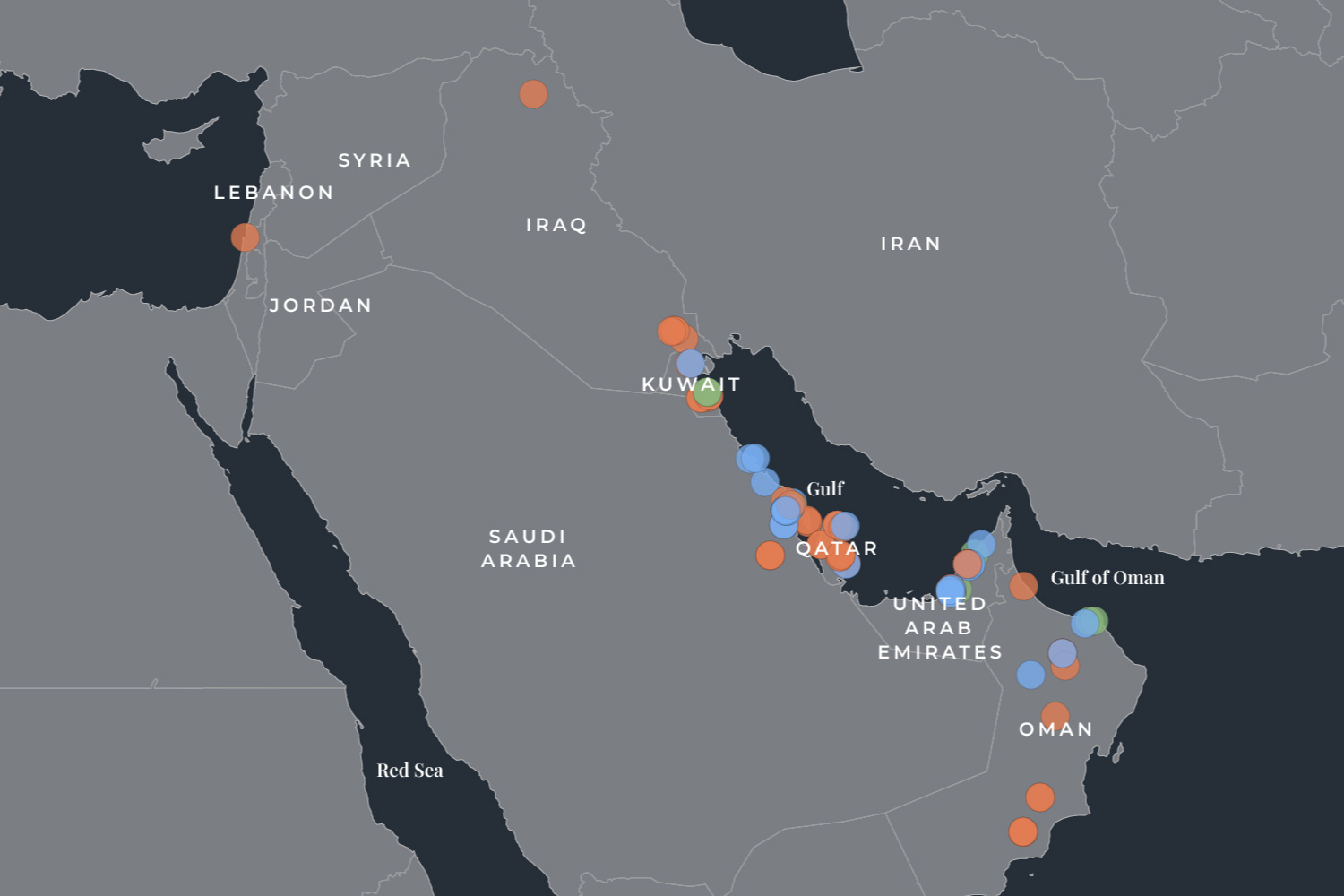
US energy companies have reaped billions from rising oil price, but their assets in the region remain at risk.
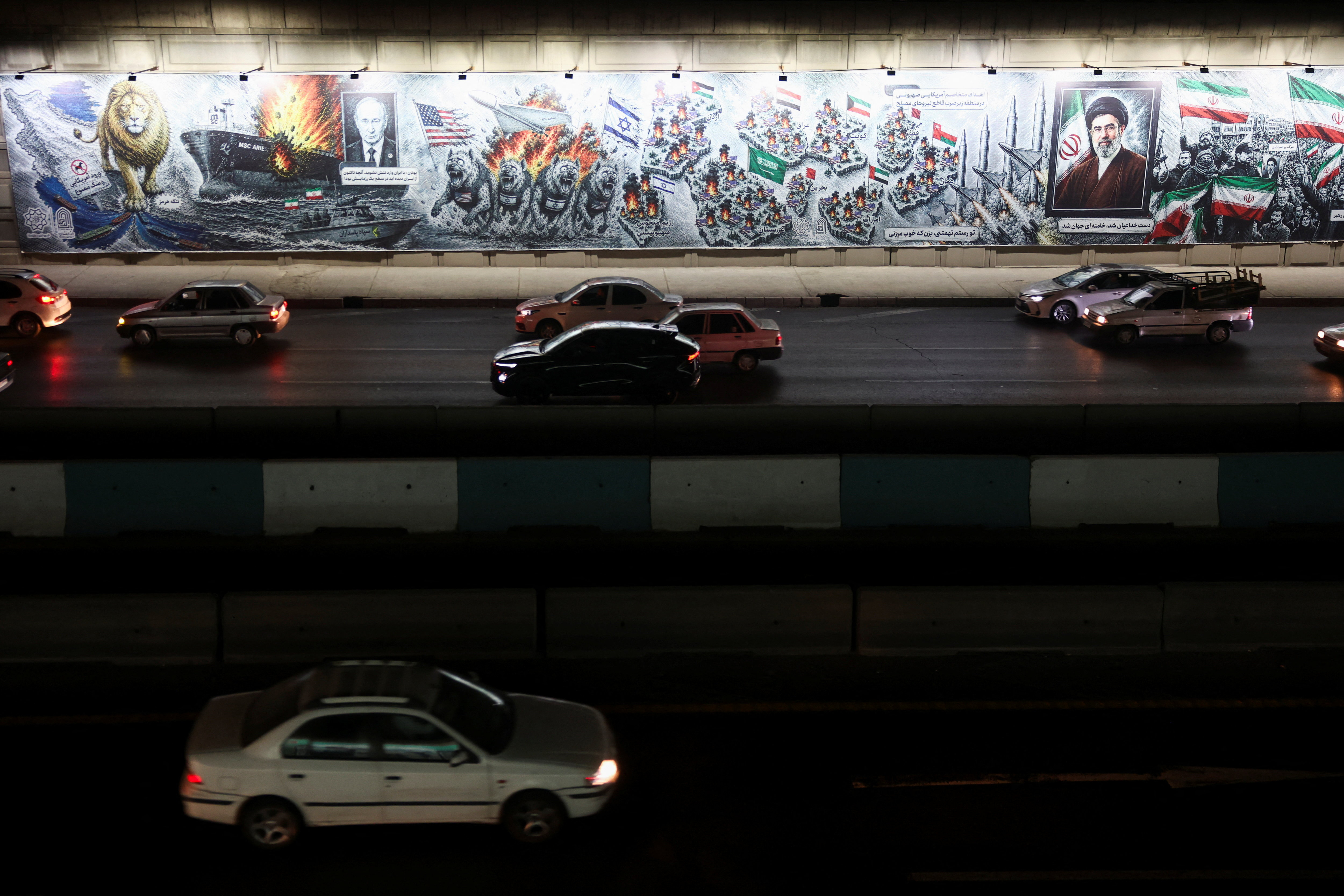
![This screen grab taken from video footage released on July 20, 2026 by Iran's Revolutionary Guards (IRGC)'s Sepah News shows what they say a missile being launched from an undisclosed location towards US targets in the Gulf. Iran targeted US radar and air defence installations in the Gulf on July 21, warning Washington of "more decisive and powerful" attacks to come as the conflict threatened to widen with a blockade of Saudi ports by Houthi rebels in Yemen [File: AFP]](/wp-content/uploads/2026/07/AFP__20260721__C2QD8WF__v1__HighRes__IranUsIsraelWar-1-1784626905.jpg?resize=770%2C513&quality=80)
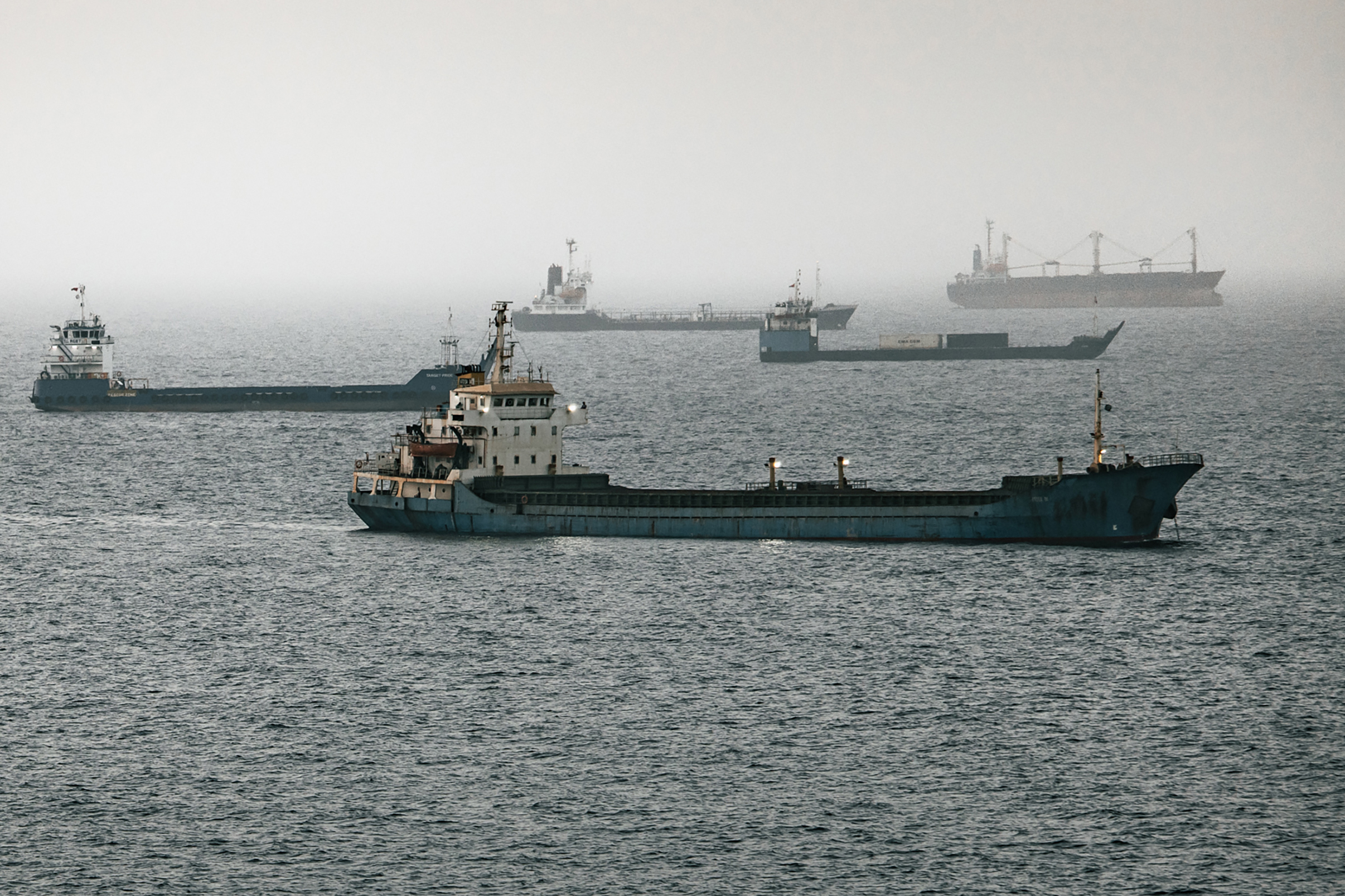
![Vessels in the Strait of Hormuz are visible near the beach of Bandar Abbas, Iran, August 28, 2026. [Majid Asgaripour/WANA via Reuters]](/wp-content/uploads/2026/08/2026-08-28T125017Z_430861520_RC2I7NAOVQB7_RTRMADP_3_IRAN-CRISIS-HORMUZ-1787952814.jpg?resize=770%2C513&quality=80)
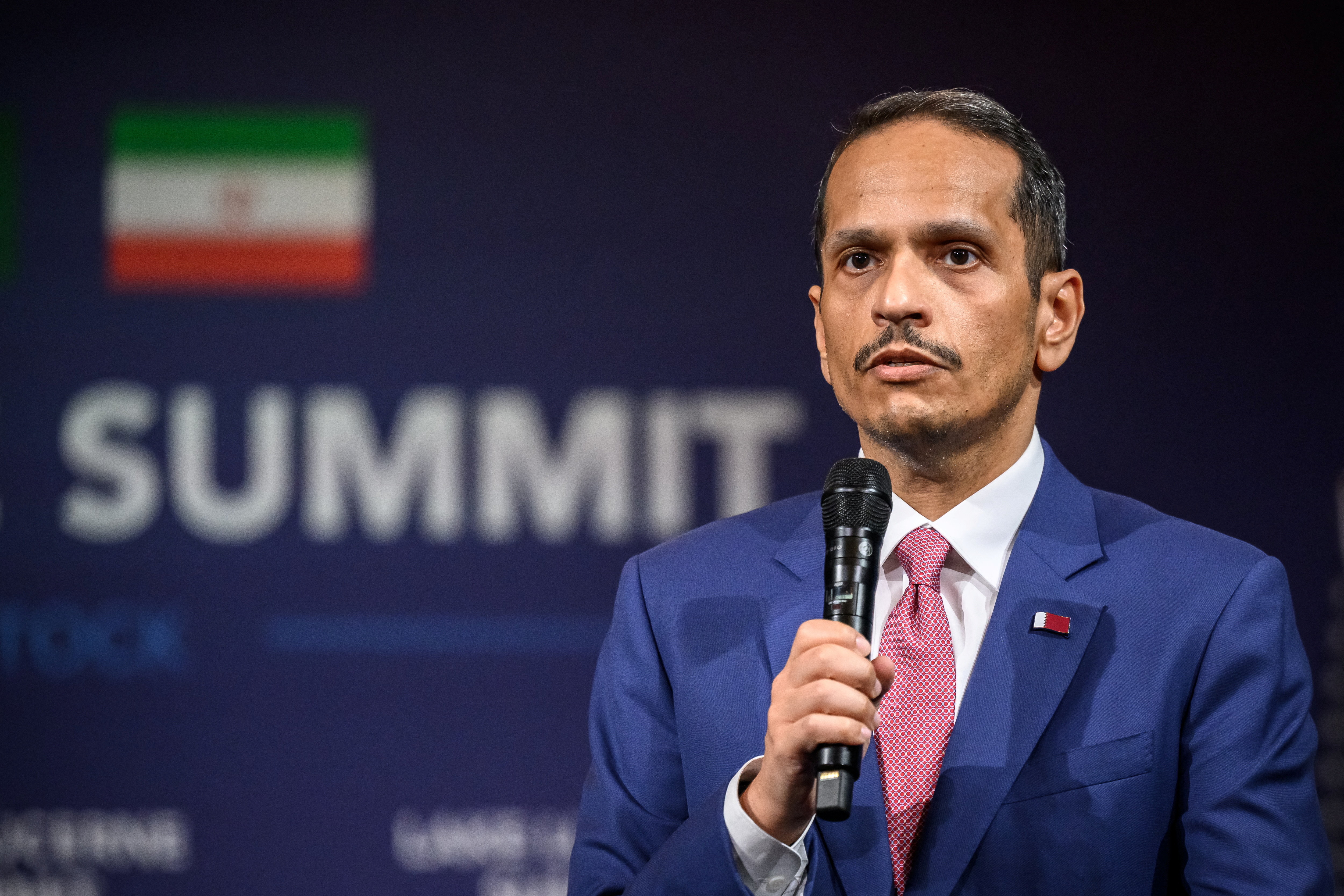
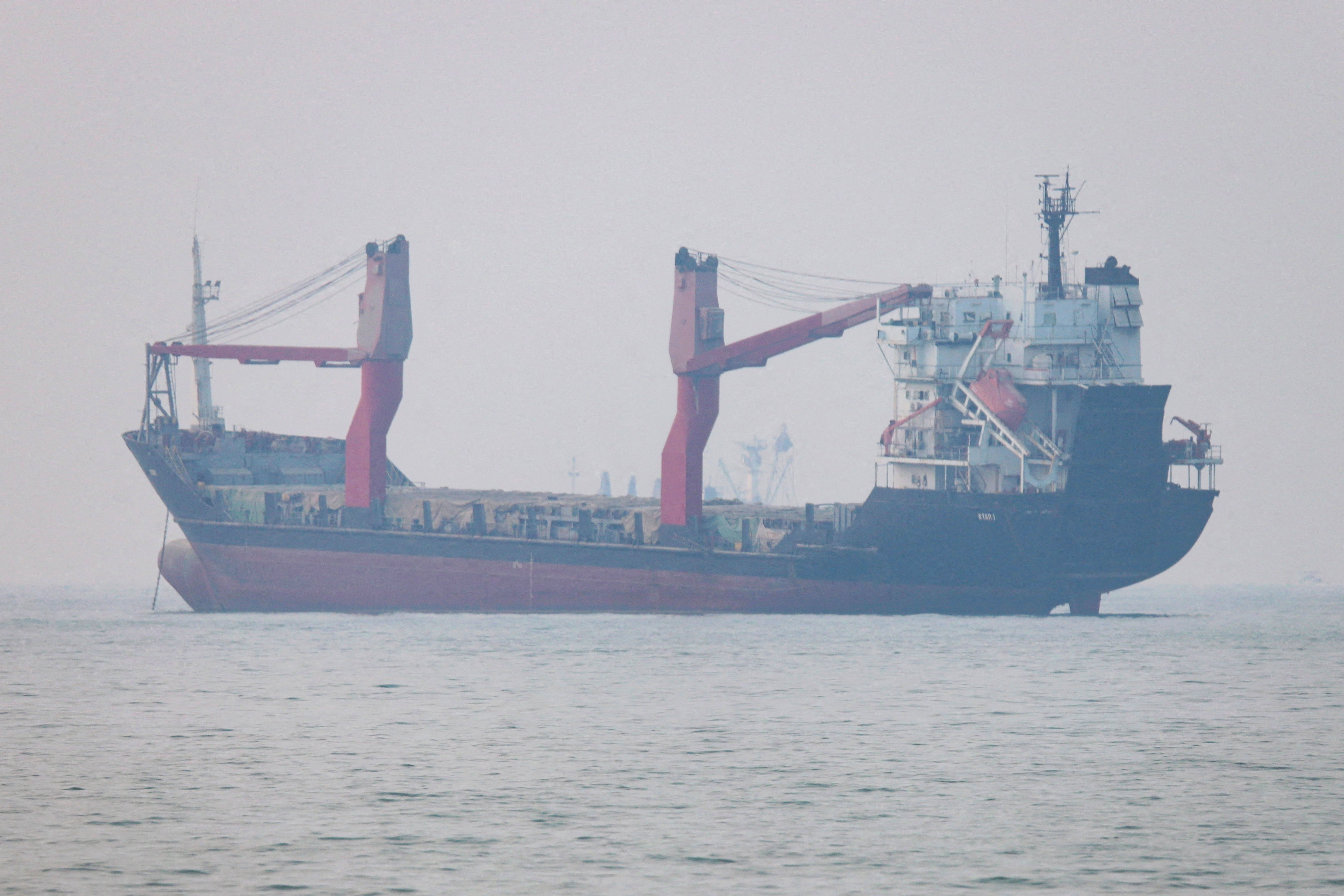
Analysts say mine clearance alone is unlikely to make shipping ‘safe’ in the Strait of Hormuz.
Iran’s deputy foreign minister announced a temporary shipping corridor in the Strait of Hormuz.
Deputy foreign minster says the route’s entry as well as part of the exit would run through Iranian territorial waters.
As Washington pressures Tehran, Gulf states weigh sanctions against the risk of escalation.
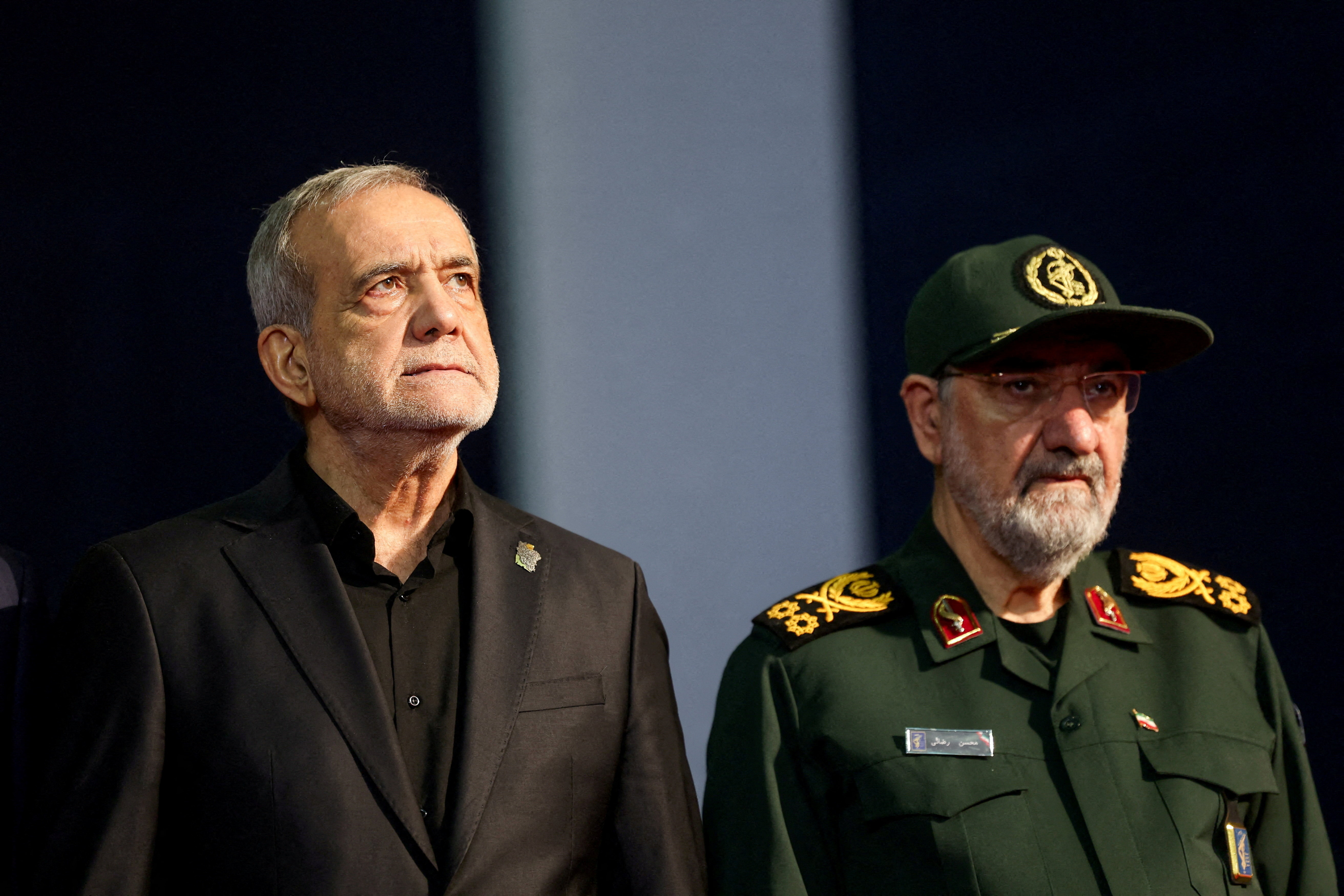
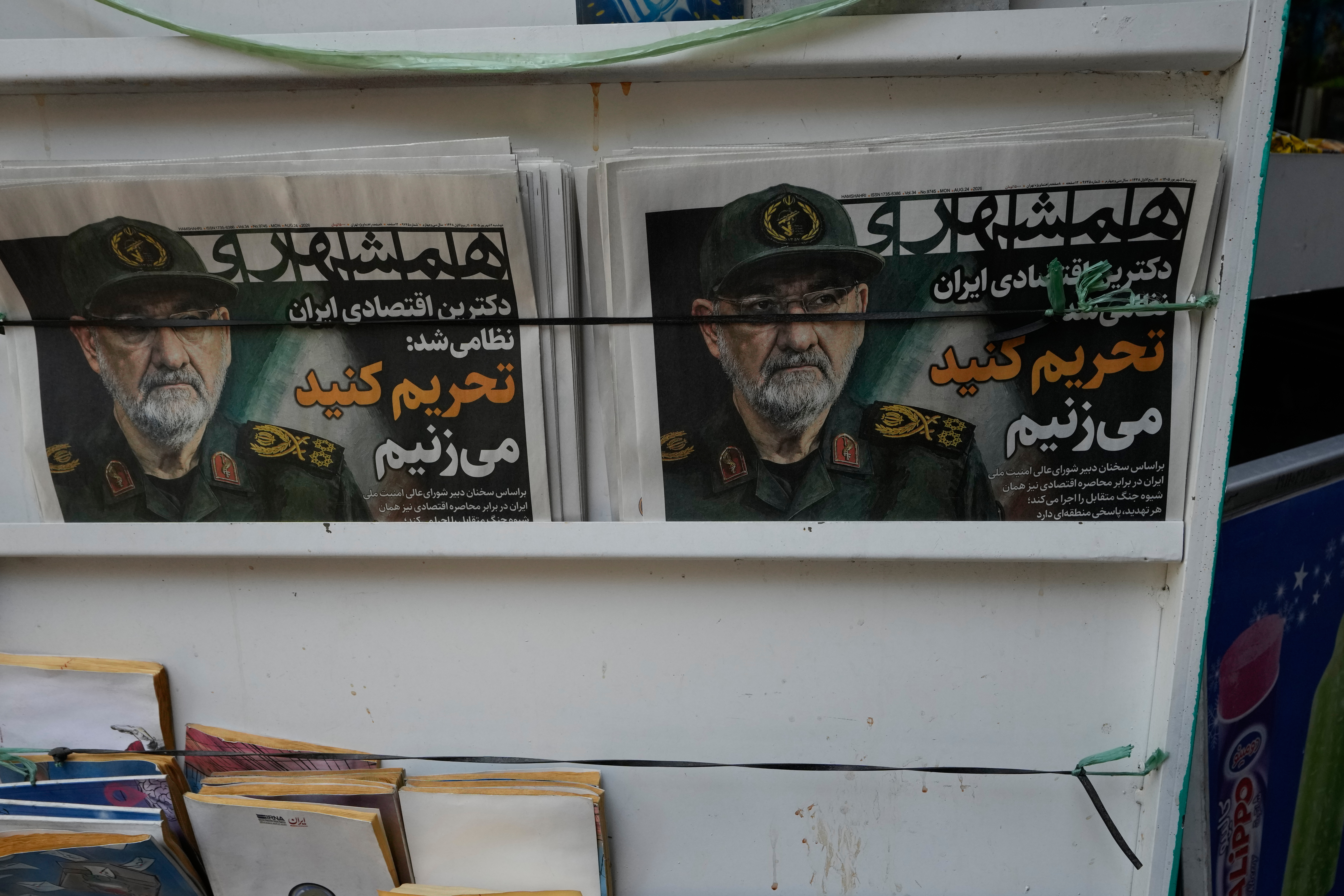
Pakistan says progress was made in Tehran, but Iran’s security establishment remains wary of Washington.
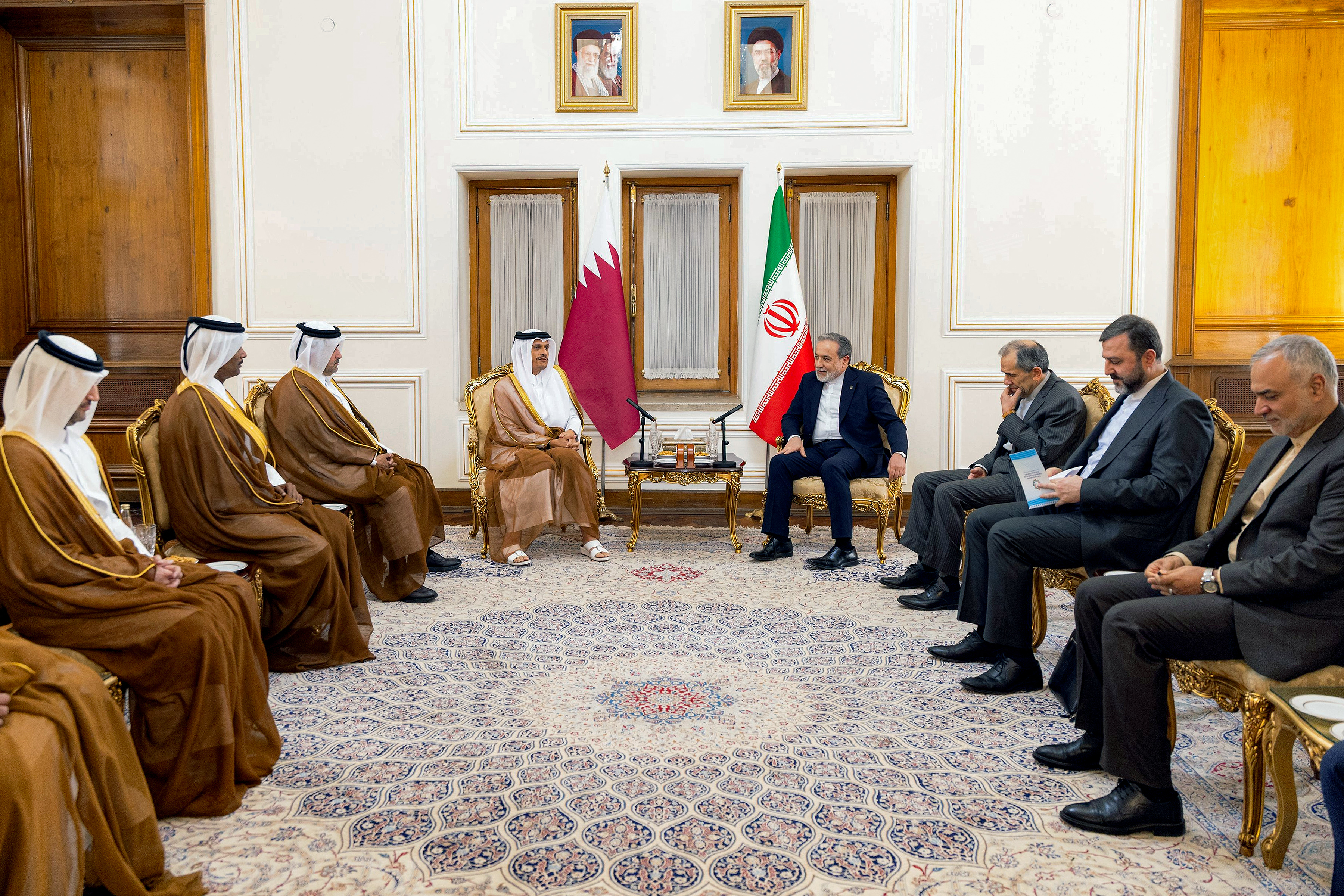
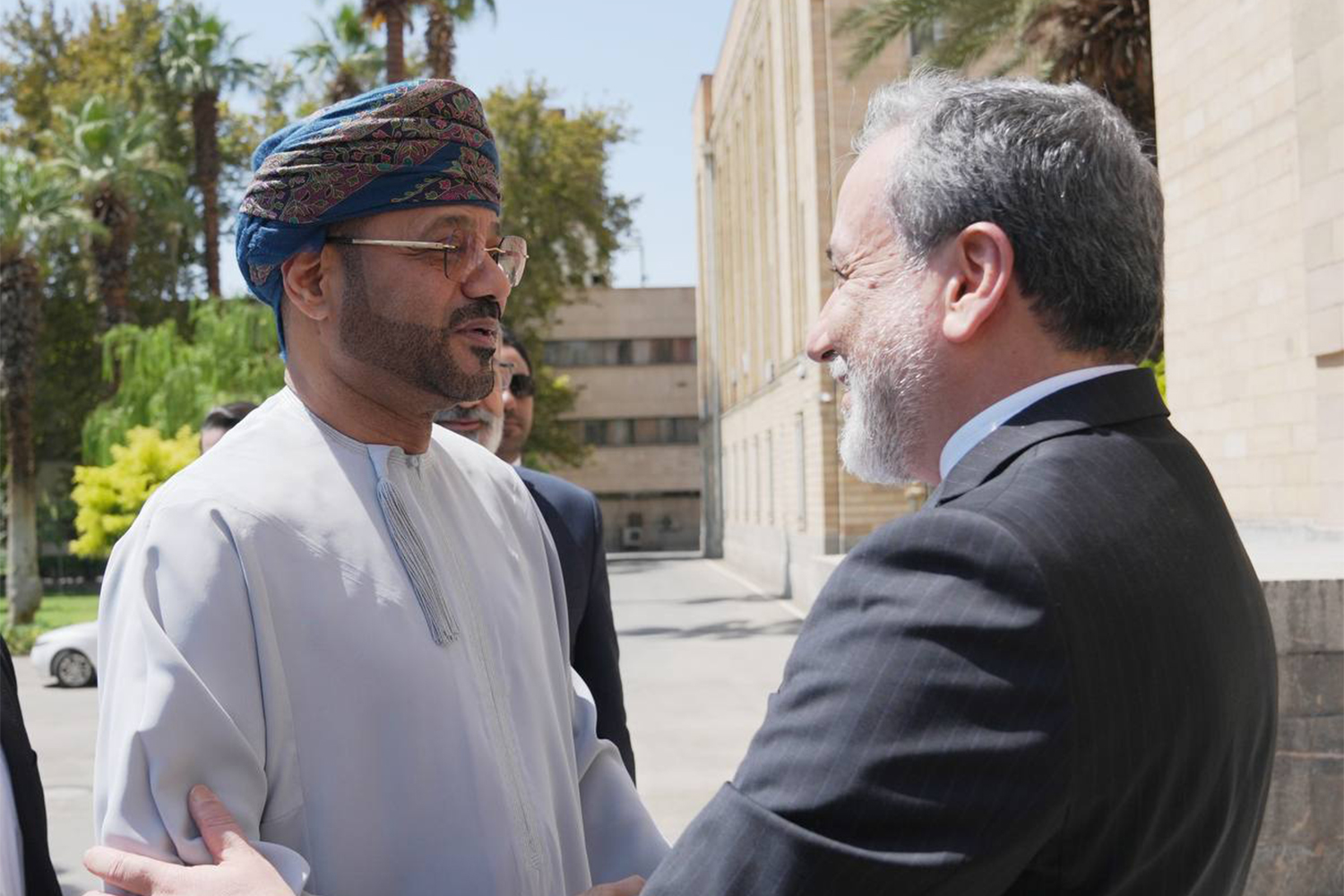
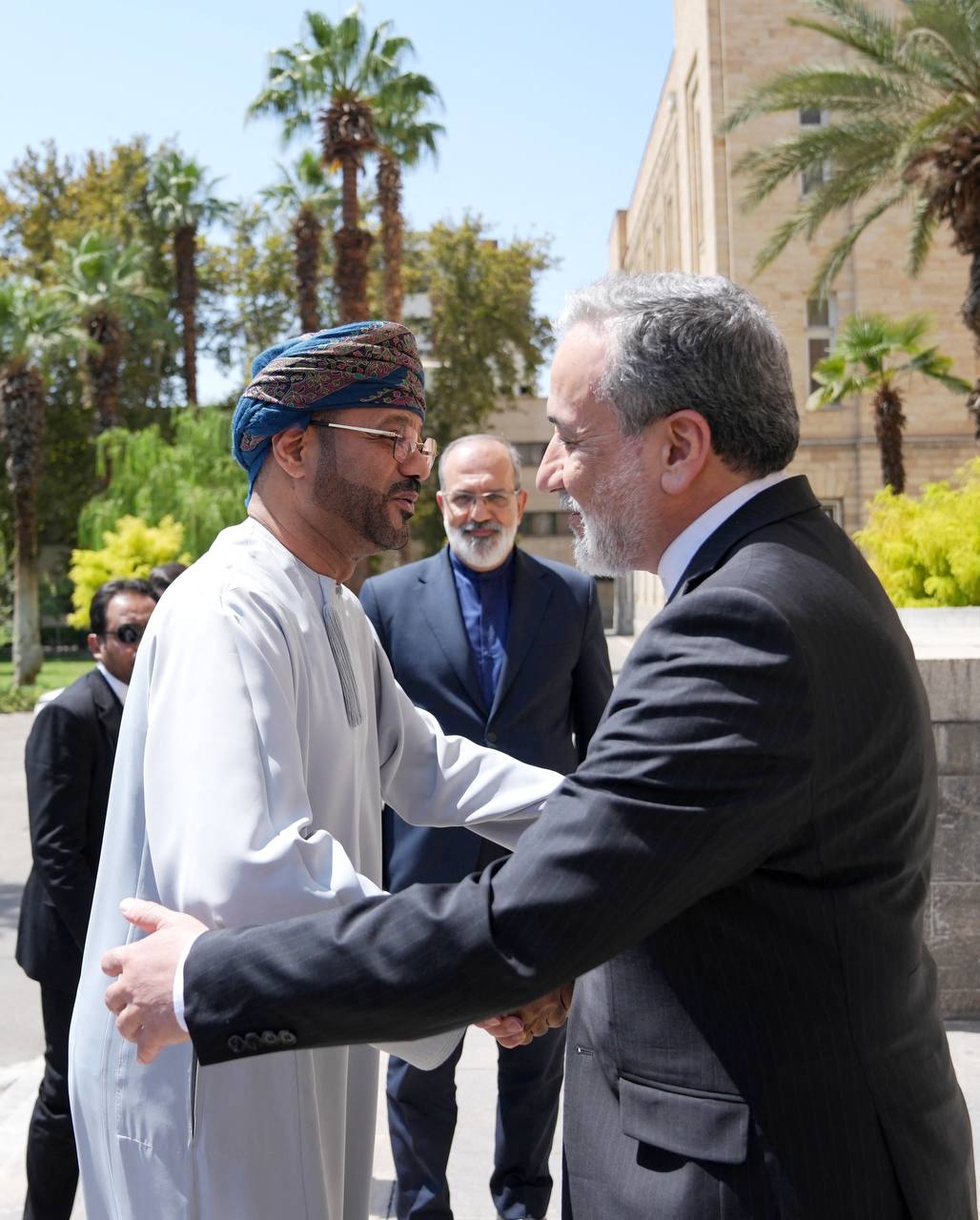
Omani and Iranian foreign ministers hold a call as Washington prepares economic sanctions.

![Vessels in the Strait of Hormuz are visible near the beach of Bandar Abbas, Iran, August 27, 2026. [Majid Asgaripour/WANA via Reuters]](/wp-content/uploads/2026/08/2026-08-27T120148Z_420513837_RC2Q6NAS2W4I_RTRMADP_3_IRAN-CRISIS-HORMUZ-1787862980.jpg?resize=770%2C513&quality=80)
![Munir meeting Ghalibaf in Tehran [courtesy IRNA]](/wp-content/uploads/2026/08/2218aeba-ea70-4bca-8ae7-fbe92b06adfb-1787639644.jpg?resize=770%2C513&quality=80)
![People gather on the beach, as vessels in the Strait of Hormuz are visible near the beach of Bandar Abbas, Iran, August 25, 2026. [Majid Asgaripour/WANA via Reuters]](/wp-content/uploads/2026/08/2026-08-25T111240Z_2136989212_RC2J5NAAYWGP_RTRMADP_3_IRAN-CRISIS-HORMUZ-1787691077.jpg?resize=770%2C513&quality=80)