EXPLAINER
Who is fighting in Myanmar’s multi-front civil war?
Alliances are fluid in Myanmar’s civil war, involving a military regime, ethnic armed groups and pro-democracy forces.
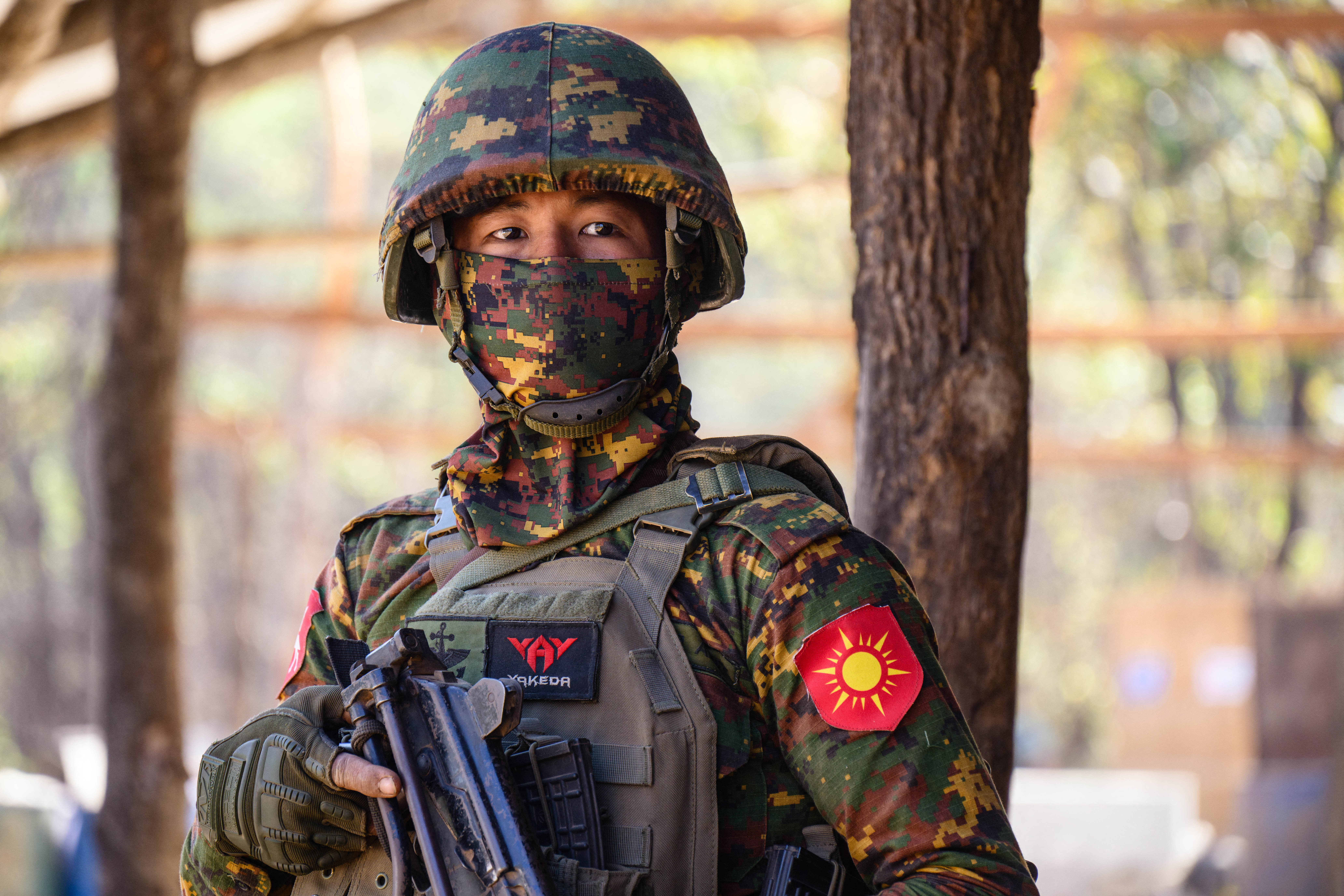
Alliances are fluid in Myanmar’s civil war, involving a military regime, ethnic armed groups and pro-democracy forces.

![Activists gather in Buffalo, New York’s Elmwood Village neighbourhood following the death of Nurul Amin Shah Alam, a near-blind refugee from Myanmar who was missing since his release from a jail into the custody of the US Border Patrol, and who was later found dead on Feb. 26, 2026. [Craig Ruttle/Reuters]](/wp-content/uploads/2026/02/image-1772224025.jpg?resize=770%2C513&quality=80)
As armed groups target civilians unchecked, Geneva Academy warn of humanitarian law’s collapse and its ramifications.
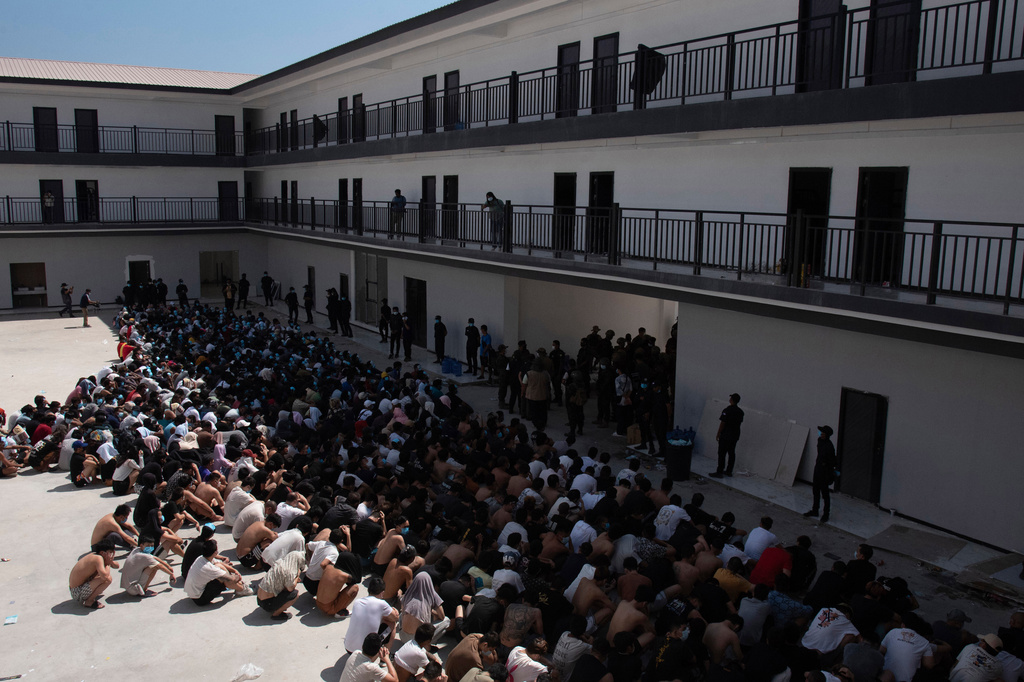
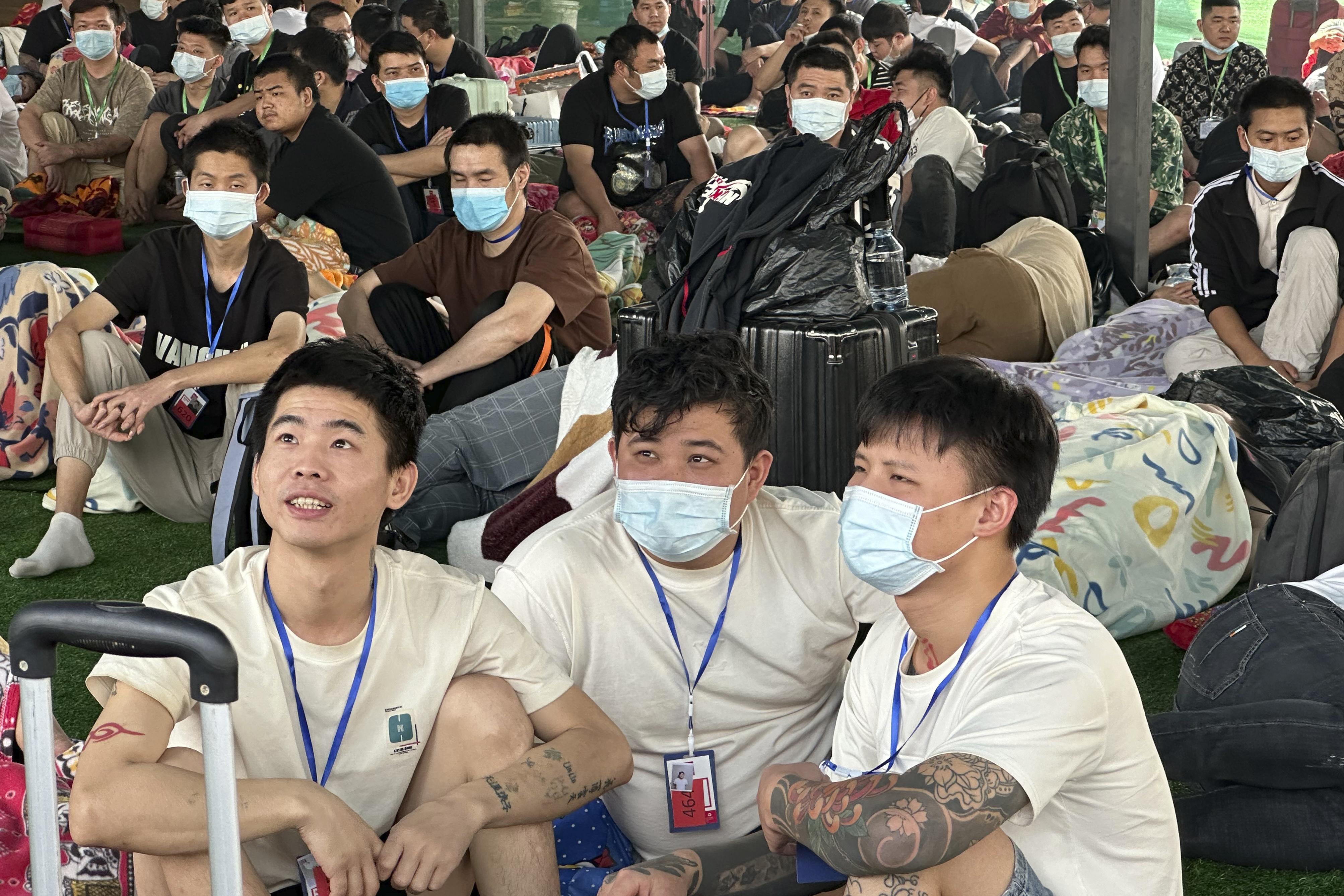
Executions are part of broader crackdown by Beijing on scam centres across Southeast Asia built on an industrial scale.
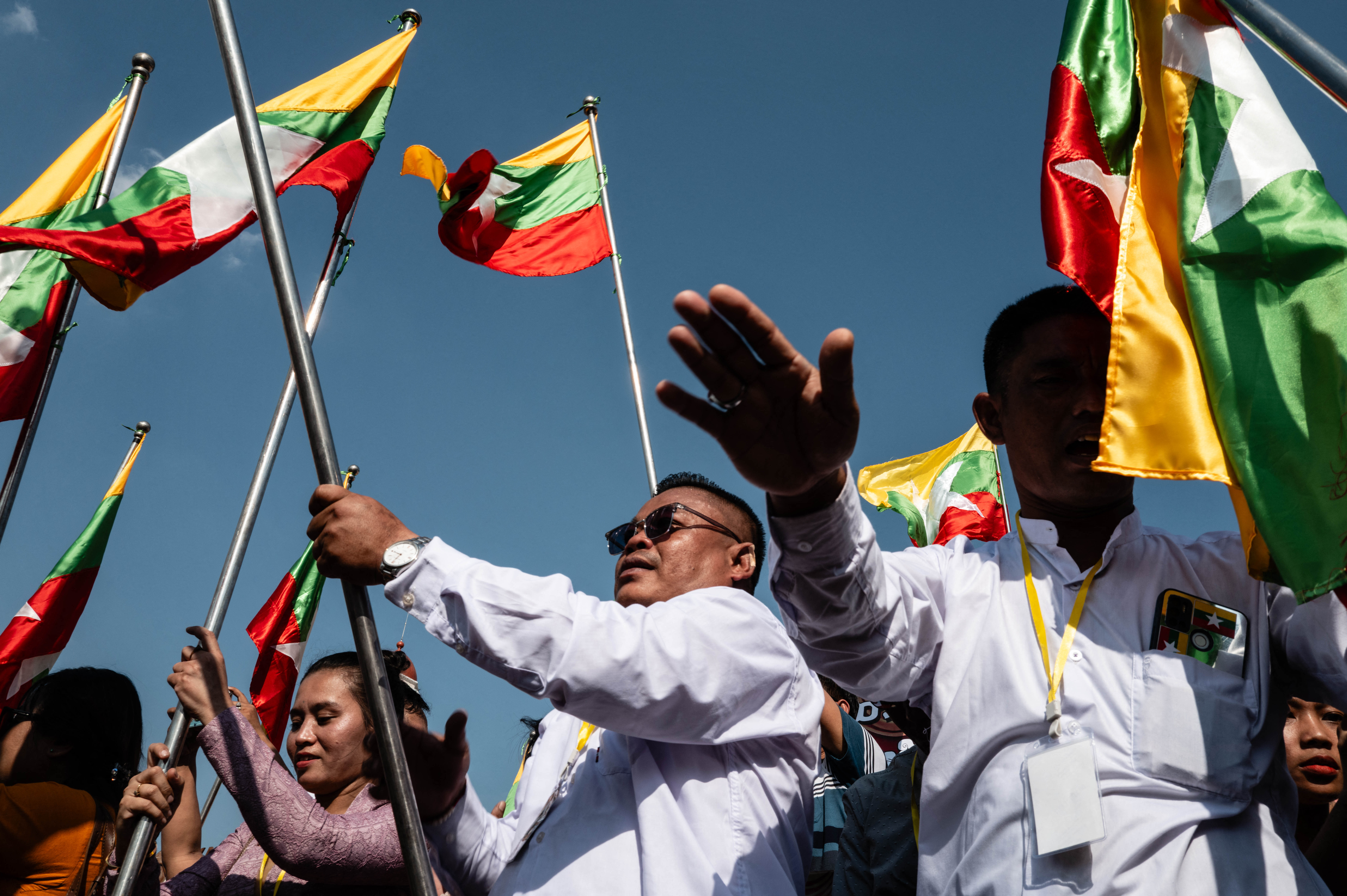
Myanmar’s military rulers say polls were free and fair as UN reports 170 killed during election period.
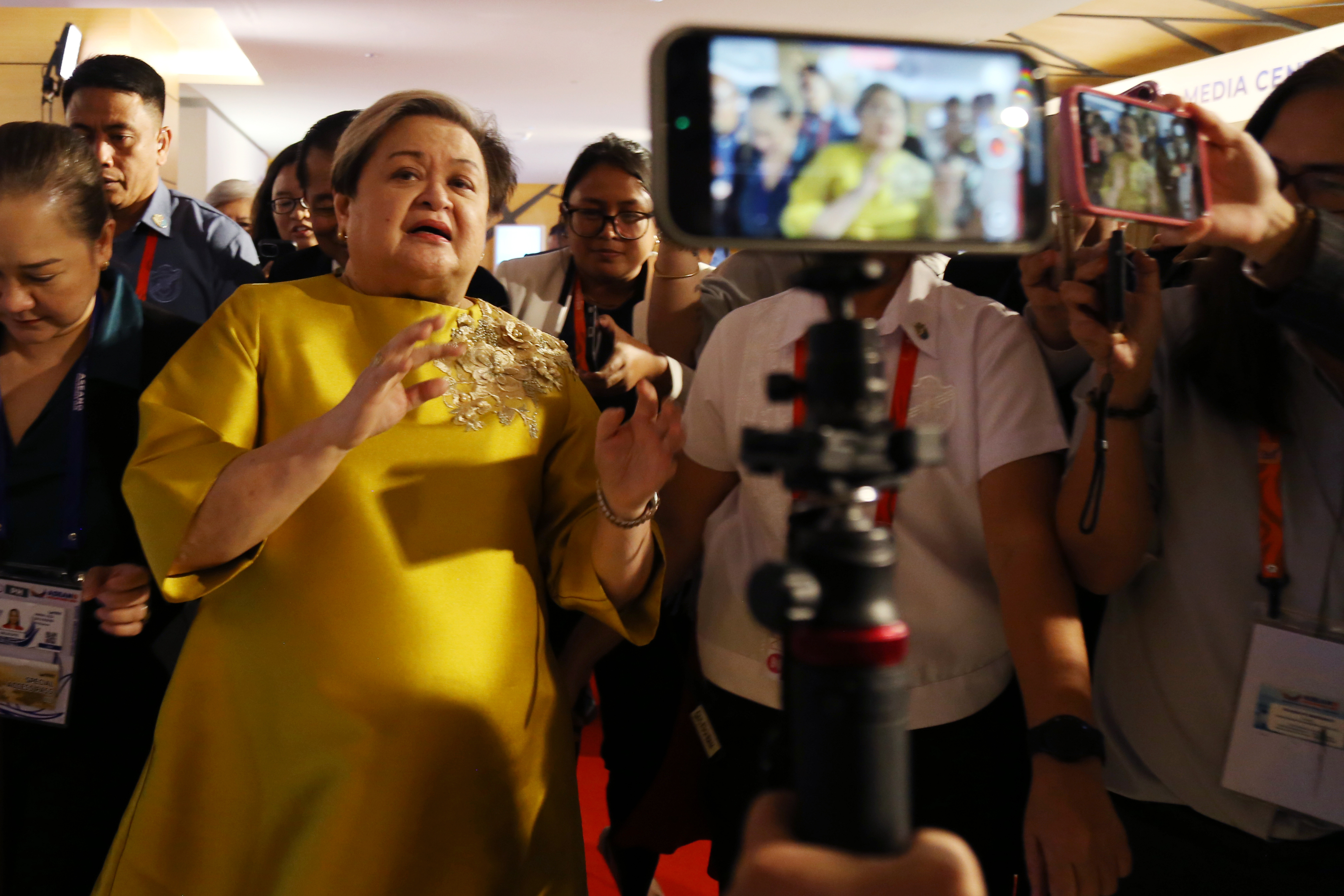
Philippine Foreign Secretary Lazaro says ASEAN member states have ‘not endorsed’ the election in military-run Myanmar.
Among the executed were members of the “Ming family criminal group”.
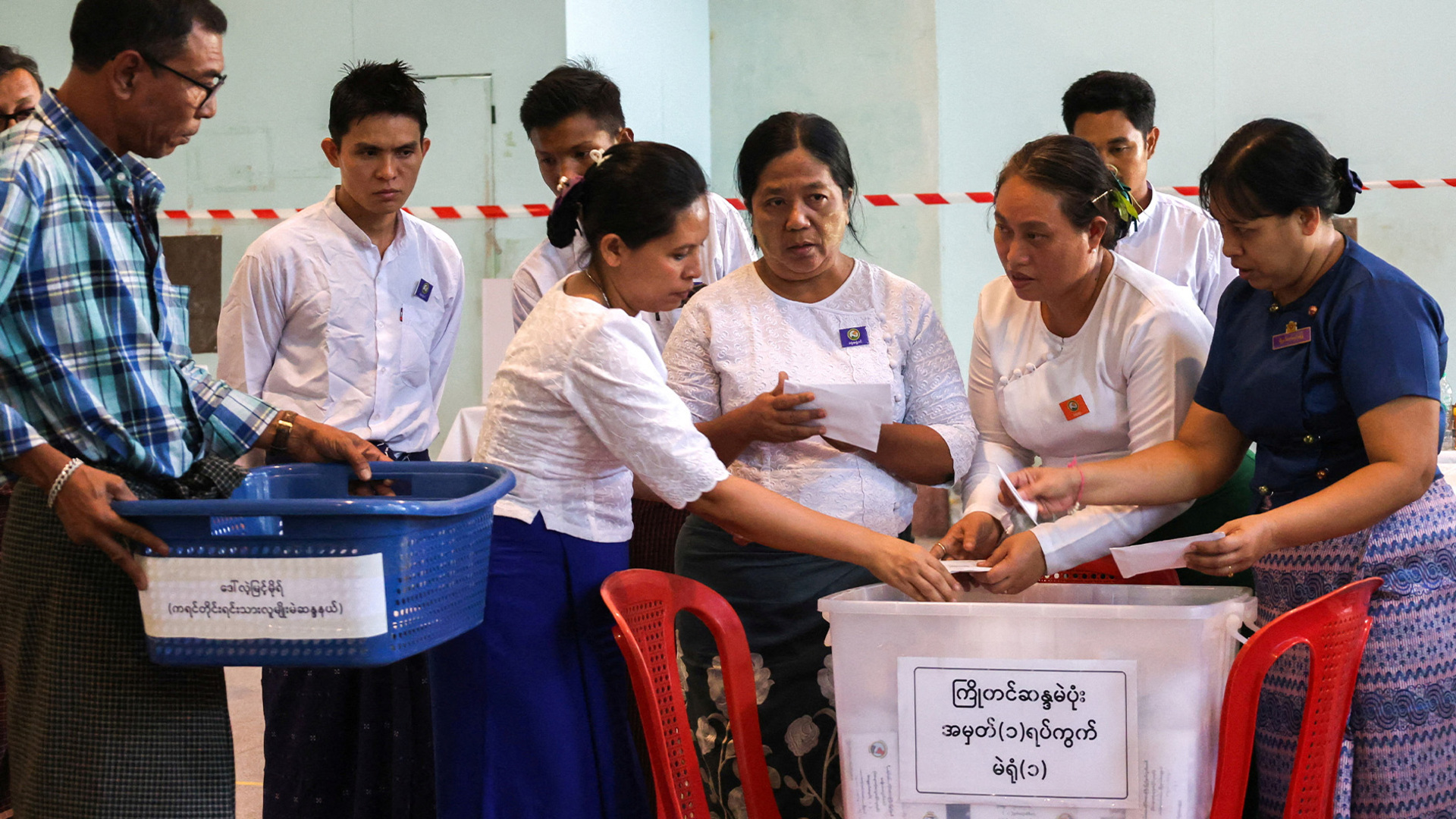
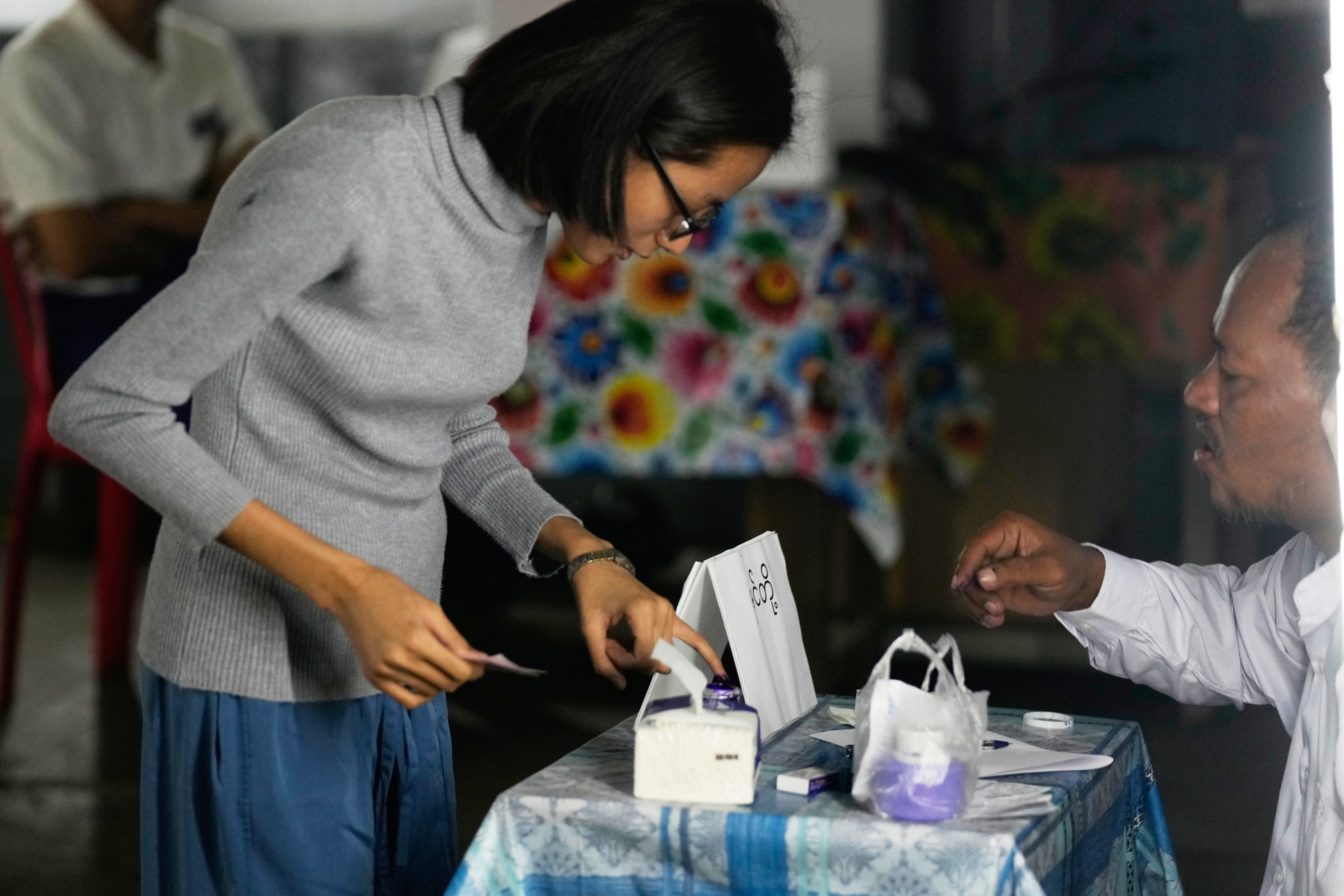
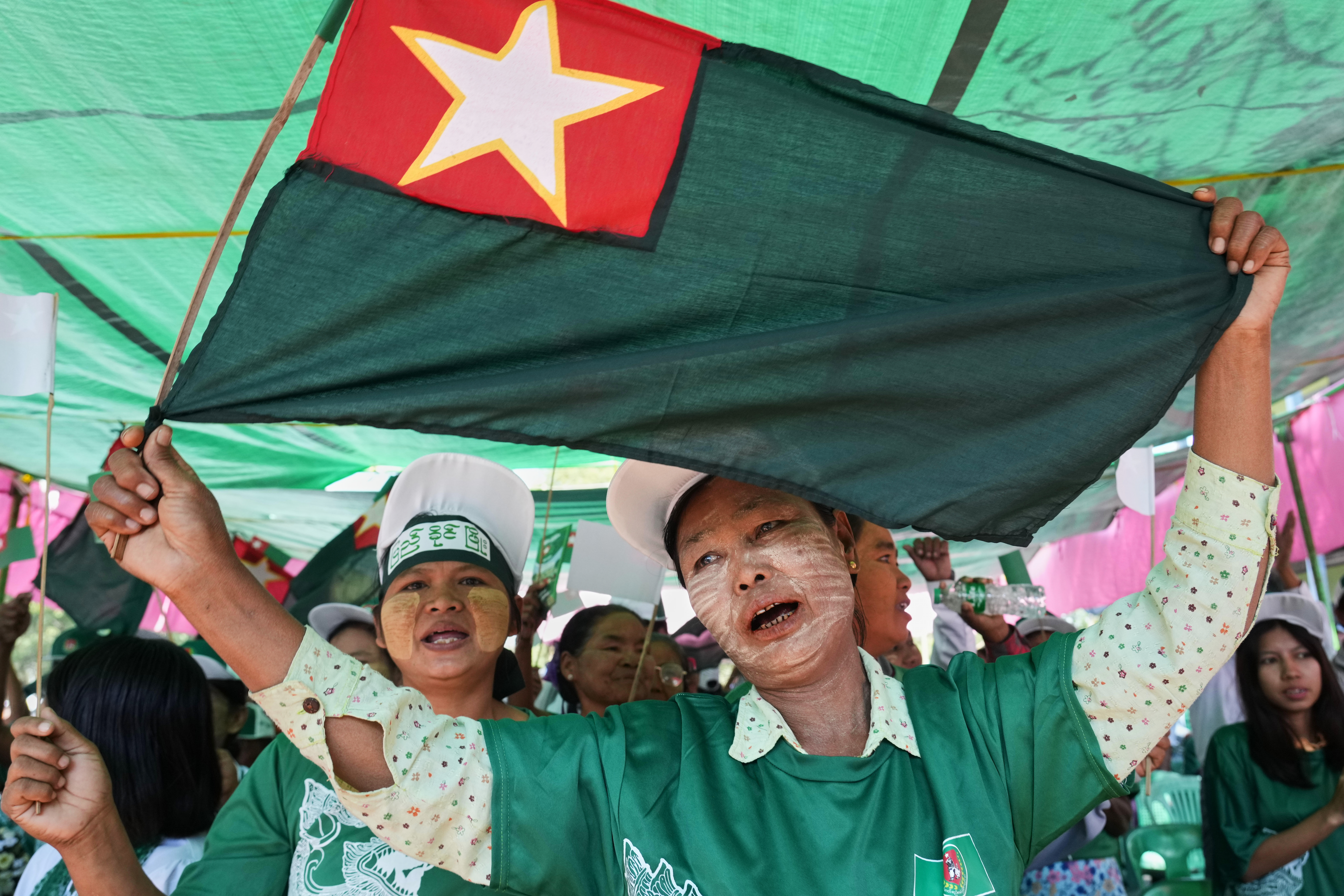
Myanmar’s final stage of its disputed general election is under way despite the ongoing civil war.
UN official describes monthlong polls as ‘illegitimate’, while ASEAN regional bloc says it will not certify the vote.
Critics, including human rights and opposition groups, say election is neither free nor fair.
Tiny The Gambia was the first to take another country to the ICJ as a third-party rights defender.
International Court of Justice is deciding if Myanmar committed genocide against Rohingya in a 2017 military crackdown.


![Gambian Justice Minister and Attorney General Dawda Jallow sits in the courtroom, next to lawyer Arsalan Suleman, as the International Court of Justice (ICJ) starts hearings in a landmark case brought by The Gambia, which accuses Myanmar of committing genocide against the Rohingya, a minority Muslim group, in The Hague, Netherlands, on January 12, 2026 [Piroschka van de Wouw/Reuters]](/wp-content/uploads/2026/01/2026-01-12T094241Z_1499227565_RC2LZIAI6JY3_RTRMADP_3_MYANMAR-ROHINGYA-WORLD-COURT-1768496092.jpg?resize=770%2C513&quality=80)
